
Working with Fetish Photographers: What to Expect
Working with Fetish Photographers: What to Expect
Navigating the world of fetish photography as a bondage model requires understanding professional boundaries, communication protocols, and industry standards. This comprehensive guide prepares aspiring and experienced models for successful collaborations with fetish photographers, covering everything from initial contact through post-shoot procedures. Whether you're booking your first session or refining your professional approach, understanding fetish photography dynamics will help you build a sustainable and rewarding career while maintaining safety and artistic integrity.
Prerequisites for Working with Fetish Photographers
Before engaging with fetish photographers, ensure you meet these foundational requirements:
- Legal age verification: Must be 18+ with valid government-issued identification
- Portfolio preparation: At least 3-5 current photos showcasing your look and comfort level
- Clear boundaries: Written list of activities you will and won't participate in
- Emergency contact: Designated person aware of shoot location and timing
- Professional communication skills: Ability to discuss explicit content maturely and clearly
Understanding Fetish Photography Dynamics
Fetish photography differs significantly from mainstream modeling in its subject matter, technical requirements, and professional etiquette. Successful fetish photographers typically specialize in specific niches—rope bondage, latex fashion, predicament scenarios, or artistic restraint compositions. Understanding these specializations helps you identify photographers whose vision aligns with your comfort zone and career goals.
The power dynamics in fetish photography require explicit negotiation. Unlike traditional fashion shoots where the photographer directs almost everything, fetish sessions demand ongoing consent discussions. Professional fetish photographers will never pressure you beyond agreed boundaries and will check in regularly during shoots, especially during physically demanding bondage positions.
Pre-Shoot Communication and Negotiation
Professional collaboration begins well before the camera clicks. Follow these essential steps:
- Initial contact and portfolio exchange: Share your modeling portfolio and review the photographer's previous work to assess style compatibility
- Detailed concept discussion: Request a written shoot plan outlining specific poses, restraints, clothing, and expected duration
- Boundary negotiation: Explicitly state your limits regarding nudity levels, restraint types, and physical contact
- Rate agreement: Confirm compensation structure (TFP, hourly rate, or package fee) in writing
- Location verification: Obtain the exact address, confirm it's a legitimate studio space, and share details with your emergency contact
- Model release review: Read and understand all usage rights before signing any documents
- Safety protocol establishment: Discuss safe words, check-in procedures, and emergency release mechanisms
What to Expect During the Shoot
Studio Environment and Setup
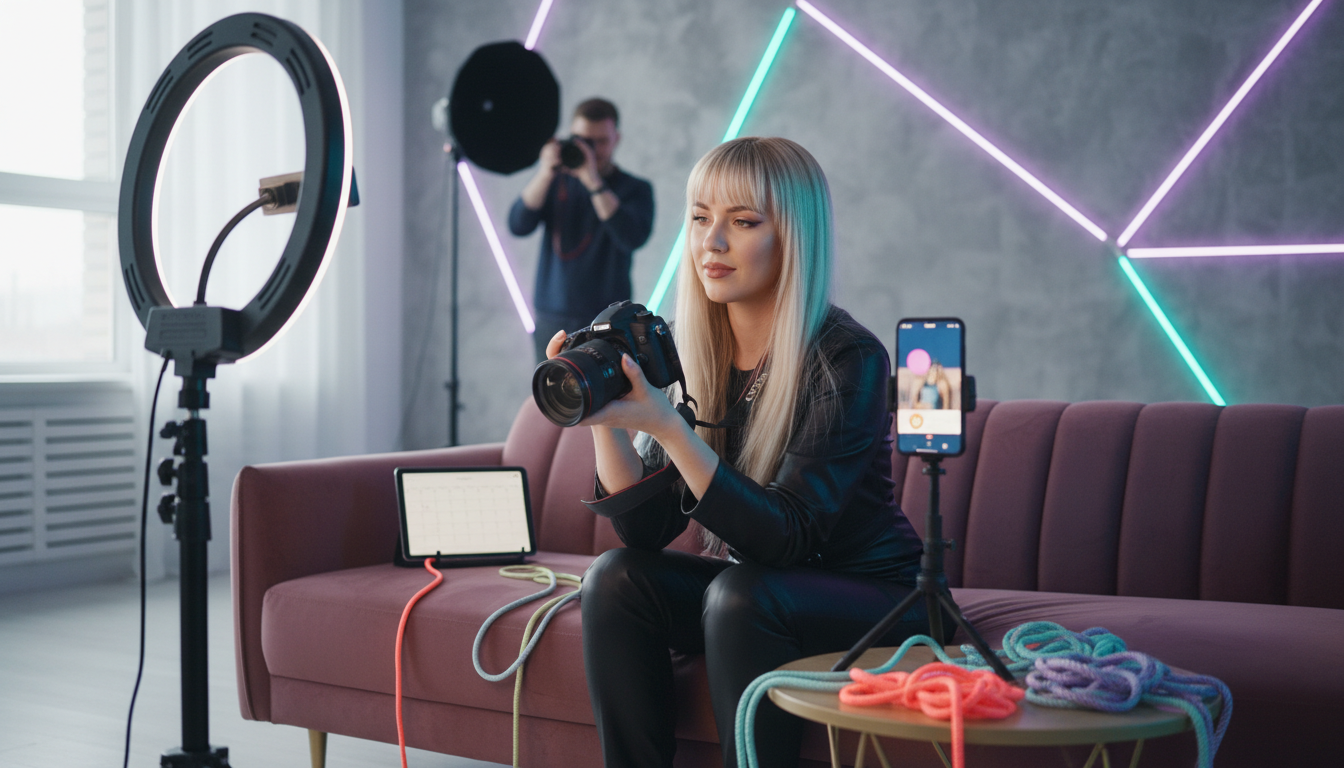
Professional fetish photography studios typically feature specialized equipment including suspension points, adjustable lighting for dramatic shadows, bondage furniture, and climate control (important when wearing latex or spending time in restrictive positions). Expect a methodical setup period where the photographer prepares lighting, tests equipment safety, and organizes props.
Professional Etiquette Standards
Maintaining professional etiquette throughout the shoot protects both parties and ensures quality results. Arrive on time, come prepared with any requested wardrobe items, and maintain clear communication about your physical state. Professional photographers will provide regular breaks, offer refreshments, and never make you feel rushed or uncomfortable.
The best fetish photographers treat models as creative collaborators rather than passive subjects. They'll explain technical aspects, show you test shots, and incorporate your input on poses and expressions. This collaborative approach distinguishes professional shoots from potentially exploitative situations.
Photographer Types and Working Conditions Comparison
| Photographer Type | Typical Payment | Experience Level | Safety Protocols | Post-Production | Best For |
|---|---|---|---|---|---|
| Established Professional | $150-500+/hour | Expert (10+ years) | Comprehensive written contracts | Professional editing/retouching | Portfolio building, paid work |
| Mid-Level Commercial | $75-200/hour or TFP | Intermediate (3-10 years) | Verbal agreements + model release | Basic editing included | Gaining experience |
| Artistic/Fine Art | TFP or limited budget | Varies widely | Depends on individual | Extensive artistic editing | Unique portfolio pieces |
| Content Creator/Self-Publishing | Revenue sharing 40-60% | Varies | Platform-dependent standards | Quick turnaround | Ongoing income |
| Amateur/Hobbyist | Usually TFP | Beginner to intermediate | Often informal | Inconsistent quality | Networking only |
Compensation Models and Negotiation
Understanding payment structures helps you make informed decisions:
- Time for Print (TFP): Exchange your modeling time for finished images; suitable for portfolio building with established photographers
- Hourly rates: Standard for professional shoots, typically $100-300/hour depending on experience and content intensity
- Day rates: Full-day bookings often $500-1500+ for experienced bondage models
- Content licensing: Additional fees for commercial use, website licensing, or publication rights
- Revenue sharing: Percentage-based compensation for content sold on subscription platforms
Safety Considerations and Red Flags
Recognize warning signs that indicate unprofessional or potentially dangerous situations:
- Photographer refuses to provide portfolio or references
- Pressure to exceed stated boundaries or "just try" activities you've declined
- Unwillingness to sign contracts or provide model releases
- Shoot location is a private residence without verification
- No discussion of safety protocols or emergency procedures
- Requests to arrive alone without emergency contact knowledge
- Inappropriate personal comments unrelated to the artistic work
Always trust your instincts. Professional photographers understand and respect your right to terminate a shoot if you feel uncomfortable.
Post-Shoot Procedures
After the session concludes, several important steps remain:
- Image review period: Request preview access to select images before public release
- Usage rights confirmation: Verify where and how images will be published
- Payment processing: Ensure compensation is received per agreement
- Portfolio delivery timeline: Establish when you'll receive your agreed-upon images
- Feedback exchange: Professional photographers appreciate constructive reviews
- Follow-up opportunities: Successful collaborations often lead to repeat bookings
Building Long-Term Professional Relationships
The most successful bondage models cultivate ongoing relationships with skilled fetish photographers. These partnerships offer:
- Consistent income streams through regular bookings
- Artistic growth as you collaborate on increasingly sophisticated concepts
- Industry credibility through association with respected photographers
- Referrals to other professional opportunities
- Portfolio evolution that documents your development as a model
Maintain professionalism by responding promptly to inquiries, honoring commitments, and delivering consistent quality work. Photographers value reliable models who understand shoot expectations and contribute creative ideas.
Common Challenges and Solutions
Challenge: Photographer's style differs from portfolio examples Solution: Request recent work samples and discuss specific technical approaches before committing
Challenge: Physical discomfort during extended bondage positions Solution: Establish hand signals for immediate release and take regular breaks regardless of shooting schedule
Challenge: Images appear on unauthorized websites or platforms Solution: Include specific usage limitations in your model release and use reverse image search to monitor distribution
Challenge: Unclear compensation structure or payment delays Solution: Always get payment terms in writing and require deposits for time-intensive shoots
Challenge: Pressure to work with inadequate safety equipment Solution: Decline shoots where safety is compromised; your physical wellbeing supersedes any photographic goal
Frequently Asked Questions
Q: How do I find legitimate fetish photographers to work with?
A: Research photographers through established modeling platforms like ModelMayhem, Purpleport, or FetLife's photography groups. Review their portfolios, read model testimonials, and verify their professional standing in the community. Request references from other models they've worked with and never skip the vetting process regardless of how impressive their portfolio appears.
Q: Should I accept TFP (Time for Print) arrangements or only paid shoots?
A: TFP can be valuable when starting your career or working with highly regarded photographers whose images will significantly enhance your portfolio. However, as you gain experience, transition toward paid work. A balanced approach includes occasional TFP with exceptional photographers while maintaining primarily paid bookings. Never accept TFP from photographers with limited portfolios or unclear professional standing.
Q: What should I do if a photographer crosses boundaries during a shoot?
A: Immediately use your agreed-upon safe word to pause the shoot. Clearly state the boundary violation and assess whether you feel comfortable continuing. You have the absolute right to end any session where you feel unsafe or disrespected, regardless of contractual obligations. Document the incident, inform your emergency contact, and consider reporting serious violations to relevant modeling platforms or community organizations.
Q: How much creative input should I have during fetish photography sessions?
A: Professional fetish photography thrives on collaboration. While the photographer typically has a conceptual vision, experienced models contribute significantly to pose variations, expressions, and creative problem-solving. Communicate your ideas respectfully and be open to the photographer's technical expertise. The best shoots balance the photographer's artistic direction with the model's physical awareness and creative insights.
Q: What rights do I have regarding image usage and distribution?
A: Your rights depend entirely on the model release you sign. Never sign blanket releases granting unlimited usage without compensation. Standard agreements should specify usage duration, platforms, geographic regions, and whether images can be sold or licensed. Negotiate separate compensation for commercial usage, exclusive rights, or particularly explicit content. Consider consulting a contract attorney for high-value or complex arrangements.
Conclusion and Next Steps
Working successfully with fetish photographers combines artistic collaboration, professional business practices, and unwavering attention to safety protocols. By understanding shoot expectations, maintaining clear communication about boundaries, and recognizing the markers of legitimate professionals, you can build a rewarding career in bondage modeling while protecting your interests.
Begin by creating a comprehensive model profile on reputable platforms, research photographers whose aesthetic matches your goals, and approach initial collaborations with thorough preparation and clear boundaries. As you gain experience, refine your specialty within fetish photography, develop signature poses or expressions, and cultivate relationships with photographers who respect your professionalism and artistry. Remember that your safety, comfort, and consent always take precedence over any photographic outcome.