
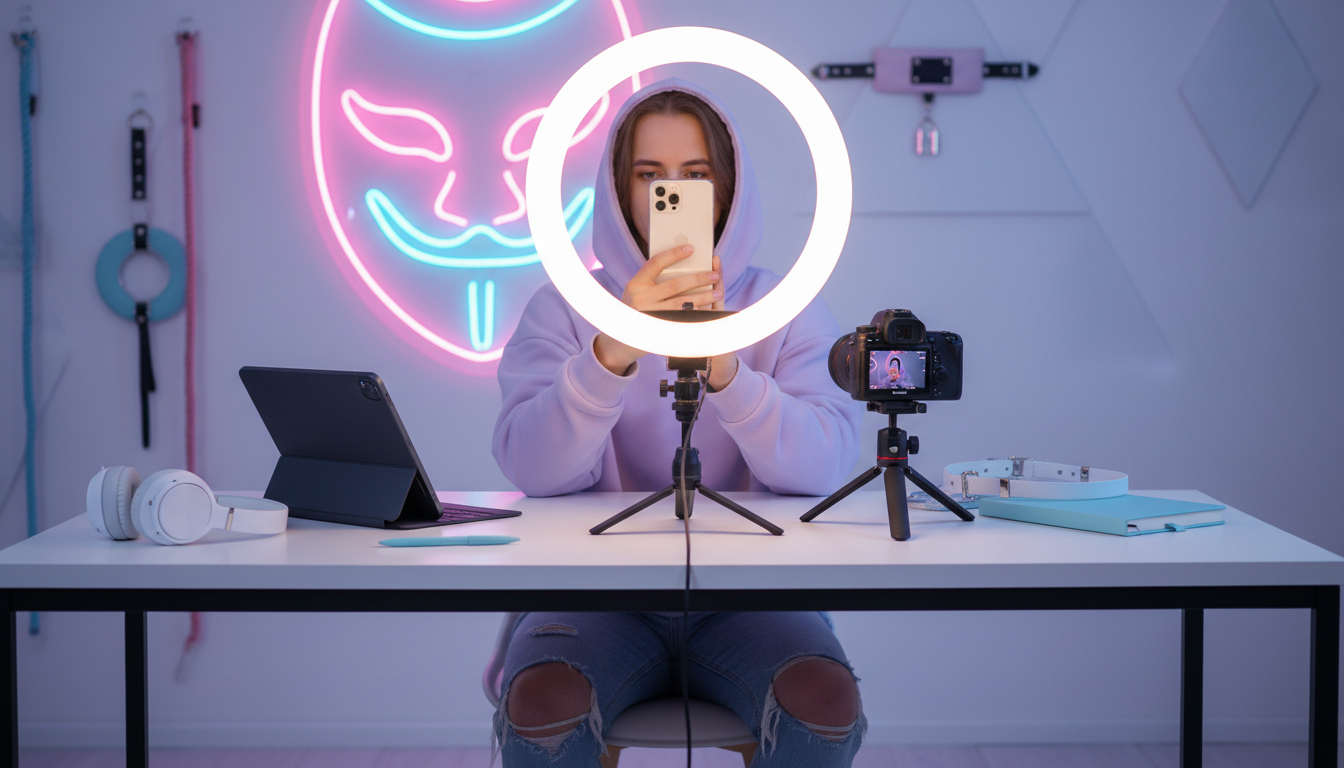
Using Pseudonyms and Protecting Privacy
Using Pseudonyms and Protecting Privacy: A Complete Guide for Bondage Models
For aspiring and working bondage models, protecting identity while building a professional career requires strategic planning and consistent implementation of privacy measures. This comprehensive guide provides practical strategies for creating effective pseudonyms, maintaining anonymity in fetish modelling, and implementing robust privacy tips to safeguard your personal life while developing your professional brand. Whether you're just starting or looking to strengthen your existing privacy protocols, understanding these protection methods is essential for long-term career sustainability.
Why Privacy Protection Matters in Bondage Modeling
The adult entertainment and fetish modeling industries present unique privacy challenges that demand proactive management. Many models face potential discrimination in housing, employment, education, and personal relationships if their work becomes publicly known. Protecting identity isn't about shame—it's about maintaining control over who knows what aspects of your life and preventing unwanted consequences from societal stigma that still exists around adult work.
Additionally, strong privacy practices protect you from stalking, harassment, doxxing, and other safety risks that unfortunately affect performers in the adult industry. By establishing clear boundaries between your professional and personal identities from the beginning, you create sustainable career foundations.
Prerequisites for Effective Privacy Management
Before launching your bondage modeling career, ensure you have:
- A dedicated email address separate from personal accounts
- Understanding of digital footprint and metadata
- Basic knowledge of social media privacy settings
- Separate phone number for professional contacts (consider virtual numbers)
- Clear personal boundaries about what information remains private
Creating an Effective Pseudonym
Choosing the right stage name is your first line of defense in protecting identity. Your pseudonym should be memorable, professional, and completely distinct from your legal name.
Step-by-Step Process for Selecting Your Professional Name
- Brainstorm multiple options that reflect your brand personality without revealing personal details
- Search existing models and performers to ensure your name isn't already in use or too similar to established names
- Check domain and social media availability for your chosen pseudonym across all major platforms
- Avoid using derivatives of your real name, hometown references, birth year, or other identifying information
- Test the name's pronunciation and spelling to ensure it's easily remembered and searched
- Register your pseudonym consistently across all platforms before your first content goes live
- Create a backstory or persona that aligns with your pseudonym without revealing true biographical details
Privacy Tips for Digital Presence Management
Your online footprint requires constant vigilance to maintain separation between your professional and personal identities.
Essential Digital Privacy Practices
- Remove or privatize all social media accounts connected to your real name before starting
- Use VPN services when accessing professional accounts or adult platforms
- Disable location services and remove metadata from all photos before posting
- Create separate browsers or browser profiles for personal and professional use
- Never link personal email, phone numbers, or payment methods to professional accounts
- Use password managers with unique, complex passwords for each platform
- Enable two-factor authentication on all professional accounts
- Regularly Google your real name and pseudonym to monitor information leakage
- Consider using privacy-focused email services like ProtonMail for professional correspondence
Comparison of Anonymity Strategies in Fetish Modelling
| Strategy | Privacy Level | Career Impact | Implementation Difficulty | Cost |
|---|---|---|---|---|
| Basic Pseudonym Only | Low | Minimal | Easy | Free |
| Pseudonym + Separate Digital Identity | Medium | Low | Moderate | Low ($10-30/month) |
| Full Anonymity (Face Obscured) | High | Moderate-High | Easy | Free |
| Complete Separation System | Very High | Low | Complex | Medium ($50-100/month) |
| Legal Name Change | Very High | None | Complex | High ($150-500+) |
Physical Privacy Protection Strategies
Protecting identity extends beyond digital spaces into your physical environment and daily life.
Safeguarding Your Physical Identity
When shooting content or attending events, implement these practical measures:
- Remove or cover identifying features: Distinctive tattoos, birthmarks, or scars may need makeup coverage or strategic positioning
- Control your shooting environment: Ensure backgrounds don't contain mail, photos, diplomas, or location-identifying features
- Use separate wardrobe: Keep your professional clothing distinct from personal style to avoid recognition
- Consider travel distance: Work in locations away from your neighborhood to reduce local recognition risk
- Manage your voice: If anonymity is critical, consider if your speaking voice might identify you
Managing Professional Relationships and Contracts
Working with photographers, studios, and other industry professionals requires careful contract management to maintain privacy protections.
Always use your pseudonym in all professional communications and contracts. Request that collaborators sign non-disclosure agreements regarding your personal information. Establish clear boundaries about what personal details (if any) can be shared. Use business entities like LLCs to further separate your legal identity from your professional work, and never provide your home address—use PO boxes or commercial mail services instead.
Financial Privacy and Payment Processing
Money trails can compromise protecting identity if not managed carefully. Many payment platforms require real names, creating potential privacy vulnerabilities.
Recommended Financial Separation Steps
- Open a separate bank account exclusively for modeling income
- Consider forming an LLC or business entity to receive payments under your business name
- Use payment processors that respect performer privacy (research current best options)
- Never accept personal checks or direct deposits to your primary account
- Understand tax obligations—you'll still need to report income under your legal name
- Consult with an accountant familiar with adult industry privacy concerns
Common Privacy Challenges and Solutions
Challenge: Someone recognizes you from your work Solution: Have a prepared response ready. Many models simply acknowledge it briefly and redirect the conversation. You're not obligated to discuss your work with anyone.
Challenge: Reverse image search reveals your content Solution: You cannot completely prevent this, but watermarking, limiting free content, and avoiding face-and-body-together shots in promotional materials reduces risk.
Challenge: Family or friends discover your work Solution: Prepare a response in advance. Be honest about your choice, emphasize safety and consent, and establish boundaries about what you will and won't discuss.
Challenge: Platform data breach exposes performer information Solution: Use unique passwords everywhere, enable all security features, and monitor your credit and identity regularly. Consider identity theft protection services.
Challenge: Maintaining multiple identities becomes overwhelming Solution: Use password managers, dedicated devices, and strict routines. Some models schedule specific times for personal versus professional digital activity.
Advanced Privacy Tools and Technologies
For models requiring maximum anonymity in fetish modelling, consider these additional tools:
- Virtual Private Networks (VPNs): NordVPN, ExpressVPN, or ProtonVPN for encrypted browsing
- Encrypted messaging: Signal or Telegram for professional communications
- Virtual phone numbers: Google Voice, Burner, or Hushed for separate contact numbers
- Metadata removal tools: ExifTool or built-in photo editing apps to strip location data
- Privacy-focused search engines: DuckDuckGo instead of Google for professional research
- Separate devices: Dedicated phone or computer exclusively for professional work
Building Your Professional Brand While Maintaining Privacy
Pseudonyms for bondage models serve dual purposes: protecting identity while creating marketable brands. Your professional identity should feel authentic enough to connect with audiences while maintaining crucial separation from your personal life.
Develop a consistent aesthetic, communication style, and online presence under your pseudonym. Share aspects of your interests and personality that feel safe while keeping truly personal details private. Many successful models create rich professional personas that feel genuine without compromising their privacy.
Long-Term Privacy Maintenance
Protecting identity is not a one-time setup but an ongoing practice requiring vigilance and adaptation as technology and platforms evolve.
Schedule regular privacy audits quarterly to review your digital footprint, update passwords, and check for information leakage. Stay informed about new privacy tools and threats. As your career grows, consider consulting with privacy professionals or attorneys specializing in adult industry protections. Document your privacy protocols so you can consistently apply them across all activities.
FAQ: Privacy and Pseudonyms for Bondage Models
Q: Can I ever use my real name once I've established a pseudonym?
A: While technically possible, it's strongly discouraged as it creates a direct link between your identities. If you decide to transition to working under your real name, understand this cannot be reversed. Many models maintain their pseudonyms throughout their entire careers for continued privacy protection.
Q: How do I handle taxes and legal documents while using a pseudonym?
A: You'll file taxes under your legal name, as the IRS requires accurate identification. However, you can form an LLC under a business name that doesn't include your personal name, receiving payments to the business while maintaining some separation. Consult with an accountant familiar with adult industry concerns to structure this properly.
Q: What if someone threatens to reveal my real identity (doxxing)?
A: Document all threats immediately and report them to platform administrators and potentially law enforcement, depending on severity. Never negotiate with or pay blackmailers. Many jurisdictions have laws against doxxing and harassment. Consider consulting with an attorney specializing in digital privacy or adult industry legal issues.
Q: Should I tell romantic partners about my work in bondage modeling?
A: This is a personal decision with significant trust implications. Many models recommend disclosing to serious partners early in relationships to avoid deception. However, casual dating doesn't necessarily require disclosure. Consider your own comfort level, the relationship's seriousness, and local community attitudes when making this choice.
Q: Can I completely erase my modeling career later if I want to leave the industry?
A: Once content is online, you cannot guarantee complete removal. While you can delete accounts, request content removal from platforms you control, and use reputation management services, some content may persist on third-party sites. This reality makes initial privacy protection even more critical—it's far easier to prevent exposure than to erase it later.
Conclusion: Building a Sustainable Privacy Strategy
Effective privacy protection for bondage models requires initial investment of time and resources, combined with ongoing vigilance and adaptation. By implementing comprehensive pseudonyms for bondage models, maintaining strict digital hygiene, and establishing clear boundaries between your personal and professional lives, you create sustainable career foundations that protect your well-being long-term.
Start with the essential steps outlined in this guide—create your pseudonym, establish separate digital identities, and implement basic privacy tips—then gradually strengthen your protections as your career develops. Remember that privacy is a continuum, not an absolute state. Determine your personal risk tolerance and implement protections that align with your specific circumstances and goals. Your privacy strategy should evolve with your career, adapting to new platforms, technologies, and personal life changes while maintaining the core separation that protects your identity and safety.