
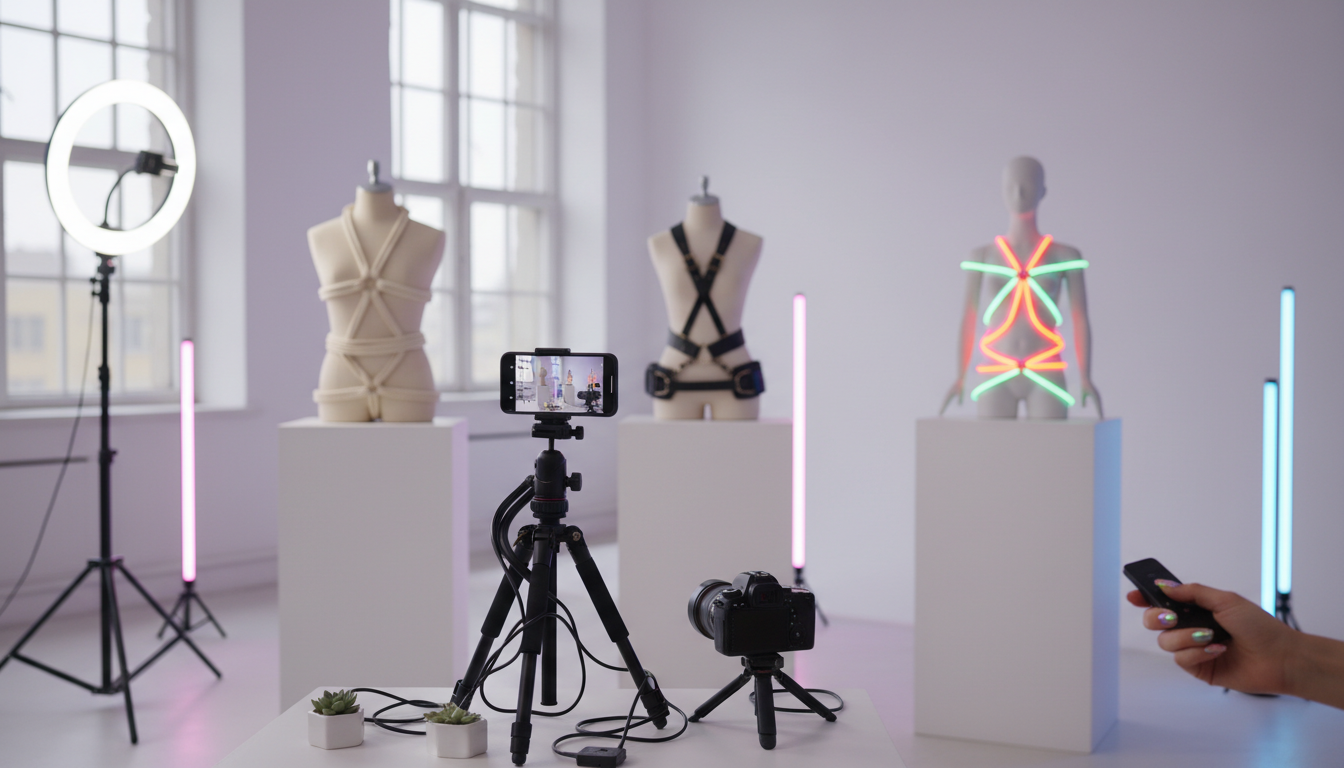
Understanding Different Bondage Styles
Understanding Different Bondage Styles: A Comprehensive Guide for Aspiring Models
Bondage modeling encompasses a diverse range of artistic styles, each with unique aesthetic qualities, technical requirements, and market demands. Whether you're an aspiring bondage model or looking to expand your portfolio, understanding the distinctions between different bondage styles is essential for career development and finding your niche in this specialized industry. This guide will help you navigate the various approaches, from traditional Japanese rope bondage to modern metal restraints, and make informed decisions about which styles align with your professional goals and comfort levels.
Prerequisites for Exploring Bondage Styles
Before diving into different bondage styles, aspiring models should:
- Complete basic safety training with certified instructors or experienced practitioners
- Establish clear boundaries and communication protocols with riggers and photographers
- Research reputable photographers and studios specializing in bondage modeling
- Build physical flexibility through yoga or stretching routines
- Understand consent protocols and have emergency release procedures in place
Major Bondage Style Categories
Rope Bondage (Shibari/Kinbaku)
Rope bondage represents one of the most visually striking and historically rich bondage styles. Originating from Japanese traditions, rope bondage emphasizes intricate patterns, aesthetic beauty, and the psychological connection between rigger and model. The rope vs leather bondage debate often centers on versatility—rope offers infinite pattern possibilities and can be adjusted mid-session, while leather provides a different aesthetic entirely.
Rope bondage typically involves natural fiber ropes (jute or hemp) measuring 6-8mm in diameter. Sessions can range from simple ties to complex suspension work, with models often spending 30-90 minutes in elaborate harnesses. This style is particularly popular in artistic photography and requires models who can maintain poses for extended periods.
Leather Bondage
Leather bondage brings a distinct aesthetic that differs significantly from rope work. When comparing rope vs leather bondage for career opportunities, leather tends to appear more frequently in fashion-forward shoots and fetish wear campaigns. Leather cuffs, straps, and harnesses offer quick application and release, making them ideal for commercial shoots with tight schedules.
Leather restraints provide a modern, edgy aesthetic and are often combined with other materials for hybrid styles. This category includes everything from simple wrist cuffs to full-body harnesses and is particularly prevalent in fashion bondage photography.
Metal Restraints and Hardware
Metal restraints represent the most secure and unforgiving category of bondage equipment. Heavy metal restraints include handcuffs, shackles, chains, and specialized locking devices. This style appeals to clients seeking an industrial or institutional aesthetic and often commands higher rates due to the specialized nature of the work.
Metal bondage requires particular attention to safety, as metal can cause circulation issues more quickly than rope or leather. Models working with metal restraints should insist on quick-release mechanisms and never agree to locks without backup keys immediately accessible.
Bondage Style Comparison Table
| Style | Application Time | Versatility | Comfort Level | Market Demand | Average Session Rate |
|---|---|---|---|---|---|
| Rope Bondage | 15-90 minutes | Very High | Medium | High | $150-$400/hour |
| Leather Bondage | 5-20 minutes | Medium | High | Very High | $100-$300/hour |
| Metal Restraints | 2-15 minutes | Low | Low-Medium | Medium | $200-$500/hour |
| Tape Bondage | 10-30 minutes | Medium | Medium | Medium | $100-$250/hour |
| Self-Bondage Poses | Varies | High | High | Medium | $75-$200/hour |
How to Choose Your Specialty: A Step-by-Step Approach
- Research and observe different styles through professional portfolios and educational resources to identify which aesthetics resonate with you
- Attend workshops or training sessions for each major style category with certified instructors
- Start with beginner-friendly styles such as leather cuffs or simple rope ties before progressing to advanced techniques
- Test your physical comfort with different materials during practice sessions, noting any skin sensitivities or circulation concerns
- Evaluate market demand in your geographic area and within your target platforms (print, digital, adult content, artistic photography)
- Build relationships with specialized riggers and photographers who work in your preferred styles
- Create a diverse initial portfolio showing 2-3 different styles before specializing in your strongest category
- Reassess periodically as your skills develop and market trends evolve
Key Considerations for Each Style
When performing a thorough style comparison for career planning, consider these essential factors:
- Physical demands: Suspension rope work requires core strength and flexibility; metal restraints demand stillness and endurance
- Time investment: Rope bondage sessions typically run longer, affecting your hourly rate calculations
- Equipment costs: Riggers typically provide equipment, but understanding costs helps negotiate rates
- Safety protocols: Each style requires specific safety knowledge—learn the risks before committing
- Photography compatibility: Some styles photograph better in certain lighting or settings
- Client demographics: Different styles attract different client bases and publication opportunities
- Seasonal factors: Heavy leather may be less comfortable during summer shoots
Common Challenges and Solutions
Challenge: Numbness or Circulation Issues
Solution: Establish clear hand signals or safewords before any session. For rope and metal restraints, check circulation every 10-15 minutes. Never hesitate to call for release if you experience tingling, color changes, or temperature shifts in extremities.
Challenge: Material Sensitivities
Solution: Test materials against your skin before booking sessions. Natural fiber ropes can cause rope burn; request conditioning or protective sleeves. For leather bondage, ask about material treatments that might cause allergic reactions.
Challenge: Finding Reputable Practitioners
Solution: Join professional modeling networks, attend community events (munches), verify references, and always meet riggers in public before booking sessions. Check for certifications and years of experience.
Challenge: Pricing Your Services Across Styles
Solution: Research regional rates, factor in session duration, skill requirements, and risk levels. Advanced suspension work should command premium rates compared to simple leather cuff poses.
Building Your Professional Bondage Modeling Career
Successful bondage models typically develop expertise in 2-3 complementary styles rather than attempting to master everything. Consider these professional development paths:
Artistic/Editorial Focus
- Emphasize rope bondage and aesthetic ties
- Build relationships with art photographers
- Target gallery shows and coffee table books
- Typical income: $30,000-$80,000 annually for established models
Commercial/Fashion Focus
- Specialize in leather bondage and quick-setup styles
- Work with fashion photographers and fetish wear brands
- Pursue catalog and e-commerce modeling
- Typical income: $40,000-$100,000+ annually for in-demand models
Content Creation Focus
- Master self-bondage techniques and diverse styles
- Build subscription platforms and digital content libraries
- Control your schedule and creative direction
- Typical income: Highly variable, $20,000-$200,000+ annually
FAQ: Different Bondage Styles
Q: Which bondage style is best for beginners?
A: Leather bondage with simple cuffs and straps is generally the most beginner-friendly option. It allows for quick release, causes less skin stress than rope, and provides an easier entry point while you build comfort and trust with photographers and riggers. Start with static poses before progressing to more complex rope work or challenging metal restraints.
Q: How do rope vs leather bondage differ in terms of career opportunities?
A: Rope bondage typically offers more opportunities in artistic and fine art photography, with sessions that are longer and often pay higher hourly rates ($150-$400). Leather bondage dominates commercial fashion shoots, fetish wear campaigns, and quick-turnaround projects ($100-$300/hour). Many successful models maintain skills in both to maximize booking opportunities across different market segments.
Q: Are metal restraints dangerous for bondage models?
A: Metal restraints carry specific risks but are not inherently dangerous when used properly. The main concerns include rapid circulation restriction, inability to adjust fit mid-session, and potential nerve compression. Always work with experienced practitioners who use proper padding, maintain backup keys on-site, and monitor you continuously. Metal restraint sessions should be shorter than rope sessions and command premium rates due to the increased risk and specialized nature.
Q: Can I specialize in just one bondage style, or do I need to know multiple styles?
A: While specialization can establish you as an expert in a particular niche (such as Shibari or suspension work), most professional bondage models maintain proficiency in 2-3 styles to maximize income opportunities. The ideal approach is to develop deep expertise in your favorite style while maintaining working knowledge of complementary styles. This flexibility makes you more bookable and allows you to adapt to different client needs and market trends.
Q: How do I determine which bondage style fits my physical capabilities?
A: Begin with consultation sessions or workshops in different styles to assess your body's response. Rope bondage requires flexibility and the ability to hold positions; suspension work demands core strength; metal restraints require stillness and patience. Consider factors like joint flexibility, circulation sensitivity, skin reactions to different materials, and claustrophobia tendencies. Most models discover their ideal styles through supervised experimentation rather than theoretical assessment.
Conclusion and Next Steps
Understanding different bondage styles is fundamental to building a successful career in bondage modeling. Each style—whether rope, leather, or metal restraints—offers unique artistic expression, technical challenges, and market opportunities. By conducting a thorough style comparison and investing time in proper training, you'll position yourself for sustainable success in this specialized field.
Your immediate next steps should include: researching local workshops for hands-on experience with different styles, connecting with established models for mentorship, building a preliminary portfolio showing 2-3 different approaches, and joining professional networks to access opportunities. Remember that safety and consent remain paramount regardless of which style you choose to pursue. Start conservatively, communicate clearly, and gradually expand your capabilities as you gain experience and confidence in this rewarding artistic profession.