
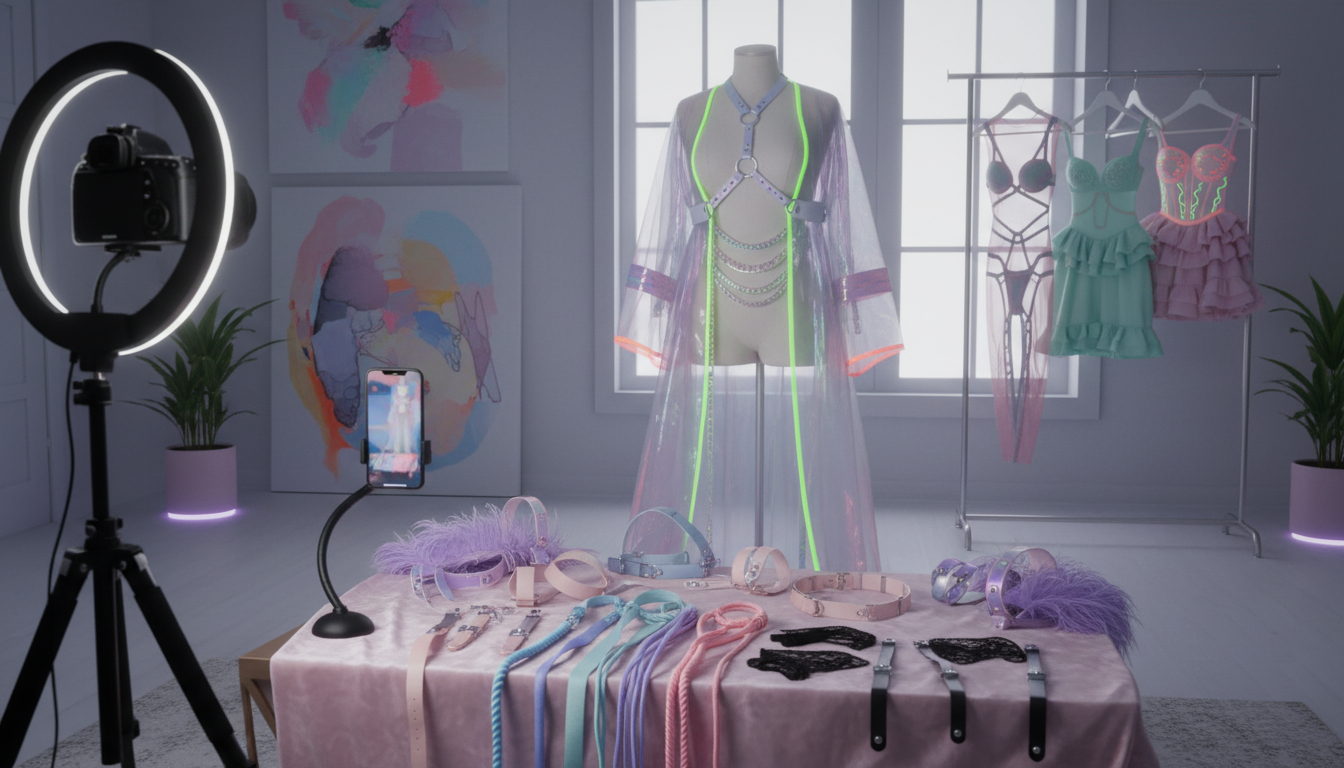
Sourcing Props and Costumes for Bondage Shoots
Sourcing Props and Costumes for Bondage Shoots: A Professional Guide
Building a versatile collection of props and costumes is essential for bondage models seeking to expand their portfolio and attract diverse clientele. This comprehensive guide provides practical strategies for sourcing bondage props and costumes, from budget-friendly options to premium custom gear. Whether you're just starting your modeling career or looking to upgrade your equipment, understanding where and how to acquire quality items will enhance your professional offerings and creative possibilities.
Prerequisites: What You Need Before Shopping
Before diving into fetishwear shopping, assess your current needs and resources:
- Portfolio Analysis: Review your existing work to identify gaps in your costume and prop collection
- Budget Planning: Allocate 15-25% of modeling income toward equipment acquisition
- Storage Considerations: Ensure adequate space for proper storage and maintenance
- Client Demographics: Understand your target audience's preferences and commonly requested items
- Safety Knowledge: Familiarize yourself with safe material standards and equipment inspection protocols
Understanding Prop and Costume Categories
Essential Equipment Categories
Successful bondage models typically maintain collections across multiple categories:
- Restraints: Rope, cuffs, straps, chains, and specialty restraint systems
- Costumes: Latex, leather, lingerie, uniforms, and thematic outfits
- Accessories: Collars, gags, blindfolds, and decorative elements
- Scene Props: Furniture pieces, backgrounds, and atmospheric elements
- Safety Equipment: Scissors, first aid supplies, and communication devices
Where to Source Quality Bondage Props and Costumes
Online Retailers and Marketplaces
The digital marketplace offers extensive options for acquiring equipment:
Specialized Fetish Retailers Established online stores specializing in BDSM equipment provide quality-vetted products with detailed specifications. These retailers often offer educational resources and customer support for proper use.
Custom Gear Manufacturers For unique props that distinguish your portfolio, working with artisans who create custom gear ensures one-of-a-kind pieces. Custom orders typically require 4-8 weeks lead time but result in perfectly fitted, personalized items that enhance your professional brand.
General E-Commerce Platforms Larger marketplaces offer competitive pricing but require careful vetting of sellers and products. Always check reviews, material specifications, and return policies before purchasing.
Physical Shopping Locations
| Venue Type | Advantages | Considerations | Best For |
|---|---|---|---|
| Specialty Boutiques | Expert staff, quality assurance, try-before-buy | Higher prices, limited locations | Custom-fitted items, luxury pieces |
| Adult Stores | Immediate availability, variety | Variable quality, limited selection | Emergency needs, basic items |
| Fashion Districts | Unique finds, adaptable pieces | Requires modification knowledge | Base costumes, accessories |
| Conventions & Expos | Exclusive items, networking | Travel costs, annual events | Rare props, industry connections |
| Thrift Stores | Budget-friendly, creative options | Time-intensive, inconsistent | DIY projects, vintage aesthetics |
Strategic Shopping: A Step-by-Step Approach
Follow this systematic approach for building your collection efficiently:
- Create an Inventory List: Document all current props and costumes with conditions noted
- Prioritize Acquisitions: Rank items by versatility, client demand, and portfolio gaps
- Research Suppliers: Compare at least three vendors for each priority item, noting prices and reviews
- Set Quality Standards: Establish minimum material and construction requirements for safety
- Start with Versatile Pieces: Invest in neutral colors and classic styles that work across multiple themes
- Build Specialty Collections: Gradually add niche items that differentiate your services
- Maintain Maintenance Schedules: Clean and inspect equipment after each use, replacing worn items promptly
- Track ROI: Monitor which props and costumes generate the most bookings and client interest
Budget-Conscious Strategies for Quality Acquisitions
Smart Shopping Tactics
- Seasonal Sales: Major retailers offer 30-50% discounts during Black Friday, inventory clearances, and convention seasons
- Bundle Purchases: Many suppliers provide package deals that reduce per-item costs
- Second-Hand Markets: Established models occasionally sell well-maintained equipment through community forums
- DIY Modifications: Purchase base items and customize with hardware store materials for unique props at lower costs
- Trade Arrangements: Exchange modeling services with prop makers for custom gear
Material Safety and Quality Assessment
When evaluating potential purchases, examine these critical factors:
- Material Composition: Verify hypoallergenic, body-safe materials with appropriate certifications
- Construction Quality: Check seams, stitching, hardware durability, and weight limits
- Maintenance Requirements: Understand cleaning methods and longevity expectations
- Adjustability: Prefer items with multiple size settings for versatility across shoots
- Quick Release Features: Prioritize safety mechanisms for restraints and complex costumes
Building Relationships with Suppliers
Establishing professional relationships with vendors yields long-term benefits:
Negotiate Professional Discounts Many suppliers offer ongoing discounts to working models who provide portfolio images featuring their products. Approach vendors with your professional credentials and propose mutually beneficial arrangements.
Join Loyalty Programs Enroll in retailer reward systems that accumulate points toward future purchases or provide early access to new products.
Provide Constructive Feedback When you discover exceptional products or experience issues, communicate with manufacturers. Your professional insights can influence product improvements and build rapport.
Common Challenges and Solutions
Challenge 1: Sizing Inconsistencies
Solution: Always check detailed size charts, read customer reviews mentioning fit, and purchase from retailers with flexible return policies for first-time brand purchases.
Challenge 2: Hidden Costs
Solution: Calculate total ownership costs including shipping, taxes, maintenance supplies, and storage solutions before committing to purchases.
Challenge 3: Quality vs. Budget Conflicts
Solution: Implement a tiered purchasing strategy: invest in high-quality essentials that contact skin directly, while accepting lower-cost options for decorative or rarely-used items.
Challenge 4: Overwhelming Options
Solution: Focus initial purchases on neutral, versatile pieces in black and red. Build specialty collections only after establishing your core offering and understanding client preferences.
Maintaining and Organizing Your Collection
Proper care extends equipment lifespan and ensures safety:
- Cleaning Protocols: Establish material-specific cleaning routines after every shoot
- Storage Systems: Use labeled containers protecting items from moisture, light, and temperature extremes
- Inspection Schedule: Weekly checks for wear, damage, or material degradation
- Rotation Strategy: Use equipment evenly to prevent overuse of favorite pieces
- Documentation: Photograph items for insurance purposes and track purchase dates for warranty claims
Frequently Asked Questions
Q: How much should I budget initially for props and costumes as a new bondage model?
A: Start with $300-$500 for essential basics including versatile restraints, a quality black latex or leather outfit, basic accessories, and safety equipment. This foundation covers most entry-level shoots while you assess which specialty items your target market requests most frequently. Plan to reinvest 15-20% of your modeling income into expanding your collection during your first year.
Q: Are expensive custom gear pieces worth the investment for building my portfolio?
A: Custom gear provides significant portfolio differentiation once you've established your modeling niche and identified consistent client demands. Invest in custom pieces after six months of regular bookings when you understand which themes generate the most interest. One signature custom piece can justify its cost by attracting premium clients seeking unique aesthetics that mass-produced items cannot provide.
Q: How can I verify that props and costumes are body-safe before purchasing?
A: Look for products explicitly labeled as body-safe with certifications from recognized testing organizations. Research material compositions—medical-grade silicone, genuine leather, and natural rubber are generally safe, while certain plastics and synthetic materials may contain harmful chemicals. Purchase from reputable retailers who provide detailed material information and avoid suspiciously cheap items that may use substandard materials. When uncertain, start with limited skin contact and monitor for reactions.
Q: What are the most versatile props that work across multiple bondage shoot themes?
A: Black rope (both hemp and synthetic), leather cuffs with D-rings, simple metal chains, and neutral-colored restraints work across nearly all themes from artistic to editorial. For costumes, invest in a well-fitted black bodysuit, classic leather harness, and quality black lingerie set. These items photograph well in various lighting conditions and complement diverse styling approaches without limiting creative direction.
Q: How often should I replace props and costumes in my working collection?
A: Replace restraints and items contacting skin immediately upon noticing wear, fraying, or structural weakness—safety always takes priority over economics. Costumes typically last 30-50 uses with proper care before showing photographic wear. Establish a quarterly review process examining all equipment for damage, and budget for replacing approximately 20% of your collection annually due to wear and evolving client preferences for fresh aesthetics.
Conclusion and Next Steps
Building a comprehensive collection of props and costumes is an ongoing investment in your bondage modeling career. Start with essential, versatile pieces from reputable suppliers, prioritizing safety and quality over quantity. As you establish your professional identity and understand client preferences, gradually expand into specialty items and custom gear that distinguish your portfolio.
Your next steps should include creating a detailed acquisition plan with prioritized items, researching three suppliers for each category, and setting up a dedicated equipment budget. Join online communities where experienced models share supplier recommendations, and attend industry events where you can examine products firsthand. Remember that your prop and costume collection directly reflects your professionalism and creative range—invest thoughtfully, maintain diligently, and watch how quality equipment enhances both your portfolio and booking potential.