
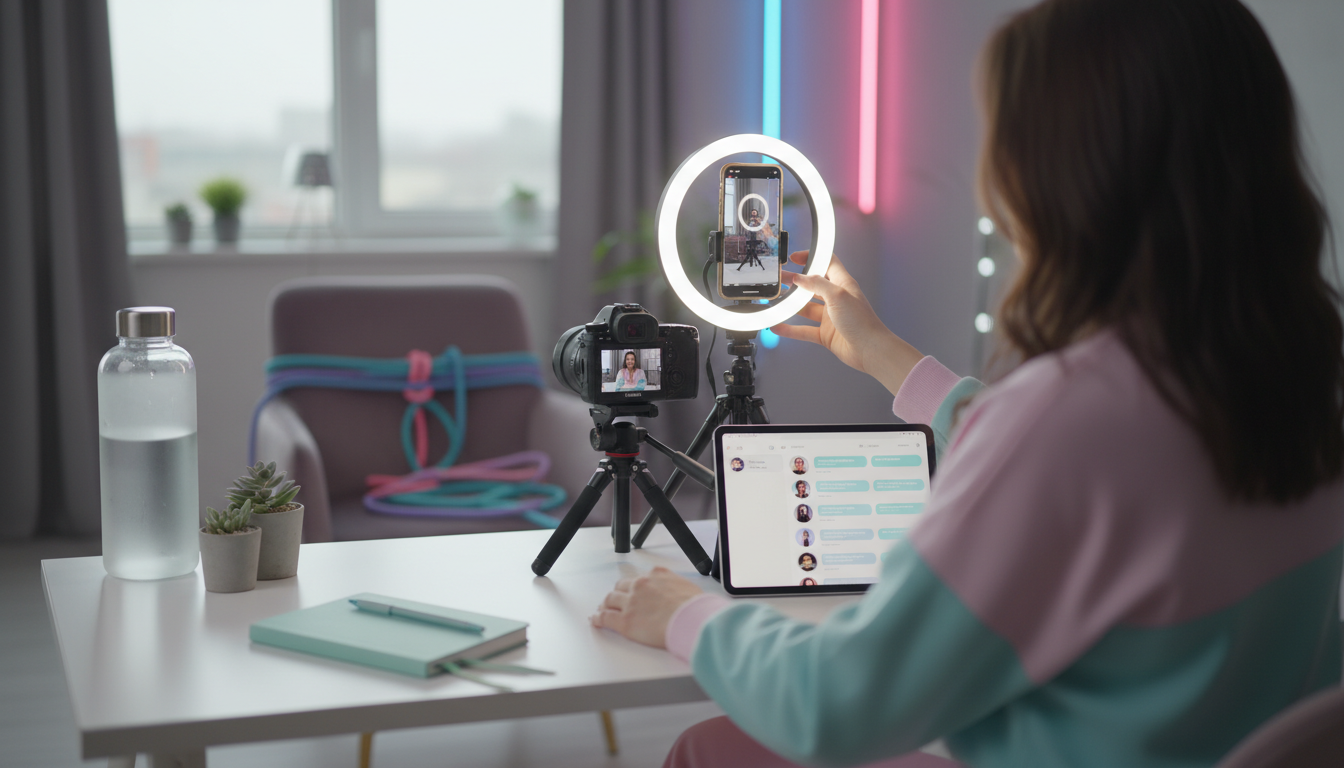
Selecting Safe Partners for Bondage Content
Selecting Safe Partners for Bondage Content: A Comprehensive Safety Guide
Whether you're an aspiring bondage model entering the industry or an experienced professional expanding your network, selecting safe partners for bondage content creation is the single most critical decision affecting your career, safety, and wellbeing. This comprehensive guide provides actionable strategies for partner vetting, building trust with collaborators, and establishing professional collaboration standards that protect your physical safety, reputation, and creative vision.
Prerequisites for Partner Selection
Before beginning your search for content partners, ensure you have:
- A clear understanding of your personal boundaries and limits
- Basic knowledge of bondage safety practices and risk awareness
- Established emergency protocols and a safety contact system
- Professional contracts or model release templates
- A portfolio or clear vision of the content you want to create
- Access to community resources and references within the bondage industry
Understanding the Types of Content Partners
Primary Partner Categories
Bondage content creation involves collaboration with various professionals, each requiring different vetting approaches:
- Photographers and Videographers: Visual content creators who direct and capture bondage scenes
- Riggers and Rope Artists: Technical specialists who create and execute bondage techniques
- Producers and Studio Owners: Business professionals managing content production and distribution
- Co-Models and Scene Partners: Fellow performers appearing in collaborative content
- Directors and Creative Leads: Professionals guiding artistic vision and scene development
The Essential Partner Vetting Process
Step-by-Step Verification Protocol
-
Initial Research Phase: Search the potential partner's name across social media platforms, professional websites, and industry forums to verify their established presence and reputation.
-
Reference Collection: Request at least three references from models who have worked with them previously, specifically asking about safety practices, professionalism, and contract adherence.
-
Portfolio Review: Examine their previous work to assess technical skill, safety awareness (visible in rigging quality and model condition), and content style alignment with your goals.
-
Video Interview: Conduct a face-to-face video call to discuss boundaries, expectations, safety protocols, and creative vision before any in-person meeting.
-
Public First Meeting: Meet initially in a public location to establish rapport and verify identity before discussing detailed scene planning.
-
Contract Negotiation: Review and negotiate written agreements covering content usage, compensation, safety requirements, and termination conditions.
-
Safety Plan Development: Collaboratively create a detailed safety plan including safe words, emergency procedures, and check-in protocols.
-
Gradual Trust Building: Start with simpler, lower-risk content before progressing to more complex or vulnerable scenes.
Partner Vetting Comparison: Red Flags vs. Green Flags
| Assessment Area | Red Flags (Avoid) | Green Flags (Positive Signs) |
|---|---|---|
| Communication | Pressures quick decisions; dismisses questions; vague about details | Answers thoroughly; welcomes questions; provides detailed information |
| References | Refuses to provide references; deflects inquiries | Readily provides multiple verifiable references |
| Boundaries | Pushes limits; dismisses concerns; resistant to safe words | Respects boundaries; discusses limits extensively; emphasizes safety |
| Contracts | Avoids written agreements; unclear terms; one-sided benefits | Provides clear contracts; negotiates fairly; protects both parties |
| Portfolio | Limited verifiable work; inconsistent quality; concerning safety practices | Extensive portfolio; consistent quality; visible safety consciousness |
| Professionalism | Unpredictable schedule; poor communication; mixing personal/professional | Reliable; professional boundaries; consistent communication |
| Reputation | Negative community feedback; unverifiable identity; frequent partner changes | Positive community standing; established identity; long-term partnerships |
Building Trust Through Professional Collaboration
Essential Trust-Building Practices
- Transparency in All Communications: Share your experience level, concerns, and expectations honestly from the first interaction
- Documented Agreements: Put all arrangements in writing, including creative decisions, safety protocols, and business terms
- Graduated Exposure: Begin with test shoots or simpler scenes to assess compatibility before complex productions
- Regular Check-Ins: Establish communication protocols for before, during, and after shoots to address concerns promptly
- Community Integration: Work with partners who are active, respected members of the bondage modeling community
- Mutual Respect: Ensure the relationship demonstrates equal respect for both parties' expertise, boundaries, and contributions
Safety Infrastructure Requirements
All bondage content partners must demonstrate:
- Current first aid and CPR certification
- Appropriate liability insurance for their role
- Emergency equipment readily available (safety shears, communication devices)
- Clear protocols for medical emergencies
- Understanding of risk-aware consensual practices
- Commitment to ongoing safety education
Common Challenges and Solutions
Challenge: Pressure to Work Without References
Solution: Stand firm on your vetting requirements. Professional partners understand and respect thorough verification. If someone pressures you to skip safety steps, this is itself a major red flag indicating they're not a safe choice.
Challenge: Conflicting Information from References
Solution: Dig deeper with specific questions. Ask references about particular safety practices, communication style, and contract adherence. Look for patterns across multiple sources and trust your instincts if something feels inconsistent.
Challenge: Geographic Limitations
Solution: For remote locations with limited local partners, expand your search radius but increase vetting thoroughness. Consider traveling to established studios in larger markets initially to build your network and gain references.
Challenge: Distinguishing Legitimate Critique from Manipulation
Solution: Professional feedback focuses on specific, actionable improvements and respects your agency. Manipulation involves undermining confidence, isolating you from resources, or making acceptance contingent on boundary violations.
Platform-Specific Partner Considerations
Studio vs. Independent Collaboration
Established Studios offer:
- Built-in safety infrastructure and staff
- Established reputation and references
- Professional equipment and locations
- Standardized contracts and procedures
- Multiple witnesses present during shoots
Independent Collaborators require:
- More extensive personal vetting
- Self-negotiated safety protocols
- Private location considerations
- Individual reputation verification
- Potentially greater creative control
Legal and Contractual Protections
Essential Contract Elements
Every partnership agreement should explicitly address:
- Content ownership and usage rights
- Compensation structure and payment schedule
- Model release scope and limitations
- Safety requirements and emergency protocols
- Termination conditions and notice requirements
- Confidentiality and non-disclosure provisions
- Dispute resolution procedures
Frequently Asked Questions
Q: How many references should I require before working with a new partner?
A: Request at least three references from models who have worked with the partner within the past year. Contact all references directly rather than accepting written testimonials alone, and ask specific questions about safety practices, professionalism, and contract adherence. If a potential partner cannot provide adequate references, consider this a serious red flag regardless of their other credentials.
Q: Is it appropriate to request a paid test shoot before committing to a larger project?
A: Absolutely. Professional partners understand that trust building requires time and graduated exposure. A paid test shoot or simple initial collaboration allows both parties to assess compatibility, communication style, and safety practices before committing to more complex or vulnerable scenes. Any partner who refuses this reasonable request may not prioritize your comfort and safety.
Q: What should I do if I discover negative information about a partner after beginning work?
A: Immediately pause the collaboration and investigate thoroughly. Contact the sources of negative information directly, discuss concerns with trusted community members, and reassess whether continuing is safe. Professional contracts should include termination clauses allowing either party to end the relationship if circumstances change. Your safety always takes precedence over completing a project.
Q: How can I verify that someone's portfolio genuinely represents their work?
A: Request that potential partners provide verifiable links to published content on recognized platforms, contact information for models appearing in portfolio pieces, and documentation of when and where content was created. Reverse image search can identify stolen portfolio content. Professional photographers and riggers maintain organized portfolios with consistent quality and can discuss specific technical and creative decisions behind their work.
Q: Should I work with partners who want to keep collaborations confidential?
A: Legitimate reasons for confidentiality exist, such as protecting models who work under pseudonyms or managing exclusive content agreements. However, a partner who insists you cannot tell anyone about working together, cannot check their references, or must hide the collaboration from the community is demonstrating controlling behavior that poses serious safety risks. Transparency with your safety contacts about who you're working with should never be restricted.
Conclusion and Next Steps
Selecting safe partners for bondage content creation requires systematic partner vetting, commitment to trust building, and establishment of professional collaboration standards. By implementing thorough verification protocols, insisting on clear contractual protections, and trusting your instincts about potential partners, you create the foundation for a safe, successful, and creatively fulfilling career in bondage modeling.
Recommended Next Steps:
- Create your personal partner vetting checklist incorporating all elements from this guide
- Join professional bondage modeling communities to access reference networks
- Develop your standard contract template with legal consultation
- Establish your safety contact system and emergency protocols
- Begin networking with established studios and professionals who demonstrate strong safety cultures
Remember: professional partners will respect and appreciate your thorough approach to safety and vetting. Anyone who pressures you to skip these essential steps has disqualified themselves from consideration, regardless of their apparent credentials or opportunities offered.