
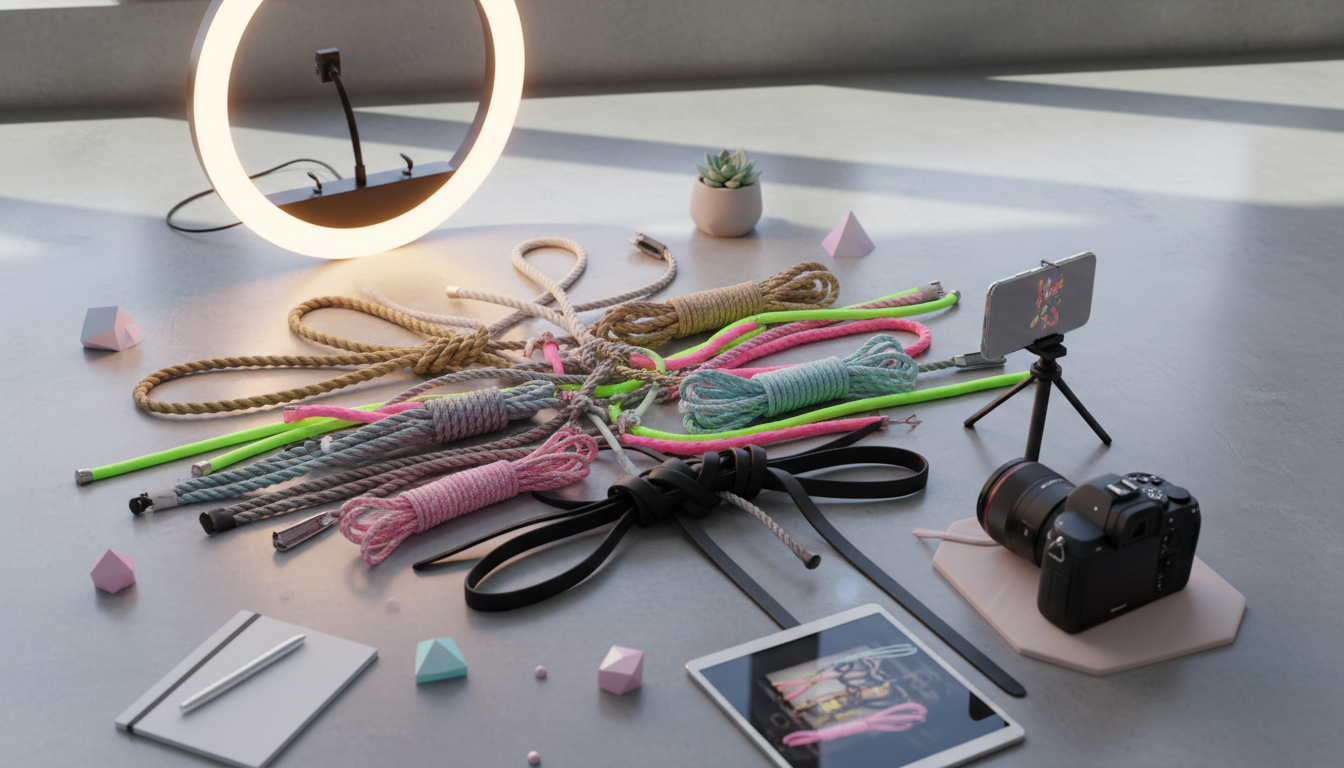
Choosing the Best Rope Materials for Bondage
Choosing the Best Rope Materials for Bondage
Selecting the right bondage rope material is crucial for both safety and enjoyment in rope bondage practices. Whether you're a beginner exploring shibari or an experienced practitioner refining your toolkit, understanding the characteristics, advantages, and limitations of different rope materials will help you make informed decisions. This comprehensive guide examines the most popular rope materials used in bondage, comparing their properties, maintenance requirements, and ideal applications to help you choose the best rope for shibari and other bondage styles.
Prerequisites
Before selecting bondage rope material, you should have:
- Basic understanding of rope bondage safety principles
- Knowledge of consent and communication protocols
- Familiarity with basic knot terminology
- Access to safety shears or EMT scissors for emergency release
- Understanding of your partner's physical limitations and any material allergies
Understanding Natural Fiber Ropes
Natural fiber ropes remain the gold standard for traditional shibari and artistic rope bondage. These materials offer superior friction, beautiful aesthetics, and a traditional feel that synthetic alternatives struggle to replicate.
Hemp Rope: The Professional's Choice
Hemp rope stands as one of the most popular choices among experienced practitioners. This natural fiber offers exceptional grip and holds knots securely without excessive tightening. Hemp develops a softer texture with use while maintaining its structural integrity, making it ideal for extended bondage sessions.
The material's natural oils provide some moisture resistance, and hemp rope typically requires less breaking-in time compared to jute. When properly conditioned, hemp becomes supple yet maintains the friction necessary for secure ties. Most practitioners find 6mm diameter hemp ideal for body harnesses and suspension work.
Jute Rope: Traditional Shibari Material
When comparing hemp vs jute rope, jute represents the traditional choice for Japanese shibari. This lighter-weight natural fiber offers excellent friction and a distinctive texture that many practitioners prefer. Jute rope typically feels rougher initially but can be conditioned to a softer finish through proper treatment.
Jute absorbs moisture more readily than hemp, which affects its handling characteristics during use. This material excels in creating precise, artistic ties and photographs beautifully due to its natural golden color. However, jute requires more careful maintenance and breaks down faster than hemp with regular use.
Cotton Rope: The Beginner-Friendly Option
Cotton rope provides an accessible entry point for newcomers to rope bondage. Soft, affordable, and widely available, cotton requires minimal breaking-in and feels comfortable against skin. However, cotton stretches significantly under tension, making it unsuitable for suspension bondage or ties requiring precise tension control.
Synthetic Rope Materials
Synthetic ropes offer durability, easy maintenance, and specific performance characteristics that suit certain bondage applications.
Nylon Rope
Nylon provides exceptional strength and durability with minimal maintenance requirements. This synthetic material resists moisture, mildew, and most chemicals, making it easy to clean and sanitize. However, nylon's low friction means knots can slip unexpectedly, creating safety concerns for complex ties.
MFP (Polypropylene) Rope
Multi-filament polypropylene offers a middle ground between natural and synthetic options. MFP rope provides better friction than nylon while maintaining easy-care synthetic properties. Many practitioners use MFP for practice sessions or situations where ropes may get wet.
Comprehensive Rope Material Comparison
| Material | Friction | Durability | Maintenance | Best Use | Price Range | Breaking-In Time |
|---|---|---|---|---|---|---|
| Hemp | High | Excellent | Moderate | Suspension, body harnesses | $$$ | 2-4 weeks |
| Jute | Very High | Good | High | Artistic ties, photography | $$ | 4-6 weeks |
| Cotton | Medium | Fair | Low | Beginner practice, decorative | $ | Minimal |
| Nylon | Low | Excellent | Very Low | Utility ties only | $$ | None |
| MFP | Medium | Very Good | Low | Practice, outdoor use | $ | Minimal |
| Silk | Low | Fair | High | Sensation play, decorative | $$$$ | Minimal |
Step-by-Step Process for Selecting Your Bondage Rope Material
-
Assess Your Experience Level: Beginners should start with cotton or properly conditioned hemp, while experienced practitioners can work with any material suited to their style.
-
Define Your Primary Use: Determine whether you'll focus on floor work, suspension, artistic photography, or casual exploration to narrow material choices.
-
Consider Your Partner's Needs: Evaluate skin sensitivity, material allergies, and comfort preferences before purchasing rope.
-
Evaluate Maintenance Commitment: Natural fibers require ongoing care including conditioning, proper storage, and occasional re-treatment with oils or wax.
-
Calculate Your Budget: Quality bondage rope represents an investment; plan to spend $50-150 for a basic starter set of natural fiber rope.
-
Test Sample Lengths: Purchase 10-30 foot samples of different materials before investing in a complete rope kit.
-
Learn Proper Conditioning Techniques: Master breaking-in and maintenance procedures specific to your chosen material before extensive use.
Essential Features to Consider
When evaluating bondage rope material options, prioritize these critical characteristics:
- Friction coefficient: Higher friction prevents dangerous slippage but may cause rope burn
- Diameter consistency: Quality rope maintains uniform thickness throughout its length
- Tensile strength: Especially critical for suspension bondage (minimum 500 lbs breaking strength)
- Texture: Consider both aesthetic appeal and comfort against skin
- Flexibility: Rope should bend smoothly without kinking or developing memory
- Availability: Choose materials you can readily replace or expand your collection
- Colorfastness: Dyed ropes should not bleed color onto skin or other materials
- Hypoallergenic properties: Natural fibers may trigger allergies in sensitive individuals
Common Challenges and Solutions
Challenge: Rope Feels Too Stiff or Scratchy
Solution: Natural fiber ropes require proper conditioning. For hemp, apply a thin coat of jojoba oil, work it through the fibers, then hang to dry. For jute, use a flame treatment followed by light wax application. Break in ropes through repeated flexing and practice sessions before using them on a partner.
Challenge: Knots Keep Slipping
Solution: This typically indicates insufficient friction, common with nylon or poorly conditioned natural fibers. Switch to higher-friction materials like properly treated jute or hemp. Ensure ropes are dry, as moisture significantly reduces friction in all materials.
Challenge: Partner Experiences Skin Irritation
Solution: Some individuals react to natural fiber ropes or their conditioning treatments. Try switching materials or using different conditioning products. Cotton or well-conditioned hemp typically causes fewer reactions. Always perform a skin patch test with new rope against your partner's inner wrist before full bondage sessions.
Challenge: Rope Develops Mildew or Odor
Solution: Store ropes in a cool, dry location with adequate air circulation. Never store damp ropes. After use, hang ropes to air dry completely before coiling for storage. Natural fiber ropes benefit from occasional sunlight exposure to prevent mildew growth.
Maintenance Requirements by Material Type
Proper maintenance extends rope lifespan and ensures continued safety:
Natural Fibers (Hemp/Jute):
- Condition every 20-30 uses with appropriate oils or wax
- Hand wash gently when necessary using mild soap
- Air dry completely before storage
- Store in breathable bags away from moisture
- Inspect regularly for fraying or weak spots
Synthetic Materials:
- Machine wash in mesh bags on gentle cycle
- Tumble dry on low heat or air dry
- No conditioning required
- Store loosely coiled in dry location
- Replace when showing signs of wear
Making Your Final Decision
The best rope for shibari and bondage ultimately depends on your specific needs, preferences, and intended applications. For traditional shibari and artistic rope work, invest in quality jute or hemp rope from reputable suppliers specializing in bondage equipment. When comparing hemp vs jute rope for suspension, hemp generally offers superior durability and requires less maintenance.
Beginners benefit from starting with cotton to learn basic techniques before investing in premium natural fibers. As you develop skills and preferences, expand your collection to include multiple materials for different applications. Most experienced practitioners maintain separate rope sets for floor work, suspension, and photography.
Frequently Asked Questions
Q: What's the most important difference between hemp vs jute rope for beginners?
A: Hemp rope offers better durability and requires less maintenance, making it more forgiving for beginners despite higher initial cost. Jute provides more traditional shibari aesthetics and friction but demands more careful conditioning and handling. Beginners often find hemp easier to work with while learning, then add jute to their collection as they develop proper rope care skills.
Q: Can I use hardware store rope for bondage?
A: Standard hardware store rope is not recommended for body bondage. These ropes contain industrial treatments, sizing chemicals, and may have inconsistent quality that creates safety risks. Purpose-made bondage rope undergoes specific processing to ensure appropriate texture, strength, and safety for skin contact. The modest additional investment in proper bondage rope material significantly improves both safety and experience.
Q: How much rope do I need to get started?
A: A basic starter kit should include four pieces of 25-30 foot rope in your chosen material. This allows for simple body harnesses and ties while you develop skills. As you progress, expand to 6-8 pieces for more complex patterns. Experienced practitioners often maintain 15-20 pieces of various lengths. Always purchase from the same dye lot to ensure color consistency.
Q: How do I know when rope needs to be replaced?
A: Replace bondage rope when you observe: visible fraying or fuzzing that doesn't smooth with conditioning, significant thinning in high-stress areas, inconsistent diameter, unusual stiffness or brittleness, or any damage to the rope's core structure. Natural fiber ropes typically last 1-3 years with regular use and proper maintenance, while synthetic ropes may last longer. Never use rope for suspension if you have any doubts about its integrity.
Q: Does rope diameter matter for bondage safety?
A: Absolutely. Rope diameter directly affects pressure distribution and safety. For body bondage, 6mm (1/4 inch) diameter is standard and provides good balance between handling and pressure distribution. Thinner ropes (4-5mm) concentrate pressure and increase injury risk but work well for decorative elements. Thicker ropes (8mm+) distribute pressure better but are bulkier and harder to work with. Never use rope thinner than 4mm for weight-bearing applications.
Conclusion and Next Steps
Selecting appropriate bondage rope material represents a critical decision that affects safety, comfort, and your overall rope bondage experience. Natural fibers like hemp and jute remain the preferred choice for serious practitioners, offering superior friction, beautiful aesthetics, and traditional handling characteristics. Synthetic options provide maintenance advantages and specific performance benefits for certain applications.
Start by purchasing sample lengths of both hemp and jute rope to determine which best suits your needs and preferences. Invest time in learning proper conditioning and maintenance techniques for your chosen material. As you develop your rope bondage skills, consider expanding your collection to include multiple materials for different applications and partners.
Prioritize quality over quantity—a few pieces of excellent rope will serve you better than a large collection of inferior materials. Connect with experienced practitioners in your local rope bondage community to learn hands-on conditioning techniques and gain practical insights about different materials. Most importantly, always prioritize safety, consent, and communication regardless of which bondage rope material you choose.