
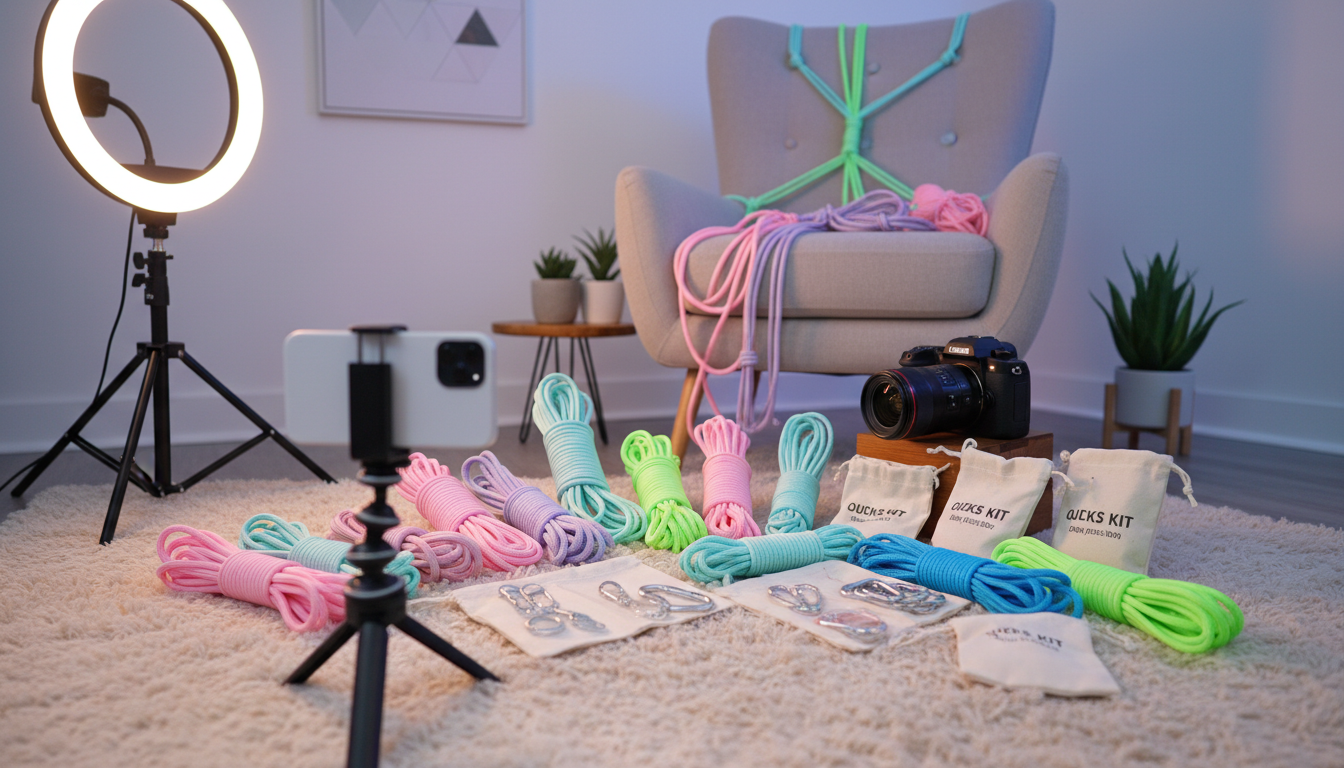
Top Rope Bondage Kits for Beginners
Top Rope Bondage Kits for Beginners
Choosing your first rope bondage kit is an exciting step into the world of shibari and artistic rope work. This comprehensive guide will help beginners navigate the essential features, safety considerations, and quality markers when selecting a bondage rope set. Whether you're interested in the traditional Japanese art of shibari or modern Western rope bondage styles, understanding what makes a quality rope bondage kit is crucial for both safety and enjoyment. This guide is designed for newcomers who want to explore rope bondage responsibly, with emphasis on consent, communication, and proper technique.
Prerequisites for Starting Rope Bondage
Before investing in your first shibari kit, ensure you have:
- A willing, consenting partner who has discussed boundaries and interests
- Basic understanding of safety protocols including emergency release procedures
- Knowledge of anatomy and nerve locations to avoid injury
- A safe practice space with adequate room for movement
- Safety scissors or EMT shears readily accessible at all times
- Agreement on safe words or non-verbal signals for communication
What to Look for in a Rope Bondage Kit
Material Composition
The material of your bondage rope set significantly impacts comfort, durability, and ease of use. Natural fibers like jute and hemp are traditional choices in shibari kits, offering excellent grip and aesthetic appeal. Cotton rope provides softness and accessibility for sensitive skin, while synthetic materials like nylon offer low maintenance and consistent texture. Beginners often start with cotton or treated jute for optimal balance between handling and comfort.
Rope Length and Diameter
Standard rope bondage kits typically include multiple rope lengths to accommodate different ties. Most beginners benefit from ropes in 15-30 foot lengths, with 6-8mm diameter being the most versatile size. Thinner ropes (4-6mm) allow for intricate patterns but require more skill, while thicker ropes (8-10mm) distribute pressure better and are easier to grip during learning.
Kit Components
Quality starter kits include more than just rope. Look for packages that provide instructional materials, whether through booklets, QR codes linking to video tutorials, or online course access. Some comprehensive sets also include practice tools, storage bags, and maintenance supplies.
Top Rope Bondage Kit Comparison
| Kit Name | Material | Rope Lengths Included | Diameter | Price Range | Best For |
|---|---|---|---|---|---|
| Essential Shibari Starter | Jute | 4x30ft, 2x15ft | 6mm | $60-80 | Traditional shibari learners |
| Luxury Cotton Complete | Cotton | 6x25ft, 4x10ft | 8mm | $45-65 | Beginners with sensitive skin |
| Modern Fusion Set | Hemp/Cotton Blend | 4x30ft, 4x15ft | 7mm | $70-90 | Versatile practice styles |
| Budget Friendly Basics | Synthetic Nylon | 4x25ft | 8mm | $30-45 | Cost-conscious beginners |
| Premium Traditional Kit | Treated Jute | 6x30ft, 2x15ft, 2x10ft | 6mm | $95-120 | Serious shibari students |
Top 5 Recommended Kits for Beginners
-
Essential Shibari Starter Kit - Offers authentic Japanese jute rope pre-treated for softness, includes comprehensive beginner guide with 15 fundamental ties, and provides excellent grip for learning proper tension control
-
Luxury Cotton Complete Set - Features machine-washable cotton rope ideal for extended practice sessions, comes with anatomy safety guide highlighting nerve locations, and includes color-coded ropes for following instructional videos
-
Modern Fusion Set - Combines hemp strength with cotton comfort in a unique blend, provides lifetime access to online video library with 50+ tutorials, and includes rope maintenance kit for longevity
-
Budget Friendly Basics - Delivers quality synthetic rope at accessible pricing, features quick-dry material perfect for regular practice, and includes printed quick-reference card for basic ties
-
Premium Traditional Kit - Contains professionally treated authentic jute from Japanese suppliers, includes advanced instructional booklet covering suspension preparation, and provides multiple length options for progressing skills
Essential Features of Quality Kits
When evaluating any bondage rope set, prioritize these critical features:
- Pre-treated and finished ends: Rope ends should be sealed or whipped to prevent fraying and ensure smooth handling during tying
- Consistent diameter: Quality control ensures uniform thickness throughout each rope length for predictable performance
- Break strength rating: Reputable kits specify tensile strength, with beginner ropes typically rated for 400-600 pounds
- Hypoallergenic options: Look for kits that clearly state material processing to avoid allergic reactions
- Instruction quality: Comprehensive guides that emphasize safety alongside technique separate good kits from excellent ones
- Storage solutions: Proper storage prevents tangling and maintains rope condition between sessions
- Return/exchange policy: Quality vendors stand behind their products with reasonable return windows
Common Challenges and Solutions
Challenge: Rope Feels Too Stiff or Scratchy
Solution: Natural fiber ropes require breaking in. Run the rope through your hands repeatedly, practice basic knots, or use the traditional method of running rope through a carabiner under tension. Some practitioners condition jute with light oil treatments. Cotton ropes can be machine washed with fabric softener for increased softness.
Challenge: Difficulty Following Tutorials
Solution: Many beginners struggle matching their rope to tutorial demonstrations. Consider purchasing color-coded rope sets or marking your ropes with tape at key measurement points. Start with single-column ties before progressing to complex patterns, and practice on inanimate objects like chair legs before partnering.
Challenge: Rope Twists and Tangles During Practice
Solution: Proper rope management is a learned skill. After each practice session, carefully untie and re-coil your rope using the butterfly coil or chain sinnet method. Store ropes loosely rather than tightly wound, and always inspect for twists before beginning a tie.
Challenge: Partner Discomfort During Ties
Solution: Communication is paramount. Establish regular check-ins every 2-3 minutes during learning. Many beginners tie too tightly; remember that rope should be snug but never cutting off circulation. Learn to identify the difference between pleasant pressure and dangerous compression. Never leave a bound partner unattended.
Safety Considerations for Your First Kit
Safety transcends equipment quality. Every rope bondage session requires:
- Immediate release tools: Keep EMT shears or safety scissors within arm's reach at all times, never relying solely on untying for emergency release
- Regular circulation checks: Monitor bound areas every few minutes for color changes, temperature differences, or numbness
- Avoiding high-risk areas: Beginners should never place rope around the neck, over joints under tension, or in positions that restrict breathing
- Time limits: Start with sessions under 15-20 minutes while learning, as even comfortable ties can cause nerve damage with extended duration
- Aftercare supplies: Have blankets, water, and first aid supplies available for post-session care
Caring for Your Rope Bondage Kit
Proper maintenance extends the life of your shibari kit and ensures consistent performance:
Natural Fiber Rope Care: Hang jute and hemp rope to air dry after each use. Avoid machine washing unless specifically designed for it. Store in breathable cotton bags rather than plastic. Periodically re-treat with rope conditioner to maintain suppleness. Inspect regularly for weak spots or fraying.
Synthetic Rope Care: Nylon and polyester ropes can typically handle machine washing on gentle cycles. Use mild detergent and air dry to prevent heat damage. These materials resist moisture and mildew better than natural fibers but can become slippery when new.
Storage Best Practices: Coil ropes loosely and store away from direct sunlight, which degrades natural fibers. Keep different materials separate as oils from natural ropes can transfer. Label ropes by length for quick identification during sessions.
Progressing Beyond Beginner Kits
As your skills develop, you'll want to expand your bondage rope set with specialized additions:
- Shorter utility ropes (3-10 feet) for wrist and ankle cuffs
- Longer ropes (40-50 feet) for full body harnesses
- Different diameter options for varying pressure distribution
- Specialty colors for aesthetic photography or performance
- Suspension-rated rope once you've mastered floor work and received proper training
Never attempt suspension bondage without in-person instruction from qualified teachers, regardless of kit quality or online research.
Frequently Asked Questions
Q: How much should I spend on my first rope bondage kit?
A: Expect to invest $45-80 for a quality beginner kit that includes adequate rope, instructions, and safety information. While budget options exist under $40, they often lack proper instructional materials or use lower-quality rope that frustrates learning. Avoid spending over $100 initially, as you'll develop preferences through practice that inform future purchases.
Q: Is natural fiber rope or synthetic better for beginners?
A: Cotton rope (natural) offers the best beginner experience for most people—it's soft, easy to handle, machine washable, and widely available. Treated jute provides authentic shibari experience with excellent grip but requires more maintenance. Synthetic nylon is low-maintenance but can be slippery. Start with cotton unless you have specific interest in traditional Japanese shibari techniques.
Q: How many ropes do I need to start practicing?
A: A minimum starter set should include four 25-30 foot ropes for basic patterns and two 10-15 foot ropes for finishing touches and adjustments. This provides enough material for single-person ties while learning. As you progress to more complex patterns and full-body work, you'll expand to 8-10 ropes in your regular practice kit.
Q: Can I practice rope bondage techniques alone?
A: Yes, and you should! Practice fundamental knots, rope handling, and basic patterns on your own legs, arms, or practice objects before working with a partner. This builds muscle memory and confidence. However, never practice self-bondage in positions you cannot easily escape from, and understand that tying yourself differs significantly from tying another person.
Q: How do I know if a rope bondage kit is safe?
A: Quality kits from reputable vendors include clear safety information, specify rope materials and break strength, and provide proper instruction. Research the seller's reputation in bondage education communities. Avoid kits that lack safety information, use unknown materials, or promise "instant expert results." Safety comes from education and practice, not equipment alone.
Conclusion
Selecting the right rope bondage kit establishes the foundation for your journey into shibari and rope artistry. Prioritize quality materials, comprehensive instruction, and safety features over price alone. Start with versatile options like cotton or treated jute in standard lengths, and focus on mastering fundamental techniques before expanding your collection. Remember that the best bondage rope set is one you'll actually use consistently while prioritizing the safety and comfort of all participants.
Your next steps should include: researching local workshops or qualified instructors for hands-on learning, joining online communities for technique discussions and safety updates, and practicing basic knots and rope handling daily. The art of rope bondage rewards patience, communication, and respect—qualities that matter far more than any kit's price tag. Begin with clear consent, prioritize ongoing education, and approach each session as an opportunity to refine both technical skills and interpersonal connection.