
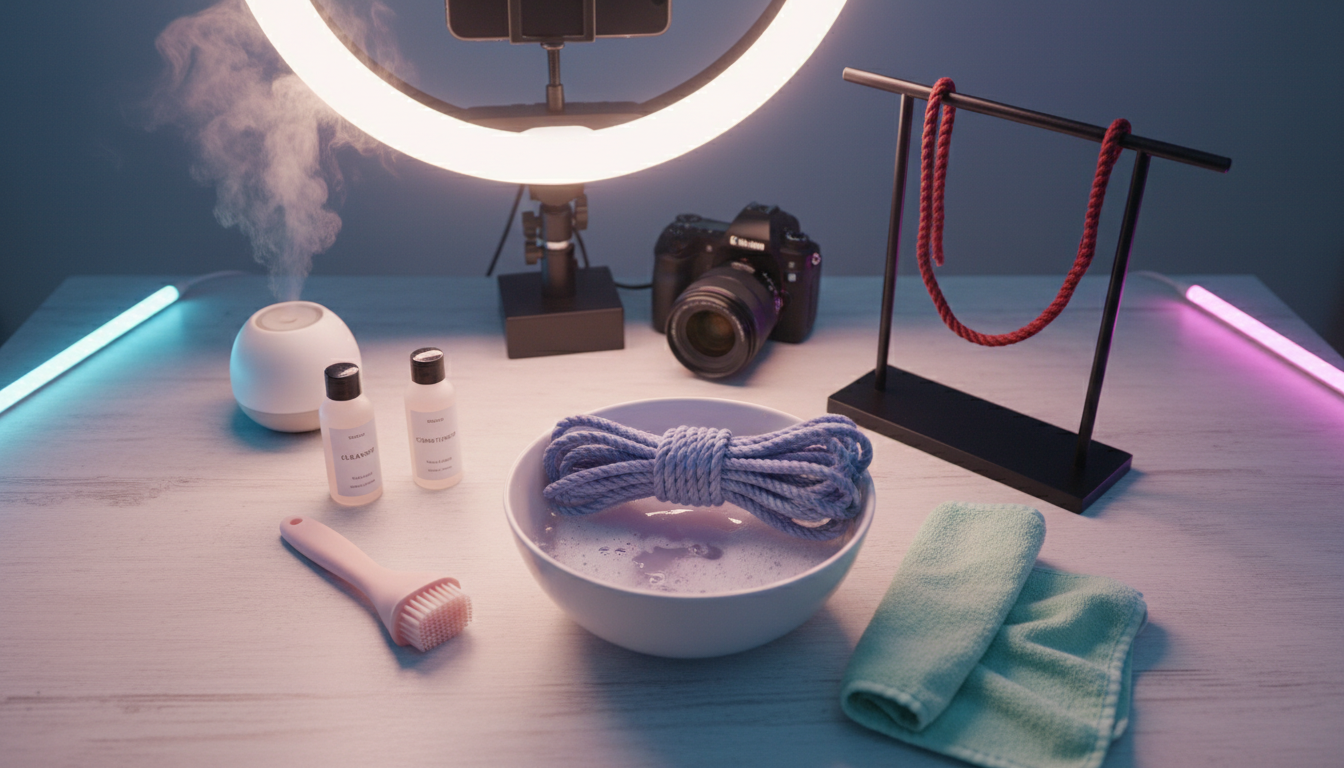
How to Clean and Care for Your Bondage Rope
How to Clean and Care for Your Bondage Rope
Whether you're a beginner exploring rope bondage or an experienced practitioner of shibari, properly maintaining your rope is essential for safety, longevity, and optimal performance. Clean bondage rope not only lasts longer but also feels better against the skin and reduces the risk of infections or skin irritation. This comprehensive guide walks you through everything you need to know about rope maintenance, from cleaning different materials to proper storage techniques. By learning to care for rope properly, you'll protect your investment and ensure every session is safe and enjoyable.
Understanding Your Rope Material
Before you begin maintaining shibari rope, it's crucial to identify what type of material you're working with, as each requires different care methods. Natural fibers like jute, hemp, and cotton have different properties than synthetic materials like nylon or MFP (multi-filament polypropylene).
Material Comparison and Care Requirements
| Rope Material | Washing Method | Drying Time | Conditioning Needed | Durability | Best For |
|---|---|---|---|---|---|
| Jute | Hand wash, cold water | 24-48 hours | Yes (oil treatment) | Medium | Traditional shibari, suspension |
| Hemp | Hand wash, cool water | 48-72 hours | Yes (wax/oil) | High | Heavy bondage, suspension |
| Cotton | Machine washable | 12-24 hours | No | Medium | Beginners, practice |
| Nylon | Machine washable | 6-12 hours | No | Very high | Water play, easy maintenance |
| Bamboo | Hand wash, cold water | 24-36 hours | Minimal | Medium-high | Soft bondage, sensitive skin |
Step-by-Step Guide to Cleaning Your Bondage Rope
Proper cleaning technique is fundamental to maintaining shibari rope effectively. Follow these steps to ensure your rope stays in optimal condition:
-
Remove visible debris: Before washing, shake out the rope and remove any loose particles, lint, or debris by running your hands along the length.
-
Prepare your washing solution: Fill a basin or bathtub with lukewarm water (cold for jute and bamboo). Add a small amount of gentle, fragrance-free soap or specialized rope wash.
-
Submerge and soak: Place your rope in the water, ensuring it's fully submerged. Let natural fiber ropes soak for 15-30 minutes, synthetic ropes for 10-15 minutes.
-
Gentle agitation: Gently work the rope through your hands, allowing the water to penetrate the fibers. Avoid harsh scrubbing or twisting, which can damage the rope structure.
-
Rinse thoroughly: Drain the soapy water and refill with clean water. Rinse multiple times until no soap residue remains—this typically requires 3-4 rinse cycles.
-
Remove excess water: Gently squeeze (don't wring) water from the rope. For synthetic ropes, you can use a towel to absorb moisture. For natural fibers, hang them to drip dry initially.
-
Dry completely: Hang ropes in a well-ventilated area away from direct sunlight or heat sources. Natural fiber ropes must dry completely to prevent mildew.
-
Post-cleaning conditioning: Once dry, natural fiber ropes benefit from conditioning with jojoba oil, coconut oil, or specialized rope conditioner to restore suppleness.
Essential Maintenance Practices for Rope Longevity
Beyond regular cleaning, maintaining your rope requires consistent attention to several key areas:
Daily and Post-Session Care
- Inspect before every use: Check for fraying, weak spots, or damage that could compromise safety during bondage sessions
- Air out after use: Hang rope in open air for at least 24 hours between sessions to prevent moisture buildup and odor
- Remove knots promptly: Leaving knots tied for extended periods can create permanent kinks and weak points in the rope structure
- Wipe down surface: After light use, a simple wipe with a slightly damp cloth can remove body oils and keep rope fresh between deep cleans
- Rotate your collection: Regular rotation prevents overuse of specific ropes, extending the lifespan of your entire collection
Conditioning and Breaking In New Rope
New rope, particularly natural fiber varieties, requires special treatment before it's comfortable and safe for use. This process, often called "breaking in," softens the rope and removes manufacturing residues.
Breaking In Natural Fiber Rope
Natural fiber rope arrives stiff and may contain oils or dust from manufacturing. The breaking-in process typically involves washing 2-3 times, allowing the rope to dry completely between washes. After the final wash and dry, apply a thin coat of conditioner by running the rope through your hands with a small amount of jojoba or coconut oil. Buff away excess with a clean cloth.
For those serious about care for rope, some practitioners use a technique called "flaming" for natural fibers, quickly passing rope through a flame to burn off loose fibers. This requires extreme caution and proper ventilation.
Storage Best Practices
Proper storage is as important as cleaning when maintaining shibari rope. Poor storage can lead to mildew, permanent kinks, or damage that compromises safety.
Optimal Storage Conditions
Environment requirements:
- Cool, dry location with consistent temperature
- Away from direct sunlight, which degrades natural fibers
- Protected from moisture and humidity (below 60% relative humidity)
- Adequate air circulation to prevent musty odors
- Separate from sharp objects or rough surfaces
Storage methods:
- Loosely coiled in bundles of 4-6 inches diameter
- Hung on pegs or hooks (preferred for natural fibers)
- Stored in breathable cotton bags (not plastic)
- Labeled by length and material type for easy identification
Troubleshooting Common Rope Care Challenges
Even with diligent care, you may encounter issues with your bondage rope. Here are solutions to common problems:
Musty or unpleasant odor: This indicates bacterial growth or mildew. Wash immediately with a mild antibacterial soap, ensure thorough drying, and consider treating natural fiber ropes with tea tree oil mixed with carrier oil for antibacterial properties.
Rope feels stiff or scratchy: Natural fiber ropes need reconditioning. Apply a small amount of conditioning oil, work it through the fibers, and buff with a clean cloth. For synthetic rope, this may indicate it's reached the end of its usable life.
Visible fraying or fuzzing: Minor fuzzing on natural fiber rope is normal and can be addressed with careful flaming. Significant fraying means the rope should be retired from use, especially for suspension or load-bearing applications.
Discoloration or dark spots: On natural fibers, this could indicate mildew. Wash thoroughly and dry completely in sunlight (briefly, as prolonged exposure damages fibers). Persistent discoloration may require retirement of the rope.
Rope has lost its grip: Natural fiber ropes can become too smooth with over-conditioning. Wash to remove excess oils and use sparingly on future conditioning applications. The rope should have enough texture to hold knots securely.
When to Retire Your Rope
Safety in bondage depends on knowing when rope has reached the end of its functional life. Retire rope immediately if you notice:
- Significant fraying or broken strands (especially in load-bearing areas)
- Thin spots or areas of obvious weakness
- Persistent musty smell that doesn't resolve with cleaning
- Visible mold or mildew growth
- Rope that has supported a fall or unexpected load
- Any damage that affects structural integrity
For suspension work, consider retiring rope after 1-2 years of regular use, even without visible damage. Surface-level bondage rope can last significantly longer with proper care.
Frequently Asked Questions
Q: How often should I clean bondage rope?
A: The frequency depends on use intensity and exposure to body fluids. Light use (no contact with bodily fluids) requires cleaning every 3-5 sessions. Direct skin contact warrants cleaning every 2-3 uses. Any exposure to bodily fluids requires immediate washing. Additionally, perform deep cleaning every 3-6 months regardless of use frequency.
Q: Can I use regular laundry detergent to clean my rope?
A: Regular detergent is too harsh for most bondage rope, especially natural fibers. Use fragrance-free, gentle soap or specialized rope wash. Standard detergents contain brighteners, fragrances, and enzymes that can degrade fibers, cause skin irritation, and break down the rope structure over time. For synthetic ropes, a mild detergent on gentle cycle may work, but hand washing is always safer.
Q: What's the best oil for conditioning natural fiber rope?
A: Jojoba oil is the gold standard for conditioning natural fiber rope because it closely resembles natural skin oils, doesn't go rancid, and provides excellent conditioning without making rope greasy. Coconut oil (fractionated) is a good alternative, though it can solidify in cool temperatures. Avoid mineral oils, which can degrade fibers, and food-based oils like olive oil, which go rancid and attract bacteria.
Q: How do I remove stubborn stains from rope?
A: For natural fibers, create a paste of baking soda and water, gently work it into the stained area, let sit for 15 minutes, then rinse thoroughly. For synthetic rope, a small amount of oxygen-based cleaner can help. Never use bleach or harsh chemicals. If stains persist, consider dyeing the rope or retiring it from use if the stain indicates contamination.
Q: Is it safe to machine wash bondage rope?
A: Only synthetic ropes like nylon or MFP should go in washing machines, and only on gentle/delicate cycle in a mesh laundry bag. Never machine wash natural fiber ropes (jute, hemp, cotton used for bondage), as the agitation damages fibers, causes excessive shrinkage, and shortens rope life. Machine drying should be avoided for all rope types—always air dry to maintain structural integrity and prevent heat damage.
Conclusion and Next Steps
Proper rope maintenance is a fundamental skill for anyone practicing rope bondage or shibari. By following these cleaning protocols, conditioning techniques, and storage guidelines, you'll extend the life of your rope collection while ensuring every session remains safe and enjoyable. Remember that clean bondage rope isn't just about aesthetics—it's about respecting your practice, protecting your partner's health, and maintaining the integrity of your equipment.
As you develop your rope care routine, consider investing in quality conditioning products, dedicated storage solutions, and backup sets of rope so you always have clean options available. Document your cleaning schedule and inspect your rope regularly. Most importantly, never compromise on safety—when in doubt about a rope's condition, retire it. Your next steps should include establishing a regular maintenance schedule, properly storing your current collection, and committing to the ongoing care that quality rope bondage requires.