
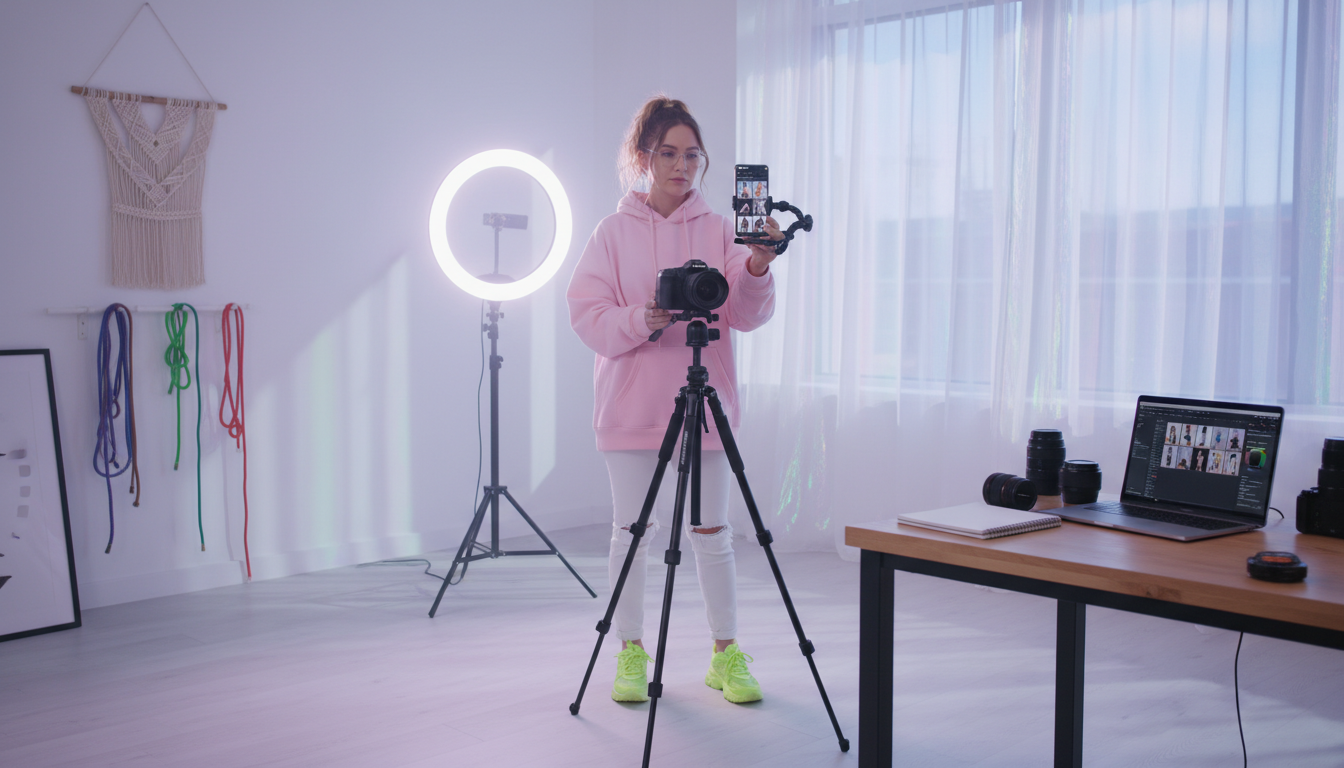
Photographer Perspectives: Shooting Bondage Content
Photographer Perspectives: Shooting Bondage Content
Bondage photography combines technical skill, artistic vision, and ethical responsibility in ways that set it apart from conventional portraiture. This comprehensive guide explores how professional fetish photographers approach their craft, offering insights that benefit both aspiring models and photographers entering this specialized field. Understanding photographer perspectives on bondage will help models collaborate more effectively, anticipate professional expectations, and build successful working relationships in this niche industry.
Prerequisites for Working with Bondage Photographers
Before engaging in bondage photography sessions, models should understand several foundational requirements:
- Valid government-issued identification proving legal age (18+ universally required)
- Clear understanding of personal boundaries and hard limits
- Basic knowledge of bondage safety practices and warning signs
- Professional portfolio or test shots demonstrating comfort level
- Signed model release forms and consent documentation
- Emergency contact information and safety protocols
The Creative Process: How Fetish Photographers Conceptualize Shoots
The creative process for bondage photography begins long before the camera shutter clicks. Professional photographers typically follow a structured approach that prioritizes both artistic vision and model safety.
Pre-Production Planning
Successful bondage shoots require extensive preparation. During an interview with fetish photographers across various experience levels, a consistent theme emerged: communication forms the foundation of every successful session. Photographers invest 2-4 hours in pre-shoot consultations, discussing concepts, reviewing references, and establishing boundaries.
Key pre-production elements include:
- Concept development and mood board creation
- Detailed discussion of bondage techniques and positions
- Wardrobe selection and prop preparation
- Lighting tests and location scouting
- Review of model limits and safe words
- Equipment inspection and safety checks
- Timeline creation with built-in breaks
Lighting and Composition Techniques
Shooting techniques for bondage content differ significantly from mainstream photography. Photographers must balance dramatic lighting that emphasizes rope work or restraints while maintaining the model's comfort and emotional expression.
Photographer Specializations and Approach Comparison
| Photographer Type | Primary Focus | Average Session Duration | Typical Equipment | Post-Processing Style |
|---|---|---|---|---|
| Fine Art Bondage | Artistic expression, gallery-worthy images | 4-6 hours | Medium format cameras, studio lighting | Minimal editing, natural tones |
| Commercial Fetish | Platform-ready content, viewer appeal | 2-3 hours | DSLR, speedlights, multiple lenses | Enhanced colors, moderate retouching |
| Documentary Style | Authentic moments, behind-the-scenes | 3-5 hours | Mirrorless cameras, natural light | Minimal intervention, reportage aesthetic |
| Experimental/Conceptual | Pushing boundaries, artistic innovation | 5-8 hours | Various formats, mixed lighting | Heavy creative editing, artistic effects |
Technical Shooting Techniques for Bondage Photography
Professional fetish photographers employ specific technical approaches that showcase bondage artistry while maintaining model comfort and safety.
Camera Settings and Equipment
Most professionals shoot in manual mode to maintain consistent exposure across sessions. Typical settings include:
- Aperture: f/5.6 to f/8 for sufficient depth of field on rope work
- Shutter speed: 1/125s or faster to freeze subtle movements
- ISO: 400-800 for studio work, higher for ambient lighting
- Focal length: 50-85mm for flattering perspective without distortion
Directing Models During Bondage Sessions
The creative process involves constant communication. Photographers check in every 5-10 minutes during restrained positions, monitoring both physical comfort and emotional state. Direction focuses on natural expression rather than forced poses, allowing the bondage itself to create visual interest.
Building Trust: The Photographer-Model Relationship
Successful bondage photography depends on mutual respect and trust. Interview with fetish photographers consistently reveals that reputation matters more than portfolio size in this industry.
Professional Boundaries and Ethics
- Clear contractual agreements before every shoot
- Separate negotiation of nudity, exposure levels, and distribution rights
- Respect for model autonomy in all decisions
- Transparent discussion of image usage and licensing
- Professional conduct maintained throughout all interactions
Common Challenges and Solutions
Challenge 1: Model Discomfort or Anxiety
Solution: Implement gradual progression into more complex positions. Start with simple poses, allow the model to experience mild restraint first, and build confidence progressively. Always have quick-release mechanisms immediately accessible.
Challenge 2: Technical Difficulties with Rope Work
Solution: Collaborate with experienced riggers or rope artists who can handle technical aspects while the photographer focuses on composition. This specialization ensures both safety and artistic quality.
Challenge 3: Inconsistent Lighting on Complex Bondage Setups
Solution: Use multiple light sources with diffusers to eliminate harsh shadows created by rope or equipment. Test lighting before model is restrained to minimize time in uncomfortable positions.
Challenge 4: Model Circulation Issues
Solution: Limit individual tie durations to 15-20 minutes maximum. Schedule mandatory breaks, provide warm beverages, and monitor extremities for color changes or numbness.
Income and Business Perspectives
Professional bondage photographers typically generate revenue through multiple streams:
- Custom shoot fees: $500-$2,000 per session
- Stock image licensing to fetish platforms
- Print sales and limited edition releases
- Workshop teaching and educational content
- Content creation partnerships with models
Platform Considerations for Bondage Content
Photographers must navigate platform-specific requirements when distributing bondage imagery. Understanding these guidelines helps photographers and models plan shoots that meet commercial viability standards:
- FetLife: Community-focused, accepts explicit bondage content
- OnlyFans: Commercial platform with content restrictions on certain restraint types
- Personal websites: Maximum creative freedom, requires self-promotion
- Fine art galleries: Highly selective, emphasis on artistic merit
- Stock fetish sites: Specific technical requirements and model releases
Frequently Asked Questions
What should models expect during their first bondage photography session?
Expect extensive pre-shoot communication, multiple consent check-ins, and a slower pace than regular photography. Professional photographers allocate 30-45 minutes just for safety briefings and comfort adjustments. The actual shooting typically involves short restraint periods (10-20 minutes) with frequent breaks. You'll review images periodically and maintain full veto power over any content you're uncomfortable releasing.
How do photographers ensure safety during restrained positions?
Professional photographers implement multiple safety protocols: they maintain EMT shears or safety scissors within arm's reach for immediate release, establish clear safe words before beginning, monitor model circulation and comfort every 5-10 minutes, never leave restrained models unattended, and often work with assistants trained in bondage safety. Many also complete formal rope safety training or partner with certified riggers.
What's the difference between artistic and commercial bondage photography?
Artistic bondage photography prioritizes emotional expression, composition, and fine art aesthetics, often featuring minimal post-processing and gallery-worthy presentation. Commercial bondage photography focuses on platform requirements, viewer appeal, and marketability, typically with more vibrant editing and emphasis on specific fetish elements. Artistic work may sell as limited prints at higher prices, while commercial work generates ongoing revenue through subscription platforms and licensing.
How much input do models have in the creative direction?
Professional photographers welcome collaborative input and view models as creative partners rather than passive subjects. During pre-production consultations, models contribute to concept development, pose selection, and aesthetic choices. Experienced models often suggest specific bondage techniques or positions based on their comfort and experience levels. The best shoots result from genuine collaboration where both photographer and model bring creative ideas to the session.
What compensation models exist for bondage photography?
Compensation varies by project type: time-for-prints (TFP) arrangements where both parties exchange services for portfolio building, flat session fees ranging from $100-$500+ per hour depending on experience and usage rights, revenue sharing agreements where models receive percentages (typically 30-50%) of content sales, and exclusive content partnerships with ongoing royalties. Clear written agreements should specify usage rights, distribution channels, and payment terms before shooting begins.
Conclusion and Next Steps
Understanding photographer perspectives on bondage enriches the collaborative process and leads to stronger artistic outcomes. Whether you're a model preparing for shoots or a photographer developing your approach, prioritize communication, safety, and mutual respect above all else.
Recommended next steps:
For models: Research photographers thoroughly, review their portfolios for stylistic fit, and schedule consultation calls before committing to shoots. Build your knowledge of basic bondage safety to communicate effectively with photographers.
For photographers: Invest in formal safety training, study the work of established fetish photographers, and develop clear business practices including contracts and model releases. Consider apprenticing with experienced professionals before conducting independent bondage sessions.
The bondage photography community values professionalism, ethics, and artistic excellence. By understanding the perspectives, techniques, and challenges photographers face, models can position themselves as reliable collaborators while photographers can continue elevating this specialized art form.