
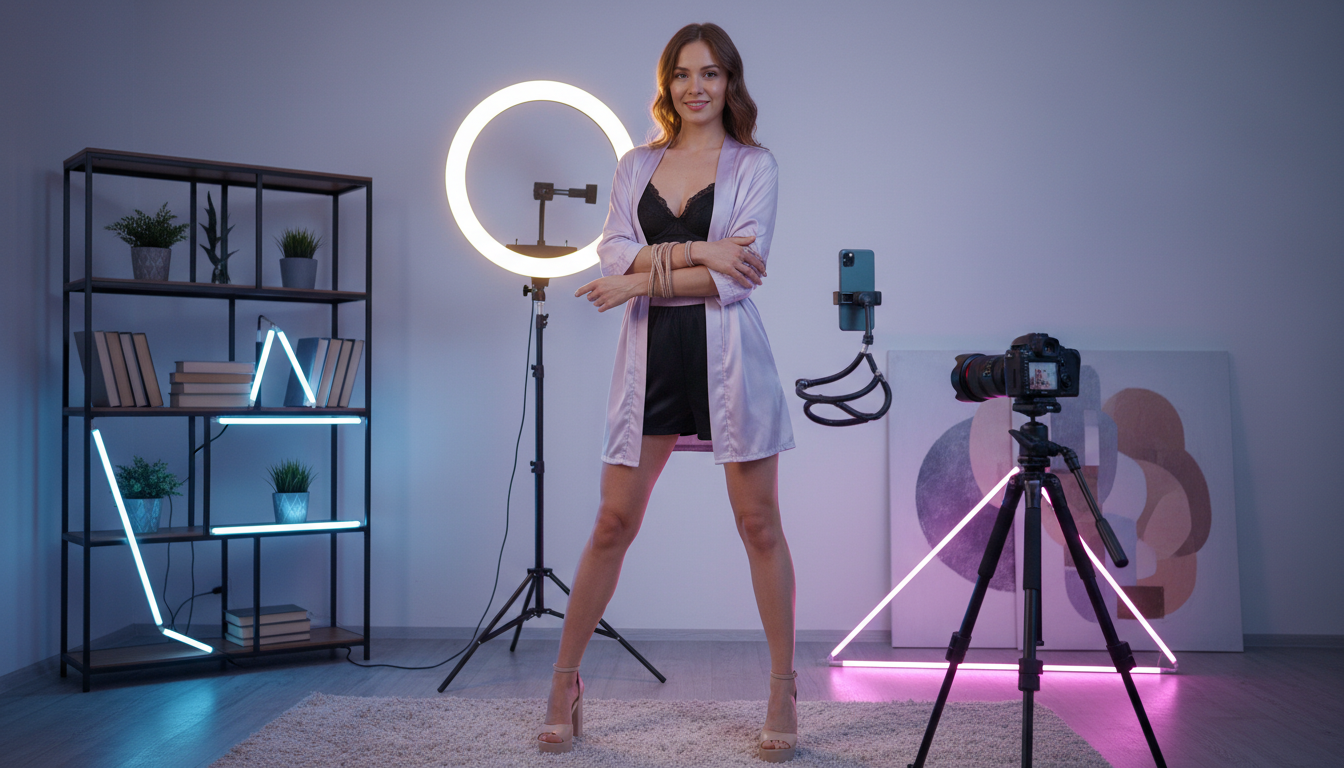
Finding Your Niche and Specialisation in Bondage Modelling
Finding Your Niche and Specialisation in Bondage Modelling
Developing a distinctive bondage modelling niche is essential for building a sustainable and profitable career in this specialized field. This comprehensive guide helps aspiring and established bondage models identify their unique selling points, understand market demands, and position themselves strategically within the fetish modelling industry. Whether you're just starting or looking to refine your professional identity, understanding specialisation in fetish modelling will help you stand out in a competitive market and attract dedicated audiences who appreciate your specific style and approach.
Understanding the Bondage Modelling Landscape
The bondage modelling industry encompasses diverse styles, aesthetics, and technical approaches. Before selecting your niche, it's crucial to understand the various specializations available and how they align with your interests, physical attributes, and career goals. Niche marketing in this field allows you to become recognized as an expert in specific areas rather than competing as a generalist.
Why Specialisation Matters
Specializing in particular bondage styles or themes offers several advantages. It helps photographers, producers, and clients quickly identify whether you're the right fit for their projects. A well-defined niche also commands higher rates, as specialized skills are more valued than general availability. Additionally, focused expertise allows you to develop deeper technical knowledge and build a reputation within specific communities.
Identifying Your Unique Selling Points
Your unique selling points differentiate you from other bondage models and form the foundation of your professional brand. Consider these key factors when developing your specialization:
Physical Attributes and Aesthetic Strengths:
- Body type and flexibility (crucial for certain rope bondage positions)
- Skin tone and how it photographs with different restraint materials
- Hair length and styling options for various themes
- Tattoos, piercings, or unique features that suit specific aesthetics
- Natural expressions and ability to convey specific emotions
Technical Skills and Experience:
- Tolerance for extended bondage sessions
- Knowledge of rope work and restraint terminology
- Ability to maintain challenging positions
- Experience with specific restraint types (rope, leather, metal, latex)
- Understanding of safety protocols and communication methods
Popular Bondage Modelling Niches
The following table compares major specializations within bondage modelling, including typical requirements and market demand:
| Niche Specialization | Key Requirements | Market Demand | Income Potential | Learning Curve |
|---|---|---|---|---|
| Shibari/Japanese Rope | High flexibility, patience, cultural knowledge | Very High | $$$ - $$$$ | Medium-High |
| Latex/Rubber Fetish | Specific body measurements, material comfort | High | $$ - $$$ | Low-Medium |
| Predicament Bondage | Physical strength, problem-solving performance | Medium | $$$ - $$$$ | High |
| Vintage/Classic Style | Classic aesthetic, period knowledge | Medium | $$ - $$$ | Low |
| Suspension Bondage | Excellent physical condition, trust, experience | High | $$$$ | Very High |
| Medical/Clinical Theme | Attention to detail, acting ability | Medium-High | $$ - $$$ | Medium |
| Gothic/Dark Aesthetic | Strong visual presence, makeup skills | High | $$ - $$$ | Low-Medium |
Step-by-Step Process to Define Your Niche
Follow this systematic approach to discover and develop your bondage modelling niche:
-
Conduct Self-Assessment: Evaluate your physical capabilities, comfort levels with different bondage types, and genuine interests. Authenticity resonates with audiences and makes sustained work more enjoyable.
-
Research Market Demand: Analyze popular bondage content platforms, study successful models in various niches, and identify underserved markets where your unique qualities could thrive.
-
Experiment with Different Styles: Work with various photographers and riggers to test different bondage styles, themes, and aesthetics. Document your experiences and note which scenarios feel most natural.
-
Gather Feedback: Seek honest input from photographers, rope artists, and your growing audience about which styles showcase your strengths most effectively.
-
Develop Specialized Skills: Once you identify promising directions, invest in training, workshops, and practice to build expertise in your chosen specialization.
-
Build a Focused Portfolio: Create content that clearly demonstrates your niche expertise, making it easy for potential clients to understand your specialization immediately.
-
Network Within Your Niche: Connect with professionals who work in your chosen specialization, attend relevant events, and become active in specific communities.
-
Refine and Evolve: Continuously assess market response, adjust your positioning, and stay current with trends within your niche while maintaining your core identity.
Marketing Your Specialisation Effectively
Once you've identified your bondage modelling niche, effective niche marketing becomes crucial for career success. Your marketing strategy should clearly communicate your specialization across all professional channels.
Building Your Professional Brand
Create consistent branding that reflects your niche across your portfolio website, social media profiles, and professional communications. Use specific terminology related to your specialization, as this helps clients searching for particular styles find you easily. Your bio should immediately communicate your areas of expertise rather than listing generic capabilities.
Platform Selection Strategy
Different content platforms attract audiences interested in specific bondage styles. Research where your target audience congregates and focus your efforts accordingly. Some platforms favor artistic Shibari content, while others cater to latex enthusiasts or classic bondage aesthetics. Strategic platform selection maximizes your visibility among the right audience.
Common Challenges and Solutions
Challenge: Feeling Limited by Specialization Solution: Your primary niche provides your professional identity, but you can maintain secondary interests. Communicate your main specialization while remaining open to related opportunities that align with your values.
Challenge: Changing Market Demands Solution: Stay flexible within your niche. If you specialize in rope bondage, you might evolve from traditional Shibari to contemporary fusion styles as trends shift, maintaining core expertise while adapting presentation.
Challenge: Niche Seems Too Small Solution: A smaller, dedicated audience often generates more consistent income than a larger, disengaged one. Micro-niches allow you to become the recognized expert, commanding premium rates from clients specifically seeking your style.
Challenge: Difficulty Standing Out in Popular Niches Solution: Combine elements to create a unique sub-specialization. For example, merge vintage aesthetic with modern Shibari techniques, or specialize in rope bondage for plus-size models, addressing underserved market segments.
Safety and Consent Considerations
Regardless of your chosen niche, prioritizing safety and explicit consent remains paramount. Different bondage styles carry specific risks that require specialized knowledge. Before committing to any specialization, ensure you understand associated safety protocols, communication methods, and emergency procedures. Work only with experienced riggers and photographers who demonstrate professional safety practices. Your specialization should never compromise your physical or emotional wellbeing.
Frequently Asked Questions
Q: How long should I experiment before committing to a specific bondage modelling niche?
A: Most successful models spend 6-12 months exploring different styles before narrowing their focus. This timeframe allows sufficient experience with various bondage types, collaboration with different professionals, and understanding of your natural strengths. However, if you immediately discover a style where you excel and feel passionate, you can begin specializing sooner while remaining open to refinement.
Q: Can I change my niche later in my career, or will I lose my audience?
A: Evolution is natural and often necessary for long-term career sustainability. Many successful bondage models gradually shift their focus or expand into complementary niches as they gain experience. Communicate changes transparently with your audience, explaining your artistic growth. Some followers will appreciate your evolution, while others may prefer your original style—both outcomes are acceptable as you build the career that fulfills you.
Q: Should I choose a niche based on what pays best or what I enjoy most?
A: The ideal niche balances financial viability with genuine interest. While income matters for sustainability, authenticity shows in your work and affects longevity. Research which of your genuine interests have viable markets, then develop expertise in that intersection. Passion for your specialization sustains you through challenging aspects of the career and produces more compelling content.
Q: How narrow should my bondage modelling niche be?
A: Your niche should be specific enough to differentiate you but broad enough to provide consistent work opportunities. Rather than "bondage model," consider "Shibari suspension specialist with Gothic aesthetic" or "vintage-style rope bondage for editorial fashion." Test your niche definition by searching for it online—if numerous competitors appear, narrow further; if almost nothing appears, you might be too specific.
Q: What if my physical characteristics don't fit traditional beauty standards in bondage modelling?
A: The bondage modelling industry increasingly celebrates diversity in body types, ages, ethnicities, and presentations. Non-traditional characteristics often become your greatest unique selling points. Markets exist for authentic representation across all body types and identities. Focus on niches that celebrate your specific attributes—this authenticity attracts dedicated audiences seeking genuine representation.
Conclusion and Next Steps
Finding your bondage modelling niche requires thoughtful self-assessment, market research, and strategic positioning. Your specialization should authentically reflect your interests and strengths while meeting market demand. Begin by experimenting with different styles, gathering feedback, and observing which bondage types showcase your abilities most effectively.
Your immediate next steps include creating a focused portfolio that demonstrates your chosen niche, connecting with professionals who work in your specialization, and developing expertise through continued training. Remember that your niche may evolve as you gain experience—remain flexible while building a recognizable professional identity. With clear specialization and effective niche marketing, you'll position yourself for a sustainable, fulfilling career in bondage modelling that honors both your artistic vision and professional goals.