
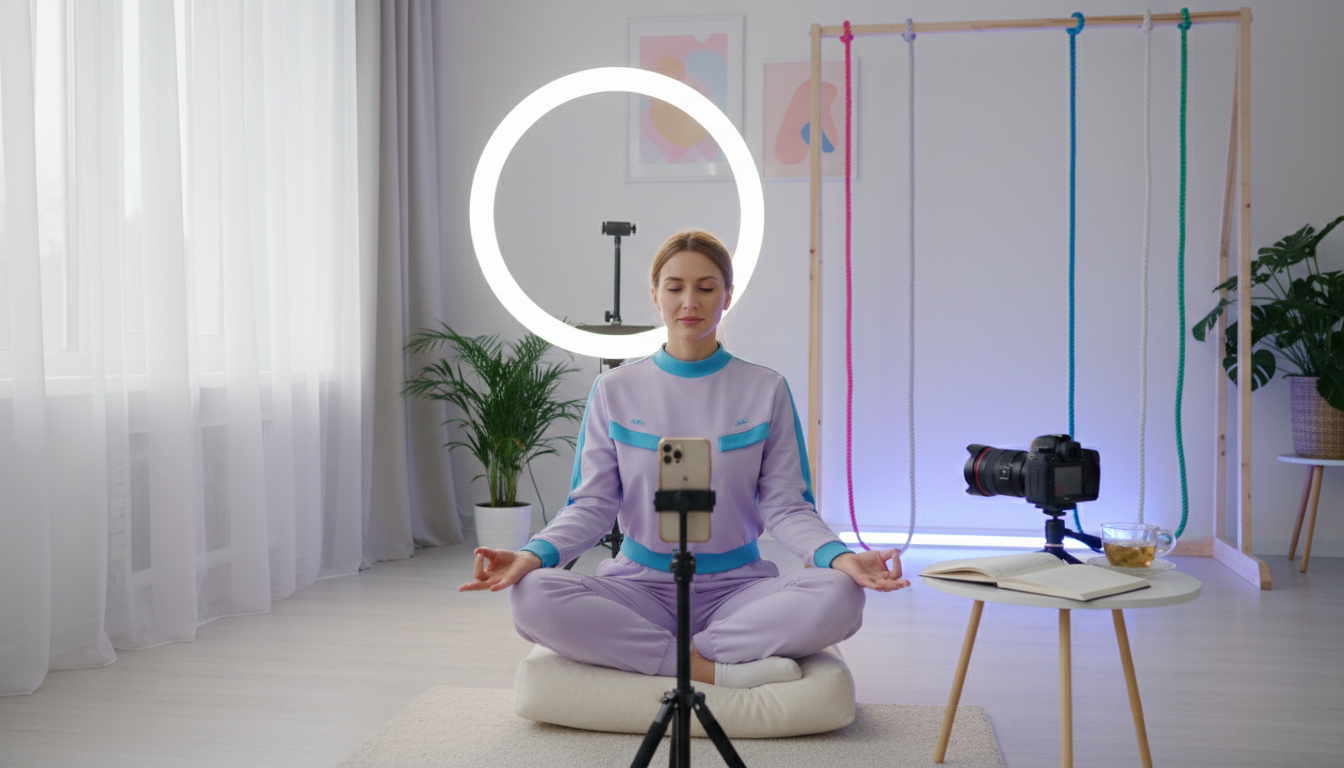
Mindfulness and Meditation for Bondage Models
Mindfulness and Meditation for Bondage Models: A Comprehensive Career Development Guide
Bondage modeling requires exceptional physical stamina, emotional resilience, and mental fortitude. Whether you're working through challenging poses, managing extended shoots, or navigating the psychological demands of the profession, mindfulness for bondage models has become an essential tool for maintaining peak performance and personal well-being. This comprehensive guide explores meditation techniques, stress management strategies, and practices that enhance mental clarity for both aspiring and experienced bondage models seeking to elevate their professional practice.
Prerequisites for Starting a Mindfulness Practice
Before diving into specific techniques, bondage models should understand several foundational elements:
- Realistic time commitment: Start with 5-10 minutes daily before gradually increasing
- Quiet space: Designate a distraction-free area for practice
- Open mindset: Approach without judgment or performance expectations
- Basic understanding: Familiarity with breath awareness and body scanning concepts
- Willingness to adapt: Recognize that different techniques work for different individuals
Why Mindfulness Matters in Bondage Modeling
The bondage modeling profession presents unique psychological and physical challenges that make mindfulness practices particularly valuable. Models frequently work in restrictive positions for extended periods, requiring extraordinary body awareness and mental endurance. Mindfulness for bondage models specifically addresses:
Physical Awareness Benefits:
- Enhanced proprioception during complex rope work or restraints
- Earlier detection of circulation issues or physical distress
- Improved communication about comfort levels with riggers and photographers
- Greater stamina during lengthy sessions
Mental and Emotional Advantages:
- Reduced performance anxiety before shoots
- Better emotional regulation during vulnerable scenes
- Enhanced focus and presence on set
- Improved stress management between bookings
Comparison of Meditation Techniques for Bondage Models
| Meditation Technique | Best For | Session Duration | Difficulty Level | Primary Benefit |
|---|---|---|---|---|
| Body Scan Meditation | Pre-shoot preparation | 10-20 minutes | Beginner | Physical awareness and tension release |
| Breath-Focused Meditation | Managing discomfort during shoots | 5-15 minutes | Beginner | Mental clarity and immediate calming |
| Visualization Meditation | Scene preparation and goal setting | 15-25 minutes | Intermediate | Mental rehearsal and confidence building |
| Loving-Kindness (Metta) | Post-shoot recovery and self-care | 10-20 minutes | Intermediate | Emotional processing and self-compassion |
| Mindful Movement | Physical recovery days | 20-30 minutes | Beginner-Intermediate | Body-mind integration and flexibility |
Essential Meditation Techniques for Career Success
1. Pre-Shoot Body Scan Protocol
This foundational practice enhances body awareness before modeling sessions:
- Find a comfortable position lying down or seated in a quiet space
- Close your eyes and take three deep, cleansing breaths
- Begin at your toes, directing attention to sensations without judgment
- Slowly progress upward through feet, ankles, calves, knees, and thighs
- Continue systematically through pelvis, torso, arms, neck, and head
- Notice areas of tension and breathe into them without forcing change
- Complete the scan by taking three final deep breaths and slowly opening eyes
- Journal any insights about physical readiness or concerns
Practicing this technique regularly develops the heightened body awareness essential for communicating boundaries and recognizing early warning signs during bondage work.
2. Breath Anchoring for In-Session Stress Management
When experiencing discomfort or anxiety during shoots, breath-focused meditation techniques provide immediate relief. The 4-7-8 breathing pattern works particularly well:
- Inhale quietly through the nose for 4 counts
- Hold the breath for 7 counts
- Exhale completely through the mouth for 8 counts
- Repeat 3-4 cycles as needed
This pattern activates the parasympathetic nervous system, reducing stress hormones and creating mental clarity even in challenging positions.
3. Visualization for Professional Development
Successful bondage models use visualization meditation to mentally rehearse scenes, build confidence, and set career intentions. This intermediate practice combines meditation techniques with goal-oriented imagery to enhance both technical skills and professional mindset.
Building a Sustainable Daily Practice
Consistency matters more than duration when establishing mindfulness for bondage models. Consider this progression:
Week 1-2: Foundation Building
- 5 minutes of breath awareness daily
- Morning practice before checking devices
- Single technique focus
Week 3-4: Expanding Practice
- 10 minutes daily with varied techniques
- Add post-shoot reflection sessions
- Experiment with different times of day
Week 5-8: Integration Phase
- 15-20 minutes daily with rotating techniques
- Apply mindfulness during actual shoots
- Begin journaling insights and progress
Beyond 8 Weeks: Advanced Integration
- 20-30 minutes daily as desired
- Seamless integration into professional work
- Teaching others or mentoring newer models
Common Challenges and Solutions
Challenge 1: "I Don't Have Time to Meditate"
Solution: Start with micro-practices. Even 60 seconds of focused breathing before entering the studio creates benefits. Stack meditation onto existing habits—practice while commuting (as a passenger), during makeup application, or in the dressing room. Many successful bondage models report that meditation techniques actually save time by reducing on-set anxiety and improving focus.
Challenge 2: "My Mind Won't Stop Racing"
Solution: A busy mind is normal, not a failure. The practice isn't about stopping thoughts but noticing when you've drifted and gently returning attention to your anchor (breath, body, or visualization). Each moment of noticing is actually a success, strengthening your mental clarity and awareness muscles.
Challenge 3: "I Feel More Anxious When I Try to Meditate"
Solution: Some individuals experience initial discomfort with stillness. If sitting meditation increases anxiety, try mindful movement practices like gentle yoga, walking meditation, or progressive muscle relaxation. These active approaches to stress management can be equally effective while feeling more accessible.
Challenge 4: "Results Aren't Immediate"
Solution: Mindfulness for bondage models is a long-term investment in career sustainability and well-being. While some benefits appear within days, deeper transformations typically emerge after 4-6 weeks of consistent practice. Track subtle changes in sleep quality, emotional regulation, and on-set performance rather than expecting dramatic overnight shifts.
Integration with Professional Bondage Modeling
Before Shoots
Develop a pre-shoot ritual incorporating meditation techniques:
- 10-minute body scan to assess physical readiness
- Visualization of successful scene completion
- Breath work to center and calm nerves
- Intention setting for the session ahead
During Shoots
Apply mindfulness principles actively:
- Use breath anchoring during position transitions
- Maintain present-moment awareness for safety
- Communicate mindfully about comfort and boundaries
- Notice physical sensations without judgment
After Shoots
Post-session practices support recovery and integration:
- Brief body scan to assess physical state
- Loving-kindness meditation for self-compassion
- Journaling about experiences and insights
- Gentle movement to release residual tension
Resources for Continued Development
Successful bondage models recommend these tools for deepening practice:
- Apps: Headspace, Calm, Insight Timer (many free options)
- Books: "Radical Acceptance" by Tara Brach, "Wherever You Go, There You Are" by Jon Kabat-Zinn
- Courses: Mindfulness-Based Stress Reduction (MBSR) programs
- Communities: Online meditation groups for performers and models
- Professional support: Therapists specializing in somatic practices or performance psychology
Frequently Asked Questions
How long before I notice benefits from mindfulness practice?
Many bondage models report initial benefits within 1-2 weeks of consistent practice, including improved sleep, reduced pre-shoot anxiety, and better focus. However, significant transformation in stress management and mental clarity typically develops over 6-8 weeks. The key is consistency—daily 10-minute sessions produce better results than occasional longer practices. Your body awareness and emotional regulation will gradually improve, enhancing both safety and performance quality.
Can I practice meditation techniques while actually tied or restrained during a shoot?
Absolutely. In fact, this is one of the most practical applications of mindfulness for bondage models. Breath-focused meditation and body awareness techniques work exceptionally well during actual bondage sessions. Many experienced models use breath anchoring to manage discomfort, maintain mental clarity during lengthy holds, and stay present with their physical sensations. This real-time application helps distinguish between manageable discomfort and genuine safety concerns, making communication with riggers and photographers more effective.
What if I have trauma history—is mindfulness safe for me?
While mindfulness practices offer tremendous benefits for stress management, individuals with trauma histories should approach meditation with appropriate support. Some techniques, particularly those emphasizing stillness or internal focus, can occasionally trigger difficult memories or sensations. Consider working with a trauma-informed therapist who can recommend trauma-sensitive mindfulness approaches. Many bondage models with complex histories successfully use movement-based practices, shorter sessions, and guided meditations with professional support.
Which meditation technique is most important for bondage modeling?
Body scan meditation provides the most direct professional benefit for bondage models because it develops the heightened physical awareness essential for safety and effective communication. However, the most sustainable practice combines multiple techniques: body scans for preparation, breath work for in-session management, and loving-kindness meditation for recovery and self-compassion. Experiment with different approaches to discover what resonates with your needs and naturally integrates into your workflow.
How do I maintain practice during busy booking periods?
Successful career management includes protecting your meditation time, especially during high-demand periods when stress management becomes most critical. Prioritize shorter sessions (5-10 minutes) over skipping entirely. Practice during transitions—while traveling between shoots, during makeup application, or in dressing rooms. Many models find that meditation techniques actually increase efficiency by reducing anxiety and improving focus, ultimately creating more time despite the initial investment.
Conclusion and Next Steps
Mindfulness for bondage models represents a powerful investment in both career longevity and personal well-being. By incorporating meditation techniques for stress management and mental clarity, you develop the physical awareness, emotional resilience, and professional presence that distinguish exceptional bondage models from beginners.
Start small with a single 5-10 minute practice daily, choosing the technique that feels most accessible. Track your progress through journaling or simple notes about physical awareness, emotional regulation, and professional performance. As your practice deepens, gradually expand duration and integrate mindfulness into your pre-shoot preparation, active sessions, and post-shoot recovery.
Remember that mindfulness is not about perfect execution but consistent, compassionate engagement with your experience. Whether you're preparing for your first bondage modeling session or refining a decade-long career, these practices offer sustainable tools for managing the unique demands of this specialized profession while maintaining the mental clarity and self-awareness essential for both safety and artistic excellence.