
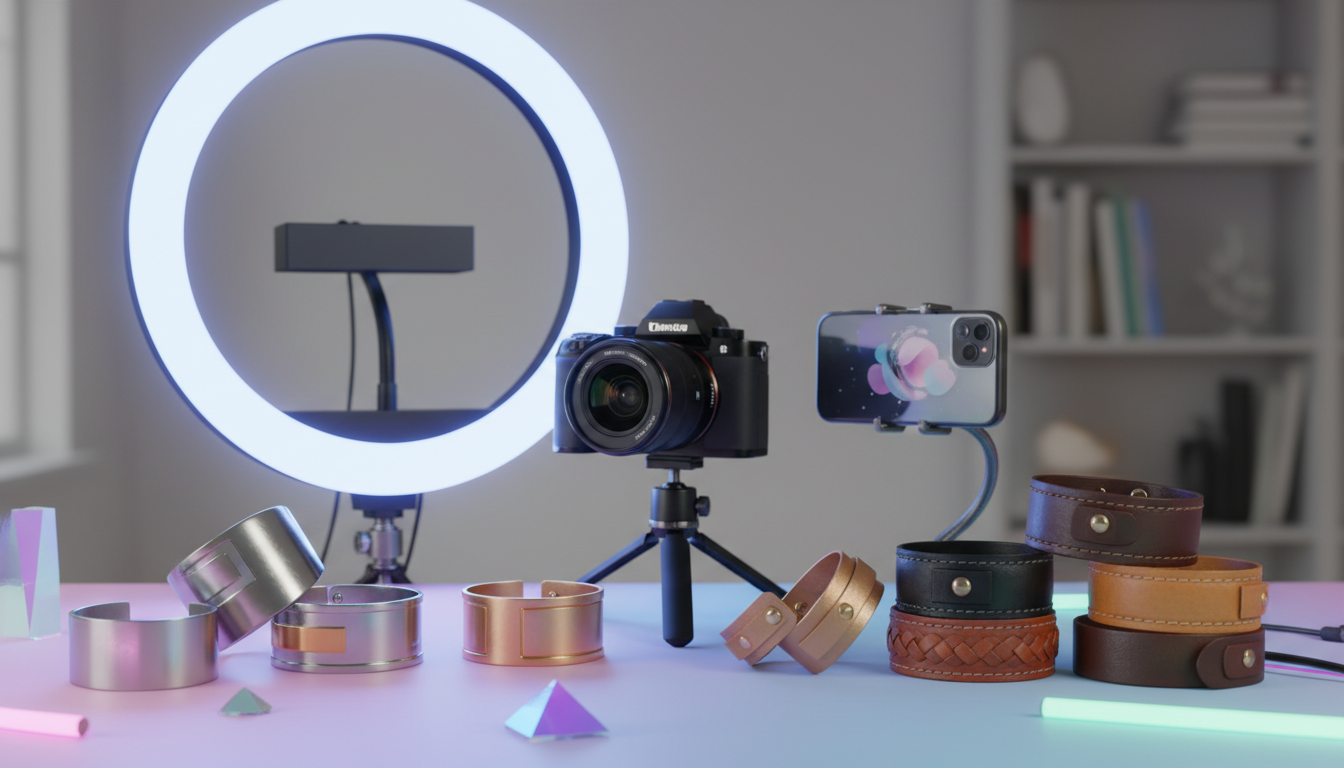
Metal vs. Leather Cuffs: Pros and Cons
Metal vs. Leather Cuffs: Pros and Cons
Choosing between metal cuffs vs leather cuffs is one of the most important decisions for bondage modeling professionals, enthusiasts, and photographers alike. This comprehensive bondage cuffs comparison will help you understand the distinct characteristics, advantages, and limitations of both materials. Whether you're a model preparing for a photo shoot, a rigger planning a session, or someone exploring different types of cuffs for personal use, understanding these differences ensures safety, comfort, and achieving your desired aesthetic. This guide examines durability, comfort, safety considerations, visual appeal, and practical applications to help you make informed decisions about which restraint type best suits your specific needs.
Prerequisites for Using Bondage Cuffs
Before exploring the differences between metal and leather restraints, ensure you understand these foundational requirements:
- Consent and Communication: Establish clear boundaries and safe words with all participants before any bondage session
- Safety Knowledge: Understand basic circulation safety, nerve pressure points, and emergency release procedures
- Quality Equipment: Invest in professional-grade restraints from reputable manufacturers rather than costume accessories
- Safety Tools: Always have EMT scissors or bolt cutters (for metal) readily accessible during sessions
- Physical Awareness: Know how to recognize signs of restricted circulation, numbness, or distress
Comprehensive Comparison: Metal Cuffs vs Leather Cuffs
To help you quickly assess which restraint type aligns with your needs, here's a detailed comparison across key factors:
| Feature | Metal Cuffs | Leather Cuffs |
|---|---|---|
| Durability | Extremely high; can last decades with minimal maintenance | High; 5-15 years with proper care and conditioning |
| Comfort (Extended Wear) | Lower; rigid structure creates pressure points | Higher; conforms to body contours and distributes pressure |
| Aesthetic Appeal | Industrial, edgy, institutional look | Classic, elegant, versatile appearance |
| Weight | Heavy (8-16 oz per cuff) | Light to medium (3-8 oz per cuff) |
| Noise Level | High; chains and metal click/clang | Low to silent; minimal sound |
| Temperature Sensitivity | Extreme; very cold or hot depending on environment | Moderate; adjusts to body temperature |
| Maintenance Required | Low; occasional lubrication and rust prevention | High; regular conditioning and cleaning needed |
| Price Range | $30-150+ per pair | $25-200+ per pair depending on quality |
| Adjustment Speed | Very fast; instant locking/unlocking | Slower; buckles or lacing require time |
| Customization Options | Limited; fixed sizes with some chain adjustment | Extensive; can be made to exact measurements |
Understanding Metal Cuffs: Advantages and Limitations
Pros of Metal Cuffs
Metal restraints offer unique benefits that make them ideal for specific scenarios:
- Unmatched Durability: Stainless steel or chrome-plated cuffs withstand intense use without degradation
- Psychological Impact: The weight, coldness, and sound create powerful sensory experiences
- Instant Security: Locking mechanisms engage immediately with no adjustment time needed
- Minimal Maintenance: Simple cleaning with damp cloth; no conditioning or special storage required
- Strong Visual Statement: Perfect for institutional, prison, or police-themed modeling shoots
- No Break-In Period: Ready to use immediately upon purchase without preparation
- Weather Resistant: Can be used in various environments including outdoor settings
Cons of Metal Cuffs
Despite their advantages, metal restraints present certain challenges:
- Pressure Point Concentration: Rigid edges can create uncomfortable pressure on bones and nerves
- Limited Padding Options: Even padded versions have less cushioning than quality leather alternatives
- Temperature Extremes: Metal becomes uncomfortably cold or dangerously hot in temperature variations
- Injury Risk: Sharp edges or pinch points can cause cuts, bruises, or skin damage
- Noise Concerns: Chain sounds may be distracting during filming or disrupt intimate atmospheres
- Size Limitations: Fixed circumferences may not fit all wrist or ankle sizes comfortably
- Weight Factor: Extended wear can cause fatigue, especially in suspension or complex positions
Understanding Leather Cuffs: Advantages and Limitations
Pros of Leather Cuffs
Leather restraints remain the gold standard for many bondage modeling professionals:
- Superior Comfort: Wide surface area distributes pressure evenly across skin contact points
- Body-Conforming Design: Quality leather molds to individual anatomy over time
- Extensive Customization: Available in various widths, colors, stitching patterns, and closure types
- Professional Appearance: Suitable for artistic photography, fashion shoots, and elegant presentations
- Temperature Regulation: Leather adjusts to body temperature, preventing thermal discomfort
- Reduced Injury Risk: Softer material minimizes cuts, bruises, and pressure injuries
- Quieter Operation: Ideal for film production, professional photography, or intimate sessions
- Versatile Aesthetics: Works across multiple themes from Victorian to contemporary fashion
Cons of Leather Cuffs
Leather restraints require more consideration and maintenance:
- Higher Maintenance Demands: Regular conditioning, cleaning, and proper storage essential for longevity
- Moisture Sensitivity: Sweat, water, or humidity can damage leather and promote bacterial growth
- Variable Quality: Significant differences between genuine leather and bonded/synthetic materials
- Break-In Requirements: New leather cuffs often feel stiff and require conditioning before comfortable use
- Slower Application: Buckles, laces, or straps take longer to secure than quick-lock metal alternatives
- Cost Considerations: High-quality leather restraints command premium prices
- Durability Concerns: Eventually wears, stretches, or degrades even with excellent care
Step-by-Step Guide: Selecting the Right Cuffs for Your Needs
Follow this systematic approach when evaluating which types of cuffs suit your specific requirements:
- Define Your Primary Purpose: Determine whether you need cuffs for modeling shoots, personal practice, performance, or long-term wear scenarios
- Assess Comfort Requirements: Consider session duration—leather excels for extended wear (30+ minutes), while metal works for shorter, high-impact sessions
- Evaluate Your Aesthetic Goals: Match material choice to your desired visual presentation—institutional vs. artistic, modern vs. traditional
- Consider Physical Factors: Account for body size, skin sensitivity, circulation concerns, and any previous injury history
- Set Your Budget: Quality leather cuffs start around $50-80 per pair, while reliable metal cuffs begin at $40-60
- Test Before Committing: If possible, try both materials during practice sessions before purchasing for professional use
- Plan for Multiple Sets: Many professionals maintain both metal and leather collections for different scenarios
- Verify Safety Features: Ensure quick-release mechanisms, proper padding, and appropriate sizing regardless of material choice
Material-Specific Features and Requirements
Essential Features for Metal Cuffs
- Double-locking mechanisms to prevent over-tightening during movement
- Smooth, rounded edges without sharp points or burrs
- Corrosion-resistant materials (stainless steel preferred over nickel-plated)
- Chain links with swivel connections to prevent twisting injuries
- Optional padding or leather lining for improved comfort
- Emergency release keys kept in multiple accessible locations
Essential Features for Leather Cuffs
- Full-grain or top-grain leather construction for durability
- Reinforced stitching at stress points using heavy-duty thread
- Width of at least 1.5-2 inches for proper weight distribution
- Secure closure systems (roller buckles, locking posts, or lacing)
- D-rings or O-rings made from welded steel, not cast metal
- Interior padding or soft lining for sensitive skin
Common Challenges and Practical Solutions
Issue: Metal Cuffs Causing Wrist Discomfort
Solution: Use sheepskin or foam padding wraps beneath metal cuffs. Position cuffs over clothing or fabric bands to create cushioning. Limit wear time to 15-20 minutes and regularly check circulation.
Issue: Leather Cuffs Developing Odor or Stains
Solution: Clean leather immediately after each use with specialized leather cleaner. Allow complete air drying before storage. Apply leather conditioner monthly. Store with moisture-absorbing packets in cool, dry locations.
Issue: Cuffs Not Fitting Properly
Solution: For metal cuffs, use chain length adjustments or consider adjustable hinged styles. For leather, custom-made cuffs ensure perfect fit. Many manufacturers offer made-to-measure services with exact wrist/ankle circumference specifications.
Issue: Emergency Release Difficulties
Solution: Keep EMT scissors within arm's reach for leather cuffs. Maintain multiple handcuff keys for metal restraints. Practice emergency release procedures regularly. Consider quick-release buckles or clips for beginners.
Professional Recommendations by Use Case
For Photography and Modeling Shoots
Choose Leather When: You need elegant, timeless aesthetics; sessions exceed 30 minutes; close-up detail shots are planned; comfort is paramount for authentic expressions
Choose Metal When: Creating institutional, industrial, or edgy themes; shooting quick poses; emphasizing bondage's restrictive nature; seeking dramatic contrast in black-and-white photography
For Personal Practice and Learning
Choose Leather When: Building foundational skills; practicing extended bondage techniques; prioritizing safety during solo learning; wanting versatile equipment for multiple scenarios
Choose Metal When: Exploring psychological aspects; preferring maintenance-free equipment; interested in quick application methods; working with limited budgets initially
Maintenance and Longevity Considerations
Caring for Metal Cuffs
Proper maintenance ensures metal restraints remain safe and functional for years:
- Wipe down with dry cloth after each use to remove oils and moisture
- Apply light machine oil to locking mechanisms quarterly
- Inspect for rust spots, sharp edges, or loose rivets before each use
- Store in dry environment with silica gel packets to prevent corrosion
- Polish chrome-plated cuffs with metal polish to maintain appearance
Caring for Leather Cuffs
Leather demands regular attention but rewards proper care with extended lifespan:
- Clean with leather-specific cleaner after every 2-3 uses
- Condition with quality leather balm or oil monthly (more frequently with heavy use)
- Allow complete drying before storage; never store damp leather
- Keep away from direct sunlight, extreme temperatures, and humidity
- Store flat or hanging to prevent creasing and distortion
- Treat stains immediately with specialized leather stain removers
Frequently Asked Questions
Q: Are metal cuffs or leather cuffs safer for beginners in bondage modeling?
A: Leather cuffs are generally safer for beginners due to their forgiving nature, better pressure distribution, and reduced injury risk. They provide clearer feedback about tightness and allow easier adjustments. Metal cuffs require more experience to use safely because their rigid structure can quickly cause circulation problems or nerve damage if applied incorrectly. Beginners should start with wide, padded leather cuffs (2+ inches width) and only progress to metal after developing solid understanding of safety principles and body awareness.
Q: Can I use the same cuffs for wrists and ankles, or do I need separate types?
A: While some adjustable cuffs work for both applications, dedicated wrist and ankle cuffs are recommended for optimal safety and comfort. Ankles typically have larger circumferences (9-12 inches) than wrists (6-8 inches), requiring different sizing. Ankle cuffs should be wider (2.5-3 inches minimum) to distribute weight during leg bondage positions. For professional modeling work, invest in purpose-specific restraints. If budget constrains choices, prioritize properly-fitted wrist cuffs first, as wrist bondage appears more frequently in modeling contexts and carries higher nerve injury risks.
Q: How do I know if cuffs are too tight during a bondage modeling session?
A: Monitor for these warning signs: numbness or tingling in hands/feet, skin color changes (white, blue, or deep red), coldness in extremities, inability to move fingers/toes, sharp or shooting pain, or visible skin indentation lasting more than 2-3 minutes after removal. Check circulation every 5-10 minutes by pressing fingernails until they blanch, then releasing—color should return within 2 seconds. You should be able to slip one finger between cuff and skin. With metal cuffs, double-lock mechanisms prevent accidental tightening. Never ignore discomfort; immediate adjustment prevents serious injury.
Q: Which material works better for professional bondage fashion photography?
A: The choice depends entirely on your creative vision and brand aesthetic. Leather cuffs dominate high-fashion editorial work, luxury fetish wear campaigns, and artistic bondage photography due to their elegant appearance, rich textures, and sophisticated color options. They photograph beautifully in close-ups and convey craftsmanship. Metal cuffs excel in edgy, alternative, punk, or institutional-themed shoots, creating powerful visual statements and dramatic contrast. Many professional models maintain both types in their kit. For portfolio diversity, showcasing competency with various bondage cuffs comparison scenarios demonstrates versatility to potential clients.
Q: Do expensive cuffs really make a difference compared to budget options?
A: Quality absolutely matters for safety, comfort, and longevity. Cheap metal cuffs often use weak materials that break unexpectedly, have sharp edges causing cuts, or employ unreliable locking mechanisms. Budget leather cuffs typically use bonded leather (ground leather scraps with glue) that deteriorates rapidly, splits under stress, or contains toxic chemicals. Professional-grade cuffs feature proper safety engineering, body-safe materials, reinforced construction, and reliable hardware. For bondage modeling careers, quality equipment protects your most valuable asset—your body—while projecting professionalism. Budget options may cost $15-25 but last months; quality cuffs cost $60-150 but last years with proper care, making them more economical long-term.
Conclusion and Next Steps
Both metal and leather cuffs serve essential roles in bondage modeling, each excelling in different contexts. Metal cuffs offer unparalleled durability, dramatic aesthetics, and low maintenance for institutional themes and shorter sessions. Leather cuffs provide superior comfort, versatility, and professional appearance ideal for extended wear and artistic photography. Most experienced practitioners ultimately maintain both types to address various modeling scenarios, client requirements, and creative visions.
For those new to bondage modeling, start with high-quality, wide leather cuffs to build foundational skills safely. As you gain experience and understand your specific needs, expand your collection strategically. Prioritize safety features, proper fit, and body-safe materials over aesthetics alone. Invest in learning proper application techniques through workshops or mentorship with experienced professionals.
Your next steps should include: researching reputable restraint manufacturers, determining your measurements for custom-fitted options, practicing safety protocols including circulation checks and emergency release procedures, and gradually building a diverse restraint collection. Remember that quality bondage equipment represents an investment in your safety, comfort, and professional capabilities within the bondage modeling industry.