
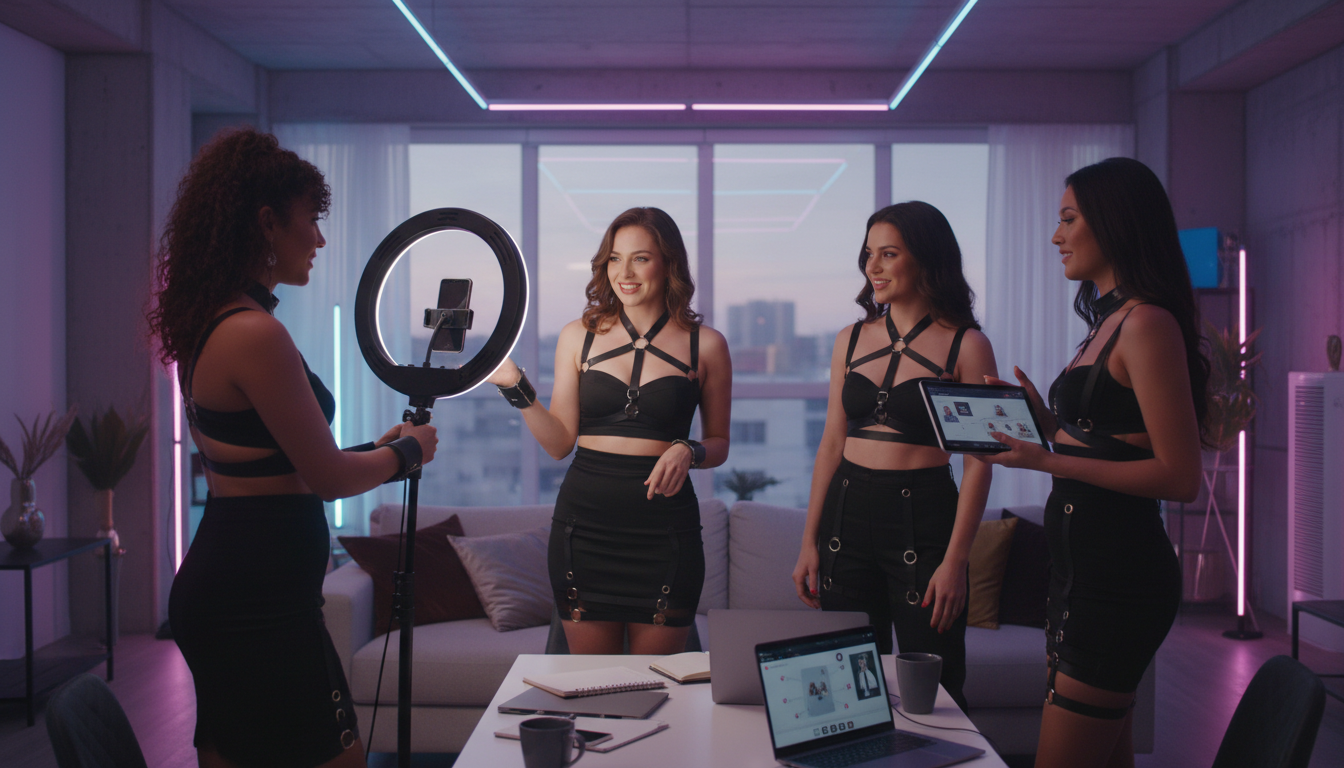
The Importance of Networking for Bondage Models
The Importance of Networking for Bondage Models
Networking for bondage models is a critical yet often overlooked component of building a successful career in this specialized field. Whether you're an aspiring model just entering the industry or an experienced professional seeking to expand your opportunities, building connections with photographers, producers, fellow models, and industry professionals can make the difference between sporadic gigs and a thriving career. This comprehensive guide explores why networking matters, how to develop meaningful professional relationships, and practical strategies for leveraging industry networking to advance your bondage modeling career.
Why Networking Matters in Bondage Modeling
The bondage modeling industry operates primarily through referrals, recommendations, and personal connections rather than traditional job postings. Many opportunities never reach public platforms—they're filled through trusted networks before anyone else hears about them. Building connections within the community opens doors to:
- Exclusive photoshoot opportunities with reputable photographers
- Recommendations for paid work on established platforms
- Mentorship from experienced models who understand the unique challenges
- Access to vetted, safety-conscious professionals
- Collaborative projects that enhance your portfolio
- Industry events and workshops that advance your skills
Prerequisites for Effective Networking
Before actively pursuing industry networking, ensure you have these foundational elements in place:
- Professional portfolio showcasing your best bondage modeling work
- Clear boundaries document outlining your limits and requirements
- Updated model release forms and legal documentation
- Professional social media presence separate from personal accounts
- References from previous photographers or producers (if available)
- Basic safety protocols understanding, including safe words and consent practices
Building Your Network: A Step-by-Step Approach
1. Start with Online Communities
Begin building connections through established online platforms where bondage modeling professionals gather. Join forums, social media groups, and specialized networking sites like FetLife, Model Mayhem, or industry-specific Discord servers. Engage authentically by:
- Introducing yourself professionally with clear information about your experience level
- Participating in discussions about safety, techniques, and industry standards
- Offering helpful advice to newcomers based on your experiences
- Sharing (appropriate) portfolio work to showcase your capabilities
- Attending virtual meetups or online workshops hosted by community members
- Following and engaging with photographers, producers, and models whose work you admire
- Responding promptly and professionally to messages and opportunities
2. Attend Industry Events and Workshops
In-person events provide invaluable opportunities for building connections that translate into lasting professional relationships. Look for:
- Bondage education workshops and rope technique classes
- Fetish conventions and industry expos
- Portfolio review sessions with established photographers
- Model meetups and networking mixers
- Photoshoot meetups organized by local communities
3. Collaborate Strategically
Collaborative projects help you build your portfolio while establishing professional relationships. Consider:
- Time-for-prints (TFP) arrangements with emerging photographers
- Group photoshoots that introduce you to multiple professionals
- Educational demonstration work at workshops
- Behind-the-scenes roles that provide industry insight
Networking Platforms Comparison
| Platform | Best For | Networking Strength | Safety Features | Cost |
|---|---|---|---|---|
| FetLife | Finding local community events | High - Direct messaging, groups | Moderate - Self-regulated | Free |
| Model Mayhem | Connecting with photographers | High - Portfolio showcase | Good - Verification system | Free/Premium |
| Building public presence | Moderate - Limited adult content | Low - Requires caution | Free | |
| Discord Communities | Real-time communication | High - Private servers | Good - Moderated spaces | Free |
| Industry Conventions | Face-to-face networking | Very High - Personal connections | Variable - Event dependent | $50-$300 |
| PurplePort | Professional portfolio site | Moderate - UK-focused | Good - Reference system | Free/Premium |
Essential Networking Skills for Bondage Models
Developing strong professional relationships requires specific interpersonal and communication skills:
- Clear communication about boundaries, expectations, and availability
- Professionalism in all interactions, even informal ones
- Reliability by showing up on time and honoring commitments
- Respectful engagement with all community members regardless of experience level
- Active listening to understand others' needs and perspectives
- Follow-through on promises and maintaining contact after initial meetings
- Discretion about private information shared by colleagues
- Positive attitude even when discussing challenges or setbacks
Maintaining and Nurturing Professional Relationships
Building connections is only the beginning—maintaining them requires ongoing effort:
- Follow up after shoots with thank-you messages and tagged social media posts (when appropriate)
- Stay in regular contact through occasional check-ins, not just when seeking work
- Share opportunities with fellow models when projects aren't right for you
- Provide referrals for professionals you've worked with successfully
- Celebrate others' successes by engaging with and promoting their work
- Request and provide references to strengthen community trust
- Update your network about your availability, new skills, or portfolio updates
Common Networking Challenges and Solutions
Challenge: Fear of Rejection or Awkwardness
Solution: Remember that most industry professionals were once newcomers too. Approach networking as learning opportunities rather than high-stakes interactions. Start with low-pressure environments like online forums before attending in-person events.
Challenge: Distinguishing Legitimate Professionals from Unsafe Contacts
Solution: Always verify credentials through:
- Checking references from other models
- Reviewing their portfolio and online presence
- Meeting in public spaces initially
- Trusting your instincts about red flags
- Using platforms with verification systems
Challenge: Balancing Friendliness with Professional Boundaries
Solution: Maintain separate professional and personal social media accounts. Be warm and approachable while keeping conversations focused on work. Clearly communicate your boundaries about topics, meeting locations, and interaction styles.
Challenge: Limited Local Networking Opportunities
Solution: Focus on building strong online connections first. Consider traveling to major industry events once or twice annually. Organize local meetups yourself to create the community you seek.
Challenge: Networking Feels Transactional or Insincere
Solution: Approach networking as relationship-building rather than immediate job-seeking. Offer value first by sharing knowledge, providing referrals, or collaborating on creative projects. Genuine connections naturally lead to opportunities.
Leveraging Your Network for Career Growth
Once you've established a solid network, strategically leverage these professional relationships:
- Seek mentorship from experienced models who can guide your career decisions
- Request introductions to photographers or producers your contacts know
- Collaborate on projects that challenge your skills and expand your portfolio
- Get feedback on your portfolio and professional materials
- Learn about opportunities before they're publicly advertised
- Negotiate better terms using market knowledge gained from your network
- Build your reputation through word-of-mouth recommendations
Advanced Networking Strategies
Becoming a Connector
Position yourself as a valuable network node by introducing professionals who could benefit from knowing each other. When you facilitate others' connections, they remember you and reciprocate.
Developing Specialized Expertise
Become known for specific skills (suspension work, particular rope styles, historical bondage recreation) that make you memorable and create natural networking opportunities through teaching or demonstration work.
Creating Content
Share educational content, safety tips, or behind-the-scenes insights that provide value to the community. This positions you as a thoughtful professional and attracts quality connections.
Frequently Asked Questions
Q: How quickly can I expect networking to lead to paid opportunities?
A: Building connections takes time. Most models see their first networking-generated opportunities within 3-6 months of active participation in the community. Focus on building genuine relationships rather than immediate results. The strongest networks develop over 1-2 years of consistent engagement and prove most valuable for long-term career sustainability.
Q: Should I network with photographers who only offer TFP (Time for Prints) instead of paid work?
A: TFP arrangements can be valuable for building your portfolio and establishing professional relationships, especially when starting out. However, ensure TFP work with photographers who have strong portfolios and reputations. As you gain experience, transition toward paid work while maintaining select TFP relationships with photographers whose artistic vision significantly benefits your portfolio. Never feel obligated to accept unpaid work—evaluate each opportunity based on portfolio value, safety, and professional development potential.
Q: How do I network without compromising my privacy or safety?
A: Maintain separate professional and personal identities online. Use a stage name, avoid sharing identifying personal details, and meet new contacts in public spaces initially. Always verify credentials through references and portfolio review. Trust your instincts—legitimate professionals respect boundaries and privacy concerns. Consider bringing a trusted friend to initial meetings and share your schedule with someone outside the industry.
Q: What should I do if someone in my network behaves unprofessionally or unsafely?
A: Document the behavior, cease working with that individual, and warn others in your network if the situation warrants it. Many communities have reporting mechanisms for safety concerns. Building connections includes identifying who not to work with—sharing this information protects other models. Your reputation benefits from being someone who prioritizes safety and ethical practices.
Q: How do I network effectively if I'm introverted or socially anxious?
A: Start with online networking where you can compose thoughtful responses without pressure. Attend smaller workshops or meetups rather than large conventions initially. Prepare conversation topics in advance, such as questions about others' creative processes or safety practices. Remember that quality connections matter more than quantity—developing three strong professional relationships provides more value than superficial contact with dozens of people. Many successful bondage models are introverted but excel at one-on-one relationship building.
Conclusion
Networking for bondage models is essential for career development, safety, and long-term success in this specialized industry. By building connections through online communities, attending industry events, collaborating strategically, and maintaining professional relationships, you create opportunities that would never emerge through traditional job searching. Focus on authentic relationship-building rather than transactional interactions, prioritize safety and ethical practices, and consistently provide value to your network.
Start your networking journey today by joining one online community, attending a local workshop, or reaching out to a photographer whose work you admire. Remember that every successful bondage model built their career through professional relationships—your network is your most valuable asset in this industry. As you establish these connections, you'll find that building connections naturally leads to opportunities, mentorship, and a supportive community that enriches both your career and your understanding of bondage as an art form.