
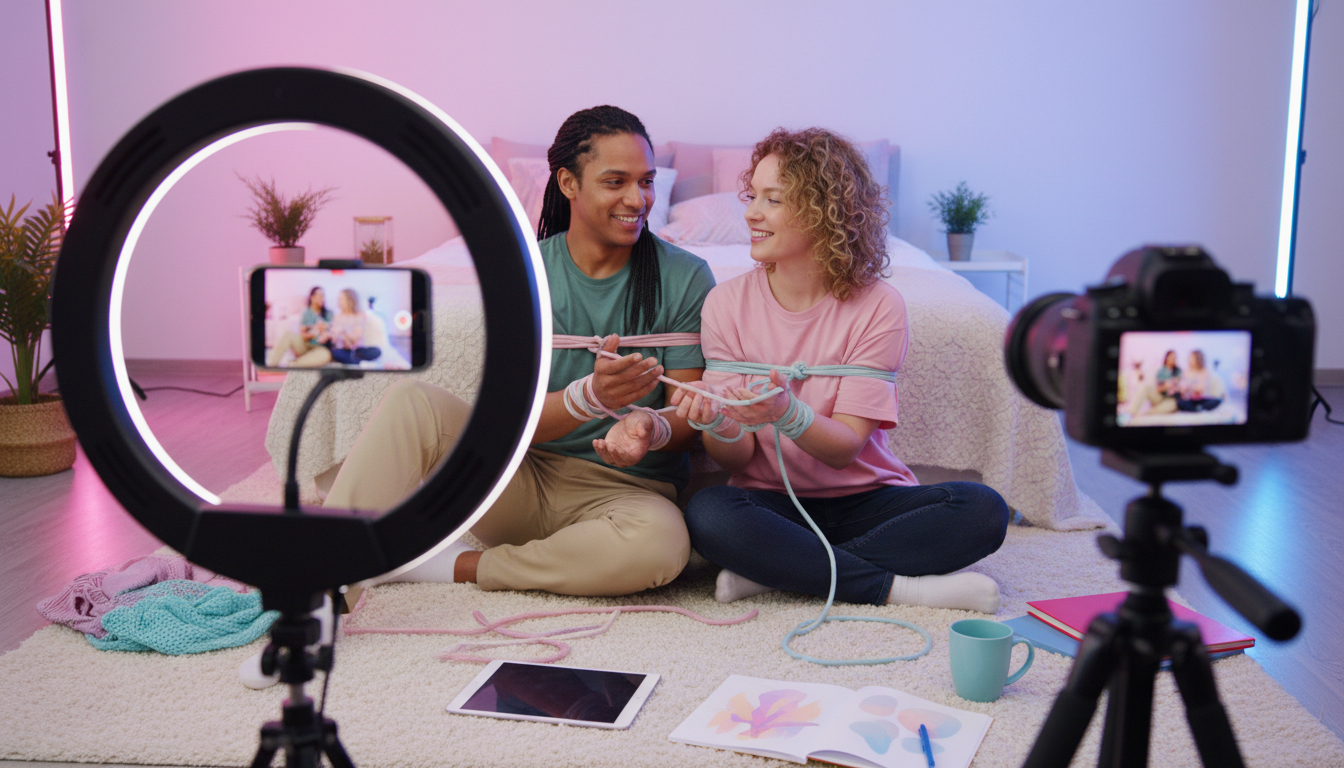
How to Start Bondage: Essential Tips for New Couples
How to Start Bondage: Essential Tips for New Couples
Exploring bondage for couples can be an exciting journey that deepens intimacy, trust, and communication in your relationship. This comprehensive guide is designed for beginners who want to safely and consensually introduce bondage into their intimate lives. Whether you're curious about light restraint play or want to understand the fundamentals before progressing further, this resource provides practical beginner bondage tips to help you start with confidence and safety.
Prerequisites for Starting Your Bondage Journey
Before diving into physical techniques, establish these foundational elements:
- Open communication: Both partners must feel comfortable discussing desires, boundaries, and concerns without judgment
- Enthusiastic consent: All activities require clear, ongoing agreement from everyone involved
- Privacy and time: Choose moments when you won't be interrupted and can take things slowly
- Research mindset: Approach bondage as a skill to learn together, not a performance to perfect immediately
- Basic supplies: Start with beginner-friendly restraints rather than complex equipment
Understanding Bondage Basics and Safety Fundamentals
What Bondage Means for Beginners
Bondage involves consensually restricting a partner's movement using restraints, rope, or other materials. For new couples, this typically starts with simple wrist or ankle restraints during intimate moments. The practice emphasizes trust, vulnerability, and heightened sensation rather than discomfort or pain.
Essential Safety Principles
Safety must always be your top priority when learning how to start bondage:
- Establish a safeword: Choose a clear word (like "red" for stop immediately, "yellow" for slow down) that either partner can use at any time
- Never leave someone bound alone: The restraining partner must stay present and attentive throughout
- Keep safety scissors nearby: Specialized bondage scissors with blunt tips allow quick release in emergencies
- Avoid restricting breathing: Never place restraints around the neck or in ways that could limit airflow
- Monitor circulation: Check that restraints aren't too tight by ensuring you can slip two fingers underneath
- Start with short sessions: Begin with 10-15 minutes and gradually increase duration as comfort grows
- Avoid restraining over joints: Position restraints on forearms or calves rather than directly on wrists or ankles
Choosing Your First Bondage Equipment
Beginner-Friendly Restraint Comparison
| Restraint Type | Difficulty Level | Price Range | Best For | Safety Notes |
|---|---|---|---|---|
| Velcro Cuffs | Beginner | $15-30 | First-time users | Quick release, adjustable |
| Under-bed Restraint System | Beginner | $25-50 | Bedroom play | Easy setup, no furniture damage |
| Silk Scarves | Beginner | $10-20 | Gentle restraint | Can tighten; monitor closely |
| Leather Cuffs | Intermediate | $40-80 | Regular use | Durable but requires proper sizing |
| Rope (Cotton) | Intermediate | $15-35 | Learning techniques | Requires knot knowledge |
What to Buy First
For couples just starting, invest in these essential items:
- Adjustable wrist and ankle cuffs with quick-release mechanisms
- Bondage safety scissors with rounded tips
- Soft blindfold to enhance sensory experiences
- Small padlock with keys (if using locking cuffs)
- Water-based lubricant for comfort during extended sessions
Step-by-Step Guide to Your First Bondage Experience
Preparing for Your First Session
-
Have a detailed conversation: Discuss what you're both curious about, what feels exciting, and what feels off-limits. Be specific about body parts, positions, and activities.
-
Set the environment: Choose a comfortable location with a soft surface (bed or carpeted floor). Ensure the room temperature is comfortable since the bound partner can't adjust blankets.
-
Gather supplies: Lay out your restraints, safety scissors, and any other items you plan to use. Keep everything within easy reach.
-
Establish your safeword system: Review and confirm your safeword, and practice saying it to ensure it feels natural.
-
Start with light touch: Before applying any restraints, spend time with massage and gentle touching to build anticipation and relaxation.
-
Apply restraints slowly: Start with just one limb restrained while maintaining constant verbal communication about comfort levels.
-
Check in frequently: Ask "How does this feel?" and "Are you comfortable?" every few minutes, especially during your first experiences.
-
End thoughtfully: Remove restraints gently and spend time cuddling, discussing the experience, and reconnecting emotionally.
Positions for Beginners
When learning beginner bondage tips, start with these accessible positions:
- Wrists bound in front: Allows the bound partner to remain comfortable while feeling pleasantly restricted
- One wrist to bedpost: Provides partial restraint while leaving mobility and reducing anxiety
- Ankles loosely tied together: Creates restriction without vulnerability, good for testing comfort levels
- Wrists to headboard: Classic position that works well with under-bed systems or headboard restraints
Communication and Consent in Bondage Play
Before, During, and After Check-Ins
Effective bondage for couples relies heavily on continuous communication:
Before play: Discuss specific activities, duration, intensity levels, and any concerns. Confirm both partners feel enthusiastic, not pressured.
During play: The active partner should regularly check comfort, circulation, and emotional state. The bound partner should feel empowered to speak up about any discomfort.
After play (aftercare): Spend time together discussing what worked, what didn't, and how each person feels physically and emotionally. This debriefing strengthens trust and improves future experiences.
Common Challenges and Troubleshooting Solutions
Challenge: Feeling Nervous or Self-Conscious
Solution: Start with very light restraint, keep clothes on initially, use a blindfold to reduce self-consciousness, and remember that awkwardness is normal and often becomes part of the fun.
Challenge: Restraints Feel Too Tight or Uncomfortable
Solution: Immediately loosen or remove restraints. Try positioning them on different areas (forearms instead of wrists), use padding underneath, or switch to softer materials like velcro cuffs.
Challenge: Difficulty Getting Into the Experience
Solution: Set the mood with lighting, music, and extended foreplay before introducing restraints. Some couples find that reading erotica or watching educational videos together builds anticipation.
Challenge: One Partner Loses Interest Mid-Session
Solution: Use your safeword and stop immediately. Discuss what changed—maybe the position was uncomfortable, the duration too long, or the activity didn't match expectations. Adjust for next time based on this feedback.
Challenge: Uncertainty About What to Do Once Partner Is Restrained
Solution: Plan activities beforehand such as sensory play with feathers or ice, massage, teasing, or simply maintaining eye contact and verbal connection. The restraint itself creates the experience; elaborate activities aren't required.
Building Your Bondage Skills Over Time
Progression Path for Couples
As you become comfortable with basics, consider this natural progression:
- Weeks 1-2: Single-limb restraint, short sessions (10-15 minutes), extensive communication
- Weeks 3-4: Multiple limbs restrained, slightly longer sessions (20-30 minutes), introducing blindfolds
- Months 2-3: Experimenting with different positions, adding sensory elements, exploring role-play scenarios
- Months 4-6: Potentially learning basic rope techniques, trying furniture-based bondage, or attending workshops
Educational Resources
Continue learning through reputable sources:
- Books by certified sexologists and kink educators
- Online workshops focused on consent and safety
- Local kink-friendly community groups (many offer beginner classes)
- Educational websites with detailed tutorials and safety information
Frequently Asked Questions
How tight should bondage restraints be?
Restraints should be snug enough that the bound partner can't easily slip out, but loose enough that you can comfortably fit two fingers between the restraint and skin. You should be able to rotate the restraint slightly around the limb. Check circulation every 5-10 minutes by looking for color changes, asking about tingling or numbness, and ensuring the bound partner can move their fingers or toes. If you notice any circulation issues, immediately loosen or remove the restraints.
What if one partner wants to try bondage but the other is hesitant?
Never pressure a reluctant partner. Instead, have honest conversations about specific concerns—is it fear of vulnerability, safety worries, or simply not understanding the appeal? Share educational resources, discuss starting extremely slowly (perhaps just holding hands above the head without restraints), and respect if a partner decides bondage isn't for them. Some couples find that the hesitant partner trying the active role first helps build understanding and comfort.
Is it normal to feel emotional during or after bondage?
Yes, experiencing strong emotions during bondage is completely normal. The vulnerability and trust involved can trigger unexpected feelings ranging from euphoria to sadness or anxiety. This is why aftercare is crucial—spend time cuddling, talking, and reconnecting. Some people experience "sub drop" (emotional dip after intense experiences), which can be managed with physical comfort, hydration, and gentle conversation. If emotions feel overwhelming or persistently negative, consider taking a break from bondage and possibly consulting a kink-aware therapist.
How do we keep bondage exciting after the initial novelty wears off?
Variety maintains interest in bondage for couples. Try different restraint positions, alternate who takes the active versus passive role, incorporate other sensory experiences (temperature play, textures), change your environment (different rooms or furniture), add role-play scenarios, or learn new techniques like basic rope patterns. Many couples find that bondage becomes more enjoyable over time as trust deepens and skills improve, rather than becoming less exciting.
What should we do if something goes wrong during a bondage session?
If either partner uses the safeword or if you notice any safety concerns (circulation problems, breathing difficulty, severe discomfort), immediately stop and remove restraints. Stay calm and work together to address the issue. Check for injuries, provide comfort, and discuss what happened once everyone feels stable. Learn from the experience by identifying what went wrong and how to prevent it in the future. Keep emergency information accessible, and don't hesitate to seek medical attention if needed. Most issues are preventable through proper education and cautious progression.
Conclusion and Next Steps
Learning how to start bondage as a couple is a journey that unfolds gradually through communication, experimentation, and mutual respect. Begin with simple restraints, prioritize safety and consent above all else, and allow your experiences to develop naturally without pressure to progress quickly.
Your next steps should include: purchasing beginner-friendly equipment, having a detailed conversation with your partner about interests and boundaries, scheduling your first session when you have privacy and time, and committing to honest feedback after each experience. Remember that every couple's bondage journey looks different—focus on what brings you closer together rather than comparing yourselves to others.
As you grow more comfortable, explore additional resources, consider attending workshops together, and continue prioritizing the trust and communication that make bondage a meaningful intimate practice. The foundation you build now will support increasingly satisfying experiences as your confidence and skills develop.