
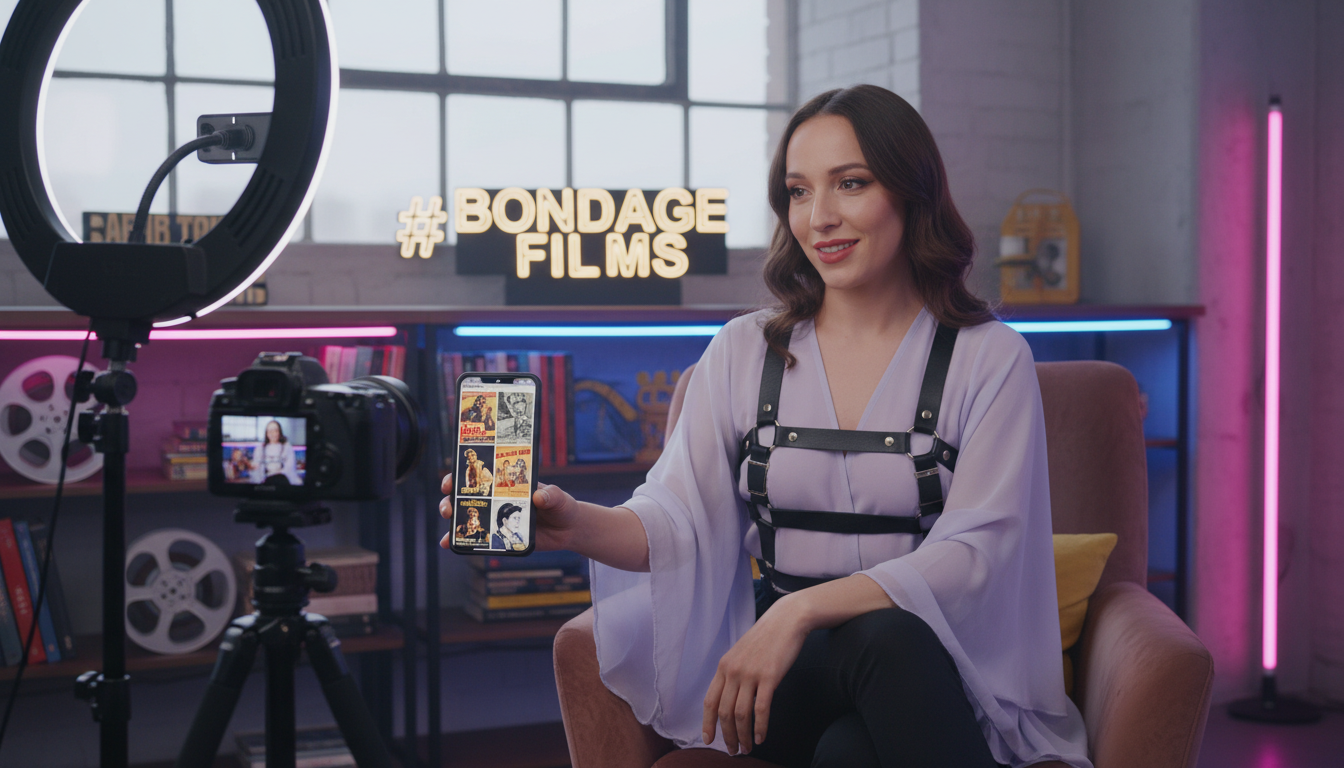
The History of Bondage in Mainstream Cinema
The History of Bondage in Mainstream Cinema
This comprehensive guide explores the evolution of bondage and BDSM representation in mainstream cinema, from early silent films to contemporary blockbusters. Whether you're a film historian, student of cinema, curious viewer, or industry professional, this analysis examines how bondage themes in movies have transitioned from coded symbolism to explicit narrative elements, reflecting changing societal attitudes toward sexuality, power dynamics, and consent.
Prerequisites for Understanding Bondage in Film History
Before diving into this exploration of film history, readers should have:
- Basic familiarity with cinema terminology and film analysis concepts
- An understanding that bondage and BDSM can be explored as artistic expression and psychological narrative devices
- Awareness of historical censorship codes (Hayes Code, MPAA ratings evolution)
- Recognition that representation does not equal endorsement or instruction
- Appreciation for cultural context when viewing films from different eras
Early Cinema and the Pre-Code Era (1890s-1934)
The history of bondage in cinema begins almost immediately with the medium itself. Early silent films featured "damsel in distress" scenarios where restraint served as a plot device rather than explicit sexual content. Films like "The Perils of Pauline" (1914) established visual tropes of bound protagonists that would echo through decades of cinema.
During the Pre-Code era (1929-1934), before strict censorship guidelines were enforced, filmmakers experimented more openly with mature themes. Films occasionally featured suggestive restraint scenes that hinted at power dynamics and unconventional relationships, though always within melodramatic or adventure contexts.
The Hayes Code Era and Coded Representation (1934-1968)
The implementation of the Motion Picture Production Code forced filmmakers to become creative with BDSM representation. Bondage themes in movies during this period appeared through:
- Metaphorical imagery in film noir (chains, shadows, entrapment)
- Adventure and western genres using restraint as action elements
- Psychological thrillers exploring dominance and submission through power dynamics
- Foreign art house films that operated outside American censorship
Key Developments in International Cinema
European and Japanese cinema explored these themes more openly. Directors like Luis Buñuel incorporated surrealist bondage imagery in "Belle de Jour" (1967), while Japanese cinema developed its own aesthetic traditions that would influence global film history.
The Sexual Revolution and New Hollywood (1968-1980s)
The collapse of the Hayes Code coincided with broader cultural shifts. BDSM representation became more explicit and nuanced:
- Bernardo Bertolucci's "Last Tango in Paris" (1972) pushed boundaries with power dynamics and controversial intimate scenes
- "The Night Porter" (1974) explored complex psychological territory through sadomasochistic relationships
- "9½ Weeks" (1986) brought erotic power exchange into mainstream multiplex cinema
- "Blue Velvet" (1986) used BDSM imagery to explore American darkness and psychological trauma
- Japanese "pink films" and European art cinema continued developing sophisticated approaches to these themes
Comparison of Landmark Films in Bondage Cinema History
| Film Title | Year | Director | Approach to Bondage | Cultural Impact |
|---|---|---|---|---|
| Belle de Jour | 1967 | Luis Buñuel | Surrealist fantasy exploration | Legitimized BDSM as art house subject |
| The Night Porter | 1974 | Liliana Cavani | Psychological trauma narrative | Controversial examination of power |
| 9½ Weeks | 1986 | Adrian Lyne | Erotic mainstream romance | Brought dominance/submission to wider audiences |
| Secretary | 2002 | Steven Shainberg | Romantic comedy framework | Humanized BDSM relationships |
| Fifty Shades of Grey | 2015 | Sam Taylor-Johnson | Mainstream blockbuster | Unprecedented commercial success for BDSM content |
The Modern Era: Normalization and Nuance (1990s-Present)
Contemporary cinema has seen increasingly sophisticated BDSM representation:
Independent and Art House Success
"Secretary" (2002) marked a watershed moment by presenting a BDSM relationship as ultimately healthy, consensual, and even romantic. The film balanced humor, pathos, and eroticism while treating its characters with respect and complexity.
Blockbuster Breakthrough
The "Fifty Shades" trilogy (2015-2018) brought explicit bondage content to unprecedented mainstream commercial success, grossing over $1.3 billion worldwide. While controversial within BDSM communities for its representation of consent and safety practices, the films undeniably moved these themes from subculture to popular culture.
Contemporary Diverse Representations
Modern film history includes:
- Superhero and action films incorporating bondage aesthetics into costume and production design
- Psychological thrillers using BDSM dynamics to explore trauma, healing, and power
- Romantic dramas depicting negotiations around consent and boundaries
- Documentaries examining real practitioners and communities
- Streaming platforms enabling more diverse and explicit content outside traditional theatrical distribution
Key Elements in Effective Cinematic Bondage Representation
Successful films that incorporate bondage themes typically include:
- Clear distinction between consensual BDSM and abuse or assault
- Character development that explains motivations and desires
- Visual language that balances eroticism with narrative purpose
- Acknowledgment of safety practices when depicting actual BDSM activities
- Psychological depth exploring why characters engage in power exchange
- Cultural or historical context appropriate to the story's setting
- Artistic cinematography that treats bodies and acts with visual sophistication
Common Challenges in Depicting Bondage on Screen
Challenge 1: Balancing Exploitation and Exploration
Filmmakers must navigate the line between exploitative sensationalism and genuine exploration of human sexuality. Solution: Focus on character psychology, clear consent, and narrative purpose rather than shock value alone.
Challenge 2: Rating Restrictions and Distribution
Explicit sexual content often results in restrictive ratings that limit theatrical distribution. Solution: Many filmmakers work within rating system parameters or target streaming platforms and international markets with different standards.
Challenge 3: Authentic Representation vs. Mainstream Accessibility
True BDSM practices may not translate effectively to screen drama. Solution: Consult with community members while prioritizing narrative coherence and emotional truth over documentary accuracy.
Challenge 4: Avoiding Harmful Stereotypes
Historically, BDSM representation often linked these practices to trauma, criminality, or pathology. Solution: Contemporary best practices show diverse practitioners engaging in healthy, consensual activities as part of fulfilling relationships.
Impact on Culture and Subsequent Media
The evolution of bondage themes in movies has influenced:
- Television series now regularly incorporating BDSM storylines and characters
- Fashion and music video aesthetics borrowing bondage imagery
- Broader cultural conversations about consent, boundaries, and sexual diversity
- Increased visibility leading to better education about actual practices versus cinematic depiction
- Economic growth in adult industry and boutique retailers serving BDSM communities
FAQ: Bondage in Mainstream Cinema
Q: When did bondage first appear in mainstream cinema?
A: Bondage imagery appeared in cinema's earliest days through "damsel in distress" tropes in silent films from the 1910s. However, explicit BDSM representation in mainstream films emerged during the late 1960s and 1970s as censorship codes collapsed, with European art house cinema leading the way. Films like "Belle de Jour" (1967) and "The Night Porter" (1974) brought these themes to serious dramatic cinema.
Q: How has BDSM representation in film changed over time?
A: Film history shows clear evolution from coded symbolism during the Hayes Code era to increasingly explicit and nuanced representation. Early depictions often linked BDSM to villainy or pathology, while contemporary films more frequently portray consensual practices within healthy relationships. The shift reflects broader cultural changes in understanding sexuality, consent, and diversity in intimate expression.
Q: What film is considered the breakthrough for mainstream bondage content?
A: While several films contributed, "Secretary" (2002) is widely considered a critical turning point for bringing BDSM relationships into mainstream cinema with sensitivity and humor. However, the "Fifty Shades of Grey" series (2015-2018) achieved unprecedented commercial success, becoming the highest-grossing bondage-themed films in history and bringing these themes to mass audiences worldwide.
Q: Are films accurate representations of real BDSM practices?
A: Cinema prioritizes drama and visual storytelling over documentary accuracy. Many films depict practices without showing realistic safety negotiations, aftercare, or community standards. Viewers should understand that movies are entertainment, not instruction manuals. Real BDSM communities emphasize consent, communication, and safety practices that films may compress or omit for narrative purposes.
Q: How do international films differ in their approach to bondage themes?
A: International cinema often explores these themes with different cultural frameworks. Japanese cinema developed unique aesthetic traditions; European art house films frequently treat sexuality more openly than American productions; and various national film industries reflect their societies' attitudes toward sexuality and censorship. This diversity enriches film history and provides multiple perspectives on human intimacy and power dynamics.
Conclusion: The Ongoing Evolution
The history of bondage in cinema reflects broader cultural evolution regarding sexuality, consent, and representation. From coded symbolism in early Hollywood to explicit exploration in contemporary streaming content, film history demonstrates increasing sophistication in depicting complex human desires and relationships.
For further exploration, consider watching the landmark films mentioned in this guide chronologically to observe how representation has evolved. Academic film studies programs increasingly examine sexuality in cinema, while BDSM communities offer perspectives on accurate versus cinematic representation. Understanding this history enhances appreciation for both cinema's artistic evolution and society's changing conversations about intimacy, power, and consent.
Whether approaching this topic as a film scholar, cultural historian, or curious viewer, recognizing bondage themes in movies as part of cinema's broader exploration of human experience enriches understanding of both the medium and ourselves.