
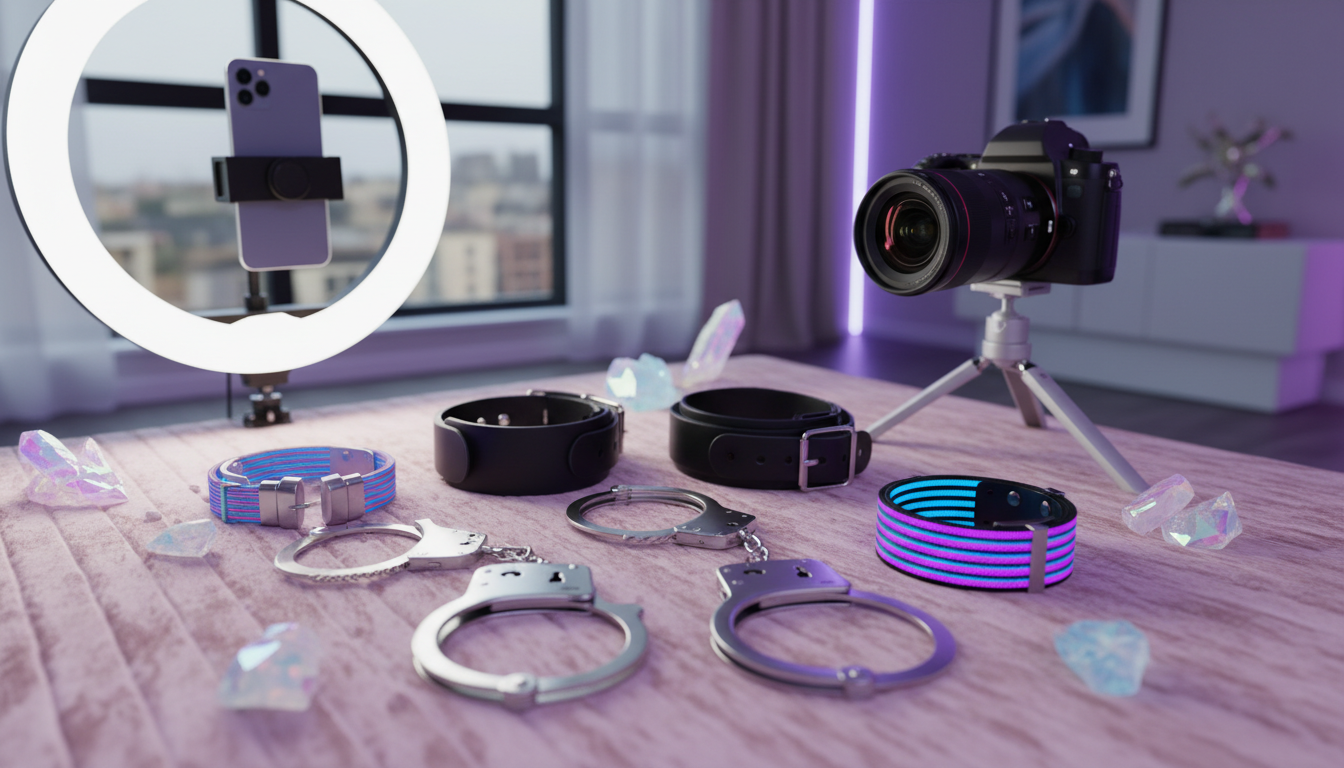
Handcuffs for Bondage: Types and How to Use Them
Handcuffs for Bondage: Types and How to Use Them
Handcuffs represent one of the most iconic and accessible forms of restraint in bondage play, appealing to both beginners exploring power dynamics and experienced practitioners seeking reliable equipment. This comprehensive guide examines the various types of handcuffs available for bondage, their specific applications, safety considerations, and proper usage techniques. Whether you're a bondage model preparing for a photoshoot, a couple exploring consensual restraint, or a professional looking to expand your equipment knowledge, understanding handcuffs bondage fundamentals is essential for safe and enjoyable experiences.
Prerequisites for Using Handcuffs in Bondage
Before incorporating handcuffs into any bondage scenario, ensure you have:
- Explicit consent from all participants with clearly established boundaries
- Emergency release tools (keys, safety shears, or quick-release mechanisms)
- Basic knowledge of circulation safety and nerve positioning
- Communication signals established for checking comfort and stopping play
- Private, comfortable space free from interruptions
Types of Handcuffs: A Comprehensive Overview
Understanding the different types of handcuffs available helps you select the right equipment for your specific needs, skill level, and intended use.
Police-Style Metal Handcuffs
Authentic or replica police handcuffs feature metal construction with ratcheting mechanisms. While they provide an authentic aesthetic for roleplay scenarios, these require careful use due to their rigidity and potential to cause injury. They're best suited for experienced users who understand proper application and monitoring.
Bondage Cuffs with Padding
Specifically designed bondage cuffs incorporate padding (leather, neoprene, or faux fur) to distribute pressure evenly and prevent nerve damage or bruising. These represent the safest option for extended wear and are ideal for both photography sessions and intimate encounters.
Chain-Link vs. Hinge Handcuffs
Chain-link models provide more mobility and comfort, while hinged designs offer greater security and restriction. The choice depends on your desired level of restraint and the specific position you're maintaining.
Quick-Release and Training Cuffs
Designed with safety mechanisms that allow immediate release without keys, these are excellent for beginners learning about types of handcuffs and their applications in controlled environments.
Comparison Table: Handcuff Types for Different Needs
| Handcuff Type | Comfort Level | Security | Best For | Price Range |
|---|---|---|---|---|
| Police-Style Metal | Low | Very High | Advanced users, authentic roleplay | $15-$50 |
| Padded Leather Cuffs | Very High | Medium | Extended sessions, modeling, beginners | $30-$100 |
| Neoprene Sport Cuffs | High | Medium | Active scenes, water play | $25-$70 |
| Chain-Link Metal | Medium | High | General use, traditional aesthetic | $20-$60 |
| Hinged Metal | Low-Medium | Very High | Maximum restraint, short duration | $25-$75 |
| Quick-Release Training | High | Low-Medium | Learning, nervous beginners | $20-$50 |
Step-by-Step Guide: How to Use Handcuffs Safely
Follow these essential steps to ensure safe and effective handcuff application:
- Obtain explicit consent and discuss boundaries, duration limits, and safe words or signals before beginning
- Inspect your equipment for defects, sharp edges, or mechanical problems that could cause injury
- Test the quick-release mechanism or verify you have accessible keys before application
- Position hands properly - behind the back, in front, or attached to furniture, ensuring natural alignment
- Apply handcuffs with appropriate tightness - secure enough to prevent escape but loose enough to fit two fingers between cuff and skin
- Double-lock metal handcuffs (if applicable) to prevent further tightening during movement
- Monitor circulation constantly by checking finger color, temperature, and sensation every 5-10 minutes
- Communicate throughout using established check-in protocols to assess comfort and adjust as needed
- Limit duration to prevent nerve damage - generally no more than 20-30 minutes for rigid cuffs, longer for padded versions
- Release carefully and massage wrists gently to restore full circulation before moving to other activities
Essential Safety Features to Consider
When selecting handcuffs for bondage purposes, prioritize these critical safety elements:
- Double-locking mechanisms that prevent accidental tightening
- Adequate padding with at least 1/4 inch thickness for wrist protection
- Quick-release options or easily accessible key storage
- Non-corrosive materials that won't degrade or cause skin reactions
- Adjustable sizing to accommodate different wrist dimensions
- Smooth interior surfaces without burrs, sharp edges, or rough spots
- Reliable construction with sturdy stitching (for fabric/leather) or solid welding (for metal)
Advanced Techniques and Positioning
Front Restraint
Handcuffs applied in front allow for greater comfort during extended sessions and are ideal for photography, as the restrained person maintains better balance and can be positioned more easily.
Behind-the-Back Restraint
This classic position creates a greater sense of vulnerability and restriction. Always ensure shoulders remain in a comfortable, natural position to prevent strain.
Attachment Points
Many bondage cuffs feature D-rings or O-rings that allow connection to other restraints, furniture, or bondage equipment, expanding creative possibilities while maintaining safety.
Common Challenges and Solutions
Challenge: Handcuffs Too Tight
Solution: Immediately release and reapply with proper spacing. Never force circulation issues - numbness, tingling, or color change requires instant removal.
Challenge: Lost Keys
Solution: Always keep backup keys in an accessible location. Consider attaching keys to a nearby surface with removable adhesive, or use quick-release models.
Challenge: Discomfort During Extended Wear
Solution: Switch to heavily padded bondage cuffs, take regular breaks, or alternate positions. Use sheepskin covers over metal cuffs for photo sessions.
Challenge: Skin Irritation or Bruising
Solution: Apply cuffs over clothing or use protective wrist wraps. Ensure proper fit and avoid excessive movement that causes friction.
Challenge: Panic or Anxiety
Solution: Establish clear communication beforehand. Practice with quick-release cuffs first to build confidence. Always respect immediate release requests without question.
Material Considerations for Different Scenarios
Leather Bondage Cuffs
Leather offers an ideal balance of aesthetics, comfort, and durability. High-quality leather cuffs develop a personalized patina over time and provide excellent wrist protection for modeling sessions and personal use.
Metal Handcuffs
Metal provides authenticity and psychological impact but requires careful monitoring. Stainless steel resists corrosion better than standard steel and is easier to sanitize between uses.
Synthetic Materials
Neoprene and vegan leather alternatives offer waterproof properties, easy cleaning, and ethical options for those avoiding animal products. These materials work especially well for active scenes or messy play.
Maintenance and Care Guidelines
Proper maintenance extends equipment life and ensures continued safety:
- Clean metal handcuffs with antibacterial wipes after each use
- Condition leather cuffs regularly with appropriate leather care products
- Lubricate mechanical parts of metal handcuffs periodically with light machine oil
- Store separately in a cool, dry location away from direct sunlight
- Inspect before each use for wear, damage, or mechanical issues
- Replace worn equipment immediately - never compromise on safety
Integration with Other Bondage Equipment
Handcuffs work effectively as part of comprehensive restraint systems. Consider these combinations:
- Handcuffs with ankle cuffs for full-body restraint scenarios
- Connection to bondage furniture like beds, chairs, or suspension frames
- Spreader bars attached to cuffed wrists to maintain specific positions
- Collar and cuff sets for aesthetically coordinated bondage sessions
Frequently Asked Questions
What's the difference between police handcuffs and bondage handcuffs?
Police handcuffs prioritize security and are designed for non-consensual restraint of potentially dangerous individuals, often causing discomfort. Bondage handcuffs emphasize safety, comfort, and consensual use, typically featuring padding, quick-release mechanisms, and designs that prevent nerve damage during extended wear. For bondage modeling and intimate use, always choose purpose-designed bondage cuffs over authentic police equipment.
How tight should handcuffs be during bondage play?
Handcuffs should be tight enough that the restrained person cannot slip out, but loose enough that you can easily fit two fingers between the cuff and their wrist. Proper tightness prevents both escape and circulation problems. With metal handcuffs, always engage the double-lock feature after application to prevent accidental tightening. Check circulation every 5-10 minutes by assessing finger color, warmth, and sensation.
Can I leave someone in handcuffs unattended?
Absolutely never leave someone restrained and alone, even for brief periods. Unattended bondage presents serious safety risks including circulation loss, positional asphyxia, panic attacks, or equipment failure. The person applying restraints must remain present, attentive, and capable of immediate release throughout the entire duration of bondage play. This fundamental safety rule applies regardless of experience level.
What should I do if handcuffs won't unlock?
Stay calm and use your backup key or emergency release tool immediately. If the key breaks or the mechanism fails with metal handcuffs, use bolt cutters or emergency safety shears designed for restraint removal. This is why professional bondage practitioners always keep emergency tools within arm's reach during sessions. Consider practicing emergency release procedures before incorporating handcuffs into actual scenes.
Are there handcuffs suitable for people with larger or smaller wrists?
Yes, many manufacturers offer adjustable bondage cuffs that accommodate various wrist sizes through multiple buckle holes, Velcro closures, or adjustable straps. Standard metal handcuffs have limited size range and may not fit very small or large wrists safely. When selecting equipment, always verify sizing specifications and opt for adjustable models if restraining different people. Properly fitted handcuffs are essential for both safety and effective restraint.
Conclusion and Next Steps
Mastering handcuffs bondage requires understanding the various types of handcuffs available, proper application techniques, and unwavering commitment to safety protocols. Start with heavily padded, quick-release bondage cuffs to build confidence and experience before progressing to more restrictive options. Always prioritize communication, consent, and circulation monitoring over aesthetic considerations or authenticity.
For your next steps, consider exploring complementary restraint equipment like ankle cuffs, under-bed restraint systems, or bondage rope techniques. Practice emergency release procedures until they become automatic, and never stop learning about safety innovations in the bondage community. Whether you're modeling, photographing, or exploring personal dynamics, quality handcuffs used responsibly provide exciting possibilities while maintaining the respect and care essential to ethical bondage practices.