
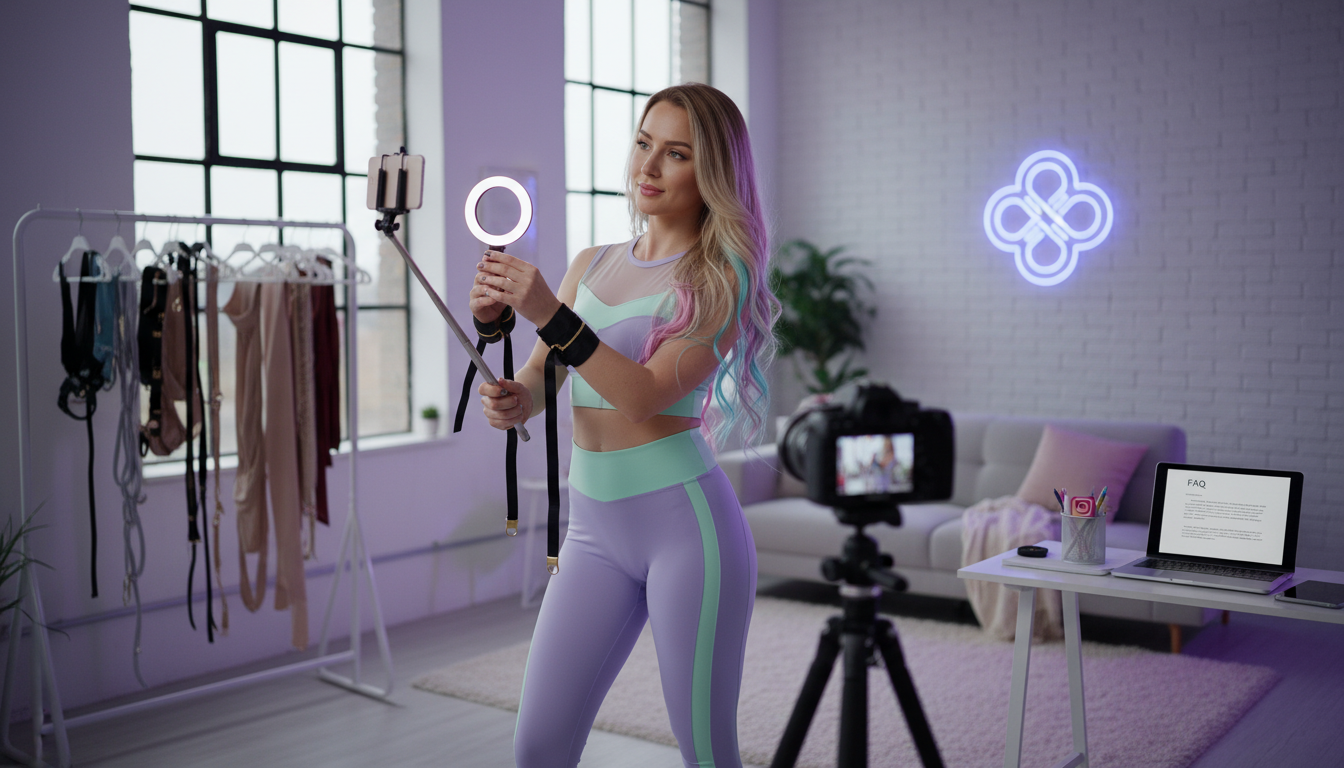
Frequently Asked Questions about Bondage Modelling
Frequently Asked Questions about Bondage Modelling
Bondage modelling is a specialized niche within the adult entertainment and artistic photography industries that combines technical skill, artistic expression, and professional discipline. This comprehensive guide addresses the most common questions and beginner inquiries from individuals interested in getting started as bondage models. Whether you're exploring this career path for artistic fulfillment, income opportunities, or personal growth, understanding the fundamentals will help you make informed decisions and approach this profession with confidence and professionalism.
Understanding the Bondage Modelling Profession
What Exactly Is Bondage Modelling?
Bondage modelling involves posing for photographers, videographers, or artists while restrained using rope, leather, metal restraints, or other materials. This work spans multiple genres including artistic photography, fashion editorials, educational content, and adult entertainment. Professional bondage models work with riggers, photographers, and production teams to create compelling visual content that showcases both the aesthetic beauty of bondage and the model's ability to convey emotion and vulnerability within restraints.
The profession requires physical stamina, emotional intelligence, clear communication skills, and a thorough understanding of safety protocols. Models must maintain professional boundaries while working in intimate settings and develop expertise in various bondage styles from Japanese shibari to Western rope bondage.
How Much Can Bondage Models Earn?
Income varies significantly based on experience, location, platform, and type of work. Here's a detailed breakdown of typical earnings:
| Experience Level | Hourly Rate | Session Rate (2-4 hours) | Monthly Potential |
|---|---|---|---|
| Beginner (0-6 months) | $50-$150 | $200-$500 | $800-$2,000 |
| Intermediate (6-24 months) | $150-$300 | $500-$1,200 | $2,000-$5,000 |
| Experienced (2-5 years) | $300-$600 | $1,200-$2,500 | $5,000-$12,000 |
| Professional (5+ years) | $600-$1,500+ | $2,500-$6,000+ | $12,000-$30,000+ |
Additional revenue streams include content sales, subscription platforms, custom requests, workshop demonstrations, and brand partnerships. Top-tier models with strong personal brands can exceed these figures substantially.
Getting Started: Essential Steps for Aspiring Models
Prerequisites and Requirements
Before beginning your journey, ensure you meet these fundamental requirements:
- Age verification: Must be 18 years or older with valid government-issued identification
- Physical health: Good overall fitness and flexibility to maintain positions for extended periods
- Mental preparedness: Comfort with nudity, intimacy, and vulnerable positions
- Legal understanding: Knowledge of local laws regarding adult content creation
- Support system: Trusted friends or partners who understand your career choice
Your First Steps into Bondage Modelling
Many beginner inquiries focus on how to actually start working. Follow these structured steps:
-
Research and education: Study bondage styles, safety practices, and industry standards through reputable resources, workshops, and online communities.
-
Self-assessment: Honestly evaluate your comfort levels with different types of bondage, nudity levels, and working environments.
-
Create initial portfolio: Work with amateur or semi-professional photographers to build 10-15 quality images showcasing your look and comfort with restraints.
-
Establish online presence: Set up professional profiles on Model Mayhem, FetLife, or specialized platforms, clearly stating your boundaries and experience level.
-
Network strategically: Attend local fetish community events, rope-share meetups, or photography workshops to meet potential collaborators.
-
Book test shoots: Schedule paid or TFP (Time For Prints) sessions with experienced riggers to gain hands-on experience and expand your portfolio.
-
Develop your brand: Identify your unique style, preferred bondage aesthetics, and target audience to differentiate yourself in the market.
-
Legal protection: Consult with a lawyer about contracts, model releases, and content rights before signing any agreements.
Platform and Income Strategy Comparison
Where Should You Work?
Successful models typically diversify across multiple platforms:
Direct client work advantages:
- Higher per-session rates ($200-$1,500)
- Personal relationship building with photographers and riggers
- Portfolio control and creative input
- Flexible scheduling
- Networking opportunities
Subscription platform benefits:
- Passive income from content libraries
- Global audience reach
- Platform handles payment processing
- Community building opportunities
- Lower time investment per dollar earned
Studio production pros:
- Professional equipment and settings
- Legal protection and contracts
- Consistent booking opportunities
- Industry credential building
- Safety protocols and support staff
Safety, Consent, and Professional Practices
Essential Safety Protocols
Every bondage model must prioritize these safety measures:
- Pre-session negotiation: Discuss all planned activities, boundaries, safe words, and emergency release procedures before any restraints are applied
- Safety scissors availability: Ensure EMT shears or safety scissors are immediately accessible to cut rope in emergencies
- Communication systems: Establish verbal and non-verbal signals for discomfort, circulation issues, or need to stop
- Physical monitoring: Rigger must regularly check extremities for color changes, temperature, sensation, and mobility
- Time limits: Never remain in restraints longer than comfortable; communicate any numbness or pain immediately
- Witness requirement: Ideally have a third person present during sessions, especially with new collaborators
- Health disclosure: Inform riggers of any injuries, chronic conditions, or physical limitations beforehand
Professional Boundary Management
Common questions about boundaries include:
What boundaries should I set? Define clear limits regarding: nudity levels (topless, full, implied), genital contact or touching, photography angles, content distribution rights, working with multiple riggers simultaneously, and session duration. Document these in writing before shoots.
How do I enforce boundaries professionally? Use clear, direct language: "I don't work with genital contact" or "My contract requires exclusive content distribution rights." Professional collaborators will respect these immediately. Anyone who pressures or negotiates boundaries is displaying red flags.
Common Challenges and Solutions
Physical Discomfort and Stamina Building
Challenge: New models often experience muscle fatigue, rope burn, or difficulty maintaining positions.
Solutions: Start with shorter sessions (30-60 minutes), gradually building endurance. Practice yoga or flexibility training to improve position tolerance. Use protective wraps under rope in sensitive areas. Communicate discomfort early rather than pushing through pain. Build muscle strength through regular exercise focusing on core stability.
Mental and Emotional Boundaries
Challenge: Separating professional work from personal identity, managing stigma, or dealing with emotional vulnerability.
Solutions: Develop a clear distinction between your model persona and private self. Build a support network of fellow models and understanding friends. Consider working with a therapist familiar with sex work. Practice self-care rituals between sessions. Remember that your work is valid artistic expression regardless of others' opinions.
Inconsistent Income and Booking Gaps
Challenge: Irregular work schedules and unpredictable earnings, especially when getting started.
Solutions: Maintain alternative income sources during the first 12-24 months. Diversify across multiple platforms and revenue streams. Build a client retention strategy with excellent communication and professionalism. Create content libraries that generate passive income. Network consistently even during busy periods. Set aside 30% of earnings for slow months.
Building Your Bondage Modelling Career
Long-Term Success Strategies
Successful models approach this as a legitimate business:
- Continuous education: Attend workshops, learn new bondage styles, study anatomy and circulation
- Brand development: Cultivate a distinctive aesthetic, reliable reputation, and professional image
- Financial management: Track expenses, save for taxes, invest in quality portfolio images
- Health maintenance: Regular exercise, flexibility training, injury prevention, and mental health support
- Community participation: Engage with the bondage community respectfully, support fellow models, share knowledge
- Content diversification: Expand into teaching, consulting, or rigger collaboration rather than modelling alone
Frequently Asked Questions
Q: Do I need previous modeling experience to become a bondage model?
A: No previous modeling experience is required, though it can be helpful. Many successful bondage models start with no traditional modeling background. What matters most is comfort with restraints, strong communication skills, understanding of consent and safety, and willingness to learn. Focus on building a portfolio through test shoots with experienced photographers and riggers who can guide you through poses and expressions specific to bondage work.
Q: How do I find legitimate, safe photographers and riggers to work with?
A: Research thoroughly by checking references, reviewing portfolios, and reading community feedback on platforms like FetLife or Model Mayhem. Meet potential collaborators in public first to discuss expectations and boundaries. Verify their experience with bondage safety protocols. Request references from other models they've worked with. Trust your instincts—if something feels wrong, decline the booking. Experienced professionals will always prioritize your safety, have proper equipment, and discuss emergency procedures before beginning.
Q: What should I include in my modeling contract?
A: Essential contract elements include: detailed scope of work (poses, nudity level, bondage types), compensation terms and payment schedule, content usage rights and distribution limitations, model release specifics, safety protocols and emergency procedures, cancellation policies, and confidentiality agreements. Specify who owns the images, where they can be published, and whether you receive ongoing compensation for content reuse. Always have contracts reviewed by a lawyer before signing.
Q: How do I handle family and friends knowing about my bondage modeling career?
A: This is deeply personal and depends on your relationships and comfort level. Some models keep their work completely private using stage names and face-obscuring techniques. Others are fully open with trusted individuals. Consider gradual disclosure starting with most accepting friends. Prepare clear, confident explanations emphasizing the artistic and professional nature of your work. Remember you're not obligated to justify legitimate career choices to anyone. Build strong boundaries around your personal life.
Q: Can bondage modeling lead to other career opportunities?
A: Absolutely. Many bondage models transition into related fields including professional rigging, bondage education and instruction, photography, content production, adult industry consultation, artistic direction, or mainstream alternative modeling. The skills you develop—communication, body awareness, negotiation, business management—are highly transferable. Building a strong reputation opens doors to workshops, convention appearances, brand partnerships, and creative collaborations that extend well beyond basic modeling work.
Conclusion and Next Steps
Bondage modelling offers unique opportunities for personal expression, artistic collaboration, and financial independence for those who approach it with professionalism, safety awareness, and respect for the craft. By understanding the common questions and beginner inquiries addressed in this guide, you're better equipped to make informed decisions about whether this career path aligns with your goals and values.
Your next steps should include: thoroughly researching safety protocols and consent practices, building connections within your local bondage community, creating initial portfolio content with trusted collaborators, establishing clear personal boundaries and business practices, and continuously educating yourself about the technical and artistic aspects of bondage work. Remember that getting started takes time—be patient with your progress, prioritize safety above all else, and approach this profession with the same seriousness you would any other career choice.
Success in bondage modelling comes from combining artistic vision with business acumen, maintaining unwavering safety standards, and building authentic relationships within the community. Whether you pursue this as a primary career or supplementary income, the skills and confidence you develop will serve you throughout your professional journey.