
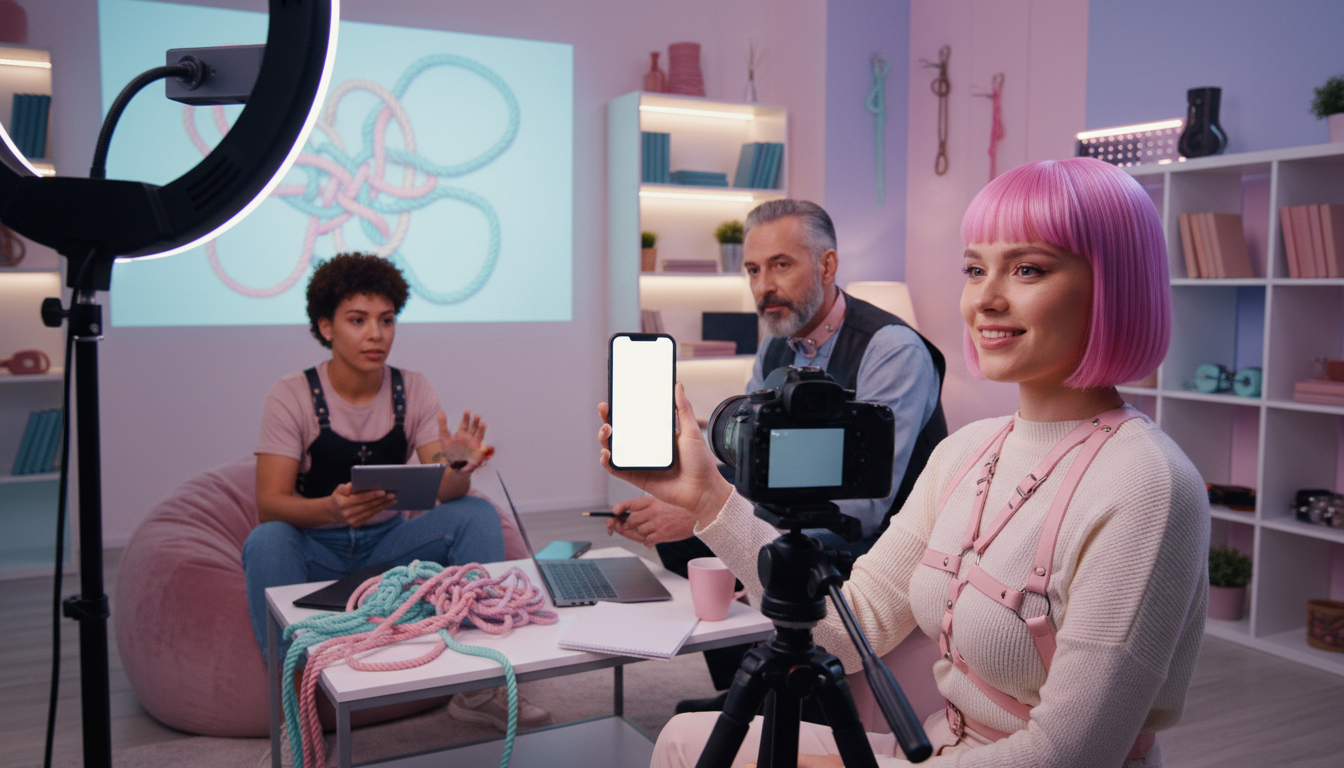
Finding Mentors in the Fetish Community
Finding Mentors in the Fetish Community: A Career Development Guide
Navigating a career in bondage modeling requires more than just technical skills and physical presence. For aspiring models entering this specialized industry, finding mentors in the fetish community can accelerate professional growth, ensure safety, and open doors to opportunities that might otherwise remain hidden. This comprehensive guide provides practical strategies for identifying, approaching, and building meaningful mentorship relationships that will support your career development while emphasizing the importance of community connections and the substantial mentorship benefits available to those willing to seek guidance.
Prerequisites for Seeking Mentorship
Before actively pursuing a mentor in the fetish community, ensure you have:
- A clear understanding of your career goals and modeling interests
- Basic knowledge of consent practices and safety protocols
- Active participation in at least one fetish community (online or in-person)
- A professional attitude and willingness to learn
- Realistic expectations about time commitment and relationship boundaries
Understanding Mentorship in the Fetish Industry
What Makes Fetish Mentorship Unique
Mentorship in the bondage and fetish modeling world differs significantly from traditional modeling guidance. These relationships focus not only on posing techniques and portfolio building but also on navigating consent negotiations, understanding rope safety, recognizing red flags in potential collaborations, and building a sustainable career in a niche market. The mentorship benefits extend beyond technical skills to include emotional support, industry connections, and protection from exploitation.
Types of Mentors You Might Encounter
The fetish community offers various mentorship styles:
- Experienced Models: Share firsthand knowledge about working conditions, rate negotiations, and career longevity
- Photographers/Riggers: Provide technical guidance on safety, positioning, and creating compelling visual content
- Community Organizers: Offer insights into networking, event participation, and building reputation
- Business Mentors: Help with financial planning, contract review, and professional development
Comparison of Mentorship Finding Strategies
| Strategy | Time Investment | Success Rate | Best For | Potential Challenges |
|---|---|---|---|---|
| Attending Local Munches | 2-4 hours/week | High (65-75%) | Building organic relationships | Geographic limitations |
| Online Community Engagement | 30-60 min/day | Moderate (45-60%) | Remote learners | Verifying credibility |
| Workshops/Classes | 4-8 hours/month | Very High (75-85%) | Structured learning | Cost barriers |
| Professional Networking Events | 3-6 hours/event | High (60-70%) | Career-focused connections | Intimidation factor |
| Direct Outreach to Established Professionals | 1-2 hours/week | Low to Moderate (30-50%) | Specific skill development | Rejection handling |
Step-by-Step Process for Finding Your Mentor
-
Identify Your Specific Needs: Determine whether you need guidance on technical skills, business development, safety practices, or industry navigation before seeking community connections.
-
Research Potential Mentors: Study established professionals in your area of interest, reviewing their work, reputation, and teaching style through their portfolios and community feedback.
-
Engage Authentically in Communities: Participate actively in online forums (FetLife groups, Reddit communities), local munches, and workshops without immediately seeking mentorship—focus on learning and contributing.
-
Attend Industry Events and Workshops: Register for rope bondage classes, modeling workshops, or fetish conventions where experienced professionals share knowledge and accept questions.
-
Make Thoughtful Initial Contact: When reaching out to potential mentors, demonstrate respect for their time by being specific about what you hope to learn and what you can offer in return.
-
Propose Clear Mentorship Terms: Suggest a trial period (3 months) with defined expectations, meeting frequency, and communication methods to establish professional boundaries.
-
Maintain the Relationship: Show appreciation, implement feedback, share progress updates, and respect your mentor's boundaries to build a lasting professional relationship.
Where to Find Mentors in the Fetish Community
Online Platforms and Resources
- FetLife Groups: Join location-specific and interest-specific groups where experienced practitioners regularly share guidance
- Model Mayhem/Purpleport: Professional modeling platforms with experienced fetish models open to questions
- Discord Servers: Private communities often host regular Q&A sessions with industry veterans
- Instagram/Twitter: Follow and engage respectfully with established models who share educational content
In-Person Opportunities
- Local Munches: Casual social gatherings for fetish community members in restaurants or cafes
- Rope Dojos: Regular practice sessions where experienced riggers teach techniques
- Fetish Conventions: Large-scale events featuring panels, workshops, and networking opportunities
- Studio Open Houses: Some professional bondage studios host community events
Essential Qualities to Seek in a Mentor
When evaluating potential mentors, prioritize these characteristics:
- Proven track record with verifiable work history and positive community reputation
- Strong emphasis on consent and safety in all interactions and teachings
- Clear communication style that matches your learning preferences
- Relevant expertise in your specific areas of interest or career goals
- Willingness to share connections and introduce you to other community members
- Respect for boundaries without pressure for personal relationships or inappropriate exchanges
- Transparency about limitations and willingness to refer you to others when appropriate
Building Mutually Beneficial Mentorship Relationships
What You Can Offer Your Mentor
Effective mentorship isn't one-directional. Consider what you bring to the relationship:
- Fresh perspectives on industry trends and social media strategies
- Assistance with administrative tasks, social media management, or event coordination
- Genuine enthusiasm and dedicated implementation of their guidance
- Honest feedback about their teaching methods and content
- Help promoting their workshops, classes, or professional services
Setting Healthy Boundaries
Establish clear expectations early:
- Define communication channels and response time expectations
- Clarify the distinction between mentorship and personal friendship
- Discuss compensation if applicable (many mentors volunteer time, but some charge for formal coaching)
- Agree on confidentiality terms regarding shared information
- Establish protocols for ending the relationship if it becomes unproductive
Common Challenges and Solutions
Challenge: Difficulty Distinguishing Genuine Mentors from Predators
Solution: Research thoroughly, ask for references from other models they've helped, meet initially in public spaces, and trust your instincts. Legitimate mentors never pressure you into uncomfortable situations or demand sexual favors as "payment" for guidance.
Challenge: Geographic Isolation from Active Fetish Communities
Solution: Focus on building online community connections through video calls, joining virtual workshops, and participating in online forums. Many successful mentorship relationships exist entirely remotely.
Challenge: Mentor Availability and Time Constraints
Solution: Be flexible with scheduling, prepare specific questions before meetings, respect their professional commitments, and consider working with multiple mentors who each contribute different expertise.
Challenge: Impostor Syndrome and Fear of Rejection
Solution: Remember that everyone started as a beginner, prepare your outreach message carefully, accept that not every potential mentor will have capacity, and view rejections as redirection rather than personal failure.
Maximizing Mentorship Benefits Through Active Participation
To extract maximum value from mentorship relationships:
- Document lessons learned in a journal or digital file for future reference
- Implement feedback promptly and report results to demonstrate commitment
- Ask specific questions rather than vague requests for general advice
- Network through your mentor by attending events they recommend or participating in their communities
- Pay it forward by eventually mentoring others as you gain experience
FAQ: Finding Mentors in the Fetish Community
Q: How long should I wait before asking someone to be my mentor?
A: Build a relationship first through community participation for at least 2-3 months. Engage with their content, attend their workshops if available, and demonstrate genuine interest in learning. Once you've established some rapport and they recognize your name, you can make a thoughtful mentorship request. Rushing this process often results in rejection or awkward interactions.
Q: Should I pay my mentor, and if so, how much?
A: This depends on the arrangement. Informal mentorship through community connections typically involves no payment, though offering to buy coffee or help with projects is appreciated. Formal coaching or consulting typically ranges from $50-200 per hour depending on the mentor's experience and your location. Always discuss compensation expectations upfront to avoid misunderstandings.
Q: What if my mentor's advice conflicts with information from other sources?
A: The fetish community contains diverse perspectives and practices. When receiving conflicting guidance, ask your mentor to explain their reasoning, research the topic independently, and consult additional experienced practitioners. Ultimately, you must make informed decisions based on your comfort level, safety assessment, and career goals. No single mentor has all the answers.
Q: How do I gracefully end a mentorship relationship that isn't working?
A: Be honest, respectful, and appreciative. Schedule a conversation (not just a text message) explaining that your needs have changed or you're seeking different types of guidance. Thank them for their time and specific lessons learned. Maintain professionalism since the fetish community is often small and interconnected. Most experienced mentors understand that relationships naturally evolve.
Q: Can I have multiple mentors simultaneously?
A: Yes, and this is often beneficial. Different mentors bring varied expertise—one might excel at rope safety while another understands business development. Be transparent with each mentor about your other guidance relationships, manage your time commitments carefully, and ensure you're not receiving contradictory advice without discussing the conflicts openly.
Conclusion: Your Next Steps
Finding mentors in the fetish community is an investment in your professional development that yields returns throughout your career. Start by identifying your specific needs, actively participating in both online and local communities, and approaching potential mentors with professionalism and respect. Remember that effective mentorship relationships are built on mutual respect, clear communication, and shared commitment to growth.
Begin today by joining one online fetish community and introducing yourself, or research upcoming munches or workshops in your area. As you build community connections and demonstrate genuine interest in learning, mentorship opportunities will naturally emerge. The guidance you receive will not only accelerate your technical skills but also provide the safety knowledge, industry insights, and professional network essential for a successful career in bondage modeling.