
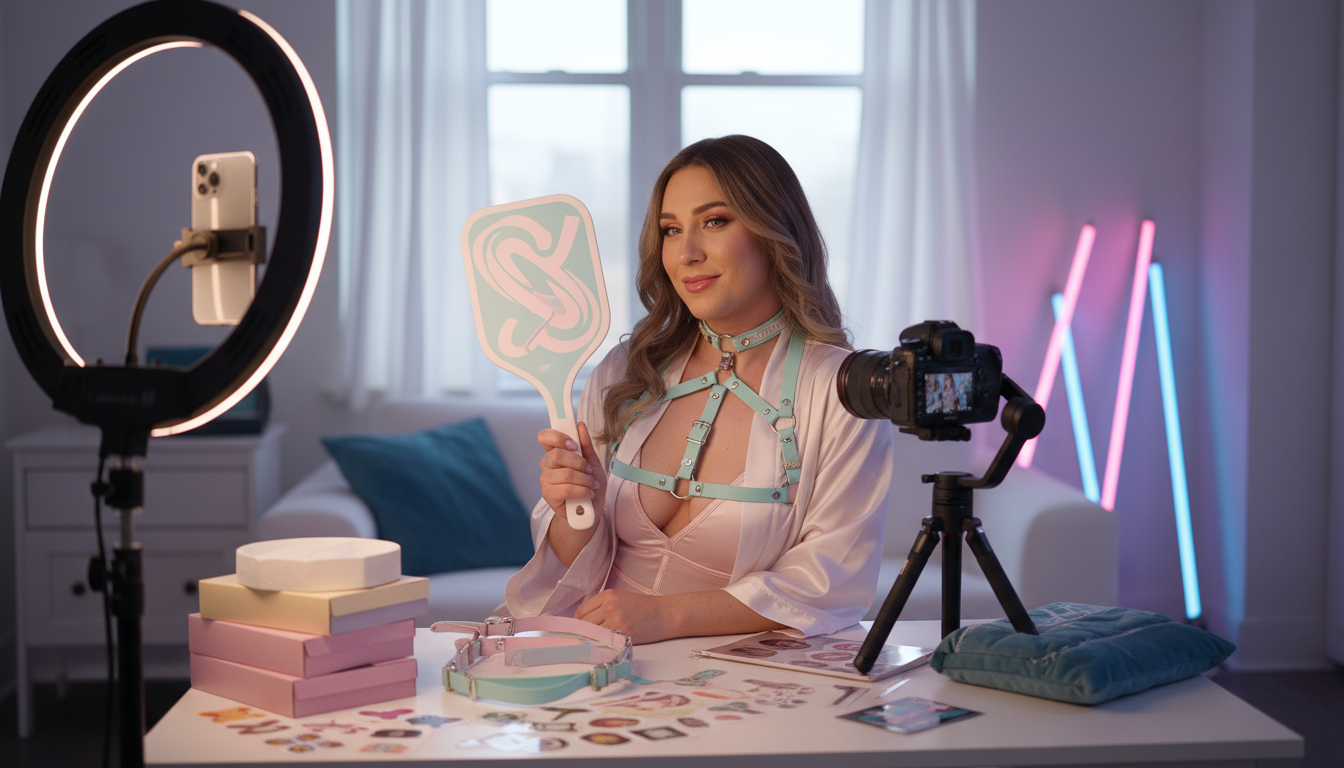
Expanding Your Brand with Merchandise
Expanding Your Brand with Bondage Model Merchandise
Building a successful bondage modeling career extends far beyond photoshoots and performances. Creating and selling merchandise represents one of the most effective strategies for establishing passive income streams while strengthening your brand identity. This comprehensive guide is designed for bondage models at all career stages—from those just establishing their presence to established professionals looking to diversify their revenue. You'll learn how to conceptualize, create, and market branded products that resonate with your audience while generating sustainable income that works for you even when you're not actively shooting.
Prerequisites for Launching Your Merchandise Line
Before diving into merchandise creation, ensure you have these foundational elements in place:
- Established Online Presence: A minimum of 500-1,000 engaged followers across your primary social platforms
- Recognizable Brand Identity: Clear visual style, logo, or signature aesthetic that fans can identify
- Legal Business Structure: Proper registration for selling products in your jurisdiction
- Initial Capital: Budget of $200-$2,000 depending on your chosen approach (print-on-demand vs. bulk ordering)
- Content Rights: Ownership or licensing rights to any images you plan to use on products
Understanding the Merchandise Opportunity
The bondage modeling industry has witnessed significant growth in merchandise sales over the past five years. Models who strategically develop branded products typically see 20-40% of their total income derive from merchandise within 18-24 months of launch. This revenue stream works while you sleep, travel, or focus on other aspects of your career.
Selling merch offers three distinct advantages: financial diversification reduces dependence on session bookings, physical products create tangible connections with fans who want to support your work, and well-designed items serve as mobile advertising that expands your reach organically.
Types of Merchandise That Perform Well
Successful bondage models have found particular product categories consistently generate strong sales:
Apparel and Wearables
- T-shirts and hoodies featuring artistic bondage imagery or empowering slogans
- Hats and beanies with subtle branding or logos
- Socks and accessories that allow fans to incorporate your brand into daily life
- Robes and loungewear that appeal to lifestyle buyers
Artistic Products
- Photo prints from your most popular shoots (signed or limited editions)
- Calendars featuring curated images throughout the year
- Art books or zines documenting your work and creative process
- Stickers and patches for affordable entry-point purchases
Lifestyle and Practical Items
- Coffee mugs and drinkware with tasteful designs
- Phone cases featuring your photography
- Tote bags that combine functionality with brand visibility
- Notebooks and journals for fans who appreciate thoughtful products
Platform Comparison: Where to Sell Your Merchandise
| Platform | Setup Cost | Commission Rate | Customization Level | Best For |
|---|---|---|---|---|
| Printful | $0 | 0% (markup pricing) | High | Print-on-demand beginners |
| Printify | $0-$29/month | 0-20% discount | Very High | Models wanting vendor options |
| Teespring | $0 | Varies by product | Medium | Simple setup, quick launch |
| Shopify + POD | $29-$299/month | App-dependent | Highest | Established brands, full control |
| Etsy | $0.20/listing | 6.5% transaction fee | Medium | Handmade or artistic focus |
| Your Own Website | $100-$500+ | 2-3% payment processing | Complete | Maximum brand control |
Step-by-Step Guide to Launching Your Merchandise
-
Research Your Audience Demographics: Survey your followers to understand their preferences, budget ranges, and what types of products they'd actually purchase. Use Instagram polls, Twitter questions, or email surveys to gather data.
-
Develop Your Design Concepts: Create 3-5 initial designs that align with your brand aesthetic. Consider hiring a graphic designer if you lack design skills—this investment typically costs $50-$300 per design but significantly impacts sales.
-
Select Your Production Method: Choose between print-on-demand (no inventory risk, lower margins) or bulk ordering (higher upfront cost, better profit margins). Most models start with print-on-demand to test designs before committing to inventory.
-
Set Up Your Sales Platform: Create accounts on your chosen platforms, configure payment processing, and establish shipping parameters. Ensure your store policies address international shipping, returns, and processing times.
-
Price Your Products Strategically: Calculate costs including production, platform fees, shipping, and your desired profit margin. Typical markups range from 40-100% above cost depending on your audience and product exclusivity.
-
Create Compelling Product Photography: Showcase items in lifestyle settings, not just mockups. Model your own merchandise when possible to create authentic connections with buyers.
-
Launch with Promotional Campaign: Announce your merchandise with exclusive launch discounts (10-20% off), limited edition items, or bundled packages that encourage larger purchases.
-
Gather Feedback and Iterate: Monitor sales data, collect customer reviews, and continuously refine your offerings based on what performs well and what doesn't.
Key Features of Successful Merchandise Strategies
Models who build thriving merchandise businesses consistently implement these practices:
- Limited edition releases that create urgency and collectibility
- Seasonal collections aligned with holidays or special events
- Fan input opportunities where supporters vote on new designs
- Quality over quantity focusing on fewer, better products rather than overwhelming variety
- Cross-promotion mentioning merchandise during content creation and sessions
- Email marketing to your subscriber list announcing new products and sales
- Exclusive items available only to top-tier subscribers or patrons
Maximizing Your Passive Income Potential
Branded products become true passive income when properly systematized. After initial setup, print-on-demand merchandise requires minimal ongoing effort—orders are automatically fulfilled, shipped, and tracked without your direct involvement. This allows you to earn revenue while focusing on content creation, bookings, or personal time.
To optimize passive income from selling merch:
Integrate merchandise links into all your content platforms. Include store URLs in your social media bios, video descriptions, website navigation, and email signatures. Create evergreen content that naturally showcases your products—behind-the-scenes videos of merchandise creation, unboxing experiences, or styling guides featuring your items.
Develop an automated email sequence for new subscribers that introduces your merchandise catalog within the first week. Set up retargeting ads on platforms that allow adult-adjacent content to remind visitors who browsed but didn't purchase.
Common Challenges and Solutions
Challenge: Low Initial Sales
Solution: Most merchandise lines require 90-180 days to gain traction. Focus on consistent promotion rather than expecting immediate success. Share customer photos, create urgency with limited runs, and consider offering launch incentives like signed items for early buyers.
Challenge: Design Theft or Unauthorized Use
Solution: Watermark designs prominently, register copyrights for original artwork, and use services like DMCA.com to protect your intellectual property. Include copyright notices on product descriptions.
Challenge: Platform Restrictions on Adult Content
Solution: Many mainstream platforms prohibit explicit content but allow artistic nudity and suggestive themes. Design tasteful, artistic products that appeal to your audience while respecting platform guidelines. Research each platform's specific policies before committing.
Challenge: Shipping Costs Deterring International Buyers
Solution: Set up multiple print-on-demand providers with international facilities (Printful offers US, EU, and other regional printing), offer digital products as alternatives, or build shipping costs into product prices with "free shipping" marketing.
Challenge: Balancing Quality and Affordability
Solution: Offer tiered product lines—premium items (signed prints, limited editions) at higher price points and accessible items (stickers, digital downloads) at $5-15 to accommodate all budget levels.
Scaling Your Merchandise Business
Once you've established baseline sales, consider these expansion strategies:
Collaborate with Other Models: Create co-branded collections that expose your merchandise to new audiences while sharing production costs and marketing efforts.
Develop Signature Product Lines: Move beyond generic apparel to create unique items that reflect your specific brand—custom rope bags, specialized photography props, or educational materials that serve your niche.
Wholesale Opportunities: Approach boutiques, adult retailers, or specialty shops about carrying your merchandise. Wholesale typically requires 50% discounts off retail pricing but provides volume sales and broader distribution.
Subscription Boxes: Launch quarterly merchandise subscriptions where supporters receive exclusive items, early access to new designs, and special perks. This creates predictable recurring revenue.
Frequently Asked Questions
Q: How much money should I invest to start selling bondage model merchandise?
A: You can start with as little as $0 using print-on-demand platforms like Printful or Printify, which only charge when someone purchases. However, budgeting $200-500 for professional design work and initial marketing will significantly improve your results. If you choose bulk ordering for better margins, plan for $1,000-2,000 in initial inventory investment.
Q: What products sell best for bondage models specifically?
A: Artistic photo prints (especially signed limited editions), tasteful apparel featuring rope work or silhouette designs, and lifestyle items like mugs and tote bags consistently perform well. Stickers and patches serve as excellent low-cost entry products that introduce fans to your merchandise line. Avoid explicitly sexual products on mainstream platforms—focus on artistic and suggestive designs that celebrate bondage as an art form.
Q: How do I price my merchandise to make a profit while staying competitive?
A: Calculate your total cost (production + platform fees + shipping), then add your desired profit margin. For print-on-demand, typical markups are 60-100% above cost. A $12 production cost t-shirt might retail for $24-28. Research competitor pricing for similar products and consider your audience's spending capacity. Premium items with your signature or limited availability can command higher prices ($40-80 for signed prints, for example).
Q: Can I use photos from professional shoots on my merchandise, or do I need special permissions?
A: This depends entirely on your contracts. Review all agreements with photographers—many include clauses about commercial use rights. If you don't have explicit merchandise rights, you'll need to negotiate licensing agreements (typically 10-25% of merchandise revenue or flat fees of $100-500 per image). Photos you take yourself or commission with full buyout rights offer the most flexibility.
Q: How long does it typically take to see meaningful income from merchandise sales?
A: Most models report 3-6 months before merchandise generates consistent monthly income ($100-500), with significant growth occurring in months 6-12 as you refine offerings and build momentum. Established models with 5,000+ engaged followers may see faster results. Focus on building your brand and audience simultaneously—merchandise sales typically correlate directly with follower count and engagement rates. Expect merchandise to contribute 10-20% of income in year one, potentially growing to 30-40% by year two with dedicated effort.
Conclusion and Next Steps
Expanding your brand with merchandise represents a powerful strategy for building sustainable passive income while deepening fan connections and establishing your professional identity. The key to success lies in starting strategically, maintaining quality standards, and consistently promoting your products across all platforms.
Begin by selecting 2-3 product types that align with your brand aesthetic and audience preferences. Launch with print-on-demand to minimize risk while testing designs and gathering customer feedback. As you identify which items resonate, gradually expand your catalog and consider bulk ordering for improved margins.
Your immediate action steps: survey your audience this week about merchandise interest, research and select a print-on-demand platform, create or commission your first 2-3 designs, and set a launch date within 60 days. Remember that successful merchandise businesses build gradually—focus on consistent quality and promotion rather than overnight success. Your branded products will work for you long-term, creating income streams that complement and support your bondage modeling career for years to come.