
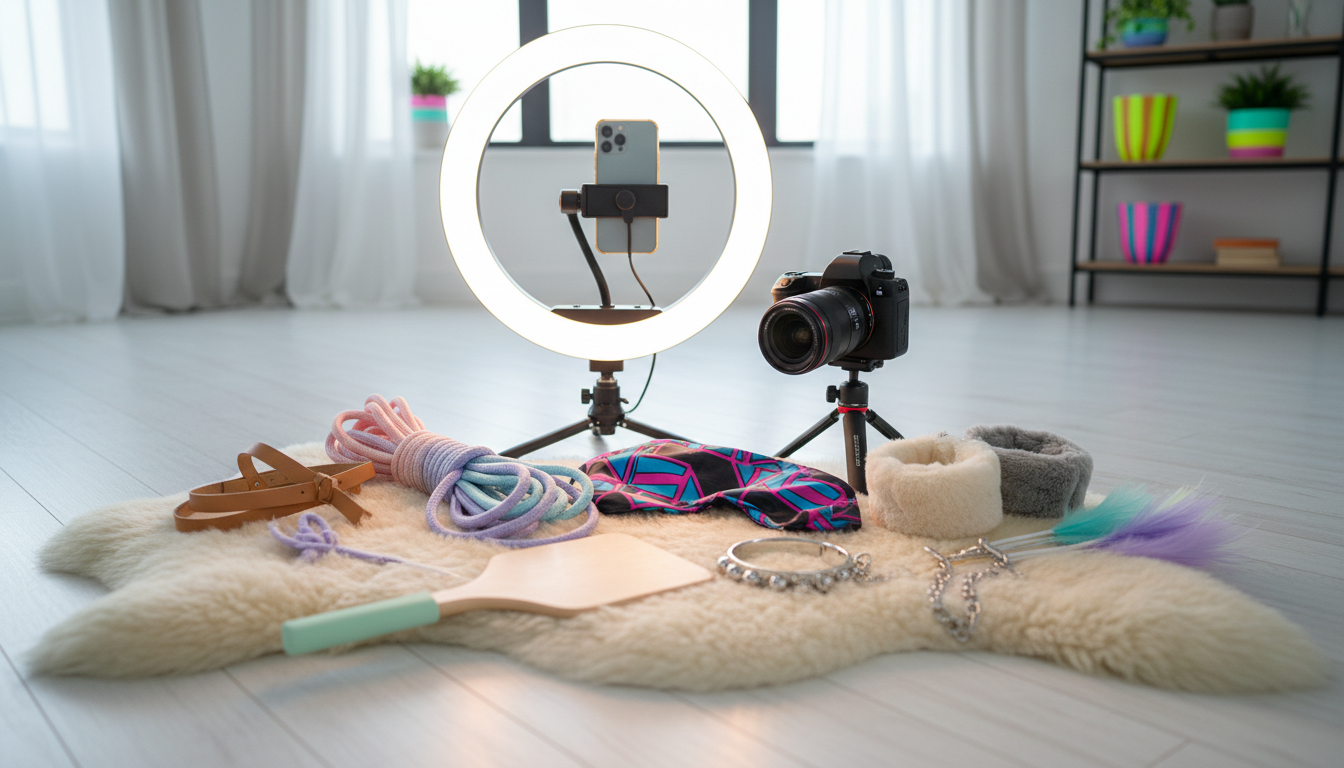
Buying Equipment and Props for Bondage Shoots
Buying Equipment and Props for Bondage Shoots: A Complete Guide
Whether you're an aspiring bondage model building your first collection or an experienced professional upgrading your toolkit, understanding how to select and purchase quality equipment is essential for successful shoots. This bondage equipment buying guide walks you through everything from buying ropes and cuffs to selecting specialized props, helping you make informed decisions that balance safety, aesthetics, and budget considerations. By investing in the right gear, you'll be better prepared for professional photoshoots, create more impressive portfolios, and demonstrate your commitment to the craft.
Prerequisites for Equipment Shopping
Before diving into bondage gear shopping, you should have:
- A clear understanding of your modeling niche (artistic bondage, fashion fetish, traditional shibari, etc.)
- Basic knowledge of bondage safety principles and common restraint types
- A realistic budget that accounts for both starter essentials and future upgrades
- Research into photographers and studios you plan to work with to understand their equipment expectations
- Proper storage solutions to maintain equipment quality between shoots
Understanding Equipment Categories and Quality Levels
Essential Equipment Types
When starting your collection, focus on versatile pieces that work across multiple shoot concepts. Quality fetish equipment falls into several main categories:
Rope and Cordage
Rope is the foundation of most bondage work. Natural fiber ropes like jute and hemp are preferred for traditional Japanese-style bondage (shibari/kinbaku) because they hold knots well and create beautiful rope marks. Synthetic ropes such as nylon or MFP (multi-filament polypropylene) are easier to maintain and better for beginners. When buying ropes and cuffs together, ensure they complement each other aesthetically.
Restraints and Cuffs
Leather cuffs, metal handcuffs, and padded restraints each serve different visual and practical purposes. Leather offers a classic BDSM aesthetic, while metal provides an edgier look. Padded options prioritize comfort during extended shoots.
Props and Accessories
Collars, gags, blindfolds, and posture devices add variety to your portfolio. Start with neutral colors (black, brown, red) that photograph well and match multiple outfits.
Comparison of Equipment Materials and Their Best Uses
| Material Type | Durability | Maintenance Level | Best For | Price Range | Visual Appeal |
|---|---|---|---|---|---|
| Natural Fiber Rope (Jute/Hemp) | High | Medium-High | Shibari, artistic bondage | $$-$$$ | Excellent for texture |
| Synthetic Rope (Nylon/MFP) | Very High | Low | Beginner work, outdoor shoots | $-$$ | Clean, modern look |
| Genuine Leather | Very High | Medium | Professional shoots, durability | $$$-$$$$ | Classic, premium |
| Vegan Leather/PU | Medium | Low | Budget-conscious models | $-$$ | Good for variety |
| Metal (Stainless Steel) | Extremely High | Low | Edgy aesthetics, long-term investment | $$-$$$ | High-end, dramatic |
| Silicone/Rubber | High | Low | Easy cleaning, hypoallergenic needs | $$-$$$ | Contemporary, colorful |
Step-by-Step Equipment Buying Process
-
Define Your Budget and Priorities: Allocate 60% to essential restraints and rope, 25% to props and accessories, and 15% to specialized items. Starting models should budget $150-$400 for a basic collection.
-
Research Reputable Vendors: Focus on specialized BDSM equipment retailers rather than generic adult stores. Look for vendors with detailed product descriptions, material specifications, and customer reviews. Online platforms often offer better selection and privacy.
-
Start with Versatile Basics: Purchase 2-3 rope bundles in different colors (typically 25-30 feet each for body work), one pair of quality wrist cuffs, one collar, and one ankle restraint set. These items work across numerous shoot concepts.
-
Verify Safety Features: Check that all restraints have quick-release mechanisms, that metal items have smooth edges, and that materials are body-safe. Avoid equipment with sharp points or poorly finished seams.
-
Test Before Major Purchases: If possible, borrow or rent equipment types before investing in expensive pieces. Many studios have equipment you can try during test shoots.
-
Build Your Collection Gradually: Add specialized items (spreader bars, bondage tape, specialty gags) as you book shoots requiring them. This prevents overspending on items you rarely use.
-
Document and Organize: Maintain an inventory list with purchase dates, costs, and condition notes. This helps with insurance claims and knowing when to replace worn items.
Where to Shop: Online vs. Local Retailers
Online Shopping Advantages
- Wider selection of specialized bondage gear shopping options
- Competitive pricing and frequent sales
- Detailed product specifications and customer reviews
- Discreet shipping for privacy-conscious buyers
- Access to international brands and artisan makers
Local Retail Benefits
- Ability to inspect quality fetish equipment in person
- Immediate availability without shipping delays
- Expert staff guidance for beginners
- Support for local businesses and community connections
- No concerns about shipping damage or incorrect sizing
Key Features to Look for When Purchasing
When evaluating any piece of equipment, prioritize these essential features:
- Adjustability: Restraints should accommodate different body sizes for versatility across shoots
- Material Quality: Look for reinforced stitching on leather, smooth braiding on rope, and rust-resistant hardware on metal
- Safety Mechanisms: Quick-release buckles, safety shears compatibility, and emergency removal options
- Aesthetic Consistency: Choose pieces that coordinate with your existing collection and portfolio style
- Cleaning Compatibility: Equipment should be easy to sanitize between uses
- Weight and Portability: If you travel to shoots, lighter equipment is more practical
- Photogenic Details: Look for items with interesting textures, colors, or hardware that photograph well
- Comfort Considerations: Even for artistic purposes, equipment shouldn't cause unnecessary discomfort during positioning
Common Challenges and Solutions
Challenge: Overwhelming product selection makes it difficult to know where to start.
Solution: Create a wish list based on three upcoming shoot concepts you want to pursue. Buy only items that appear on multiple concept lists, ensuring versatility.
Challenge: Budget constraints limit purchasing quality items.
Solution: Invest in one or two premium pieces (like professional rope or leather cuffs) and supplement with budget-friendly accessories. Quality basics last years and photograph better than numerous cheap items.
Challenge: Uncertainty about sizing, especially for body harnesses or specialty restraints.
Solution: Choose adjustable items for your first purchases. Many quality retailers provide detailed sizing charts—take accurate measurements and compare carefully before ordering.
Challenge: Concerns about privacy when shopping for bondage equipment.
Solution: Reputable online vendors use discreet packaging and billing descriptors. Consider having items shipped to a trusted friend's address or a package pickup location if you have privacy concerns at home.
Challenge: Difficulty determining authentic leather from imitation materials online.
Solution: Research the vendor's reputation, read detailed customer reviews, and don't hesitate to contact sellers directly about material composition. Genuine leather typically has a higher price point but offers superior durability.
Maintenance and Storage Considerations
Purchasing equipment is only the first step—proper maintenance extends the life of your investment:
Rope Care: Natural fiber ropes require conditioning with appropriate oils and should be hung to dry after use. Synthetic ropes can typically be machine washed in mesh bags.
Leather Maintenance: Clean with leather-specific cleaners and condition regularly to prevent cracking. Store in cool, dry places away from direct sunlight.
Metal Items: Wipe down after use to prevent tarnishing. Store with silica gel packets to control moisture in humid climates.
General Storage: Keep equipment in dedicated containers or bags, separated by material type. This prevents leather from drying out, metal from scratching other items, and rope from tangling.
FAQ: Equipment Buying Questions
Q: How much should I spend on my first equipment purchase as a new bondage model?
A: Plan to invest $150-$300 for a starter collection that includes 2-3 rope bundles, basic restraints, and a few essential props. This provides enough variety for portfolio building without overextending your budget. As you book paid work, reinvest 10-15% of earnings into expanding your collection with specialized items.
Q: Is it better to buy a complete bondage kit or individual pieces?
A: Individual pieces offer better quality and customization for serious models. Pre-packaged kits often include lower-quality items or pieces you won't use. However, budget starter kits can help beginners experiment with different equipment types before investing in premium individual items. Evaluate kits carefully—if you'd use at least 70% of the contents, they may offer value.
Q: What's the difference between rope marketed for bondage versus hardware store rope?
A: Bondage-specific rope is processed for body safety—it's softer, has consistent diameter, won't shed fibers excessively, and is treated to reduce skin irritation. Hardware rope may contain chemicals, have rough fibers, or inconsistent quality that can cause rope burns or skin reactions. For professional modeling, invest in purpose-made bondage rope from specialized retailers.
Q: How do I know if bondage equipment is body-safe?
A: Look for products labeled as body-safe, phthalate-free, and nickel-free (for metal components). Reputable vendors clearly list materials and any potential allergens. Avoid items with sharp edges, toxic coatings, or materials not intended for skin contact. When in doubt, research the specific material or contact the manufacturer directly about body safety certifications.
Q: Should I buy equipment in specific colors, or does variety matter?
A: Start with classic black equipment, which photographs well and works with most outfits and concepts. Add red as your second color for variety. Once you have solid basics, branch into specialty colors (purple, white, natural leather tones) based on specific shoot requests or your personal brand aesthetic. Too much color variety early on can create a disjointed portfolio look.
Conclusion and Next Steps
Building a quality equipment collection is an investment in your bondage modeling career that pays dividends through enhanced portfolio options, professional preparedness, and booking flexibility. Start with essential, versatile pieces from reputable vendors, prioritizing safety features and materials that photograph well. As you gain experience and identify your niche, expand strategically based on actual shoot needs rather than impulse purchases.
Your next steps should include creating a detailed equipment inventory list, researching 3-5 trusted vendors that match your budget and quality standards, and connecting with experienced models or photographers who can provide recommendations. Consider joining online bondage modeling communities where members share vendor reviews and equipment advice. With thoughtful purchasing decisions and proper maintenance, your equipment collection will serve you throughout your modeling career while maintaining its value and appearance.