
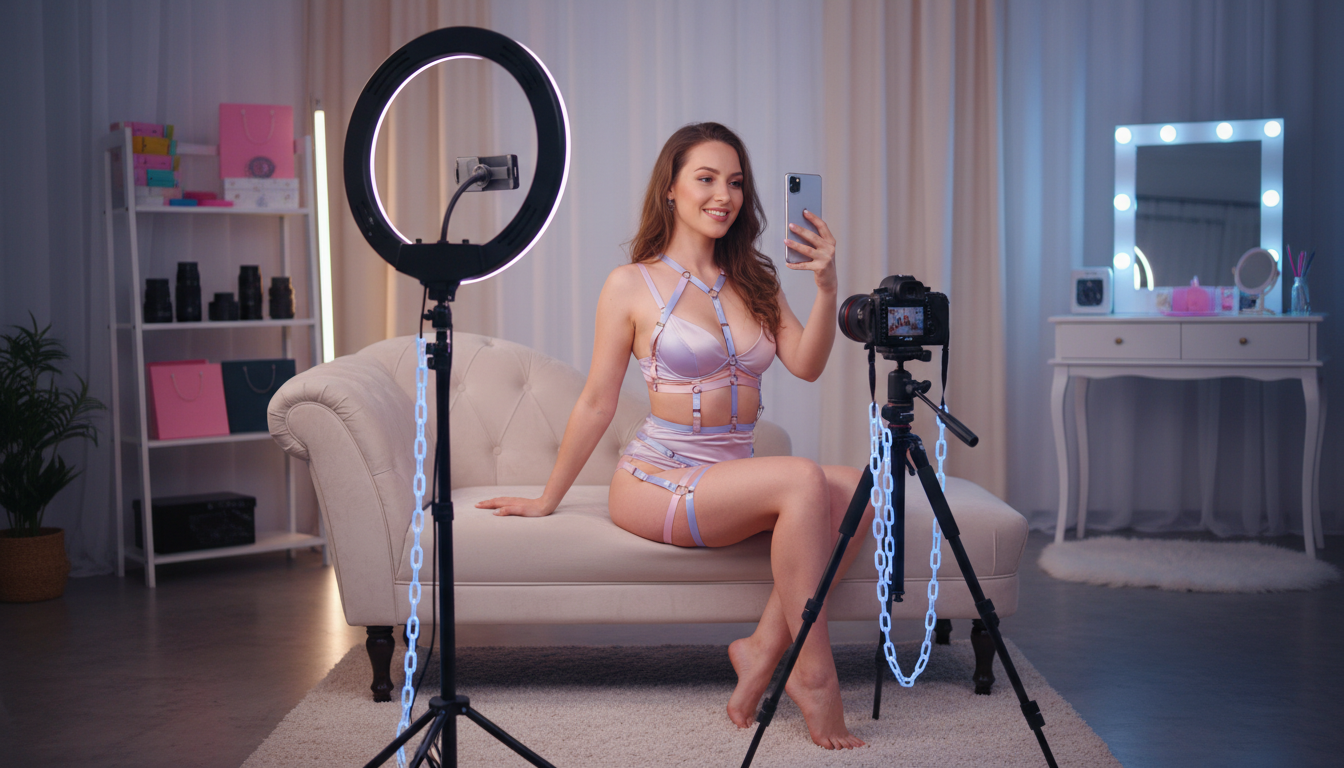
Developing Confidence in Front of the Camera
Developing Confidence in Front of the Camera
Building confidence for bondage models is essential for creating compelling imagery and establishing a successful career in this specialized field. Whether you're just starting out or looking to enhance your on-camera presence, this comprehensive guide addresses the psychological and practical aspects of overcoming shyness and developing the self-assurance needed to excel in bondage modeling. From understanding the fundamentals of camera confidence to implementing specific techniques for self-esteem building, you'll discover actionable strategies to transform nervous energy into powerful, authentic performance.
Prerequisites for Building Camera Confidence
Before diving into confidence-building techniques, ensure you have:
- A clear understanding of your personal boundaries and consent parameters
- Access to a safe, private practice space with a mirror or camera
- Basic knowledge of bondage safety protocols and communication signals
- A trusted photographer or practice partner (optional but recommended)
- Comfortable practice attire and any props you'll be working with
Understanding the Confidence Challenge
Why Camera Confidence Matters in Bondage Modeling
Confidence directly translates to the quality of your work. When you're self-assured, your body language becomes more expressive, your facial expressions more authentic, and your overall presence more magnetic. In bondage modeling specifically, confidence allows you to:
- Maintain composure during physically challenging poses
- Communicate effectively with photographers and riggers
- Project the emotional narrative required for different scenes
- Handle vulnerability with grace and professionalism
Common Confidence Barriers
Most aspiring bondage models face similar obstacles when starting out. Overcoming shyness begins with identifying what holds you back. Common barriers include fear of judgment, body image concerns, lack of experience, performance anxiety, and uncertainty about how to pose or express emotion convincingly.
Building Your Foundation: Step-by-Step Confidence Development
-
Start with private self-exploration sessions - Practice in front of a mirror for 15-30 minutes daily, experimenting with poses, expressions, and body positions without any external pressure.
-
Record yourself regularly - Use your smartphone or camera to create practice footage, then review it objectively to identify strengths and areas for improvement.
-
Develop a pre-shoot routine - Create a consistent warm-up process including breathing exercises, stretching, and mental visualization to center yourself before sessions.
-
Work with trusted collaborators first - Begin your portfolio building with photographers and riggers who prioritize your comfort and provide constructive, supportive feedback.
-
Gradually increase exposure complexity - Start with simpler bondage scenarios and progressively work toward more complex restraints as your comfort level grows.
-
Study professional work - Analyze images and videos from established bondage models to understand positioning, expression, and energy without copying directly.
-
Seek constructive feedback - Request specific input from photographers about what works well and what could be enhanced, focusing on actionable improvements.
-
Celebrate small victories - Acknowledge each successful shoot, new skill mastered, or personal boundary expanded as evidence of your growing competence.
Comparison of Confidence-Building Approaches
| Approach | Timeframe | Best For | Potential Challenges | Effectiveness Rating |
|---|---|---|---|---|
| Solo Practice with Mirror | 2-4 weeks | Self-paced learners, overcoming shyness | Limited feedback, possible self-criticism | 7/10 |
| Working with Mentors | 1-3 months | Structured learning, professional guidance | Finding qualified mentors, potential costs | 9/10 |
| Gradual Exposure Method | 3-6 months | Anxiety management, sustainable growth | Requires patience, slower progress | 8/10 |
| Intensive Workshops | 1-2 weeks | Rapid skill acquisition, networking | Can be overwhelming, expensive | 7/10 |
| Peer Practice Groups | Ongoing | Community support, shared learning | Scheduling coordination, variable quality | 8/10 |
Practical Techniques for Self-Esteem Building
Body Positivity and Acceptance
Developing camera confidence requires embracing your unique physical attributes. Every body type has artistic value in bondage modeling. Focus on what makes you distinctive rather than comparing yourself to others. Practice positive self-talk, replacing critical thoughts with affirmations about your strengths and growth.
Mental Preparation Strategies
Your mindset before and during shoots significantly impacts your performance. Implement these psychological techniques:
- Visualization exercises - Spend 5-10 minutes before sessions mentally rehearsing successful poses and positive outcomes
- Breath work - Use deep, controlled breathing to manage nervousness and stay present in your body
- Character development - Create a "camera persona" that embodies the confidence you're building, allowing you to step into a role
- Reframing nervousness - Recognize that physical symptoms of anxiety (increased heart rate, heightened awareness) are identical to excitement
Essential Skills for Camera Presence
Physical Awareness and Control
Confidence stems partly from knowing what your body is doing. Develop these fundamental skills:
- Proprioception training - Practice bondage positions with eyes closed to enhance body awareness
- Core strength - Maintain poses longer and with better form through targeted conditioning
- Flexibility work - Expand your range of comfortable positions through regular stretching
- Facial expression practice - Work specifically on eyes, mouth, and overall facial energy separately from body positioning
Communication and Collaboration
Camera confidence increases when you can effectively communicate with your team:
- Establish clear check-in protocols before shoots begin
- Develop non-verbal signals for when you're in restraints
- Ask questions about desired mood, energy, and specific shots
- Provide feedback about what's working and what adjustments you need
- Build rapport with photographers through pre-shoot consultations
Platform-Specific Confidence Considerations
Different modeling platforms require adapted approaches:
- Professional studio work - Emphasizes technical precision, repeatability, and collaboration with creative teams
- Independent content creation - Requires self-direction, consistent motivation, and audience engagement skills
- Live performances - Demands real-time adaptability, crowd awareness, and sustained energy
- Educational demonstrations - Focuses on clear communication, safety modeling, and instructional clarity
Overcoming Common Challenges
Challenge: Persistent Self-Consciousness
Solution: Shift focus from yourself to the artistic outcome. Concentrate on telling a story, creating a specific mood, or collaborating with your photographer rather than how you appear. This external focus naturally reduces self-consciousness.
Challenge: Inconsistent Performance
Solution: Develop pre-shoot rituals that signal to your brain it's time to perform. Consistency in preparation leads to consistency in results. Track what conditions produce your best work and replicate them.
Challenge: Negative Self-Talk During Shoots
Solution: Practice mindfulness techniques to notice critical thoughts without engaging them. Replace them with process-focused thoughts like "relax shoulders," "breathe deeply," or "express vulnerability."
Challenge: Comparison to Other Models
Solution: Curate your social media consumption intentionally. Follow models whose work inspires rather than intimidates. Remember that you're seeing curated highlights, not the full reality of others' journeys.
Challenge: Recovery from Difficult Sessions
Solution: Implement post-shoot self-care routines including physical comfort measures, emotional processing time, and objective review of what was learned rather than dwelling on perceived failures.
Income and Professional Confidence Connection
Your confidence level directly impacts earning potential in bondage modeling. Confident models command higher rates because they:
- Deliver usable content more efficiently, reducing shoot time
- Require less direction, making photographers' work easier
- Create more dynamic, compelling imagery that sells better
- Build stronger professional reputations leading to repeat bookings
- Negotiate effectively for fair compensation
As your confidence grows, regularly reassess your rates to ensure they reflect your developing skills and market value.
Creating Your Confidence Development Plan
A structured approach accelerates progress. Consider these elements:
- Weekly practice schedule - Dedicate specific times to solo practice, review sessions, and skill development
- Monthly goals - Set achievable targets like "complete three practice shoots" or "master five new expressions"
- Skill inventory - Track competencies you've developed and areas needing attention
- Support network - Identify mentors, peers, or communities that encourage your growth
- Documentation system - Maintain a portfolio showing your evolution and confidence progression
FAQ
How long does it take to develop solid camera confidence as a bondage model?
The timeline varies significantly based on individual factors, but most models report noticeable improvement within 3-6 months of consistent practice and regular shooting. Initial nervousness typically decreases after 5-10 sessions, while deep, authentic confidence often develops over 1-2 years of active work. The key is consistent exposure and intentional practice rather than rushing the process. Models who work regularly (2-4 times monthly) progress faster than those with sporadic sessions.
Can introverts succeed in bondage modeling, or do you need to be naturally outgoing?
Introverts absolutely can excel in bondage modeling, often bringing valuable qualities like introspection, emotional depth, and thoughtful preparation to their work. Camera confidence differs from social extroversion—many successful models are quiet off-camera but commanding on it. Introverts may need more recovery time between shoots and might prefer smaller crews, but these preferences don't limit professional success. Focus on developing your unique presence rather than mimicking extroverted performers.
What should I do if I have a panic attack or extreme anxiety during a shoot?
Immediately communicate your distress to your photographer or rigger using your established safe signal. Any professional will stop work instantly and prioritize your safety and comfort. Remove yourself from restraints, practice grounding techniques (focus on five things you can see, four you can touch, three you can hear, two you can smell, one you can taste), and don't resume until you feel genuinely ready—or reschedule entirely. Experiencing anxiety doesn't mean you're unsuited for this work; it means you need better preparation, clearer boundaries, or a more gradual approach. Consider working with a therapist familiar with performance anxiety if this becomes a pattern.
How do I build confidence when I'm unhappy with my body?
Body confidence in bondage modeling comes from recognizing that diversity is valued in this art form. Start by identifying three physical attributes you appreciate, then gradually expand this list. Study work from models with similar body types to see how they're professionally celebrated. Remember that bondage photography emphasizes form, line, emotion, and composition—not conventional beauty standards. Many successful models report that regular shooting actually improved their body image by showing them their bodies' strength, flexibility, and expressive capacity. Focus on what your body can do and express rather than how it compares to others.
Should I invest in confidence coaching or therapy specifically for modeling?
If budget allows, working with a performance coach or therapist experienced with performers can accelerate your confidence development significantly. This is particularly valuable if you're dealing with past trauma, severe anxiety, or deeply ingrained negative self-perception. However, many models successfully build confidence through peer support, self-directed practice, and mentor relationships. Assess your specific challenges: if they're primarily technical (posing, expression), focus on practical workshops; if they're psychological (fear, shame, self-worth), professional support is more appropriate. Many models benefit from a combination of both approaches.
Conclusion and Next Steps
Developing confidence for bondage models is a journey requiring patience, practice, and self-compassion. By implementing the strategies outlined in this guide—from structured practice routines to mental preparation techniques—you'll progressively build the camera presence necessary for professional success. Remember that overcoming shyness and self-esteem building are ongoing processes, not destinations.
Begin today by scheduling your first solo practice session, identifying one trusted collaborator to work with, and setting your first monthly confidence goal. As you continue developing your skills, regularly revisit this guide to refine your approach and celebrate how far you've progressed. Your unique presence and perspective have value in bondage modeling—confidence simply allows that authentic self to shine through the camera.