
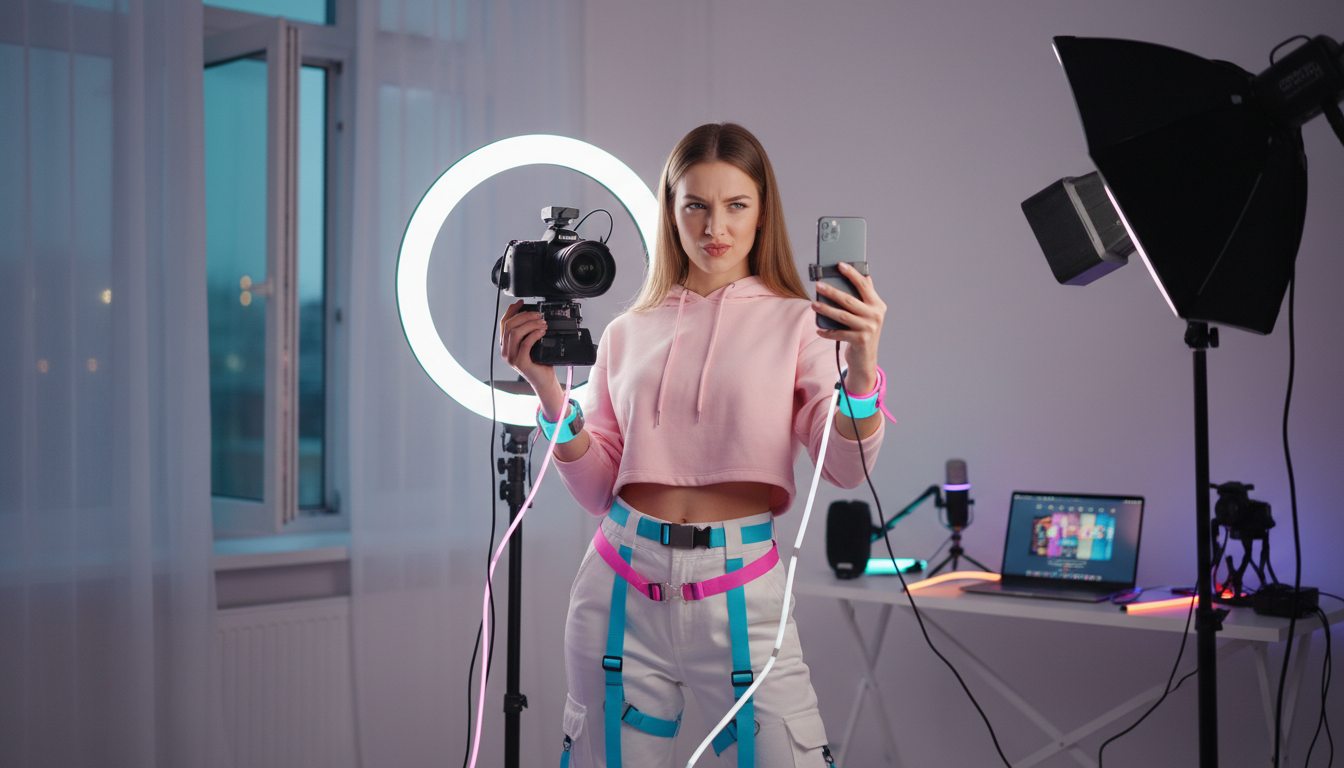
Dealing with Paparazzi and Privacy Concerns
Dealing with Paparazzi and Privacy Concerns: A Professional Guide for Bondage Models
Bondage modeling presents unique challenges when it comes to managing public exposure and maintaining personal boundaries. As your career grows, you may encounter paparazzi, unauthorized photography, and privacy concerns that require proactive strategies. This comprehensive guide helps aspiring and established bondage models navigate the complex intersection of professional visibility and personal safety, ensuring you maintain control over your image and protect your private life while building a successful career.
Understanding Privacy Risks in Bondage Modeling
Bondage modeling exists at a unique crossroads where artistic expression meets societal stigma. Unlike mainstream fashion models, bondage models face heightened privacy concerns due to the intimate nature of their work and potential judgment from those unfamiliar with the art form. Understanding these risks is the first step toward protecting yourself.
Types of Privacy Threats You May Encounter
Bondage models face several categories of privacy invasion that require different protective strategies:
- Unauthorized photography at public events, conventions, or professional venues
- Stalking behavior from obsessive fans or individuals with harmful intentions
- Doxxing attempts to reveal your legal name, address, or family information
- Image theft and redistribution without consent or proper attribution
- Workplace discrimination if your modeling career becomes known to traditional employers
- Family or social consequences from unwanted exposure of your professional activities
Creating Your Privacy Protection Strategy
Developing a comprehensive approach to personal safety and privacy requires planning before problems arise. Follow these essential steps to establish strong boundaries:
- Establish separate professional and personal identities - Create a stage name that has no connection to your legal name and maintain completely separate social media accounts.
- Register your stage name through proper channels - Consider trademark registration and secure matching domain names and social media handles.
- Use a registered agent or PO box - Never use your home address for professional correspondence or business registration.
- Implement strict social media protocols - Disable location tagging, review photo backgrounds for identifying information, and restrict personal account visibility.
- Develop a legal response plan - Work with an attorney familiar with image rights and privacy law to prepare cease-and-desist templates.
- Build relationships with reputable photographers and studios - Vet all collaborators thoroughly and establish clear contractual protections.
- Create a crisis communication strategy - Prepare responses for potential exposure situations before they occur.
Privacy Protection Methods Comparison
| Protection Method | Effectiveness | Cost | Implementation Difficulty | Best For |
|---|---|---|---|---|
| Professional identity separation | Very High | Low | Easy | All models |
| DMCA takedown services | High | Medium | Medium | Established models |
| Privacy-focused hosting | High | Medium | Easy | Models with websites |
| Legal representation on retainer | Very High | High | Medium | Professional models |
| Image watermarking | Medium | Low | Easy | All content creators |
| Geolocation masking | High | Low | Easy | All models |
| Private security at events | Very High | Very High | Complex | Celebrity-level models |
Handling Paparazzi and Unauthorized Photography
Understanding your rights regarding paparazzi and privacy for bondage models empowers you to respond effectively when facing unwanted attention.
Know Your Legal Rights
Photography laws vary by jurisdiction, but general principles apply:
Public Spaces: In most locations, anyone can photograph people in public areas without consent. However, commercial use of those images may require model releases. Harassment laws still apply even in public settings.
Private Events: At conventions, studios, or private venues, organizers can establish photography policies. Ensure event organizers clearly communicate and enforce no-photography zones.
Commercial Usage: Unauthorized use of your image for commercial purposes typically violates your right of publicity, regardless of where the photo was taken.
Practical Responses to Unwanted Photography
When confronted with paparazzi or unauthorized photographers:
- Remain calm and professional - Emotional reactions often create more compelling content for photographers.
- Clearly state your non-consent verbally - Say "I do not consent to being photographed" in a clear voice.
- Document the interaction - Have a trusted companion photograph or video the photographer if safe to do so.
- Request venue assistance - Alert security or event organizers immediately.
- Issue formal takedown notices - If images appear online, use DMCA procedures or platform-specific reporting.
- Consider legal action for persistent violators - Harassment, stalking, and commercial misappropriation may warrant legal intervention.
Managing Online Privacy and Digital Footprint
Your digital presence requires constant vigilance to prevent privacy concerns from escalating into serious threats to personal safety.
Essential Digital Security Practices
Implement these technical safeguards:
- Use VPN services when accessing professional accounts from personal devices
- Enable two-factor authentication on all professional platforms
- Regularly search your stage name and image using reverse image search tools
- Register for Google Alerts to monitor when your professional name appears online
- Utilize EXIF data removal tools before posting any photographs
- Consider professional reputation management services for serious privacy breaches
Dealing with Image Theft and Unauthorized Distribution
When your images appear without authorization:
- Document the infringement - Screenshot the unauthorized use with visible URL and timestamp.
- Identify the platform's DMCA agent - Most platforms have designated contacts for copyright claims.
- Submit formal takedown requests - Include proof of copyright ownership and specific infringing URLs.
- Follow up persistently - Platforms typically respond within 7-14 days; escalate if necessary.
- Consider cease-and-desist letters - For commercial infringement or repeated violations, legal correspondence may be necessary.
Balancing Professional Visibility with Personal Privacy
Successful bondage models master the art of strategic visibility—being accessible enough to build a fanbase while maintaining firm boundaries.
Creating Controlled Access Points
Develop these professional channels:
- Official website with controlled content and clear usage terms
- Professional email address separate from personal accounts
- Managed social media with clear community guidelines
- Premium content platforms with built-in privacy controls
- Professional representation who handles public inquiries
Common Challenges and Solutions
Challenge: Former colleagues or family members discover your modeling work. Solution: Prepare a confident, brief explanation that emphasizes the artistic and professional nature of bondage modeling. Having talking points ready reduces anxiety and helps you respond authentically.
Challenge: Stalking behavior from a fan escalates beyond online interaction. Solution: Document all interactions, report to platform administrators, contact law enforcement, and consider obtaining a restraining order. Never engage directly with stalkers.
Challenge: Employers or potential employers discover your modeling career. Solution: Know your local employment discrimination laws. In many jurisdictions, legal off-duty activities cannot be grounds for termination. Consult with an employment attorney if faced with discrimination.
Challenge: Paparazzi photographs appear in publications without consent. Solution: Consult with an intellectual property attorney about right of publicity claims. While street photography may be legal, commercial exploitation often requires consent.
Working with Professional Security
As your career advances, investing in professional security services becomes increasingly valuable for managing public exposure at events, photoshoots, and appearances.
When to Consider Security Services
Consider professional security if you experience:
- Consistent unwanted attention at public events
- Credible threats to personal safety
- High-profile collaborations with significant media attention
- International travel for professional engagements
- Persistent stalking behavior despite other interventions
Frequently Asked Questions
Q: Can I legally prevent people from photographing me in public spaces?
A: Generally, no. In most jurisdictions, photography in public spaces is legal. However, you can control how those images are used commercially. Harassment laws also protect against persistent following or threatening behavior. Focus on controlling commercial usage and working with venues that enforce photography policies during professional events.
Q: What should I do if my real identity becomes connected to my stage name online?
A: Act quickly to minimize damage. Submit requests to remove the information from websites linking your identities, consider reputation management services to suppress search results, and consult with a privacy attorney about legal options. Moving forward, strengthen your identity separation and consider whether rebranding under a new stage name is necessary.
Q: How can I protect my privacy while still promoting my work on social media?
A: Use platform privacy settings strategically, never share real-time location information, remove metadata from images before posting, create separate accounts for professional and personal use, and establish clear boundaries about what aspects of your life you share. Schedule posts rather than sharing in real-time, and regularly audit your digital footprint.
Q: Are there specific contract clauses I should include when working with photographers?
A: Yes. Include usage limitations, duration of rights granted, geographical restrictions, prohibition of unauthorized distribution, requirements for photographer to defend against third-party infringement, image approval rights before publication, and specific DMCA enforcement procedures. Always work with contracts reviewed by an entertainment attorney.
Q: How do I handle privacy concerns when working with international clients or traveling abroad?
A: Research privacy and photography laws in destination countries, use VPN services to mask your location, register with your embassy for extended stays, work only with verified international agencies, maintain copies of all contracts and model releases, and establish emergency contacts in destination countries. Consider international legal representation for substantial foreign work.
Conclusion and Next Steps
Managing paparazzi and privacy for bondage models requires ongoing vigilance, clear boundaries, and proactive strategies. By implementing the identity separation techniques, digital security measures, and legal protections outlined in this guide, you establish a foundation for long-term career success while protecting your personal safety.
Begin by auditing your current privacy practices against the recommendations in this guide. Prioritize implementing professional identity separation, securing your digital presence, and developing relationships with legal professionals who understand the unique privacy concerns facing bondage models. Remember that privacy protection is not a one-time effort but an ongoing practice that evolves with your career.
Invest in your privacy infrastructure now, before problems arise. The time and resources spent establishing strong boundaries will prove invaluable as your visibility increases. Your personal safety and peace of mind are essential components of a sustainable, successful career in bondage modeling.