
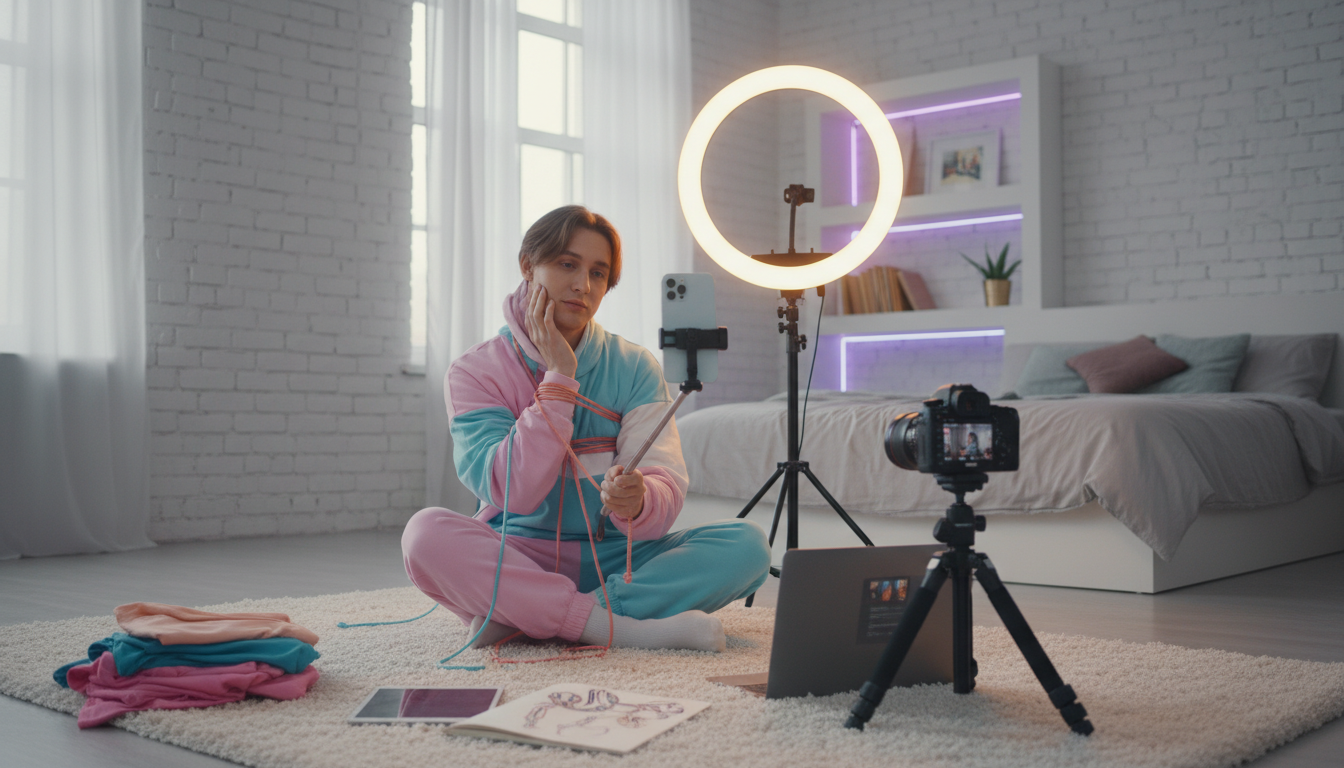
Dealing with Burnout in Bondage Modelling
Dealing with Burnout in Bondage Modelling
Bondage modeling combines artistic expression, physical endurance, and emotional vulnerability in ways that few other creative professions demand. Whether you're working in rope bondage photography, filming restraint scenes, or performing live demonstrations, the unique pressures of this specialized field can lead to professional exhaustion. This comprehensive guide addresses burnout in bondage modelling, helping both emerging and established models recognize warning signals, implement effective coping strategies, and maintain passion for their craft while building sustainable careers.
Understanding Burnout in the Bondage Modeling Industry
Burnout manifests differently in bondage modeling than in conventional modeling careers. The intimate nature of restraint work, constant boundary negotiations, and physical demands create specific vulnerabilities. Models may experience emotional fatigue from maintaining professional boundaries, physical exhaustion from challenging positions, or creative stagnation from repetitive booking requests.
The signs of burnout often appear gradually. You might notice decreased enthusiasm for sessions you once enjoyed, physical tension that doesn't resolve between bookings, irritability when discussing upcoming projects, or difficulty maintaining the mental presence that safe bondage work requires. Recognition is the first critical step toward recovery and prevention.
Identifying Early Warning Signs
Successful bondage models develop keen self-awareness to catch burnout before it becomes debilitating. Watch for these indicators:
- Physical symptoms: Persistent muscle tension, difficulty sleeping after sessions, increased sensitivity to rope or restraints, slower recovery from challenging positions
- Emotional changes: Anxiety before bookings you previously anticipated, emotional numbness during scenes, resentment toward clients or photographers
- Professional patterns: Canceling sessions frequently, avoiding communication with collaborators, declining creative opportunities, rushing through safety protocols
- Creative disconnection: Loss of interest in exploring new bondage styles, viewing sessions as purely transactional, inability to connect with the artistic elements
- Boundary erosion: Agreeing to activities outside your comfort zone due to apathy rather than genuine interest, difficulty asserting limits
Risk Factors Comparison: Understanding Your Vulnerability
| Risk Factor | Low Risk | Moderate Risk | High Risk |
|---|---|---|---|
| Booking Frequency | 1-2 sessions/week with rest days | 3-4 sessions/week | 5+ sessions/week or back-to-back days |
| Session Intensity | Primarily comfortable positions, short duration | Mix of challenging and comfortable work | Predominantly suspension, stress positions, long shoots |
| Support System | Active peer network, regular mentorship | Occasional peer contact | Isolated practice, no community connection |
| Boundary Management | Clear limits, consistent enforcement | Some flexibility, occasional compromise | Frequent boundary pushes, difficulty saying no |
| Income Dependence | Diversified income sources | Bondage modeling as primary but sustainable | Financial desperation driving acceptance of all work |
| Personal Life Balance | Separate personal identity and relationships | Some overlap, manageable | Work dominates personal life and relationships |
Implementing Effective Coping Strategies
Preventing and recovering from burnout requires intentional action across multiple dimensions of your modeling practice.
1. Establish Sustainable Scheduling
Create a booking calendar that honors your physical and emotional capacity:
- Calculate your optimal frequency: Track how you feel after sessions for one month, noting energy levels, soreness, and emotional state
- Build in recovery time: Schedule at least one full rest day between intensive bondage sessions, two days after suspension work
- Limit consecutive bookings: Avoid more than three session days in a row, regardless of financial temptation
- Plan seasonal breaks: Take 5-7 day breaks from all bondage work quarterly to reset physically and mentally
- Diversify session types: Alternate between intensive rope work, lighter fashion bondage, and creative photo sessions
- Respect your "no" days: When intuition says decline a booking, honor that inner wisdom without guilt
2. Physical Recovery Protocols
The physical demands of bondage modeling require dedicated recovery practices:
- Regular massage therapy focusing on shoulders, hips, and areas frequently under tension
- Stretching routines specifically designed for bondage models (consult with movement specialists familiar with your work)
- Strength training to support the muscles used in suspension and challenging positions
- Adequate protein intake and hydration to support tissue repair
- Ice baths or contrast therapy after particularly demanding sessions
3. Emotional and Mental Health Maintenance
Maintaining passion requires protecting your emotional wellbeing:
- Work with a kink-aware therapist who understands sex work and alternative modeling
- Establish clear separation between professional and personal identity
- Maintain relationships outside the bondage community for perspective
- Practice grounding techniques before and after sessions
- Keep a journal documenting positive experiences and creative achievements
- Engage in creative projects purely for personal satisfaction, without financial pressure
Rebuilding Your Passion for Bondage Modeling
When burnout has diminished your enthusiasm, intentional strategies can reignite your connection to the art form:
Explore New Bondage Styles and Collaborations
Stagnation often stems from repetition. Research shibari styles you haven't explored, connect with photographers whose aesthetic differs from your usual collaborators, or attend workshops on historical bondage techniques. Learning new skills stimulates creativity and reminds you why you entered this field.
Reconnect with Your Original Motivation
Reflect on what initially attracted you to bondage modeling. Was it the artistic challenge, the unique physical expression, the community, or the financial independence? Identify which elements have been missing from your recent work and consciously incorporate them into upcoming projects.
Set Creative Rather Than Financial Goals
Shift focus from income targets to artistic achievements: "I want to master this challenging tie," "I want to collaborate with this specific photographer," or "I want to create a portfolio piece that represents my evolution." Creative fulfillment naturally supports sustainable income over time.
Common Challenges and Solutions
Challenge: Financial pressure forcing acceptance of draining bookings Solution: Develop alternative income streams within the industry (teaching bondage safety, selling instructional content, consultation work) to reduce dependence on physically intensive sessions
Challenge: Isolation from lack of understanding outside the bondage community Solution: Build connections with other alternative models, sex workers, and performers who understand the unique dynamics even if they work in different specializations
Challenge: Difficulty distinguishing between healthy boundary-pushing and burnout Solution: Create a personal assessment checklist reviewing physical comfort, emotional presence, and genuine consent before accepting challenging work
Challenge: Guilt about reducing workload or taking breaks Solution: Reframe rest as essential professional maintenance, not laziness; your longevity in the field depends on sustainable practices
Challenge: Loss of community support when expressing struggles Solution: Seek specific peer support groups for bondage models, or create one yourself; vulnerability builds authentic connection
Building a Sustainable Long-Term Career
Longevity in bondage modeling requires viewing your career as a marathon, not a sprint. Establish these foundational practices:
- Annual career reviews: Assess your satisfaction, physical health, financial stability, and creative growth yearly
- Mentorship relationships: Both receiving guidance from experienced models and eventually mentoring newcomers
- Documentation of evolution: Maintain portfolios showing your development, reminding you of progress during difficult periods
- Financial planning: Build savings that allow you to decline work during recovery periods without panic
- Continual education: Stay current with safety protocols, new bondage techniques, and industry standards
Frequently Asked Questions
Q: How do I know if I'm experiencing normal tiredness versus actual burnout?
A: Normal tiredness resolves with a few days of rest and you maintain enthusiasm for upcoming projects. Burnout persists despite rest, includes emotional symptoms like dread or apathy, and affects your ability to maintain safety protocols and boundaries. If physical or emotional exhaustion continues for more than two weeks despite adequate rest, you're likely experiencing burnout rather than simple fatigue.
Q: Will taking breaks damage my reputation or client relationships?
A: Professional clients and collaborators respect models who maintain clear boundaries and sustainable practices. Communicate breaks professionally ("I'm taking a brief hiatus for professional development"), maintain some presence on social platforms, and return refreshed. Models who burn out completely and disappear without communication damage reputations far more than those who take planned breaks.
Q: Can I recover from burnout without leaving bondage modeling entirely?
A: Absolutely. Most career burnout responds well to deliberate coping strategies, schedule adjustments, and reconnection with your original passion. Complete career changes are rarely necessary unless the work itself conflicts with your core values or the physical demands exceed your capacity despite all accommodations. Focus on sustainable modifications rather than assuming you must quit entirely.
Q: How can I maintain income while reducing session frequency?
A: Diversify within the bondage modeling field: sell educational content about safety and techniques, offer mentorship or consultation to aspiring models, create subscription-based behind-the-scenes content, increase rates for remaining sessions to maintain income with fewer bookings, or develop passive income through photo sales and royalties from previous work.
Q: What if my burnout stems from specific types of bondage work rather than overall exhaustion?
A: Specialize strategically. If suspension work drains you but floor-based shibari energizes you, focus your marketing and availability on preferred styles. You can build a successful niche career emphasizing bondage types that align with your physical comfort and creative interests while declining work that consistently leads to exhaustion.
Conclusion: Thriving Through Sustainable Practice
Dealing with burnout in bondage modelling requires honest self-assessment, proactive boundary maintenance, and commitment to both physical and emotional wellbeing. By recognizing the signs of burnout early, implementing structured coping strategies, and maintaining passion through creative exploration and community connection, you can build a sustainable career that honors both your artistic vision and your human limitations.
Begin by assessing your current burnout risk using the comparison table above, then select 2-3 coping strategies to implement immediately. Remember that sustainable success in bondage modeling comes not from maximizing short-term bookings but from developing practices that allow you to continue this specialized work for as long as it serves your professional and personal goals. Prioritize your wellbeing, and your career will naturally flourish.