
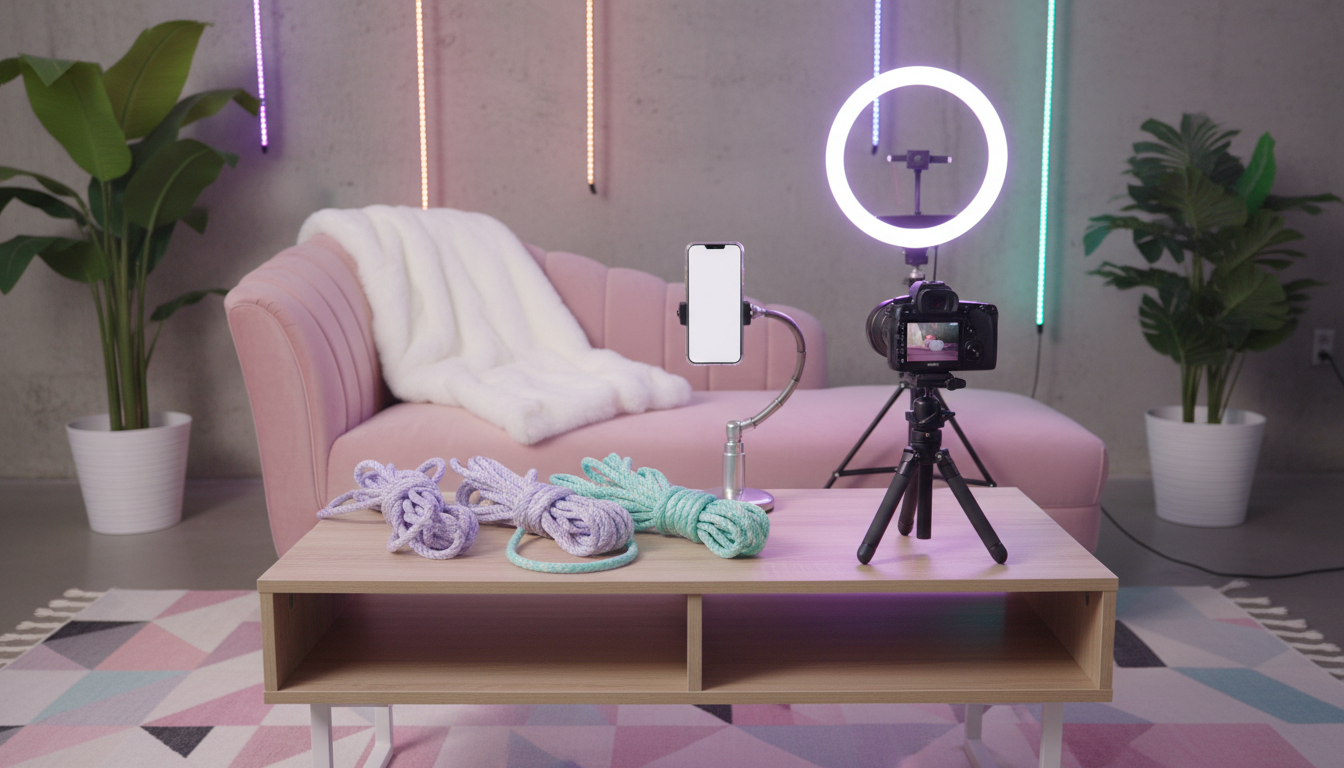
Creating a Safe Workspace for Bondage Content
Creating a Safe Workspace for Bondage Content
Whether you're an aspiring bondage model starting your career or an experienced professional looking to upgrade your setup, creating a safe and functional workspace is essential for producing quality content while protecting your wellbeing. This comprehensive guide covers everything from studio setup and safety measures to professionalism standards that will help you establish a secure environment for bondage modeling work. Your workspace directly impacts not only the quality of your content but also your physical safety, mental comfort, and long-term career sustainability.
Prerequisites for Setting Up Your Workspace
Before establishing your bondage content workspace, you should have:
- A private, lockable space with adequate square footage (minimum 150-200 square feet recommended)
- Basic understanding of bondage safety protocols and consent practices
- Emergency contact system and communication plan
- Initial budget for essential equipment and safety gear ($500-2000 for starter setup)
- Knowledge of local regulations regarding adult content creation
Essential Safety Infrastructure
Physical Safety Measures
The foundation of any bondage workspace begins with comprehensive safety measures that protect everyone involved. Install multiple safety scissors or EMT shears in clearly marked, easily accessible locations throughout your space. These quick-release tools should be within arm's reach from any position where bondage might occur. Additionally, keep a well-stocked first aid kit that includes bandages, antiseptic solutions, ice packs, and any personal medications you might need.
Your workspace should have at least two unobstructed exits, ensuring you can leave quickly in any emergency situation. Install proper lighting with adjustable brightness levels—both for filming purposes and safety visibility. Consider backup lighting sources in case of power failure during a session.
Communication and Emergency Protocols
Establish a clear communication system that includes:
- A trusted emergency contact who knows your filming schedule and can check in at predetermined times
- Safe words or non-verbal signals that immediately stop any activity
- A charged mobile phone within easy reach at all times
- Written emergency procedures posted visibly in your workspace
- Contact information for local emergency services, including the nearest hospital location
Studio Setup Considerations
Space Layout and Equipment Placement
A professional studio setup requires thoughtful planning of your physical space. Position your primary filming area away from windows to maintain privacy and control lighting conditions. Ensure all rigging points—whether ceiling-mounted or using a bondage frame—are properly installed and rated for at least three times the maximum weight they'll support. Never trust rigging to drywall alone; locate and secure to structural beams.
Create distinct zones within your workspace:
- Preparation area: For getting ready, applying makeup, and organizing props
- Filming zone: Your main performance and photography space
- Equipment storage: Organized shelving for ropes, restraints, and accessories
- Safety station: Centralized location for safety scissors, first aid, and communication devices
- Privacy area: Space for breaks and recovery between takes
Essential Equipment Comparison
| Equipment Category | Budget Option ($) | Professional Option ($) | Key Safety Features |
|---|---|---|---|
| Bondage Rope Set | 50-100 | 200-400 | Smooth texture, no fraying, proper weight rating |
| Safety Scissors | 15-25 | 40-60 | Blunt tip, strong cutting power, multiple pairs |
| First Aid Kit | 30-50 | 100-150 | Comprehensive supplies, regular restocking |
| Camera System | 300-600 | 1500-3000 | Remote operation capability, good low-light performance |
| Lighting Setup | 150-300 | 800-1500 | Adjustable, cool-running LEDs, backup power |
| Rigging Equipment | 200-400 | 800-1500 | Professionally rated, regular inspection schedule |
Professionalism and Boundaries
Maintaining Professional Standards
Professionalism in bondage content creation extends beyond technical skills. Establish clear boundaries before any session begins, including what activities are permitted, duration limits, and content usage rights. Document all agreements in writing, even when working solo or with regular collaborators.
Maintain your equipment with regular cleaning and inspection schedules. Rope should be washed after each use, metal hardware checked for wear or sharp edges, and all restraints inspected for structural integrity. Replace any equipment showing signs of degradation immediately—compromised gear creates unnecessary risks.
Hygiene and Cleanliness Protocols
Implement strict hygiene standards throughout your workspace:
- Clean all equipment between uses with appropriate sanitizers
- Wash textiles (ropes, fabrics) regularly according to material requirements
- Maintain clean floors and surfaces to prevent contamination
- Keep separate equipment sets if working with multiple collaborators
- Store cleaned equipment in protected, dust-free containers
- Designate specific cleaning supplies for adult content equipment
Technical Setup for Content Creation
Camera and Recording Considerations
Your technical setup should balance quality output with practical safety needs. Position cameras to allow you complete visibility of your workspace while maintaining frame composition. Use tripods or fixed mounts rather than handheld filming when working alone—this keeps your hands free for safety management. Consider remote camera controls or timer functions that let you start and stop recording without leaving your position.
Ensure adequate storage and backup systems for your content. External hard drives should be kept in secure locations, and consider encrypted storage for sensitive material. Never rely on cloud storage alone without understanding the platform's security protocols and terms of service.
Lighting for Safety and Quality
Proper lighting serves dual purposes in bondage content creation. From a safety perspective, bright, even lighting helps you monitor your physical condition, spot any circulation issues, and navigate your space safely. Professionally, good lighting enhances content quality and reduces post-production work.
Invest in adjustable LED panels that don't generate excessive heat—traditional hot lights create discomfort and potential burn hazards in bondage scenarios. Position your primary lights to eliminate harsh shadows while maintaining visibility of all limbs and restraint points.
Common Challenges and Solutions
Challenge: Limited Space in Apartment or Shared Living Situations
Solution: Utilize multi-functional furniture and collapsible equipment. Invest in a portable bondage frame that can be assembled and disassembled quickly. Use privacy screens to create temporary boundaries. Schedule filming during guaranteed private hours and always secure your space with proper locks.
Challenge: Equipment Storage and Organization
Solution: Implement a categorized storage system with clear labeling. Use sealed containers to protect equipment from dust and damage. Create an inventory spreadsheet tracking when each item was purchased, last cleaned, and next inspection due date. This professionalism extends equipment lifespan and ensures reliability.
Challenge: Balancing Aesthetic Appeal with Safety Visibility
Solution: Design your space with dual-purpose elements. Decorative hooks can serve as additional safety tool storage. Use attractive bins and baskets that conceal safety equipment while keeping it accessible. Choose a color scheme that's both visually appealing on camera and provides good visibility for monitoring safety concerns.
Challenge: Maintaining Focus on Safety During Creative Flow
Solution: Develop pre-filming checklists that become automatic routine. Set periodic timers during longer sessions to prompt safety checks. Never skip safety protocols for "just one quick shot"—accidents happen in moments of complacency. Build safety consciousness into your creative process rather than treating it as separate.
Professional Growth and Workspace Evolution
As your bondage modeling career develops, your workspace should evolve accordingly. Start with essential safety equipment and basic technical setup, then gradually invest in upgrades that improve both content quality and comfort. Track which equipment gets the most use and prioritize those upgrades first.
Consider how your workspace can accommodate collaboration as you network with photographers, riggers, or other models. Ensure your safety protocols scale appropriately—what works for solo content may need adjustment when additional people are involved.
Join professional communities and forums where bondage content creators share workspace tips and safety innovations. The industry continually develops new safety equipment and best practices, and staying informed protects your wellbeing while keeping your content competitive.
FAQ: Safe Workspace for Bondage Content
Q: How much should I budget for a basic safe bondage content workspace?
A: For a minimal safe setup, budget $800-1500 covering essential safety equipment (scissors, first aid kit), basic rigging equipment, starter rope set, adequate lighting, and a decent camera. You can start modestly and upgrade over time, but never compromise on core safety items. The safety scissors, first aid supplies, and communication devices are non-negotiable from day one, while camera and lighting can begin at entry-level quality.
Q: Can I create bondage content safely while living with roommates or family?
A: Yes, but it requires additional planning and clear boundaries. You need a private room with a lock, soundproofing considerations, and a reliable schedule when you have guaranteed privacy. Be completely transparent with cohabitants about your work (within your comfort level) to avoid unexpected interruptions. Install a secondary lock or door wedge for extra security, and ensure your emergency contact is someone outside your household who can respond if needed.
Q: How often should I inspect and replace bondage equipment?
A: Inspect all equipment before each use with visual and tactile checks for wear, fraying, or damage. Conduct thorough monthly inspections documenting equipment condition. Rope typically needs replacement every 6-12 months depending on usage frequency, while metal hardware can last years with proper maintenance. Replace any equipment immediately if you notice sharp edges, unusual wear patterns, or reduced structural integrity. When in doubt, retire the equipment—your safety is worth more than the replacement cost.
Q: What's the most commonly overlooked safety measure in bondage workspaces?
A: Adequate visibility and monitoring capability. Many creators focus on restraints and cutting tools but neglect positioning mirrors or cameras that let them continuously monitor their entire body, especially areas they cannot directly see. Circulation problems, rope positioning issues, or skin irritation can develop quickly, and you need clear visibility to catch these early. Install at least one full-length mirror positioned for complete body visibility from your primary working position.
Q: Should I have someone physically present when creating bondage content?
A: While having a trusted safety monitor present is the gold standard, many successful bondage models work solo using robust safety protocols. If working alone, implement multiple redundant safety measures: emergency contact check-ins, visible timer/clock to prevent time distortion, easily accessible safety tools, and conservative limitations on restraint intensity and duration. Start with simple, low-risk bondage and gradually progress as you develop experience and confidence in your safety systems. Never attempt suspension bondage or complex rope work without in-person assistance.
Conclusion: Building Your Professional Foundation
Creating a safe workspace for bondage content represents a fundamental investment in your career longevity and personal wellbeing. By prioritizing safety measures, establishing professional standards, and thoughtfully planning your studio setup, you create an environment where creativity and security coexist. Remember that your workspace will evolve as your skills and career develop—start with the essentials, never compromise on safety, and systematically upgrade as your needs and budget allow.
Your next steps should include: assessing your current space for safety vulnerabilities, creating a prioritized equipment purchase list, establishing written emergency protocols, and connecting with experienced bondage content creators who can review your safety plans. The bondage modeling community values safety and professionalism, and investing time in proper workspace creation demonstrates your commitment to both your craft and your wellbeing.