
Building Community and Finding Support
Building Community and Finding Support in Bondage Modeling
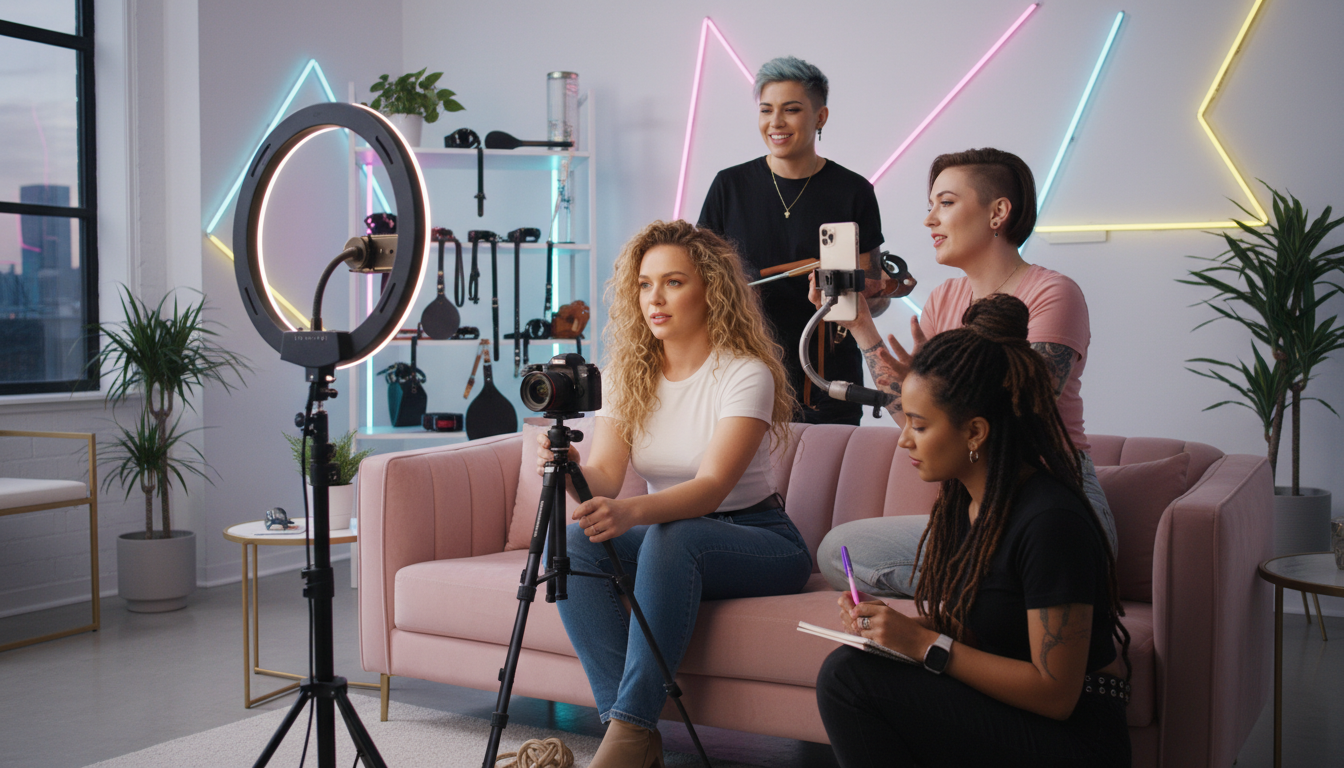
Navigating a career in bondage modeling requires more than technical skills and artistic vision—it demands a strong support network and active community engagement. This comprehensive guide helps aspiring and established bondage models build meaningful connections, find experienced mentors, access peer support, and join networking groups that can accelerate career growth while providing emotional and professional backing. Whether you're just starting or looking to deepen your industry relationships, understanding bondage community building is essential for long-term success and well-being in this specialized field.
Prerequisites for Community Engagement
Before actively building your professional network, ensure you have:
- A clear understanding of your boundaries and modeling goals
- Basic knowledge of bondage safety practices and consent protocols
- A professional online presence (portfolio website or social media)
- Honest self-assessment of your experience level and learning needs
- Commitment to respectful, ethical interactions within the community
Understanding the Bondage Modeling Community Landscape
Types of Community Spaces
The bondage modeling community exists across multiple platforms and formats, each serving different networking purposes. Understanding where to invest your time and energy is crucial for effective bondage community building.
| Community Type | Best For | Accessibility | Typical Benefits |
|---|---|---|---|
| Online Forums & Groups | Knowledge sharing, 24/7 support | High (global access) | Anonymity options, diverse perspectives, resource libraries |
| Local Munches & Meetups | Face-to-face connections | Medium (location-dependent) | Personal relationships, practice partners, immediate feedback |
| Professional Workshops | Skill development | Medium (cost and location) | Expert instruction, hands-on practice, certificates |
| Industry Conferences | Career advancement | Low (expensive, limited frequency) | High-level networking, portfolio reviews, contracts |
| Private Mentorship | Personalized guidance | Low (selective relationships) | Tailored advice, direct industry connections, accountability |
Online vs. In-Person Communities
Both digital and physical community spaces offer unique advantages. Online platforms like FetLife, specialized Discord servers, and Reddit communities provide immediate access to global perspectives and round-the-clock peer support. In-person events, including local munches (casual social gatherings) and workshops, offer irreplaceable hands-on learning and the trust-building that comes from face-to-face interaction.
Steps to Build Your Support Network
Finding Mentors in Bondage Modeling
Finding mentors who can guide your career development is one of the most valuable investments you can make. Follow these strategic steps:
- Identify potential mentors by researching established models whose career paths align with your goals—examine their work style, specializations, and public reputation
- Engage authentically by commenting thoughtfully on their content, attending their workshops, and demonstrating genuine interest in their expertise rather than immediately asking for favors
- Make a specific request once you've established rapport—ask for a 20-minute informational interview or feedback on your portfolio rather than vague "mentorship"
- Offer mutual value by sharing your own skills (social media management, photography assistance, or research capabilities) to create reciprocal relationships
- Respect boundaries and time by being punctual, prepared, and understanding when mentors have limited availability or need to decline requests
- Implement their advice and report back on results, showing you value their input and are committed to growth
- Maintain long-term relationships through periodic check-ins, expressing gratitude, and supporting their work publicly when appropriate
Building Peer Support Systems
Peer relationships with models at similar career stages provide emotional support, practical advice, and collaboration opportunities that complement mentor guidance.
Essential elements of strong peer support include:
- Regular check-ins through messaging apps or scheduled video calls
- Shared vulnerability about challenges, fears, and industry frustrations
- Skill exchanges where each person teaches what they know best
- Accountability partnerships for achieving career milestones
- Emergency contacts who can verify your safety during shoots
- Collaborative projects that expand both portfolios
- Honest feedback on portfolio pieces, rates, and boundary decisions
Leveraging Networking Groups
Joining established networking groups accelerates community integration and provides structured support systems. Active participation requires strategic engagement rather than passive membership.
Research groups by examining their rules, values statements, and recent discussions to ensure alignment with your approach. Contribute meaningfully by answering questions, sharing resources, and organizing events rather than only posting promotional content. Build reputation gradually through consistent, helpful participation before making big requests or promoting your services.
Navigating Community Dynamics Safely
Protecting Your Boundaries
Community involvement should enhance your career, not compromise your safety or values. Establish clear personal policies about:
- What personal information you share in public versus private spaces
- How you handle unsolicited modeling offers or collaboration requests
- Your response to boundary-pushing behavior from community members
- Time limits for community activities to prevent burnout
Recognizing Healthy vs. Toxic Community Spaces
| Healthy Community Signs | Red Flags to Avoid |
|---|---|
| Clear consent policies enforced consistently | Pressure to participate in unwanted activities |
| Diverse membership welcomed | Gatekeeping or exclusionary cliques |
| Constructive criticism given respectfully | Public shaming or callout culture |
| Privacy respected | Gossip encouraged or tolerated |
| Multiple leadership voices | Single authoritarian leader |
| Accountability for violations | Rules applied inconsistently based on status |
Common Challenges and Solutions
Challenge: Feeling Isolated or Unwelcome
Solution: Start with online communities where you can observe dynamics before participating. Engage in beginner-friendly spaces like "Newbie Nights" at local munches or dedicated newcomer forums. Remember that building genuine connections takes months, not weeks.
Challenge: Receiving Conflicting Advice from Multiple Sources
Solution: Recognize that bondage modeling encompasses many valid approaches. Evaluate advice based on the advisor's specific experience, your personal goals, and your intuition. Test different approaches in low-stakes situations to discover what works for your unique situation.
Challenge: Balancing Community Involvement with Work-Life Boundaries
Solution: Schedule specific community time rather than allowing it to consume all free hours. Use separate accounts for professional networking versus personal exploration. Practice saying no to invitations that don't align with your current priorities.
Challenge: Dealing with Competitive or Jealous Community Members
Solution: Focus on abundance mindset—there's room for many successful models with different specializations. Celebrate others' successes publicly, limit time with consistently negative individuals, and remember that secure professionals support rather than undermine peers.
Creating Your Community Engagement Plan
Weekly Community Activities
Develop a sustainable routine that balances learning, contributing, and networking:
- 30 minutes daily: Engage with online communities (commenting, answering questions)
- 2 hours weekly: Attend one in-person munch or virtual meetup
- 1 hour weekly: One-on-one connection with mentor or peer
- Monthly: Attend workshop, conference, or specialized event
- Quarterly: Evaluate which communities serve your growth and adjust involvement
Giving Back to Your Community
As you gain experience, contributing your knowledge strengthens the community while building your reputation:
- Write beginner guides based on lessons you've learned
- Offer portfolio reviews or practice tying sessions for newcomers
- Organize local meetups or moderate online discussion groups
- Advocate for safety improvements and consent education
- Mentor newer models using the same generosity shown to you
FAQ: Building Community and Finding Support
Q: How do I approach potential mentors without seeming opportunistic or demanding?
A: Start by building genuine familiarity—engage with their work publicly for several months before making direct contact. When you do reach out, make a specific, time-limited request ("Could I have 15 minutes to ask about your experience with studio contracts?") rather than asking for open-ended mentorship. Always offer something in return, even if it's simply promoting their work or providing feedback on a project. Most importantly, demonstrate you've done your homework by asking informed questions that show respect for their time and expertise.
Q: What if I live in an area with no local bondage modeling community?
A: Focus your energy on robust online community participation through platforms like FetLife groups, specialized Discord servers, and virtual workshops. Many successful models build entire careers primarily through digital networking. Consider traveling quarterly to major cities with active scenes for intensive weekend workshops or conferences. You can also start your own local community by hosting educational meetups or online discussion groups for your region, attracting like-minded individuals who also felt isolated.
Q: How do I know if advice from community members is trustworthy and applicable to my situation?
A: Evaluate advice based on several factors: the advisor's demonstrated experience in areas relevant to your question, consistency with widely accepted safety principles, alignment with your personal values and goals, and whether multiple respected sources offer similar guidance. Be especially cautious of advice that pressures you to ignore your boundaries, work with specific individuals exclusively, or dismiss your concerns. When in doubt, seek second opinions from mentors or peer support networks and trust your intuition about what feels right for your unique circumstances.
Q: How much should I share about my bondage modeling work in community spaces?
A: This depends on your personal privacy preferences and professional goals. Many successful models maintain different levels of openness across various communities—being more transparent in professional networking groups while maintaining anonymity in general discussion forums. Consider factors like your other employment, family situation, and future career plans. You can build strong community connections while sharing selectively about specific projects, techniques, or business questions without revealing identifying details. Adjust your sharing as your comfort and career evolve.
Q: What should I do if I experience boundary violations or feel unsafe in a community space?
A: Immediately prioritize your safety by removing yourself from the situation if needed. Document what occurred with dates, screenshots, or written accounts while details are fresh. Report violations to community moderators or event organizers if reporting mechanisms exist and you feel comfortable doing so. Reach out to trusted peer support contacts to process the experience and get perspective. Remember that leaving a community that doesn't protect its members is a valid choice—your well-being matters more than any single networking opportunity. Consider sharing your experience (with appropriate discretion) to help others avoid similar situations.
Conclusion: Your Path Forward
Building a supportive community around your bondage modeling career is an ongoing process that requires intention, patience, and authentic engagement. Start by identifying 2-3 community spaces that align with your current needs—perhaps one online forum for daily peer support, one local munch for face-to-face connections, and one specialized workshop for skill development. Dedicate consistent time to meaningful participation rather than superficial presence across dozens of platforms.
Prioritize finding mentors who inspire your specific career direction, cultivate peer relationships with models facing similar challenges, and engage with networking groups that share your values around safety and consent. Remember that quality connections matter far more than quantity—a handful of trusted relationships will advance your career more effectively than hundreds of shallow acquaintances.
As you build your network, maintain clear boundaries, contribute generously to others' growth, and regularly evaluate whether your community involvement serves your evolving goals. The bondage modeling community thrives when members support each other's success while maintaining ethical standards and mutual respect. Your active, thoughtful participation strengthens not just your own career but the entire field for everyone involved.