
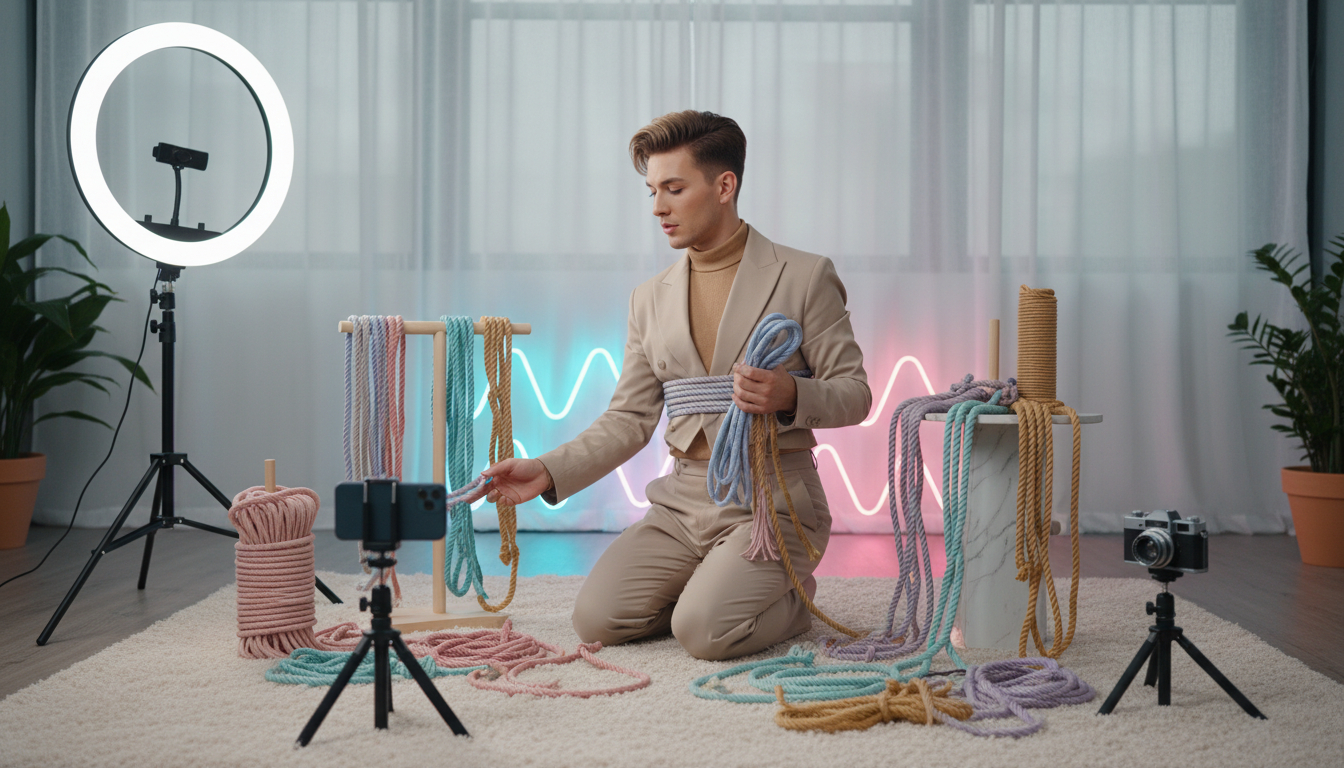
Choosing Quality Ropes for Bondage
Choosing Quality Ropes for Bondage: A Professional's Essential Guide
Whether you're an aspiring bondage model building your professional toolkit or an experienced practitioner upgrading your equipment, selecting the right ropes is crucial for both safety and aesthetic appeal. This comprehensive rope selection guide will help you understand rope materials, compare options like cotton vs jute, and make informed decisions that protect your career, your body, and your artistic vision. Quality ropes aren't just about performance—they're investments in professional credibility and physical safety during sessions that may last hours.
Why Rope Quality Matters for Professional Bondage Models
As a bondage model, the ropes used on your body directly affect your comfort, safety, and the final visual outcome of your work. Professional photographers, riggers, and studios expect models who understand equipment and can communicate effectively about rope choices. Poor-quality ropes can cause unnecessary friction burns, allergic reactions, or break during crucial moments of a shoot. Additionally, understanding rope characteristics demonstrates professionalism and helps you negotiate better rates by showing technical knowledge.
Prerequisites for Rope Selection
Before investing in ropes, ensure you have:
- Basic understanding of bondage safety principles and consent practices
- Knowledge of your own body's sensitivities and allergies
- Communication established with your regular riggers about their preferences
- Budget allocated for quality equipment (expect $15-50 per rope depending on material and length)
- Storage space that keeps ropes clean, dry, and properly coiled
Understanding Rope Materials: The Foundation of Quality
The material composition determines everything from how rope feels against skin to its durability and maintenance requirements. Natural fibers dominate professional bondage work, though synthetic options serve specific purposes.
Natural Fiber Ropes
Natural rope materials breathe well, hold knots securely, and provide the traditional aesthetic most clients and photographers prefer. They require more maintenance but offer superior friction control and a warm, organic feel.
Jute stands as the gold standard in Japanese-style rope bondage (Shibari/Kinbaku). This natural fiber from the jute plant offers moderate stiffness that holds knots exceptionally well while providing enough grip to prevent dangerous slipping. Quality jute ropes feature consistent diameter (typically 6mm for body work), minimal shedding, and smooth processing. The material naturally wicks moisture from skin, reducing slippage during longer sessions. However, jute requires conditioning with oil or wax and regular maintenance to prevent becoming brittle.
Hemp provides similar characteristics to jute but with greater strength and durability. It's slightly rougher in texture, making it ideal for more intensive bondage work where security is paramount. Hemp rope materials age beautifully, developing a patina that many practitioners value. The initial cost runs higher than jute, but longevity often justifies the investment.
Cotton offers the softest option, making it ideal for models with sensitive skin or those new to rope work. When comparing cotton vs jute, cotton wins for comfort and hypoallergenic properties but loses in knot security and durability. Cotton rope stretches more under tension, which can compromise certain tie structures. It's excellent for practice sessions, lighter decorative work, and situations where you'll be tied for extended periods with minimal movement.
Synthetic Rope Options
While purists often dismiss synthetics, they serve legitimate professional purposes. Nylon and polyester ropes resist moisture, clean easily, and last virtually forever with proper care. They're perfect for suspension work requiring maximum strength or outdoor shoots where natural fibers might absorb water. The downsides include less grip (increasing slip risk), potential rope burns from friction, and a less organic aesthetic that may not suit traditional bondage photography.
Rope Material Comparison Table
| Material | Comfort Level | Knot Security | Durability | Maintenance | Best For | Price Range (per 30ft) |
|---|---|---|---|---|---|---|
| Jute | Medium | Excellent | Good | High | Shibari, professional photo shoots | $25-40 |
| Hemp | Medium-Low | Excellent | Excellent | Medium | Intensive bondage, suspension | $35-50 |
| Cotton | High | Fair | Fair | Low | Beginners, sensitive skin, practice | $15-25 |
| Nylon | Medium | Poor | Excellent | Very Low | Suspension, water scenes | $20-35 |
| Bamboo | High | Good | Good | Medium | Eco-conscious shoots, soft bondage | $30-45 |
| Linen | Medium-High | Good | Good | Medium | Artistic photography, historical accuracy | $28-42 |
Step-by-Step Rope Selection Process for Professional Models
-
Assess your work type: Determine whether you primarily do floor work, suspension, artistic photography, or performance. Suspension absolutely requires stronger materials like hemp or quality synthetic ropes rated for dynamic loads.
-
Test for skin sensitivity: Before purchasing large quantities, obtain small samples of different rope materials. Tie simple wraps around your wrist or ankle for 15-20 minutes to check for irritation, itching, or discomfort.
-
Evaluate rope diameter: For body bondage, 6mm (approximately 1/4 inch) works for most applications. Smaller diameters (4-5mm) suit intricate patterns but dig into skin more. Larger diameters (8mm+) distribute pressure better but create bulkier ties.
-
Verify rope length needs: Standard working lengths are 25-30 feet (7.5-9 meters) for body ties. Purchase at least 6-8 ropes to start, allowing for full-body harnesses. Suspension requires longer lengths—consider 40-50 foot ropes.
-
Check construction quality: Examine rope tightly. Quality ropes show consistent twist, no loose strands, finished ends (whipped or sealed), and uniform diameter throughout. Avoid ropes with visible irregularities or excessive fuzzing.
-
Consider your regular riggers' preferences: Professional rope artists often have strong material preferences based on their style. Owning ropes in their preferred material builds better working relationships.
-
Calculate total investment: Don't buy just one or two ropes. A working set requires significant investment, so budget accordingly and potentially purchase incrementally.
Key Features of Professional-Grade Bondage Rope
When choosing quality ropes, look for these essential characteristics:
- Consistent diameter: Variations cause uneven pressure distribution and compromised knot integrity
- Proper lay (rope twist): Three or four-strand laid rope with balanced tension
- Smooth finish: Processed to remove splinters and excessive fuzz while retaining functional texture
- Appropriate breaking strength: Minimum 500 lbs for body work; 1000+ lbs for any suspension
- Pre-conditioned or ready to condition: Quality vendors often pre-treat natural fiber ropes
- Finished ends: Whipping, back-splicing, or heat-sealing prevents unraveling
- No chemical smell: Excessive odor indicates poor processing or chemical treatments that may irritate skin
- Even coloring: Consistent dye absorption indicates uniform fiber quality
Common Challenges and Solutions in Rope Selection
Challenge: Natural fiber ropes feel too rough or cause skin irritation. Solution: Condition jute and hemp ropes with jojoba oil or specialized rope conditioner. Apply thin layers, work through the entire length, and allow drying time. Alternatively, switch to cotton or bamboo for sensitive areas while using jute elsewhere.
Challenge: Ropes develop an unpleasant odor after use. Solution: Natural fibers absorb sweat and body oils. After each session, wipe down ropes with a slightly damp cloth, allow to dry completely, and store in breathable bags. Monthly conditioning helps seal fibers. Never store damp ropes—mildew ruins them permanently.
Challenge: Cotton ropes stretch excessively during ties. Solution: Pre-stretch cotton ropes before use by pulling firmly along their length multiple times. This removes initial give. For critical applications where stretch is unacceptable, choose jute or hemp instead.
Challenge: Budget constraints limit purchases of premium rope. Solution: Start with a basic working set of 6-8 quality cotton ropes for practice and lighter work ($90-150 investment). As you book paid sessions, gradually replace with jute or hemp. Many professional models maintain both sets—cotton for practice/long duration comfort ties, premium materials for paid shoots.
Challenge: Uncertainty about rope length needs. Solution: The general formula: for body ties, calculate 4 times the circumference of the area being tied, plus 3-6 feet for knots and tails. When in doubt, 30-foot ropes handle most single-column ties and basic harness work.
Maintenance Considerations for Long-Term Investment
Quality ropes require care to maintain their properties and extend lifespan. Natural fibers need regular conditioning—apply light oil every 10-15 uses to prevent brittleness. Store all ropes in coils, never kinked or tangled, in a cool, dry location away from direct sunlight. Inspect before each use for damage, excessive fuzzing, or weak spots. Natural fiber ropes last 1-3 years with proper care; synthetics can last indefinitely. Many professional models date their ropes upon purchase and retire them on schedule regardless of appearance, prioritizing safety over economy.
Building Your Professional Rope Collection
Most working bondage models eventually own multiple rope sets for different purposes:
- Practice set: 8-10 cotton ropes for learning new ties and rehearsing
- Professional set: 8-12 jute or hemp ropes for paid sessions and portfolio shoots
- Specialty set: 4-6 ropes in unique colors or materials for specific artistic projects
- Suspension set: 4-8 premium strength ropes dedicated exclusively to suspension work
This investment might total $400-800, but it represents your professional toolkit and lasts years when properly maintained.
Frequently Asked Questions
Q: What's the single best rope material for someone just starting as a bondage model?
A: Cotton represents the best starting point for new bondage models. It's forgiving on skin during the learning curve when you're experiencing longer tie times and potential readjustments. The lower cost allows building a complete working set without major investment. As you gain experience and book professional sessions, transition to jute for its superior performance and industry-standard status. Keep your cotton ropes for practice and extended-duration work.
Q: How can I tell if a rope is actually safe for suspension, or if sellers are exaggerating strength ratings?
A: Reputable bondage rope vendors provide verifiable breaking strength data, often with third-party testing certificates. For suspension work, never rely on unmarked rope or vendor claims alone. Look for ropes specifically marketed for bondage suspension with minimum 1000 lb breaking strength and preferably 2000+ lbs for safety margin. Natural fiber ropes degrade over time—even if initially rated for suspension, retire them after 1-2 years or 50 uses for suspension purposes. When in doubt, consult with experienced suspension riggers and only work with rope artists who prioritize safety protocols.
Q: In the cotton vs jute debate, are there specific situations where cotton is actually better than jute for professional work?
A: Yes, several professional scenarios favor cotton over jute. Extended duration shoots (2+ hours) often work better with cotton's superior comfort, preventing rope marks that could affect subsequent bookings. Models with documented skin sensitivities should advocate for cotton to avoid mid-session reactions. Certain artistic styles, particularly vintage or romantic aesthetics, may specifically call for cotton's softer visual appearance. Additionally, color photography sometimes benefits from cotton's dye retention—vibrant colored ropes photograph beautifully. Professional models maintain both materials and recommend appropriate options based on each session's specific requirements.
Q: How often should I replace my ropes, and what signs indicate a rope is no longer safe to use?
A: Natural fiber ropes used for body work should be retired after 2-3 years even with light use, as fibers degrade over time. Suspension ropes require more aggressive retirement schedules—12-18 months maximum. Immediate replacement indicators include: visible broken strands within the rope body, significant thinning or weak spots, excessive stiffness despite conditioning, persistent musty odor indicating mildew, or any rope that's experienced shock loading (sudden weight drop during suspension). When you notice increased fuzziness that doesn't improve with conditioning, the rope is nearing end of life. Never risk safety by extending rope life beyond reasonable limits—your body and career depend on equipment integrity.
Q: Should I bring my own ropes to professional sessions, or use what the rigger provides?
A: This varies by professional relationship and session type. Established riggers typically prefer using their own ropes that they've broken in and know intimately. However, owning quality personal ropes demonstrates professionalism and provides backup options if equipment issues arise. For models with specific material preferences due to skin sensitivity, bringing personal ropes is entirely appropriate—discuss in advance. Some models own ropes exclusively for their own use (never used by others) for hygiene reasons. When building your career, investing in a personal set shows commitment and allows practice between sessions, but always communicate with riggers beforehand about equipment preferences.
Conclusion and Next Steps
Choosing quality ropes represents a crucial professional development step for bondage models. By understanding rope materials, carefully comparing options like cotton vs jute, and following this rope selection guide, you'll build a toolkit that serves your career while prioritizing safety and comfort. Start with a basic cotton set for learning, invest in premium jute or hemp as you book professional work, and maintain your ropes properly to extend their lifespan.
Your next steps should include: researching reputable rope vendors specializing in bondage equipment, connecting with experienced models or riggers who can provide hands-on material comparisons, and starting with a modest investment that you can expand as your career develops. Remember that rope selection is personal—what works beautifully for one model might not suit another. Take time to experiment, listen to your body, and build relationships with riggers who respect your equipment preferences and safety requirements. Quality ropes aren't just tools; they're investments in your professional future and physical wellbeing.