
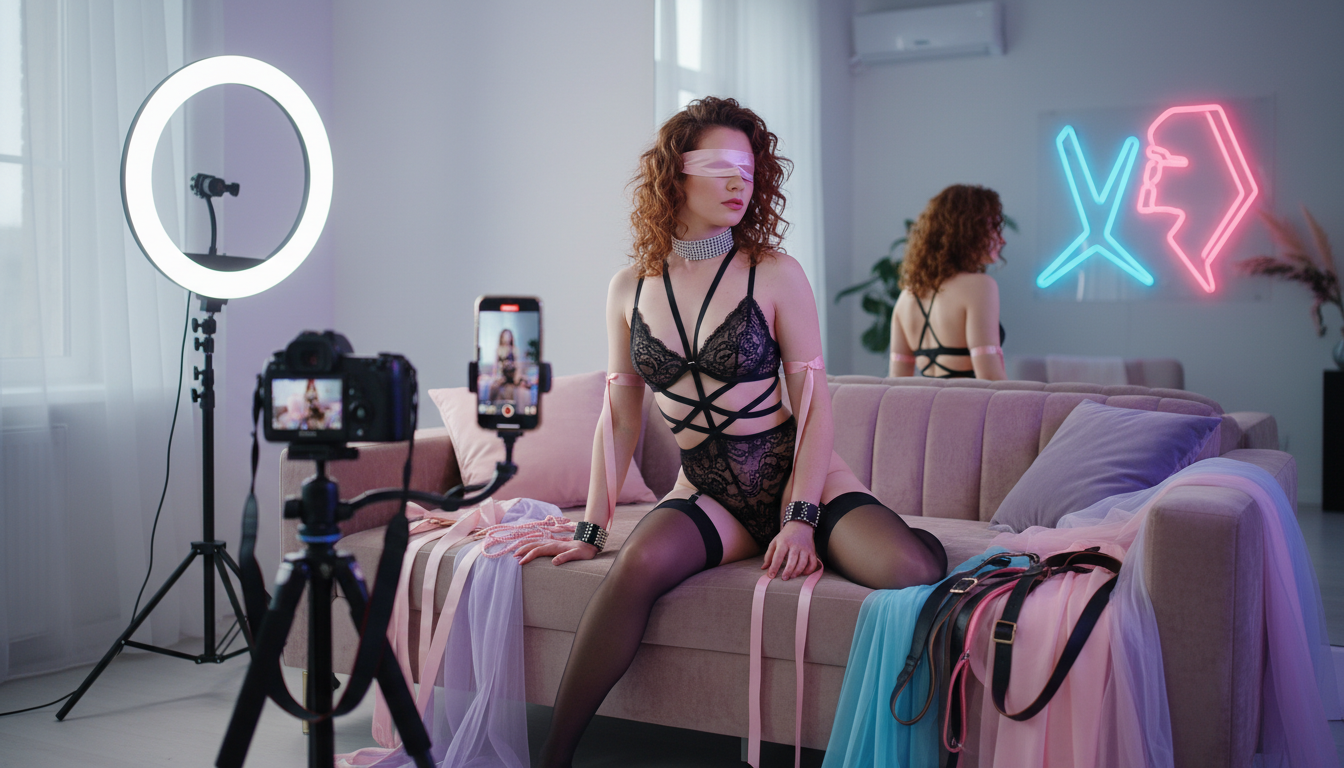
Boudoir and Bondage Photography: Intimate Model Guide
Boudoir and Bondage Photography: Intimate Model Guide
Boudoir bondage photography merges the intimate, empowering nature of boudoir photography with the artistic elements of bondage aesthetics, creating powerful visual narratives that celebrate sensuality, trust, and personal expression. This comprehensive guide is designed for models seeking to explore intimate bondage photos, photographers transitioning into this specialized niche, and creative professionals who want to understand the unique considerations of combining boudoir styling with bondage elements. Whether you're preparing for your first boudoir model session or expanding your portfolio with sensual bondage imagery, this guide provides practical frameworks for creating stunning, consensual, and professionally executed work.
Prerequisites for Boudoir Bondage Photography
Before engaging in boudoir bondage photography sessions, both models and photographers should meet specific requirements:
- Portfolio Development: Models should have basic boudoir photography experience or general modeling experience
- Communication Skills: Ability to clearly express boundaries, comfort levels, and creative vision
- Professional Relationship: Established trust between model and photographer through preliminary consultations
- Safety Knowledge: Understanding of basic bondage safety principles, including circulation checks and quick-release techniques
- Legal Documentation: Signed model releases, consent forms specific to bondage imagery, and age verification (18+ only)
- Equipment Familiarity: Knowledge of ropes, restraints, or props that will be used during the session
Understanding Boudoir Bondage Photography Styles
Boudoir bondage photography exists on a spectrum from subtle suggestion to explicit artistic expression. Understanding these distinctions helps models and photographers align their creative visions.
Soft Boudoir Bondage
This approach emphasizes intimate photography with minimal restraint elements—perhaps a silk ribbon loosely binding wrists or decorative rope patterns that suggest rather than restrict. The focus remains on the model's expression, lingerie, and overall sensual atmosphere while introducing bondage as an aesthetic accent.
Classic Boudoir with Bondage Elements
This style integrates traditional boudoir styling—luxurious fabrics, flattering lighting, feminine aesthetics—with functional bondage elements like decorative ties, harnesses worn as accessories, or artistic rope work that frames the body. The result balances intimacy with artistic constraint.
Artistic Sensual Bondage
Here, bondage becomes the primary visual element while maintaining the intimate, personal quality of boudoir work. Complex rope work (shibari/kinbaku), dramatic poses, and the interplay between restraint and vulnerability create powerful imagery that transcends traditional boudoir photography.
Preparing for Your Boudoir Bondage Session
1. Pre-Session Consultation
Schedule a detailed consultation at least one week before shooting. Discuss specific poses, restraint types, comfort boundaries, and review reference images together. This conversation establishes expectations and builds the trust essential for intimate bondage photos.
2. Wardrobe and Styling Selection
Choose lingerie, bodysuits, or tasteful partial coverage that complements bondage elements rather than competing with them. Solid colors often work better than busy patterns, and consider how rope or restraints will interact with your chosen wardrobe.
3. Physical and Mental Preparation
Ensure you're well-rested, hydrated, and have eaten before the session. Bondage positions can be physically demanding, and maintaining poses while restricted requires stamina. Mentally prepare for vulnerability—these sessions require emotional openness.
4. Safety Planning
Establish clear safe words or signals (especially important if your mouth will be covered). Confirm that safety scissors or quick-release mechanisms are immediately accessible. Plan regular breaks for circulation checks and position changes.
5. Set Design and Location
Select locations that support both intimacy and practical bondage work. Bedroom settings with anchor points for rope work, elegant furniture for posing, and neutral backgrounds that won't distract from the subject work exceptionally well.
Comparison of Boudoir Bondage Photography Approaches
| Approach | Restraint Level | Technical Difficulty | Typical Duration | Best For | Portfolio Impact |
|---|---|---|---|---|---|
| Suggested Bondage | Minimal/aesthetic only | Low | 1-2 hours | Beginners, soft portfolios | Accessible, broad appeal |
| Integrated Boudoir | Moderate functional restraints | Moderate | 2-3 hours | Experienced models | Versatile, artistic |
| Artistic Shibari | Complex rope work | High | 3-5 hours | Advanced practitioners | Specialized, high-impact |
| Fashion Bondage | Harnesses as accessories | Low-Moderate | 1-2 hours | Fashion-forward models | Editorial, trendy |
| Narrative Bondage | Variable, story-driven | Moderate-High | 2-4 hours | Expressive models | Storytelling, conceptual |
Essential Elements for Successful Sessions
Creating compelling boudoir bondage photography requires attention to several key components:
- Lighting Design: Soft, directional lighting creates intimate moods while highlighting rope patterns and body contours without harsh shadows
- Camera Angles: Low angles emphasize power dynamics; eye-level shots create intimacy; high angles can suggest vulnerability
- Rope or Restraint Quality: Investment in proper materials—natural jute, cotton rope, leather restraints—ensures both safety and visual appeal
- Emotional Expression: The model's face and body language convey the narrative; practice expressions that communicate your intended message
- Compositional Balance: Frame shots to balance the technical beauty of bondage work with the model's human presence
- Color Coordination: Match rope colors, lingerie, and set design for cohesive visual storytelling
- Negative Space: Use empty areas in the frame to create breathing room and emphasize isolation or intimacy
Common Challenges and Solutions
Challenge: Rope marks or circulation issues during extended sessions
Solution: Schedule regular 10-15 minute breaks every 30-45 minutes. Use softer rope materials for longer sessions. Keep the rigger's safety scissors immediately accessible. Check fingers and toes for color changes or numbness frequently.
Challenge: Difficulty maintaining poses while restricted
Solution: Use support pillows, wedges, or furniture strategically. Start with easier positions and progress gradually. Communicate honestly about physical limitations before they become painful.
Challenge: Unintentional explicit content when aiming for artistic boudoir
Solution: Use strategic covering, careful angles, and thoughtful cropping. Review images immediately to ensure they align with your intended aesthetic. Position bondage elements to create natural coverage.
Challenge: Model discomfort with vulnerability or exposure
Solution: Start with more clothed, less restrictive poses. Build confidence gradually. Allow the model to review and approve images throughout the session. Maintain professional communication focused on the artistic process.
Challenge: Inconsistent lighting across different bondage positions
Solution: Use multiple soft light sources or reflectors that remain effective from various angles. Test lighting with each major position change before shooting extensively.
Post-Session Considerations
After your boudoir bondage photography session:
-
Immediate Care: Apply moisturizer to any areas that experienced rope friction. Check for marks that might indicate excessive pressure.
-
Image Selection: Review all images together when possible, selecting those that best represent your artistic vision and comfort level.
-
Retouching Standards: Discuss retouching preferences—whether to remove rope marks, enhance lighting, or maintain natural authenticity.
-
Usage Rights: Clarify where images may be published, which platforms are acceptable, and whether facial recognition is permitted.
-
Portfolio Integration: Consider how these images complement your existing work and represent your brand as a boudoir model.
Building Your Boudoir Bondage Portfolio
As you develop your portfolio in intimate photography with bondage elements, consider these strategic approaches:
- Variety in Restraint: Include images with different materials—rope, ribbon, leather, chains—to demonstrate versatility
- Emotional Range: Capture various expressions from serene to intense, playful to contemplative
- Technical Diversity: Show different lighting scenarios, color palettes, and compositional approaches
- Body Positioning: Include full-body shots, detailed close-ups of rope work, and intimate portraits
- Styling Evolution: Demonstrate your ability to work with various aesthetics from romantic to edgy
Professional Ethics and Boundaries
Boudoir bondage photography requires heightened attention to professional ethics. Models should never feel pressured to exceed their stated boundaries. Photographers must maintain appropriate professional distance and conduct. All bondage application should be performed by qualified individuals, and models retain the right to stop the session at any time. Written consent forms should specifically address bondage elements, image usage, and model rights. Any intimate photography session should include a support person if the model requests one, though confidentiality agreements may be necessary.
Frequently Asked Questions
Q: How is boudoir bondage photography different from regular boudoir photography?
A: Boudoir bondage photography incorporates restraint elements—ropes, ties, harnesses, or other binding materials—as integral artistic components, adding layers of symbolism around trust, vulnerability, and power dynamics. Regular boudoir photography focuses primarily on intimate, sensual imagery through lingerie, poses, and lighting without restraint elements. Boudoir bondage requires additional safety considerations, technical skills for proper restraint application, and often explores deeper emotional narratives than traditional boudoir work.
Q: Do I need bondage experience to model for boudoir bondage photography?
A: No direct bondage experience is required, but you should have comfort with intimate photography and understand basic bondage safety principles. Many photographers work with models new to bondage elements, starting with simple, non-restrictive aesthetic ties before progressing to more complex work. What's essential is clear communication about boundaries, trust in your photographer, and willingness to express vulnerability. Starting with suggested bondage styles allows you to ease into this specialized niche.
Q: What should I look for when choosing a photographer for boudoir bondage sessions?
A: Seek photographers with demonstrated portfolios in both boudoir styling and bondage photography, positive reviews from previous models, clear communication about boundaries and safety, professional contracts and consent documentation, and ideally, certifications in bondage safety or rope work. They should willingly answer questions about their process, provide references, meet for consultations before booking, and never pressure you beyond stated comfort levels. Professional liability insurance is also a positive indicator.
Q: How long do rope marks last after a session, and are they harmful?
A: Light rope marks from properly applied bondage typically fade within 2-24 hours, similar to sock or bra lines. These superficial marks are generally harmless. However, deep marks, bruising, or marks lasting beyond 48 hours may indicate excessive pressure during the session. Proper technique with appropriate breaks prevents harmful marking. Communicate immediately if you experience numbness, excessive pain, or discoloration during the session. Professional riggers prioritize safety over aesthetics and adjust techniques to prevent injury.
Q: Can I include boudoir bondage photos in my mainstream modeling portfolio?
A: This depends on your career goals and target markets. For alternative fashion, artistic, or fetish modeling, these images strengthen your portfolio. For mainstream commercial or conservative markets, separate these images into a private portfolio shown only to appropriate clients. Many models maintain multiple portfolios—a "public" version for general clients and a "specialty" version for artistic or alternative work. Consider using aliases or limiting facial visibility if you want to keep these images separate from mainstream work. Always retain control over where your images appear.
Conclusion and Next Steps
Boudoir bondage photography represents a powerful intersection of intimate photography, artistic expression, and technical skill. By understanding the various styles, preparing thoroughly, prioritizing safety and consent, and building your portfolio strategically, you can create stunning imagery that celebrates sensuality while maintaining professionalism and personal boundaries. Begin with soft, suggested bondage elements to build confidence, gradually advancing to more complex work as your comfort and skills develop. Research photographers in your area who specialize in this niche, schedule consultations to assess compatibility, and always trust your instincts about professional relationships. With proper preparation and the right creative partner, boudoir bondage photography can become a meaningful and empowering addition to your modeling journey.