
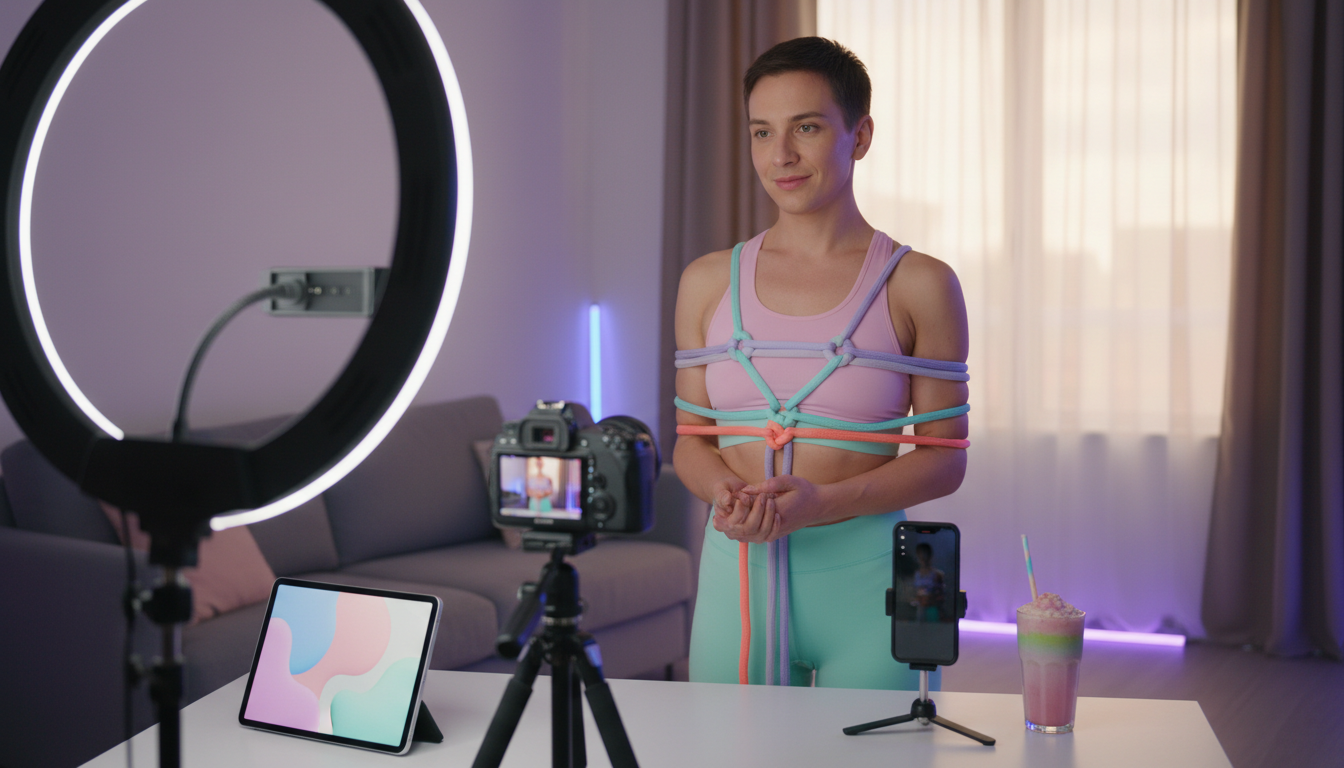
Bondage Without Sex: Exploring Non-Sexual Restraint
Bondage Without Sex: Exploring Non-Sexual Restraint
Bondage without sex represents a sophisticated artistic practice that separates physical restraint from sexual activity, focusing instead on aesthetics, meditation, trust-building, and personal expression. This comprehensive guide explores non sexual bondage as an art form, therapeutic practice, and creative pursuit suitable for photographers, models, performance artists, and individuals seeking deeper connections through restraint. Whether you're interested in aesthetic bondage for photography, rope art exhibitions, or personal mindfulness practices, understanding the principles and techniques of non-sexual restraint opens new dimensions of artistic and emotional exploration.
Understanding Non-Sexual Bondage
Non sexual bondage encompasses various practices where restraint serves purposes beyond physical intimacy. These include Shibari rope art displayed in galleries, meditation bondage for mindfulness, fashion bondage in avant-garde photography, therapeutic restraint for stress relief, and performance art incorporating bound elements. The practice emphasizes the beauty of rope patterns, the psychological experience of surrender, the trust between participants, and the artistic expression through body positioning.
Prerequisites for Non-Sexual Restraint Practice
Before engaging in bondage without sex, practitioners should establish several foundations:
- Clear Communication Skills: Ability to articulate boundaries, intentions, and physical sensations
- Basic Safety Knowledge: Understanding of nerve locations, circulation risks, and emergency release procedures
- Appropriate Materials: Quality rope (jute, hemp, or cotton), safety scissors, and padding for sensitive areas
- Private Space: Comfortable environment where participants feel secure and free from interruptions
- Consent Framework: Explicit agreement on activities, duration, and check-in protocols
- Physical Awareness: Understanding of personal flexibility, limitations, and health conditions
Types of Non-Sexual Bondage Practices
Aesthetic Bondage for Visual Arts
Aesthetic bondage prioritizes visual composition, symmetry, and the interplay between rope and body. Photographers and artists collaborate with models to create striking images featuring intricate rope patterns, dramatic lighting, and evocative poses. This practice appears in fashion editorials, gallery exhibitions, and coffee table books celebrating rope as sculptural medium.
Meditative and Therapeutic Restraint
Many practitioners discover that bondage without sex provides profound relaxation and mental clarity. The process of being bound creates a meditative state where external responsibilities fade, allowing deep breathing, mindfulness, and emotional release. Some report therapeutic benefits including stress reduction, anxiety management, and improved body awareness.
Performance and Stage Bondage
Theatrical productions, circus performances, and avant-garde dance incorporate restraint elements for dramatic effect. Performers train extensively in safe suspension, escape techniques, and maintaining composure while bound, transforming restraint into compelling visual storytelling.
Comparison of Non-Sexual Bondage Contexts
| Context | Primary Focus | Typical Duration | Skill Level Required | Documentation |
|---|---|---|---|---|
| Photography Session | Visual aesthetics, composition | 1-3 hours | Intermediate | High-quality images |
| Meditation Practice | Mental relaxation, mindfulness | 15-45 minutes | Beginner-friendly | Personal journaling |
| Gallery Exhibition | Artistic expression, public display | 2-6 hours | Advanced | Professional photos/video |
| Workshop Demonstration | Education, technique sharing | 30-90 minutes | Varies | Instructional materials |
| Personal Exploration | Self-discovery, trust-building | 20-60 minutes | Beginner to intermediate | Optional personal records |
Step-by-Step Guide to Beginning Non-Sexual Bondage
-
Establish Clear Intentions: Discuss with your partner or rigger why you're interested in non sexual bondage, what you hope to experience, and what boundaries exist around physical contact and emotional intimacy.
-
Learn Basic Safety Protocols: Study nerve pathways to avoid (radial, ulnar, peroneal), recognize signs of circulation problems (numbness, color changes, temperature differences), and practice emergency release techniques.
-
Start with Simple Ties: Begin with basic wrist or ankle cuffs using single-column ties, practice on yourself first to understand sensations, and gradually progress to more complex patterns as confidence builds.
-
Create Comfortable Environment: Arrange cushions or mats for positioning, ensure appropriate room temperature, have water readily available, and eliminate potential distractions or interruptions.
-
Implement Check-in System: Establish verbal cues or hand signals for communication, schedule regular check-ins every 5-10 minutes initially, and maintain open dialogue about sensations and comfort levels.
-
Focus on the Experience: Pay attention to breathing patterns, notice how restraint affects mental state, observe rope patterns and body positioning, and allow emotions to surface naturally without judgment.
-
Practice Proper Aftercare: Gently remove restraints while supporting limbs, provide warm blankets and hydration, allow time for physical and emotional processing, and discuss the experience when ready.
Essential Elements of Aesthetic Bondage
When creating bondage without sex for artistic purposes, consider these critical components:
- Rope Selection and Preparation: Choose appropriate diameter (6-8mm for body, 4-6mm for decorative), treat natural fibers properly, maintain consistent tension throughout patterns, and select colors complementing skin tones
- Compositional Balance: Create visual interest through asymmetry, incorporate negative space effectively, consider rope lines leading viewer's eye, and balance complex patterns with simpler elements
- Lighting and Environment: Utilize directional lighting to emphasize rope texture, consider background colors and textures, create mood through lighting temperature, and eliminate distracting elements from frame
- Model Comfort and Safety: Position body to avoid strain during extended sessions, provide supports for sustained poses, monitor circulation continuously, and respect physical limitations
- Documentation Planning: Discuss usage rights and privacy concerns, plan shot list collaboratively, allow breaks between complex ties, and maintain professional boundaries throughout
Common Challenges in Non-Sexual Bondage
Managing Unexpected Arousal
Even in non sexual bondage contexts, physical arousal may occur due to physiological responses to touch, pressure, or psychological intensity. Address this professionally by acknowledging it matter-of-factly without shame, maintaining focus on stated intentions, adjusting positioning if needed, and remembering arousal doesn't require action.
Maintaining Professional Boundaries
When aesthetic bondage involves multiple participants or professional relationships, establish clear communication about touch limitations, discuss clothing and coverage expectations, maintain appropriate physical distance when possible, and address boundary crossings immediately.
Overcoming Performance Anxiety
Models new to bondage photography may experience nervousness about appearance or vulnerability. Build confidence through gradual progression, practice poses before binding, review and approve images collaboratively, and celebrate small accomplishments throughout sessions.
Addressing Physical Discomfort
Differentiate between interesting sensations and genuine problems by checking extremity temperature and color, asking specific questions about numbness or pain, adjusting ties before continuing, and never hesitating to release restraints completely.
Building Trust in Non-Sexual Restraint
Successful bondage without sex depends fundamentally on trust between participants. Develop this foundation through consistent honest communication, respecting stated boundaries without testing, demonstrating technical competence and safety knowledge, acknowledging vulnerabilities openly, and honoring confidentiality regarding sessions.
Trust deepens through repeated positive experiences where both parties feel heard, respected, and safe. Start with shorter sessions and simpler ties, gradually increasing complexity as comfort grows. Document agreements in writing when appropriate, especially for professional collaborations or public displays.
Professional Applications of Aesthetic Bondage
Many artists, photographers, and models build careers around non sexual bondage. Portfolio development requires diverse imagery showcasing technical skill, artistic vision, and model rapport. Network within rope art communities, attend festivals and conventions, collaborate with complementary artists, and maintain professional social media presence highlighting aesthetic work.
Professional practitioners often specialize in particular styles—Japanese Shibari, Western rope bondage, fashion bondage, or suspension art. Study historical and cultural contexts, develop signature techniques or visual styles, and create cohesive bodies of work demonstrating expertise.
Cultural and Artistic Significance
Bondage without sex has rich cultural heritage, particularly in Japanese Kinbaku and Shibari traditions where rope work represents spiritual practice, artistic expression, and philosophical exploration of beauty, impermanence, and human connection. Contemporary Western practitioners blend these influences with fashion photography, contemporary dance, and installation art.
Major museums and galleries now feature bondage photography and performance, legitimizing the practice as serious artistic medium. Publications dedicated to rope art, international competitions, and academic studies examine aesthetic, psychological, and cultural dimensions of non-sexual restraint.
FAQ: Bondage Without Sex
Q: Can bondage truly be non-sexual, or does restraint inherently involve sexuality?
A: Bondage without sex is absolutely valid and common. While restraint may involve vulnerability and intimacy, these don't require sexual expression. Many practitioners engage in aesthetic bondage purely for artistic photography, meditation, stress relief, or trust-building exercises. The context, intentions, and boundaries established by participants determine whether bondage includes sexual elements. Museums, galleries, and therapeutic settings regularly feature non-sexual bondage, demonstrating its legitimacy as independent practice.
Q: What makes aesthetic bondage different from bondage in intimate relationships?
A: Aesthetic bondage prioritizes visual composition, artistic expression, and technical rope work rather than sexual arousal or physical intimacy. Focus remains on creating beautiful patterns, exploring emotional states through restraint, or documenting rope art photographically. Boundaries typically include restrictions on intimate touching, explicit nudity (depending on context), and sexual interaction. Professional relationships emphasize technical collaboration, creative vision, and mutual respect rather than romantic or sexual connection.
Q: How do I explain my interest in non-sexual bondage to others who might misunderstand?
A: Frame your interest through the lens most relevant to your practice—artistic photography, meditation and mindfulness, historical Japanese rope art, performance art, or personal growth. Compare it to other practices involving controlled vulnerability like yoga, contact improvisation dance, or trust falls in team building. Share examples of bondage in mainstream media, gallery exhibitions, or published photography books. Emphasize safety, consent, and the specific benefits you experience, whether creative expression, stress relief, or artistic collaboration.
Q: What safety concerns are unique to bondage without sex?
A: Non-sexual bondage often involves longer duration ties for photography or meditation, requiring extra attention to circulation, nerve compression, and positional comfort. Extended sessions increase risks of numbness, muscle fatigue, or joint strain. Additionally, aesthetic bondage may involve complex suspensions or extreme poses prioritizing visual impact, demanding advanced technical knowledge. Emotional safety remains crucial—vulnerability in non-sexual contexts can trigger unexpected emotional responses requiring sensitive handling and aftercare.
Q: Can I practice non-sexual bondage alone, or does it require a partner?
A: Self-bondage represents one form of bondage without sex, allowing personal exploration of restraint without another person. However, self-bondage requires extra safety precautions including reliable release mechanisms, avoiding positions restricting breathing, keeping emergency tools accessible, and informing someone of your activities. Many practitioners find solo rope practice valuable for developing technical skills, exploring personal reactions to restraint, and creating meditative experiences. That said, many benefits of non sexual bondage—trust-building, artistic collaboration, and complex ties—require partnership.
Conclusion: Embracing Non-Sexual Restraint
Bondage without sex offers profound opportunities for artistic expression, personal growth, and meaningful connection beyond physical intimacy. Whether pursuing aesthetic bondage for photography, exploring meditative states through restraint, or appreciating rope as performance art, practitioners discover rich experiences emphasizing beauty, trust, and vulnerability.
Begin your journey by studying safety fundamentals, connecting with local rope communities, attending workshops focused on non sexual bondage techniques, and clearly communicating intentions with potential partners. Start simply with basic ties and short sessions, gradually developing skills and confidence. Document your progress through journaling or photography, reflecting on physical sensations, emotional responses, and artistic evolution.
As your practice deepens, consider specializing in particular styles, collaborating with photographers or performers, or sharing knowledge through teaching. The world of non-sexual restraint continues expanding, welcoming practitioners interested in bondage as art form, meditation practice, and pathway to profound human connection.