
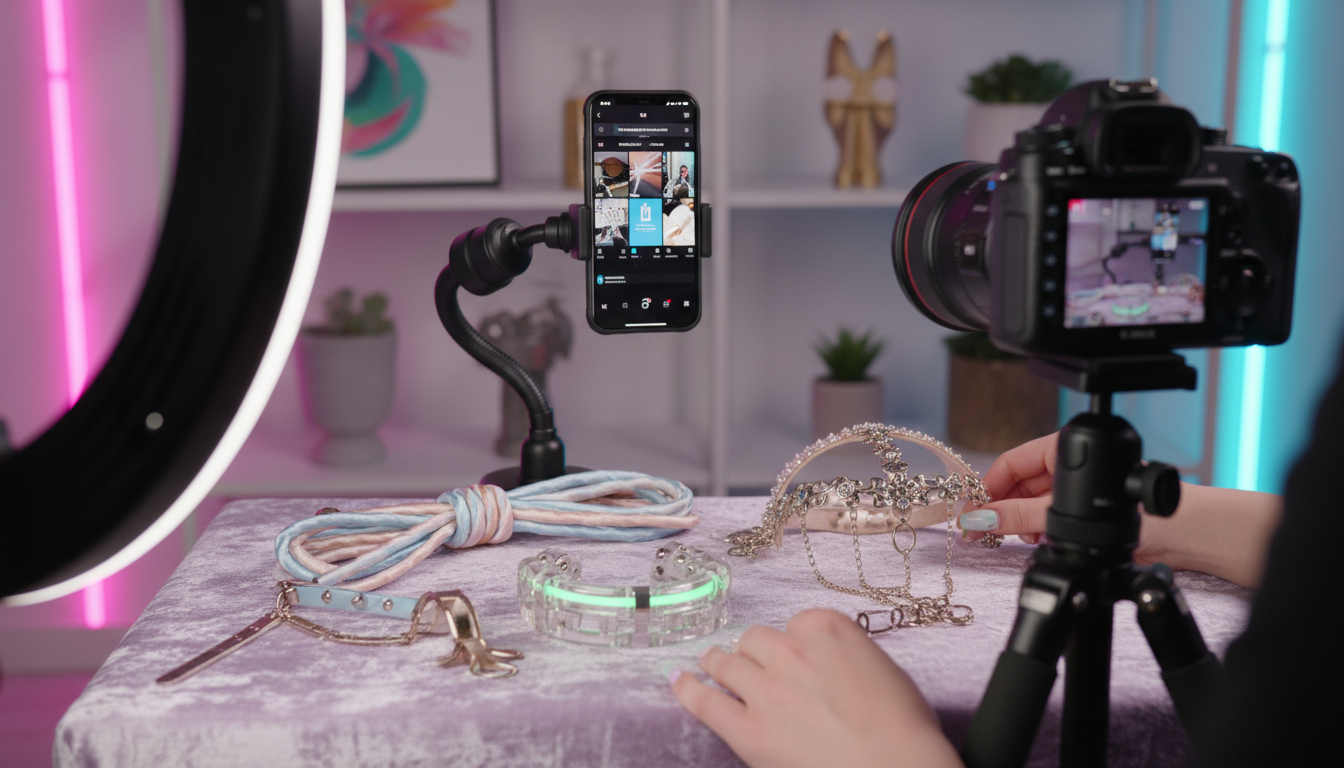
Bondage Topic 7: Exploring Unique Restraints
Bondage Topic 7: Exploring Unique Restraints
Welcome to this comprehensive exploration of unique restraints in bondage modeling and practice. This guide is designed for intermediate to advanced practitioners, photographers, and models who want to expand their repertoire beyond traditional rope and metal restraints. We'll examine unconventional materials, creative applications, and innovative bondage techniques that can elevate your artistic expression while maintaining safety and consent as top priorities. Whether you're a model seeking to diversify your portfolio or a rigger looking for unique bondage ideas, this resource will provide practical knowledge and inspiration.
Prerequisites for Working with Unique Restraints
Before experimenting with unconventional restraint materials, ensure you have:
- Solid foundation in basic bondage safety protocols and consent negotiations
- Experience with traditional restraints (rope, cuffs, tape)
- Understanding of circulation monitoring and nerve safety
- Emergency safety shears or cutting tools readily accessible
- Clear communication system established with your partner
- Knowledge of aftercare practices for extended sessions
Understanding Unique Restraint Categories
Unique restraints fall into several distinct categories, each offering different aesthetic and practical advantages. Understanding these categories helps you select appropriate materials for specific scenes, photography concepts, or performance requirements.
Natural and Organic Materials
Natural materials provide earthy, organic aesthetics that work exceptionally well for outdoor photography and fantasy-themed shoots. Leather strips, hemp fiber, silk scarves, and even vine materials can create stunning visual effects. These materials often photograph beautifully but require special consideration for skin sensitivity and material strength.
Industrial and Modern Materials
Plastic wrap (cling film), pallet wrap, zip ties, and vinyl materials represent the industrial category. These materials offer unique visual appeal and specific functional advantages, such as immobilization or sensory deprivation effects. They're particularly popular in contemporary art photography and alternative fashion shoots.
Textile and Fashion-Based Restraints
Stockings, tights, bandages, fabric strips, and clothing items repurposed as restraints blend fashion with function. This category is excellent for models building portfolios that showcase creativity and resourcefulness. The aesthetic appeal is often softer and more accessible while still demonstrating bondage techniques.
Comparison of Unique Restraint Materials
| Material Type | Aesthetic Appeal | Safety Level | Skill Required | Removal Speed | Best Use Case |
|---|---|---|---|---|---|
| Silk Scarves | Elegant, Luxurious | High | Beginner-Intermediate | Fast | Fashion shoots, sensual scenes |
| Plastic Wrap | Modern, Clinical | Medium | Intermediate | Medium | Mummification, artistic photography |
| Leather Strips | Classic, Edgy | High | Intermediate-Advanced | Medium | BDSM fashion, traditional scenes |
| Zip Ties | Industrial, Stark | Low-Medium | Beginner | Slow (requires cutting) | Temporary restraint, industrial themes |
| Fabric Bandages | Medical, Clean | High | Beginner | Fast | Medical fetish, softer aesthetics |
| Stockings/Tights | Playful, Accessible | Medium-High | Beginner-Intermediate | Fast | Improvisation, lingerie integration |
Step-by-Step Guide to Implementing Unique Restraints
-
Research and Material Selection: Identify materials that align with your creative vision and safety requirements. Test small samples on skin to check for allergic reactions or irritation before full application.
-
Conduct Safety Assessment: Evaluate the material's breaking strength, elasticity, and potential hazards. Consider how quickly you can remove the restraint in an emergency situation.
-
Negotiate Scene Parameters: Discuss with your partner the specific restraints you'll use, expected duration, and safety signals. Establish clear communication protocols for the session.
-
Prepare Emergency Tools: Position safety shears, EMT scissors, or appropriate cutting tools within immediate reach. Different materials require different removal methods.
-
Apply Restraints Gradually: Start with loose application and gradually adjust tension. Monitor circulation, skin color, and temperature throughout the process.
-
Perform Regular Safety Checks: Every 5-10 minutes, check for numbness, tingling, color changes, or temperature variations in restrained areas. Adjust or remove restraints immediately if issues arise.
-
Document the Session: If photographing, work efficiently to minimize restraint time while capturing desired images. Prioritize model comfort over perfect shots.
-
Execute Safe Removal: Remove restraints carefully, monitoring for circulation recovery. Some materials like plastic wrap may cause sweating and require cleaning.
-
Provide Comprehensive Aftercare: Offer water, blankets, and emotional support. Massage areas that were restrained to restore circulation and comfort.
Essential Safety Considerations
When exploring unique bondage ideas, safety must always take precedence over aesthetics. Here are critical safety points:
- Circulation Monitoring: Unique materials may restrict blood flow differently than traditional restraints. Watch for discoloration, numbness, or coldness
- Breathing Considerations: Materials like plastic wrap require extreme caution near the face, neck, and chest to prevent breathing restriction
- Skin Integrity: Test materials on small skin areas first, as some people react to synthetic materials, adhesives, or dyes
- Material Strength: Unlike rated rope or professional equipment, unique materials may have unpredictable breaking points
- Emergency Release: Always have appropriate cutting tools ready—fabric scissors won't cut zip ties, and safety shears work best for most materials
Creative Applications for Unique Restraints
Photography and Visual Arts
Unique restraints offer photographers exceptional opportunities for distinctive portfolio pieces. Transparent materials like plastic wrap create interesting light refraction effects. Colorful fabrics add vibrancy to compositions. Natural materials like leather or hemp provide texture that enhances black-and-white photography.
Performance and Stage Work
For live performances, visible restraints that audiences can clearly see from distance work best. Contrasting colors, reflective materials, or oversized restraints create dramatic stage presence. Consider quick-release mechanisms for performance safety.
Fashion Integration
Bondage-inspired fashion increasingly appears on runways and editorial shoots. Incorporating restraints as fashion accessories—harnesses made from unconventional materials, decorative ties, or structural elements—bridges bondage aesthetics with mainstream fashion.
Key Benefits of Exploring Unique Restraints
- Creative Differentiation: Stand out in crowded modeling portfolios with distinctive imagery
- Cost Efficiency: Many unique materials cost significantly less than professional bondage equipment
- Artistic Expression: Convey specific moods, themes, or narratives through material choice
- Accessibility: Readily available materials make practice and experimentation easier
- Versatility: Different materials suit different body types, flexibility levels, and experience ranges
- Portfolio Diversity: Demonstrate range and creativity to potential clients or collaborators
Common Challenges and Solutions
Challenge: Material Slippage
Unique materials often lack the grip of rope or professional restraints. Solution: Layer materials, use strategic knot placement, or combine with small amounts of rope for anchor points. Medical tape can secure fabric edges without marking skin.
Challenge: Unpredictable Material Behavior
Unfamiliar materials may stretch, tear, or tighten unexpectedly. Solution: Always test materials thoroughly before use on a partner. Apply gradually and monitor constantly. Keep emergency removal tools immediately accessible.
Challenge: Skin Irritation or Allergic Reactions
Synthetic materials, dyes, or adhesives may cause reactions. Solution: Conduct patch tests 24 hours before full application. Use barrier layers like thin fabric or body stockings under irritating materials. Choose hypoallergenic alternatives when possible.
Challenge: Photography Difficulties
Some materials don't photograph as expected—they may be too reflective, too matte, or blend with skin tones. Solution: Test lighting setups with material samples before the full shoot. Adjust camera settings for reflective surfaces. Consider color contrast between restraints and model's skin tone or clothing.
Developing Your Unique Restraint Style
As you gain experience with various materials and bondage techniques, you'll develop preferences and signature approaches. Consider creating a personal "restraint library" where you catalog materials you've tested, noting their properties, best applications, and any challenges encountered. This reference becomes invaluable for planning future sessions or shoots.
Experiment with combining materials—silk with leather, plastic with fabric, natural with synthetic. These combinations often create the most visually interesting and conceptually rich imagery. Document your experiments through photography, even informal shots, to track your artistic evolution.
FAQ: Unique Restraints in Bondage Practice
Q: Are household items safe to use as bondage restraints?
A: Many household items can be used safely with proper precautions, but not all are appropriate. Silk scarves, soft fabric strips, and stockings are generally safe for beginners. Avoid items with rough edges, small chains that could pinch skin, or anything you cannot quickly remove in an emergency. Always prioritize materials you can cut through easily with safety shears. Test the material's strength and any potential for skin irritation before applying to a partner. Never use anything around the neck without extensive experience and extreme caution.
Q: How do I determine if a unique material is strong enough for restraint use?
A: Test the material thoroughly before using it on a person. Pull it forcefully to check breaking strength—it should be stronger than you anticipate needing. Twist and stretch it to see if it weakens or changes properties. Consider that struggling may create forces stronger than calm testing. For safety, assume the material is weaker than it appears and avoid positions where failure could cause injury. When in doubt, use the unique material for aesthetic purposes only and add traditional restraints for actual security.
Q: What's the safest way to use plastic wrap or cling film in bondage?
A: Plastic wrap requires special attention to safety. Never apply it around the face, neck, or in ways that could restrict breathing. Leave plenty of unwrapped skin to allow heat dissipation and prevent overheating. Apply it loosely at first—it tightens as you wrap. Keep sessions short (15-20 minutes maximum for extensive wrapping) and monitor constantly for sweating, discomfort, or breathing changes. Have EMT scissors ready for immediate removal. Always wrap over clothing or have a barrier layer to make removal easier and protect skin. Stay with your partner continuously during plastic wrap bondage—never leave them unattended.
Q: Can I combine unique restraints with traditional bondage equipment?
A: Absolutely—combining materials often produces the best results. Use rope or professional cuffs for structural support and security, then add unique materials for visual interest or additional layering. For example, apply rope bondage first for safety, then wrap with silk scarves or leather strips for aesthetics. This approach gives you the reliability of tested equipment while allowing creative expression. The traditional restraints serve as your safety backup if unique materials fail or need quick removal.
Q: How do I build a portfolio showcasing unique restraint work?
A: Start by identifying your artistic vision and target audience. Research which types of unique restraint imagery align with industries you want to work in—fashion, fine art, or alternative modeling. Create a diverse portfolio showing different materials, techniques, and moods. Include both close-up detail shots and full-body compositions. Collaborate with photographers who understand lighting for various materials. Document your creative process and safety practices, as this professionalism appeals to serious clients. Consider creating themed sets that tell visual stories through your choice of restraints. Quality always outweighs quantity—ten exceptional images showcasing unique bondage ideas will serve you better than fifty mediocre shots.
Conclusion and Next Steps
Exploring unique restraints opens vast creative possibilities in bondage modeling and artistic practice. By understanding material properties, prioritizing safety, and developing your personal style, you can create distinctive work that stands out in portfolios and performances. Remember that experimentation requires patience—test thoroughly, communicate clearly, and always maintain safety as your primary concern.
For your next steps, consider selecting two or three unique materials from different categories discussed in this guide. Practice with each material in low-pressure situations before incorporating them into professional shoots or performances. Document your learning process, build your restraint library, and gradually expand your repertoire as your confidence and skills grow. Continue studying bondage techniques from experienced practitioners, attend workshops when possible, and always prioritize ongoing education in safety practices. Your creative journey with unique restraints is just beginning—approach it with curiosity, respect, and commitment to excellence.