
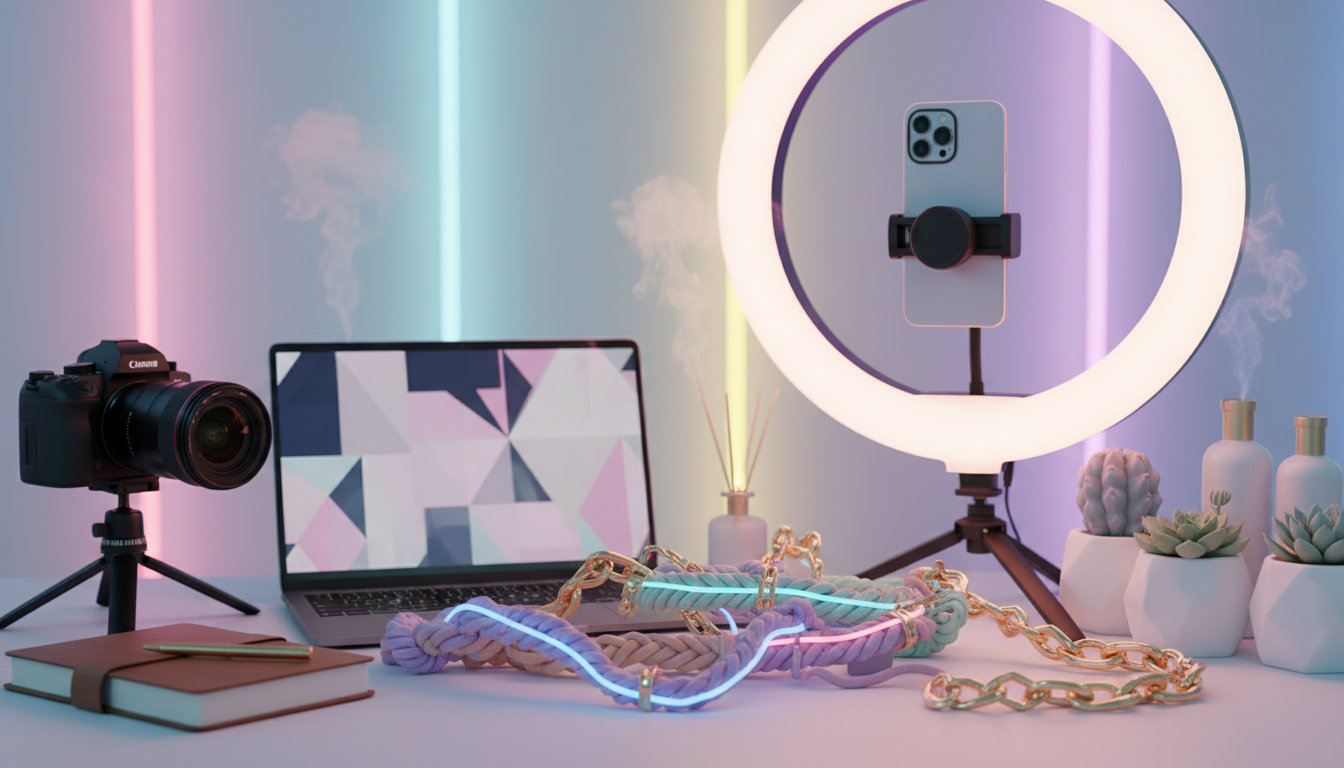
Bondage Topic 17: Exploring Unique Restraints
Bondage Topic 17: Exploring Unique Restraints
Welcome to this comprehensive guide on exploring unique restraints in bondage modeling and practice. Whether you're a professional bondage model, photographer, rigger, or an experienced practitioner looking to expand your repertoire, this guide will introduce you to innovative and creative restraint options beyond traditional rope and handcuffs. We'll explore unconventional materials, artistic applications, safety considerations, and how to incorporate these unique bondage ideas into photoshoots, performances, and private sessions. This resource emphasizes safety, consent, and the artistic expression that makes bondage modeling a respected craft.
Prerequisites and Safety Foundation
Before exploring unique restraints, ensure you have:
- Solid foundation in basic bondage techniques and safety protocols
- Clear communication skills for negotiating scenes and obtaining enthusiastic consent
- Safety equipment readily available including EMT scissors, safety shears, or bolt cutters depending on restraint type
- Knowledge of anatomy to avoid nerve damage, circulation issues, and pressure points
- Established safe words or signals that all participants understand and respect
- First aid training and awareness of medical emergencies related to restriction
Understanding Unique Restraints in Bondage Art
Unique restraints encompass any binding material or method that falls outside conventional rope, leather cuffs, or metal restraints. These alternative bondage techniques can create stunning visual aesthetics, offer different sensory experiences, and provide creative solutions for photoshoots and performances. From natural materials to industrial supplies repurposed for artistic expression, unique restraints expand the vocabulary of bondage modeling while presenting distinct safety considerations.
Categories of Unique Restraints
Natural and Organic Materials
Natural materials offer biodegradable, visually striking options that photograph beautifully:
- Silk scarves and ribbons: Gentle on skin with elegant draping properties
- Cotton strips and muslin: Breathable fabrics ideal for extended sessions
- Bamboo poles and branches: Create structural elements for suspension or positioning
- Vines and natural fiber cordage: Earthy aesthetic perfect for outdoor or nature-themed shoots
- Leather straps from repurposed belts: Vintage aesthetic with adjustable functionality
Industrial and Hardware Solutions
Caution: These materials require extra vigilance regarding safety and should only be used by experienced practitioners.
- PVC pipe and connectors: Create custom frames and spreader bars
- Chain (various gauges): Offers weight, sound, and industrial aesthetic
- Cable ties (zip ties): Quick application but require immediate cutting tools available
- Carabiners and climbing hardware: Secure connection points when properly rated
- Velcro straps: Quick-release option for beginners or time-sensitive situations
Specialty Bondage Materials
These purpose-designed materials offer unique properties:
- Medical bandages and vet wrap: Self-adhesive, no knots required, easy removal
- Plastic wrap/cling film: Creates mummification effects, requires breathing holes
- Latex strips: Stretchy, creates second-skin appearance
- Magnetic restraints: Innovative quick-release mechanisms
- Wooden stocks and pillories: Historical aesthetic with theatrical impact
Comparison of Unique Restraints
| Restraint Type | Skill Level Required | Safety Concerns | Best Used For | Removal Speed | Reusability |
|---|---|---|---|---|---|
| Silk Scarves | Beginner | Low (slippage possible) | Light bondage, photography | Very Fast | High |
| Cable Ties | Intermediate | High (nerve damage risk) | Short-term scenes | Fast (with cutters) | Single-use |
| Medical Wrap | Beginner-Intermediate | Medium (circulation) | Artistic covering, mummification | Fast | Single-use |
| PVC Constructions | Intermediate-Advanced | Medium (rigidity, impact) | Structural positioning | Varies | High |
| Chain | Intermediate-Advanced | Medium (weight, pinching) | Industrial aesthetic | Medium | High |
| Plastic Wrap | Advanced | Very High (breathing, heat) | Full-body restriction | Slow | Single-use |
| Leather Straps | Beginner-Intermediate | Low-Medium | Traditional aesthetic | Fast (buckles) | High |
| Bamboo | Intermediate | Medium (splinters, rigidity) | Asian-inspired themes | Medium | High |
Step-by-Step Guide to Implementing Unique Restraints Safely
-
Research and selection: Study the specific properties, risks, and aesthetic qualities of your chosen restraint material before purchasing or using it.
-
Test on yourself first: Experience how the material feels, how quickly it can be removed, and any discomfort it might cause during a brief self-application test.
-
Conduct a negotiation session: Discuss boundaries, expectations, medical conditions, and establish safe words with your model or partner before any scene.
-
Prepare safety equipment: Position cutting tools, keys, or release mechanisms within arm's reach before beginning any restraint application.
-
Start with loose application: Apply restraints with extra space initially, checking for comfort, circulation, and nerve sensation before tightening.
-
Perform circulation checks: Every 5-10 minutes, check extremities for color changes, temperature, numbness, or tingling that indicates circulation issues.
-
Monitor verbal and non-verbal cues: Watch for signs of distress, discomfort, or changes in breathing patterns throughout the session.
-
Document your technique: For photography or educational purposes, photograph the restraint application process to refine technique and showcase safety measures.
-
Execute safe removal: Remove restraints slowly and methodically, checking for skin damage, marks, or signs of nerve compression.
-
Provide aftercare: Massage affected areas gently, provide hydration, and check for any delayed reactions or discomfort after restraints are removed.
Creative Applications in Bondage Modeling
Unique restraints open possibilities for themed photoshoots and performances:
- Period-specific historical recreations using era-appropriate materials
- Fantasy and science fiction themes with futuristic or magical restraint concepts
- Nature and organic aesthetics incorporating plants, flowers, and earth elements
- Industrial and steampunk photography featuring chains, gears, and metal components
- Artistic installations where the restraint itself becomes sculptural art
Common Challenges and Solutions
Challenge: Material Slippage
Problem: Smooth materials like silk or satin don't hold knots securely.
Solution: Use friction knots designed for slippery materials, add grippy underlayers, or incorporate locking mechanisms rather than relying solely on knots.
Challenge: Difficulty with Quick Release
Problem: Some unique materials don't release as quickly as traditional restraints in emergency situations.
Solution: Always have appropriate cutting tools immediately accessible. For materials like cable ties or plastic wrap, keep EMT shears with blunt tips to safely cut without risking skin. Practice emergency release procedures before each session.
Challenge: Unexpected Skin Reactions
Problem: Novel materials may cause allergic reactions, chafing, or skin irritation.
Solution: Conduct patch tests 24-48 hours before full application. Use barrier layers like cotton fabric between skin and potentially irritating materials. Keep antihistamines and first aid supplies available.
Challenge: Photographic Challenges
Problem: Some unique materials don't photograph well or create unwanted reflections, shadows, or unflattering lines.
Solution: Test lighting setups before the actual shoot. Matte materials photograph more predictably than shiny ones. Consider the color palette and how materials will appear in final images.
Essential Safety Reminders
When working with any bondage techniques, especially unique restraints:
- Never leave a restrained person unattended under any circumstances
- Avoid restraints around the neck or that restrict breathing
- Check circulation regularly (color, temperature, sensation, movement)
- Recognize signs of nerve damage (tingling, numbness, weakness)
- Have multiple cutting tools appropriate for your materials
- Establish and respect boundaries and safe words
- Keep mobile phones accessible for emergency calls
- Be aware of medical conditions that contraindicate restraint (circulation issues, joint problems, nerve conditions)
Professional Considerations for Bondage Models
For models working with unique restraints professionally:
- Communicate comfort levels clearly with photographers and riggers
- Request material safety information before agreeing to work with unfamiliar restraints
- Negotiate additional compensation for restraints requiring longer sessions or higher risk
- Document all shoots with release forms specifying materials used
- Build your portfolio strategically showcasing diverse restraint styles to attract varied clients
- Network with experienced riggers who can introduce you to new materials safely
Frequently Asked Questions
Q: Are cable ties safe to use for bondage restraints?
A: Cable ties (zip ties) can be used but carry significant risks. They tighten easily but don't loosen, creating potential for nerve damage and circulation problems. If used, they should only be applied for very short durations (under 10 minutes), never tightened fully against skin, and cutting tools must be immediately available. Many practitioners consider them unsafe due to their inability to be quickly adjusted if problems arise. Beginners should avoid cable ties entirely and use adjustable restraints instead.
Q: What's the best unique restraint material for beginners to try?
A: Silk scarves and soft cotton strips are excellent starting points for exploring unique bondage ideas. They're gentle on skin, easy to untie quickly, widely available, and photograph beautifully. Medical self-adhesive wrap (vet wrap) is another beginner-friendly option because it doesn't require knot-tying skills, won't tighten dangerously, and can be quickly removed by unwrapping or cutting. These materials allow newcomers to experiment with different aesthetics while maintaining high safety margins.
Q: How do I prevent marks when using unique restraints for modeling?
A: To minimize marks during bondage modeling sessions, use wider restraints that distribute pressure across more surface area rather than thin materials that create concentrated pressure points. Apply padding underneath restraints at pressure points, avoid over-tightening, and limit session duration. Some marking is natural and temporary, but models can reduce visibility by staying well-hydrated, using arnica gel after sessions, and scheduling shoots with recovery time between restraint-intensive work. Communicate your marking tolerance with photographers and riggers beforehand.
Q: Can I create my own unique restraint designs from hardware store materials?
A: Yes, many practitioners create custom restraints from hardware materials like PVC pipe, rope, chain, and connectors. However, ensure you understand material properties, load ratings, and safety implications. Test thoroughly before using on another person. Smooth all sharp edges, verify weight limits exceed expected loads with significant safety margins, and ensure quick-release mechanisms work reliably. Document your designs and testing process. Consider consulting experienced riggers or joining bondage education communities for feedback on custom designs before implementing them in actual scenes.
Q: What unique restraints work best for suspension bondage?
A: Suspension bondage with unique restraints requires advanced expertise and should only be attempted by experienced practitioners. Climbing-rated hardware (carabiners, quick links), properly rated chain, and custom-designed harnesses using industrial webbing can be incorporated into suspension. Never suspend using materials not specifically rated for human body weight with appropriate safety factors. Silk, plastic wrap, cable ties, and similar materials are absolutely inappropriate for suspension work. Always use redundant attachment points and have experienced spotters present. Suspension bondage carries serious injury risks and requires specialized training.
Conclusion and Next Steps
Exploring unique restraints opens creative possibilities in bondage modeling while requiring enhanced attention to safety protocols and material properties. By understanding the characteristics of different materials, practicing proper application techniques, and maintaining rigorous safety standards, you can expand your artistic repertoire responsibly.
Recommended next steps:
- Research specific materials that interest you and their safety considerations
- Connect with experienced riggers or bondage educators for hands-on learning
- Start with beginner-friendly materials like silk scarves or medical wrap
- Practice application and removal techniques on yourself or willing partners
- Document your learning process and build a resource library
- Consider formal training courses in bondage safety and technique
- Join reputable bondage communities for ongoing education and support
Remember that the foundation of all bondage practices, regardless of materials used, remains enthusiastic consent, clear communication, and unwavering commitment to safety. Unique restraints should enhance artistic expression and connection, never compromise the wellbeing of participants.