
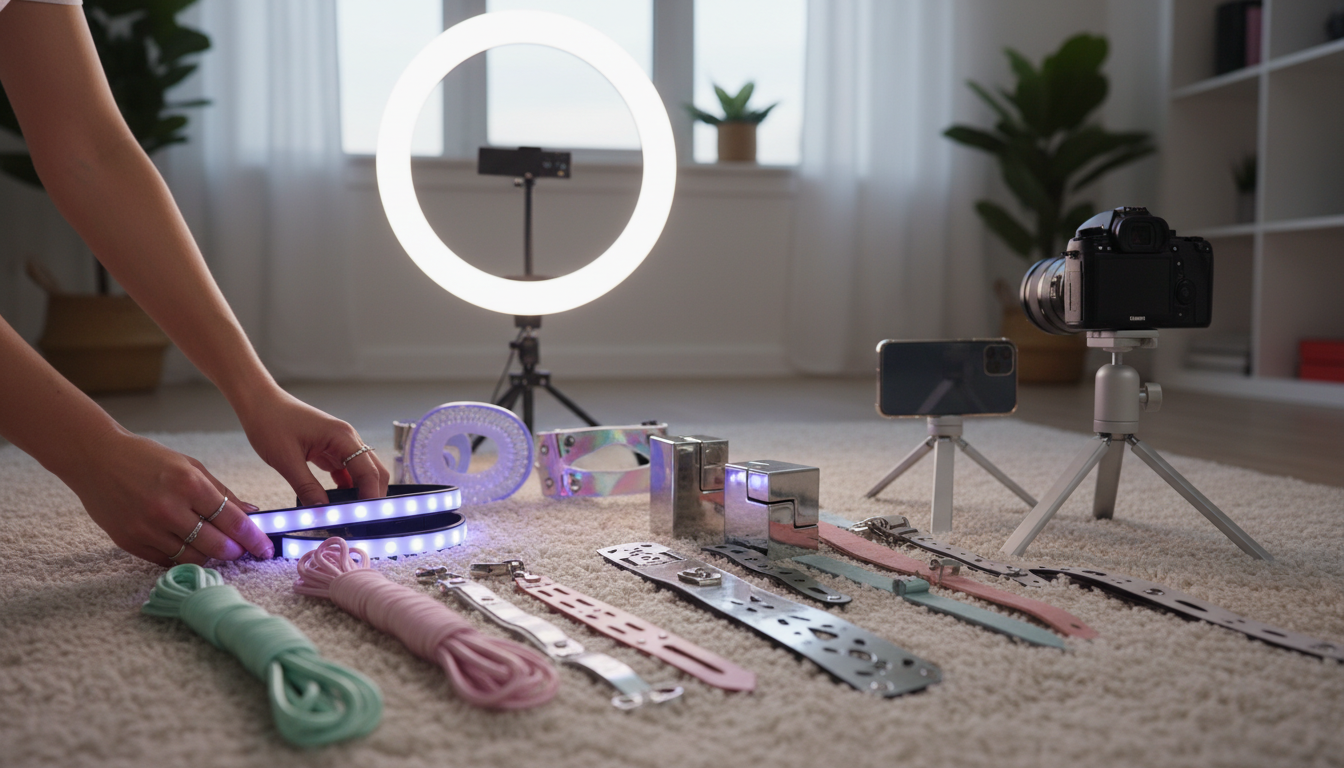
Bondage Topic 16: Exploring Unique Restraints
Bondage Topic 16: Exploring Unique Restraints
Unique restraints represent the creative evolution of bondage techniques, moving beyond traditional rope and handcuffs to incorporate innovative materials, designs, and concepts. This comprehensive guide explores unconventional bondage restraints for models, photographers, and practitioners seeking to expand their artistic repertoire while maintaining the highest standards of safety and consent. Whether you're an experienced bondage model looking to diversify your portfolio or a beginner curious about alternative restraint options, understanding these unique bondage ideas will enhance your creative possibilities and technical knowledge.
Prerequisites for Working with Unique Restraints
Before experimenting with unique bondage restraints, ensure you have:
- Fundamental Knowledge: Understanding of basic bondage techniques and safety principles
- Communication Skills: Established protocols for discussing boundaries and using safe words
- Emergency Preparedness: Quick-release mechanisms and safety shears readily available
- Research Commitment: Willingness to study specific materials and their properties
- Practice Partners: Trusted individuals for testing new restraint methods safely
Categories of Unique Restraints: A Comprehensive Comparison
The world of unique bondage restraints extends far beyond conventional equipment. Here's a detailed comparison of various categories:
| Restraint Category | Materials | Skill Level Required | Safety Considerations | Best Applications |
|---|---|---|---|---|
| Natural Materials | Vines, bamboo, leather strips | Intermediate | Test for allergies, inspect for sharp edges | Outdoor shoots, organic aesthetic |
| Medical Equipment | Medical tape, bandages, casts | Advanced | Circulation monitoring essential | Clinical scenarios, predicament bondage |
| Textile Innovations | Stretch fabrics, shibari tape, bondage bags | Beginner-Intermediate | Less compression risk | Quick sessions, travel-friendly setups |
| Industrial Adaptations | Shrink wrap, cargo straps, vacuum beds | Advanced | Breathing concerns, heat regulation | Mummification, sensory deprivation |
| Custom Metalwork | Specialty cuffs, spreader bars, stocks | Intermediate | Weight distribution, pinch points | Long-term wear, dungeon furniture |
Five Essential Steps for Introducing Unique Restraints
When incorporating unique bondage ideas into your practice, follow this systematic approach:
-
Research and Education: Study the specific restraint type thoroughly, including manufacturer instructions, community tutorials, and safety documentation. Join reputable bondage communities to learn from experienced practitioners.
-
Material Testing: Before applying any unique restraint to a person, test it on yourself or an inanimate object. Assess how much pressure it can withstand, how quickly it can be removed, and whether it causes skin irritation.
-
Gradual Introduction: Start with brief sessions (5-10 minutes) to gauge physical and psychological responses. Gradually increase duration as comfort and confidence grow with the specific restraint type.
-
Documentation and Monitoring: Keep detailed notes about each session, including restraint duration, comfort levels, and any issues encountered. Photograph or video document positioning for future reference and safety analysis.
-
Emergency Protocol Development: Establish and practice specific release procedures for each unique restraint. Ensure all participants know the emergency signals and can execute rapid release under pressure.
Innovative Materials and Their Applications
Natural and Organic Restraints
Natural materials offer aesthetic appeal and environmental consciousness to bondage photography and practice. Leather strips, hemp rope alternatives, silk scarves, and even carefully prepared vines create organic visual narratives. These materials work exceptionally well for outdoor bondage photography where the restraints complement natural settings.
Key considerations for natural materials:
- Always inspect for sharp edges, splinters, or thorns before application
- Test for allergic reactions to plant materials or animal products
- Consider weather conditions as moisture affects material properties
- Clean and dry natural materials properly to prevent mold or degradation
- Replace organic materials regularly as they deteriorate faster than synthetic options
Medical and Clinical Equipment
Medical bondage techniques incorporate specialized equipment designed for patient immobilization, repurposed for consensual restraint scenarios. Medical tape, ace bandages, arm slings, and orthopedic braces provide unique aesthetic and psychological elements.
These restraints excel in clinical roleplay scenarios and offer graduated compression control. However, they require heightened awareness of circulation and nerve compression risks.
Textile Innovations and Modern Materials
Contemporary bondage benefits from material science advances. Shibari tape (a self-adhesive, reusable bondage tape), stretch fabrics with strategic give, and specialized bondage bags represent modern approaches to restraint.
These materials offer significant advantages:
- Quick Application: Faster than traditional rope work for time-limited sessions
- Travel Convenience: Lightweight and compact for location shoots
- Reduced Skill Barrier: More forgiving for beginners learning bondage techniques
- Versatility: Adaptable to various body types and positions
- Noise Reduction: Important for video production and discreet practice
Common Challenges and Solutions
Challenge 1: Material Failure or Breakage
Problem: Unique materials may not have established load ratings or predictable breaking points.
Solution: Always use redundant restraints for critical positions. Test breaking strength before applying to a person. Keep backup restraints and emergency release tools within arm's reach.
Challenge 2: Unexpected Allergic Reactions
Problem: Novel materials may trigger skin sensitivities or allergic responses.
Solution: Conduct patch tests 24-48 hours before full application. Maintain detailed records of materials used. Have antihistamines and emergency contact information readily available.
Challenge 3: Difficult Emergency Release
Problem: Some unique restraints lack intuitive release mechanisms.
Solution: Practice emergency releases repeatedly until they become automatic. Mark release points with colored tape. Never engage in solo bondage with unfamiliar restraints.
Challenge 4: Inadequate Circulation Monitoring
Problem: Non-traditional materials may restrict circulation in unexpected ways.
Solution: Check extremity color, temperature, and sensation every 5-10 minutes. Learn to recognize early warning signs of nerve compression. Establish clear communication protocols for numbness or tingling reports.
Advanced Concepts: Combining Unique Restraints
Experienced practitioners often combine multiple restraint types to create complex, layered bondage scenes. For example, starting with a textile base layer, adding rope decorative elements, and finishing with metal hardware creates visual depth and psychological complexity.
When combining restraints:
- Consider how materials interact (metal against skin vs. metal over fabric)
- Account for cumulative compression effects
- Plan removal order in advance for emergency situations
- Balance aesthetic goals with practical safety requirements
Documentation and Portfolio Development
For bondage models building professional portfolios, unique restraints offer distinctive visual signatures. Different restraint materials photograph with varying textures, light reflections, and symbolic meanings.
Consider these portfolio strategies:
- Develop specialty series featuring specific restraint categories
- Collaborate with photographers experienced in material textures
- Document the artistic process and restraint construction
- Create contrast portfolios showing traditional versus unique approaches
Frequently Asked Questions
Q1: Are unique restraints safer than traditional rope bondage?
A: Safety depends entirely on proper application, not material choice. Some unique restraints offer advantages like quicker release mechanisms or reduced rope burn risk, but they introduce different challenges such as unpredictable material properties or less-established safety protocols. Always prioritize education, communication, and gradual introduction regardless of restraint type. Never assume any restraint is inherently "safer" without understanding its specific risks.
Q2: Where can I purchase or source unique bondage restraints safely?
A: Reputable bondage equipment retailers, specialized online stores with verified reviews, and community recommendations provide the safest sources. For natural materials, ensure proper preparation and treatment. Avoid improvising with hardware store items unless you thoroughly understand material properties and failure points. Many communities offer workshops on creating custom restraints safely. Medical equipment should be purchased from legitimate medical suppliers, not expired or compromised stock.
Q3: How do I know if a unique restraint is working correctly during a session?
A: Effective restraints achieve their intended restriction without causing pain, numbness, tingling, color changes, or temperature differences in restrained areas. Establish check-in intervals (every 5-10 minutes for new restraints) to assess physical and emotional comfort. The restrained person should maintain clear communication ability and demonstrate no signs of distress beyond agreed-upon consensual discomfort. If any concerning symptoms appear, release immediately and assess for injury.
Q4: Can unique restraints be used for suspension bondage?
A: Most unique restraints are NOT suitable for suspension without extensive testing and engineering verification. Suspension bondage requires load-rated equipment with known weight capacities and failure characteristics. Some specialty metal restraints designed explicitly for suspension may be appropriate, but textile innovations, natural materials, and medical equipment typically lack the structural integrity for safe suspension. Never suspend anyone using untested or unrated restraints.
Q5: How should I clean and maintain unique bondage restraints?
A: Maintenance varies dramatically by material. Leather requires conditioning treatments and careful moisture management. Metal needs rust prevention and regular inspection for stress cracks. Textiles can often be machine washed but check manufacturer guidance. Natural materials have the shortest lifespan and should be replaced frequently. Medical equipment follows sterilization protocols appropriate to body contact level. Always clean restraints between partners and inspect before each use for wear, damage, or degradation.
Conclusion and Next Steps
Exploring unique restraints opens creative possibilities while demanding heightened attention to safety protocols and material knowledge. As you expand beyond traditional bondage techniques, maintain commitment to informed consent, thorough research, and conservative risk assessment. Start with less restrictive unique bondage ideas, gradually building expertise before attempting complex or high-risk applications.
Recommended next steps:
Join reputable bondage education communities to learn from experienced practitioners. Attend workshops focused on specific restraint types that interest you. Build a diverse equipment collection gradually, prioritizing quality over quantity. Document your learning journey to track progress and safety insights. Consider mentorship from established bondage artists who specialize in innovative restraint techniques. Most importantly, never stop prioritizing communication, consent, and safety as you explore the artistic possibilities of unique bondage restraints.