
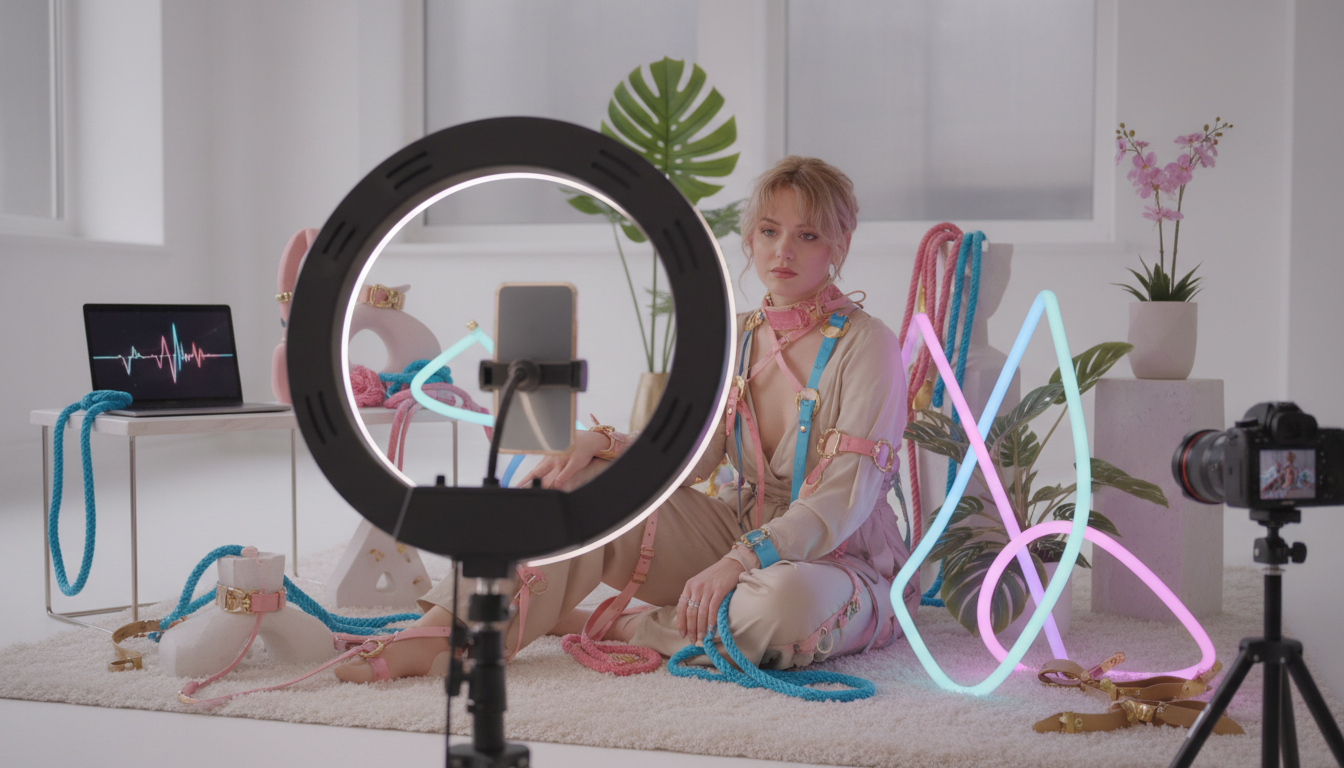
Bondage Topic 15: Exploring Unique Restraints
Bondage Topic 15: Exploring Unique Restraints
Unique restraints in bondage modeling represent the creative intersection of traditional bondage techniques and innovative approaches to restraint design. This comprehensive guide explores unconventional restraint methods, materials, and applications that extend beyond standard rope, cuffs, and chains. Whether you're a professional bondage model expanding your portfolio, a photographer seeking fresh visual concepts, or a practitioner interested in diversifying your skillset, understanding unique restraints opens new creative possibilities while maintaining safety and consent as foundational principles.
Prerequisites for Working with Unique Restraints
Before exploring unique bondage ideas, ensure you have:
- Fundamental knowledge of basic bondage techniques and safety protocols
- Understanding of consent negotiation and safe words/signals
- Familiarity with circulation checks and nerve safety considerations
- Emergency release tools appropriate for each restraint type
- Clear communication with all participants about boundaries and expectations
- Research into material properties including strength, flexibility, and skin safety
Understanding Unique Restraint Categories
Unique restraints encompass a wide range of materials and methods that challenge conventional bondage approaches. These alternatives offer distinct aesthetic qualities, physical sensations, and practical applications for both artistic photography and performance work.
Material-Based Innovation
The choice of material fundamentally transforms the bondage experience and visual presentation. Unconventional materials provide unique textures, colors, and structural properties that standard restraints cannot achieve.
Textile and Fabric Restraints:
- Medical bandage wraps that conform to body contours
- Silk scarves offering elegant visual appeal
- Leather strapping systems with custom configurations
- Neoprene bands providing stretch and comfort
- Latex sheets creating sleek, modern aesthetics
Comparison of Unique Restraint Materials
| Material Type | Aesthetic Quality | Safety Level | Release Speed | Best Applications | Skill Level Required |
|---|---|---|---|---|---|
| Medical Bandage | Clinical, artistic | High | Fast | Photography, temporary restraint | Beginner |
| Plastic Wrap | Modern, sleek | Medium | Medium | Body wrapping, mummification | Intermediate |
| Chain Mail | Medieval, dramatic | High | Medium | Fashion shoots, theatrical | Intermediate |
| Bamboo/Wood | Natural, traditional | Medium | Medium | Shibari fusion, artistic | Advanced |
| Magnetic Cuffs | High-tech, minimal | High | Very Fast | Quick-release needs, beginners | Beginner |
| PVC Tape | Industrial, colorful | High | Fast | Custom positioning, layering | Beginner-Intermediate |
Implementing Unconventional Bondage Techniques
Successfully incorporating unique restraints requires methodical preparation and execution. Follow these steps to safely explore new restraint methods:
- Research the specific material properties including tensile strength, potential allergic reactions, and degradation factors
- Test on yourself first (if possible) to understand sensation and restriction level
- Start with short duration sessions (5-10 minutes) before extending time
- Prepare multiple release methods specific to the material being used
- Document the setup process with photos or notes for future reference
- Perform circulation checks every 3-5 minutes during initial experiments
- Gather feedback from the restrained person about comfort and sensation
- Gradually increase complexity only after mastering basic applications
Advanced Unique Restraint Applications
Plastic Wrap and Mummification
Plastic wrap offers a modern approach to full-body restraint with visual clarity and accessibility. This technique creates a cocoon effect while allowing the restrained person's form to remain visible, making it popular for photography and artistic expression.
Key safety considerations:
- Never cover the face without proper breathing apparatus
- Maintain body temperature awareness (wrapping generates heat)
- Keep EMT scissors immediately accessible
- Monitor for signs of overheating or distress
- Limit initial sessions to 10-15 minutes
Magnetic and Electronic Restraints
Magnetic restraint systems represent cutting-edge bondage technology, utilizing powerful magnets to create secure holds that release instantly when the magnetic field is interrupted. These systems offer unparalleled safety through instantaneous release mechanisms.
Natural and Organic Materials
Bamboo, vines, and other natural materials connect bondage techniques to traditional art forms while providing unique visual textures. These materials require special consideration regarding cleanliness, structural integrity, and environmental factors.
Common Challenges and Solutions
Challenge 1: Material Unpredictability Solution: Always test new materials under controlled conditions with experienced partners present. Keep detailed notes about material behavior, including how it responds to body heat, moisture, and tension.
Challenge 2: Difficult Emergency Release Solution: Never use a unique restraint without testing your release method multiple times beforehand. For each session, have cutting tools specifically matched to the material (trauma shears for fabric, bolt cutters for chains, etc.).
Challenge 3: Skin Irritation or Allergic Reactions Solution: Conduct patch tests 24-48 hours before full restraint application. Use barrier layers like thin clothing or medical-grade fabric between skin and potentially irritating materials.
Challenge 4: Inconsistent Aesthetic Results Solution: Create templates or guides for repeatable positioning. Photograph successful configurations from multiple angles for reference in future sessions.
Safety Protocols for Unique Restraints
Regardless of the specific bondage techniques employed, maintaining rigorous safety standards protects all participants and ensures positive experiences.
Essential Safety Equipment
- Multiple cutting tools appropriate for each material type
- First aid kit with supplies for minor abrasions
- Communication devices fully charged and accessible
- Water and snacks for longer sessions
- Blankets to manage body temperature
- Camera or phone to document restraint patterns for safety reference
Circulation and Nerve Safety
Unique materials may compress tissues differently than traditional restraints. Check for these warning signs every 3-5 minutes:
- Color changes in extremities (pale, blue, or purple)
- Numbness, tingling, or "pins and needles" sensations
- Cold skin temperature in restrained areas
- Reduced ability to move fingers or toes
- Pain beyond agreed-upon sensation levels
Creative Applications in Professional Modeling
Professional bondage models incorporate unique restraints to differentiate their portfolios and attract diverse clientele. These applications demonstrate versatility and artistic range.
Portfolio Enhancement Strategies:
- Combine multiple restraint types in single compositions
- Create themed series exploring specific materials (metallic, organic, synthetic)
- Collaborate with designers to create custom restraint pieces
- Document the artistic process for behind-the-scenes content
- Experiment with lighting to emphasize material textures
Frequently Asked Questions
Q: How do I know if a unique material is safe for bondage use?
A: Research the material's properties thoroughly, including chemical composition, tensile strength, and potential skin reactions. Test on small areas first, ensure it won't constrict unpredictably, and verify you can release it quickly in emergencies. Consult with experienced practitioners who have used the material, and never use anything that degrades, splinters, or contains toxic substances. When in doubt, consult safety resources from established bondage education organizations.
Q: What makes a restraint "unique" versus traditional?
A: Unique restraints typically involve unconventional materials (plastic wrap, magnetic systems, food-grade items), innovative applications of common materials (medical supplies, fashion accessories), or cultural fusion techniques blending different bondage traditions. The defining characteristic is creative departure from rope, leather cuffs, and chain restraints while maintaining safety and effectiveness.
Q: Can unique restraints be as secure as traditional methods?
A: Security depends on proper application rather than material type. Some unique restraints like metal caging or specialized magnetic systems can be extremely secure, while others prioritize aesthetics over restriction. Always match the restraint security level to the intended purpose, whether for photography (where visual appeal matters most) or more restrictive applications requiring genuine holding power.
Q: How should I practice with unique restraints before professional use?
A: Begin with self-restraint experiments on single limbs to understand the material's behavior and sensation. Progress to working with trusted partners in private settings with extended time for experimentation. Document everything photographically and in written notes. Only incorporate unique restraints into professional work after achieving consistent, safe results in practice sessions. Consider workshops or mentorship from experienced practitioners specializing in innovative bondage techniques.
Q: What unique restraints work best for beginners?
A: Start with materials offering quick release and high visibility: medical bandages, PVC tape, magnetic cuffs, and wide silk scarves. These provide clear visual feedback about tightness, release easily in emergencies, and allow beginners to focus on safety fundamentals before advancing to complex materials like chains, plastic wrap, or rigid restraints requiring specialized tools for removal.
Conclusion and Next Steps
Exploring unique restraints expands creative possibilities in bondage modeling while challenging practitioners to maintain rigorous safety standards with unfamiliar materials. The key to successful innovation lies in thorough preparation, conservative initial approaches, and systematic skill development.
Recommended progression:
Begin by mastering one unique restraint type completely before adding others to your repertoire. Document your learning process to build a personal reference library. Connect with online communities focused on creative bondage to share experiences and learn from others' innovations. Consider attending workshops specializing in alternative restraint methods to gain hands-on instruction and immediate feedback.
As you develop confidence with unique bondage ideas, gradually increase complexity by combining materials, extending duration, and refining aesthetic presentation. Always prioritize consent, communication, and safety over visual impact or novelty. The most successful practitioners balance creative exploration with unwavering commitment to ethical practices and participant wellbeing.