
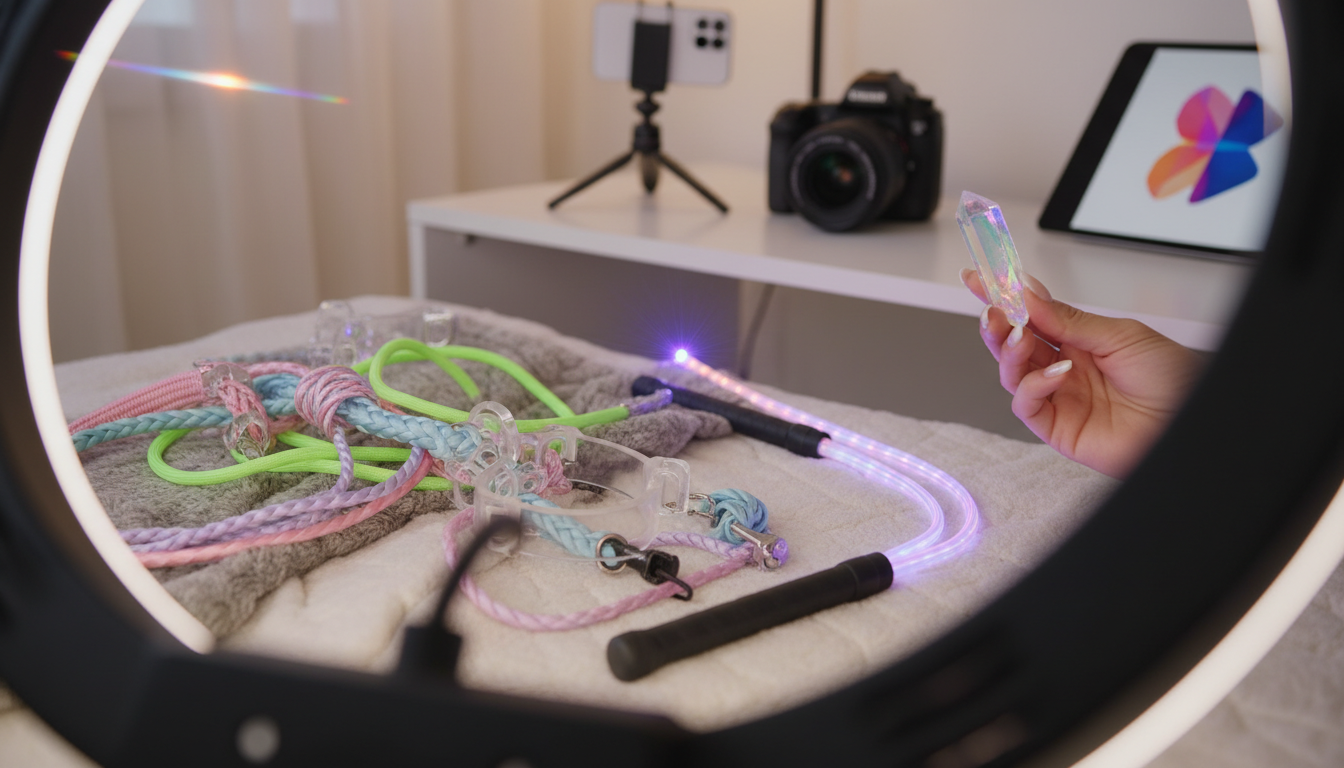
Bondage Topic 14: Exploring Unique Restraints
Bondage Topic 14: Exploring Unique Restraints
Welcome to this comprehensive guide on exploring unique restraints in bondage modeling and practice. This guide is designed for intermediate to advanced practitioners who want to expand beyond traditional rope and leather restraints, as well as creative professionals seeking innovative approaches for photo shoots, performances, and artistic expression. Whether you're a bondage model looking to diversify your portfolio or an experienced rigger seeking fresh inspiration, this exploration of unconventional restraint materials and methods will provide practical knowledge, safety considerations, and creative techniques to elevate your bondage work.
Prerequisites
Before experimenting with unique restraints, you should have:
- Basic understanding of bondage safety principles and consent negotiation
- Experience with traditional restraint methods (rope, cuffs, or tape)
- Knowledge of circulation checks and emergency release procedures
- A trusted partner or safety monitor present during all sessions
- First aid supplies and safety shears readily accessible
- Clear communication protocols established with your partner
Understanding Unique Restraints in Modern Bondage
Unique restraints represent the innovative edge of bondage techniques, moving beyond conventional materials to create distinctive aesthetic effects and sensory experiences. These alternative methods range from everyday household items repurposed for bondage to specialized materials developed specifically for restraint purposes. The creative use of unique bondage ideas not only expands artistic possibilities but also allows practitioners to customize experiences based on specific scenes, themes, or photographic concepts.
The appeal of unique restraints lies in their ability to surprise, challenge, and inspire. They can create striking visual contrasts, introduce new textures and sensations, and solve practical problems that traditional restraints might present. However, with innovation comes responsibility—each unique restraint requires careful assessment of safety considerations before implementation.
Categories of Unique Restraints
Natural and Organic Materials
Natural materials offer biodegradable, aesthetically pleasing restraint options that photograph beautifully and connect bondage to earth-based themes. Vines, bamboo strips, willow branches, and even certain grasses can create elegant restraints when properly prepared. These materials work exceptionally well for outdoor photography sessions or nature-themed artistic projects.
Safety considerations: Natural materials must be carefully inspected for thorns, splinters, and sharp edges. Test strength before use, as dried materials can break unexpectedly. Always have backup restraints and safety shears available.
Industrial and Hardware Materials
Chains, carabiners, metal rings, and industrial strapping offer strength and distinctive aesthetic appeal. These materials excel in creating heavy industrial themes, steampunk aesthetics, or intensely secure restraint scenarios. The weight and temperature of metal add unique sensory dimensions that differ significantly from rope or leather.
Safety considerations: Metal edges must be deburred or wrapped to prevent cuts. Temperature extremes (hot or cold metal) can cause skin damage. Always use quick-release mechanisms somewhere in the restraint system.
Fabric and Textile Innovations
Beyond traditional bondage tape, unique fabric options include silk scarves, medical bandages, pantyhose, spandex strips, and specialty fabrics like parachute material. These materials provide varied textures, colors, and stretch properties that enable creative bondage techniques while remaining relatively gentle on skin.
Medical and Clinical Restraints
Medical restraint systems, including hospital cuffs, posey restraints, and examination table straps, offer professional-grade security with built-in safety features. These work exceptionally well for clinical roleplay scenarios and medical-themed photography while providing high levels of actual restraint security.
Comparison of Unique Restraint Materials
| Material Type | Aesthetic Appeal | Strength Level | Skill Required | Safety Rating | Best Use Case |
|---|---|---|---|---|---|
| Natural Vines | Organic, earthy | Medium | Intermediate | 7/10 | Outdoor photography |
| Metal Chains | Industrial, heavy | Very High | Beginner | 6/10 | Heavy bondage themes |
| Silk Scarves | Elegant, luxurious | Low-Medium | Beginner | 9/10 | Sensual scenes |
| Medical Cuffs | Clinical, authentic | High | Beginner | 9/10 | Medical roleplay |
| Bamboo Strips | Asian-inspired | Medium-High | Advanced | 7/10 | Traditional aesthetics |
| Parachute Cord | Technical, colorful | Very High | Intermediate | 8/10 | Secure suspension support |
| Plastic Wrap | Modern, restrictive | Medium | Intermediate | 5/10 | Mummification scenes |
Step-by-Step Guide to Implementing Unique Restraints Safely
-
Research and Planning: Thoroughly research your chosen unique restraint material, understanding its properties, breaking strength, and potential hazards. Review examples of professional use in bondage contexts.
-
Material Preparation: Inspect all materials for defects, sharp edges, or weak points. Prepare materials by cleaning, treating, or modifying them to ensure safety (sanding edges, applying protective coatings, etc.).
-
Test Phase: Conduct testing on yourself first (when possible) or on inanimate objects to understand how the material behaves under tension. Never test directly on a partner without prior material testing.
-
Consent and Negotiation: Discuss the planned restraint scenario in detail with your partner, covering expected sensations, duration, positions, and any concerns. Establish safewords and non-verbal safety signals.
-
Gradual Implementation: Start with simple, non-weight-bearing restraints using the new material. Apply restraints loosely at first, checking circulation and comfort frequently (every 3-5 minutes initially).
-
Monitoring and Adjustment: Continuously monitor your partner's physical and emotional state. Check extremity temperature, color, and sensation. Adjust or remove restraints immediately if any circulation concerns arise.
-
Documentation: Photograph restraint points and techniques for future reference. Note what worked well and what needs improvement in a bondage journal.
-
Aftercare: Provide appropriate physical and emotional aftercare. Inspect skin for marks, abrasions, or injuries. Discuss the experience and gather feedback for future sessions.
Essential Safety Guidelines for Unique Restraints
- Never compromise circulation: Regardless of material uniqueness, circulation safety always takes priority. Use the two-finger test (ability to slip two fingers under restraints) whenever possible.
- Multiple release points: Ensure every restraint system has at least two independent methods of rapid release
- Material strength testing: Test breaking strength of unfamiliar materials at 3x the expected load before use on a person
- Skin protection: Place barriers (cloth, padding) between skin and potentially abrasive unique materials
- Time limits: Limit initial sessions with new materials to 15-20 minutes until you understand their behavior and your partner's response
- Emergency protocols: Always have safety shears, EMT scissors, or bolt cutters (for metal restraints) within immediate reach
Creative Applications and Techniques
Layering Different Materials
Combining unique restraints with traditional bondage techniques creates visually complex and texturally interesting results. For example, wrapping silk scarves over rope harnesses adds color and softness, while incorporating chain accents into leather restraints introduces industrial elements. This layering approach allows you to maintain the safety profile of proven techniques while adding unique visual elements.
Thematic Restraint Scenarios
Unique restraints excel at establishing specific themes or narratives:
- Fantasy themes: Use vines and natural fibers for forest nymph or tribal concepts
- Futuristic scenes: Incorporate LED strips, technical webbing, or modern polymer materials
- Historical recreation: Employ period-appropriate materials like hemp, linen strips, or wooden stocks
- Cultural exploration: Research and respectfully incorporate traditional restraint methods from various bondage traditions worldwide
Key Considerations When Choosing Unique Restraints
- Purpose alignment: Does the unique restraint serve your artistic, sensory, or practical goals?
- Skill match: Is the restraint appropriate for your current skill level, or does it require additional training?
- Safety profile: Can you implement this restraint with safety standards equivalent to your traditional methods?
- Aesthetic integration: Does the unique restraint complement or enhance your intended visual outcome?
- Practical factors: Consider cost, availability, reusability, and storage requirements
- Partner comfort: Some individuals may have sensitivities, allergies, or psychological reactions to certain materials
- Photography needs: Will the unique restraint photograph well under your lighting conditions and camera setup?
Common Challenges and Solutions
Challenge: Unique materials creating unexpected pressure points or discomfort. Solution: Use padding layers beneath unique restraints, especially with rigid or textured materials. Medical foam or thin cloth barriers protect skin while maintaining the visual effect of the unique restraint.
Challenge: Difficulty achieving secure restraint with unfamiliar materials. Solution: Combine unique materials with proven restraint methods. For example, use traditional rope as the structural foundation and add unique materials as decorative or supplementary elements. This hybrid approach maintains security while achieving aesthetic goals.
Challenge: Materials that photograph poorly despite appearing attractive in person. Solution: Conduct test photography sessions before important shoots. Some materials reflect light unexpectedly, create unwanted shadows, or lose visual impact under certain lighting conditions. Testing allows you to adjust lighting, angles, or material preparation.
Challenge: Removal difficulties with certain unique restraints. Solution: Always plan your exit strategy before implementing any restraint. For materials that cannot be quickly cut (thick metal chains, hardened plastics), incorporate quick-release buckles, carabiners, or locks with readily accessible keys at multiple points in the restraint system.
Challenge: Allergic reactions or skin sensitivities to new materials. Solution: Perform patch testing on a small skin area 24-48 hours before full restraint application. This identifies potential allergies before they become serious problems during a bondage session.
Professional Applications in Bondage Modeling
For bondage models building their portfolios, unique restraints offer differentiation in a competitive field. Photographers and directors frequently seek models who can work comfortably with diverse restraint types, as this versatility enables more creative shoot concepts. When adding unique restraint work to your portfolio:
Document your range: Include images showing various unique restraint styles to demonstrate versatility Highlight safety awareness: Mention your knowledge of safe implementation for different materials in your professional communications Collaborate creatively: Work with riggers and photographers who appreciate innovation and are willing to experiment safely Build gradually: Start with simpler unique restraints and progressively add more challenging materials as your experience grows
Frequently Asked Questions
Q: How do I know if a unique material is safe to use for bondage restraints?
A: Evaluate any unique restraint material using these criteria: breaking strength (should be 3-5x the expected load), edge safety (no sharp points or cutting edges), material stability (won't degrade or break unexpectedly), allergenic potential (test on skin first), and ease of emergency removal. If a material fails any of these tests, either modify it to meet safety standards or choose an alternative. When in doubt, consult experienced riggers or bondage educators familiar with diverse materials.
Q: Can household items really be used safely as bondage restraints?
A: Many household items can be adapted for bondage use, but not all are appropriate. Safe options include silk scarves, neckties, soft belts, and certain fabrics. Unsafe options include electrical cords (can tighten dangerously), plastic bags (suffocation risk), wire (cuts skin), and brittle plastics (break unexpectedly). The key is understanding material properties and never using items that could cause rapid harm if something goes wrong. Always prioritize materials designed for human contact and those that allow circulation monitoring.
Q: What's the best way to learn advanced techniques with unique restraints?
A: Begin by attending workshops or classes specifically focused on alternative restraint materials. Many bondage educators offer sessions on non-rope restraints, creative bondage, or material innovation. Online resources include tutorial videos from reputable bondage education platforms, though hands-on learning is preferable for safety feedback. Join bondage communities (online and local) where experienced practitioners share knowledge. Most importantly, practice on yourself first whenever possible to understand how materials feel and behave.
Q: How do I photograph unique restraints effectively for my modeling portfolio?
A: Lighting is crucial for showcasing unique restraint materials. Use directional lighting to create shadows that emphasize texture and dimension. For metallic restraints, control reflections with diffusers or strategic light positioning. Natural materials photograph beautifully in outdoor or natural light settings. Include both close-up detail shots showing restraint construction and full-body images showing overall aesthetic impact. Work with photographers experienced in bondage photography who understand how to highlight restraint artistry while maintaining tasteful, professional presentation.
Q: Are there legal considerations when using certain unique restraints professionally?
A: Yes, particularly with items that resemble law enforcement or institutional restraints. Some jurisdictions have regulations regarding possession of handcuffs, police-style restraints, or items that could be considered weapons. When working professionally, ensure all restraints are clearly for artistic/modeling purposes. Medical restraints should be purchased through legitimate channels with documentation of intended use. For commercial photography or film work, verify that your restraint materials comply with local regulations and workplace safety standards. Always maintain clear documentation of consent and the artistic/professional nature of your bondage work.
Conclusion and Next Steps
Exploring unique restraints opens vast creative possibilities while requiring heightened attention to safety, preparation, and skill development. The journey from traditional bondage techniques to innovative restraint methods should be gradual, thoughtful, and always grounded in consent and safety principles.
To continue developing your unique restraint expertise, consider these next steps: attend specialized workshops on alternative bondage materials, connect with innovative riggers and models in your community, experiment with one new material monthly while documenting your learning process, build a diverse collection of restraint materials for different aesthetic needs, and consider obtaining certifications in bondage safety and technique from recognized educational organizations.
Remember that the most effective unique restraints combine innovation with responsibility, creativity with safety, and aesthetic impact with ethical practice. As you expand your bondage repertoire with these unique approaches, you'll discover new dimensions of artistic expression while maintaining the trust and wellbeing that form the foundation of all bondage work.