
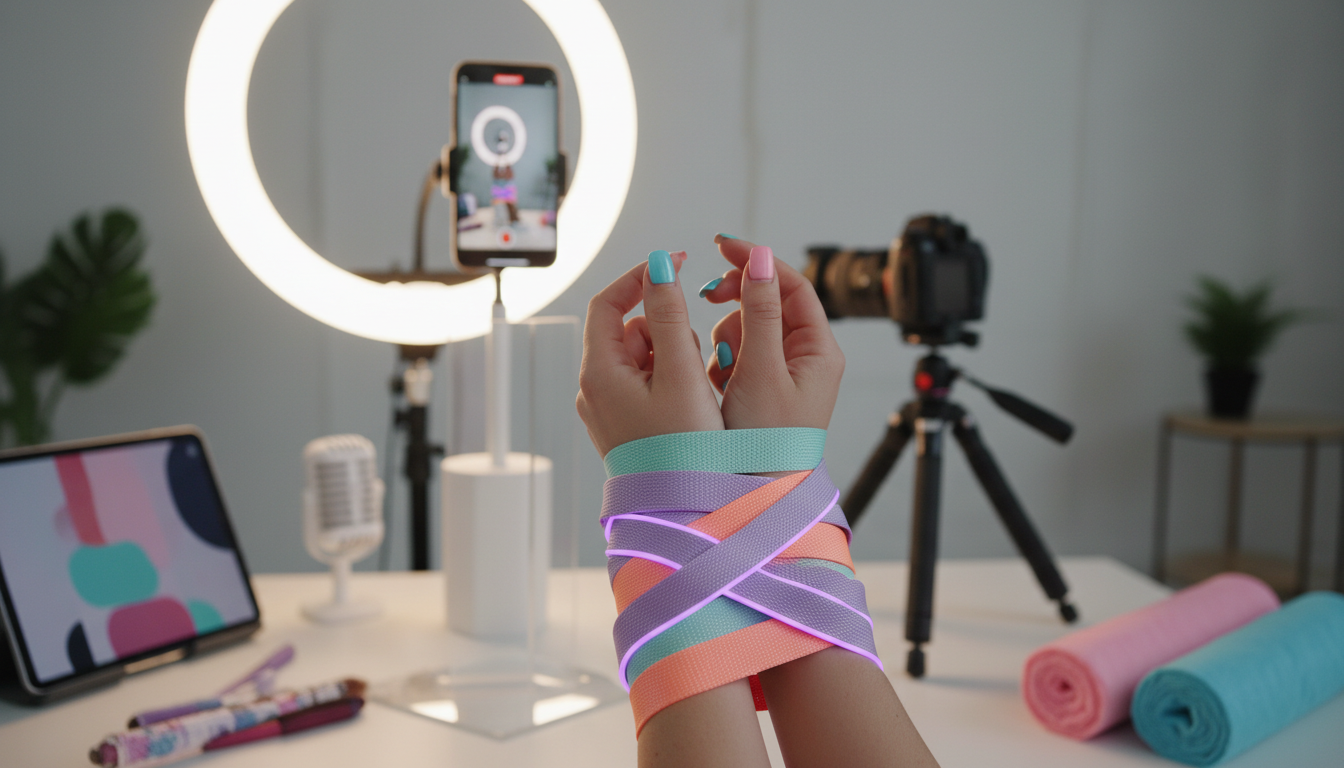
Bondage Topic 12: Exploring Unique Restraints
Bondage Topic 12: Exploring Unique Restraints
This comprehensive guide explores creative and unconventional restraint methods for bondage modeling and artistic photography. Whether you're a professional model expanding your portfolio, a photographer seeking innovative concepts, or an artist exploring new bondage techniques, this resource provides practical insights into unique restraint applications. We'll examine alternative materials, creative positioning methods, and distinctive approaches that elevate bondage modeling beyond traditional rope and leather work while maintaining strict safety standards and consent protocols.
Prerequisites for Working with Unique Restraints
Before experimenting with unconventional restraint methods, ensure you have:
- Solid foundation in basic bondage safety and anatomy
- Understanding of circulation, nerve pressure points, and safe duration limits
- Emergency safety scissors or cutting tools immediately accessible
- Clear communication protocols established with all participants
- Valid consent documentation and negotiated boundaries
- First aid knowledge and emergency action plans
- Experience with traditional restraints before advancing to unique materials
Understanding Unique Restraint Categories
Unique bondage ideas extend far beyond conventional equipment. These alternative approaches offer distinct aesthetic qualities, different sensory experiences, and expanded creative possibilities for professional modeling work.
Material-Based Unique Restraints
Unconventional materials create striking visual contrasts and tactile variations. Popular options include medical-grade plastic wrap (cling film), silk scarves, decorative chains, fabric strips, leather straps with unusual textures, and even carefully selected natural materials like bamboo poles or smooth willow branches. Each material presents unique challenges regarding security, comfort, and artistic presentation.
Positional and Structural Restraints
Some bondage techniques focus on body positioning rather than traditional binding. These include predicament bondage where models must maintain specific poses, furniture integration using specially designed bondage furniture, and architectural restraints that utilize studio structures. These methods often create dramatic photographic compositions while requiring exceptional core strength and flexibility from models.
Comparison of Unique Restraint Materials
| Material Type | Visual Appeal | Safety Level | Skill Required | Removal Speed | Best Used For |
|---|---|---|---|---|---|
| Medical Wrap | Modern/Clinical | High | Beginner | Very Fast | Full body coverage, mummification |
| Silk Scarves | Elegant/Sensual | Medium | Beginner | Fast | Wrist/ankle ties, decorative binding |
| Chain Systems | Industrial/Edgy | Medium | Intermediate | Medium | Suspension points, medieval aesthetics |
| Leather Straps | Classic/Professional | High | Intermediate | Fast | Structural support, harness work |
| Natural Fiber | Organic/Artistic | Medium | Advanced | Medium | Artistic photography, themed shoots |
| Elastic Bands | Dynamic/Tension | Low-Medium | Advanced | Fast | Predicament positions, resistance play |
Step-by-Step Guide to Implementing Unique Restraint Techniques
-
Research and Material Selection: Investigate the specific properties of your chosen unique material, including tensile strength, skin compatibility, and potential allergens. Test small samples on skin for 10-15 minutes before full application.
-
Safety Preparation: Establish hand signals for non-verbal communication, position EMT scissors within arm's reach, and conduct a pre-scene walkthrough discussing all planned restraint applications and safety checkpoints.
-
Application Planning: Sketch or photograph your intended restraint configuration, identifying all pressure points and circulation-sensitive areas. Plan the sequence of application to ensure accessibility for safety checks.
-
Gradual Implementation: Begin with loose application, then incrementally adjust tension while monitoring model feedback. Never rush unique restraint applications, as unfamiliar materials behave unpredictably.
-
Continuous Monitoring: Perform circulation checks every 3-5 minutes for new restraint types, asking for verbal confirmation of sensation and comfort levels. Watch for skin color changes, temperature variations, or numbness reports.
-
Documentation and Shooting: Once secure and comfortable, proceed with photography or modeling work, maintaining constant visual contact and regular verbal check-ins throughout the session.
-
Controlled Release: Remove restraints in reverse order of application, checking skin condition and allowing circulation to normalize gradually. Never pull or tear unique materials during removal.
Essential Safety Equipment for Unique Restraint Work
When working with unconventional bondage materials, specific safety equipment becomes critical:
- EMT trauma shears: Capable of cutting through multiple material types including leather, fabric, and plastic
- Communication devices: Wireless intercom systems for large studio spaces or gagged scenarios
- Skin barrier products: Medical-grade barrier films for materials that may cause friction or irritation
- Temperature regulation tools: Blankets, fans, or heating pads to maintain model comfort during extended sessions
- Monitoring equipment: Pulse oximeters for checking circulation in extremities during complex restraints
- Photographic documentation: Before/after photos of all restraint points for safety records and artistic reference
Creative Applications of Unique Restraints in Professional Modeling
Fashion-Forward Bondage Integration
High-fashion photography increasingly incorporates bondage aesthetics using unique restraints. Designers collaborate with bondage artists to create runway pieces featuring decorative chain harnesses, architectural leather structures, and avant-garde restraint-inspired accessories. Models working in this niche require understanding of both fashion posing and restraint safety protocols.
Film and Media Bondage Styling
Cinematic productions utilize unique restraints for character development, period accuracy, and visual storytelling. Specialized bondage coordinators work alongside costume departments to create historically accurate restraint methods or futuristic sci-fi binding systems using modern materials. These applications demand precise replication abilities and camera-ready presentation.
Art Gallery and Installation Work
Contemporary artists incorporate live bondage modeling into gallery installations, using unique restraints as sculptural elements. These performances may involve suspended models in geometric rope configurations, models integrated into architectural installations with custom restraint systems, or durational pieces where models gradually move through evolving restraint states.
Troubleshooting Common Challenges with Unique Restraints
Material Slippage: Unconventional materials often lack the friction properties of traditional rope. Solution: Use medical-grade tape anchors, silicone grip pads, or combination techniques pairing slippery materials with textured layers.
Unpredictable Tension Distribution: Unique materials may stretch, compress, or shift unexpectedly. Solution: Conduct thorough pre-shoot testing with full tension applied for 10-15 minutes, monitoring all pressure points and adjustment needs.
Aesthetic Versus Safety Conflicts: Desired visual effects may compromise safety protocols. Solution: Never sacrifice safety for aesthetics. Instead, collaborate with post-production specialists to enhance visual impact digitally while maintaining safe on-set practices.
Skin Reactions to Novel Materials: Unusual materials increase risk of allergic reactions or irritation. Solution: Perform 24-hour patch tests before full application, maintain skin barrier products on set, and document all material compositions for model safety records.
Limited Emergency Release Options: Some unique restraints don't respond well to standard cutting tools. Solution: Test your EMT shears on material samples before use, maintain multiple cutting tool types (wire cutters, fabric shears, utility knives), and plan alternative release methods for each restraint type.
Expanding Your Restraint Vocabulary
Developing expertise in unique restraints requires systematic exploration and documentation. Professional bondage models and photographers maintain detailed records of material experiments, including photographs of applications, notes on model comfort feedback, timing data for application and removal, and creative observations about aesthetic results.
Advanced practitioners study historical restraint methods from various cultures, modern industrial rigging techniques adapted for human subjects, and theatrical staging methods that create restraint illusions. This multidisciplinary approach generates innovative unique bondage ideas while maintaining safety consciousness.
Building a Unique Restraint Kit
Professional bondage modeling requires curated equipment collections. For unique restraint specialization, assemble:
- Material samples library: Small quantities of various unconventional materials for testing and client presentations
- Adapter hardware: D-rings, carabiners, and connection points compatible with non-standard materials
- Protection layers: Fabric sleeves, foam padding, and barrier wraps to protect skin under harsh materials
- Documentation tools: Camera, lighting for detail shots, and measurement devices for reproducing successful configurations
- Reference materials: Books, digital files, and sketches documenting unique restraint applications and variations
Frequently Asked Questions
Q: How do I know if a unique material is safe for bondage use?
A: Evaluate materials based on multiple safety criteria: tensile strength (can it support intended weight/tension without breaking?), skin compatibility (is it non-toxic and hypoallergenic?), edge safety (are there sharp points or rough surfaces?), and emergency removability (can you cut through it quickly with standard safety tools?). Always conduct small-scale tests before full application, and research any material's chemical composition if it will contact skin directly. When in doubt, consult with experienced riggers or medical professionals familiar with bondage safety protocols.
Q: What's the difference between unique restraints and traditional bondage equipment?
A: Traditional bondage equipment (rope, leather cuffs, metal shackles) has established safety protocols, predictable behavior, and extensive community knowledge about proper use. Unique restraints involve unconventional materials or methods with less documented safety information, requiring more careful experimentation and risk assessment. While traditional equipment offers reliability and proven safety records, unique restraints provide expanded creative possibilities, distinctive aesthetic qualities, and opportunities for innovation in bondage modeling photography and performance art. Both require consent, safety awareness, and proper training.
Q: Can beginners safely experiment with unique restraint ideas?
A: Beginners should master fundamental bondage techniques and safety protocols with traditional equipment before exploring unique restraints. This foundation ensures you understand circulation monitoring, nerve safety, emergency release procedures, and consent negotiation. Once comfortable with basics, start with low-risk unique restraints like soft fabric strips or medical wrap under supervision of experienced practitioners. Progress gradually to more complex unique materials only after developing strong safety instincts and communication skills. Never experiment alone, always have safety equipment ready, and prioritize education over experimentation.
Q: How do I photograph unique restraints to showcase their distinctive qualities?
A: Effective photography of unique restraints requires attention to lighting, angles, and context. Use directional lighting to emphasize material textures—side lighting for dimensional materials like chains, soft diffused light for smooth materials like silk or plastic wrap. Shoot multiple angles including close-ups of material interaction with skin, medium shots showing overall restraint configuration, and wide shots providing artistic context. Consider contrasting backgrounds that make unique materials visually prominent. For portfolio work, include both artistic compositions and clear documentation shots that demonstrate technical execution and safety considerations to potential clients or collaborators.
Q: What insurance or liability considerations apply to unique restraint work?
A: Professional bondage modeling with unique restraints requires comprehensive liability protection. Obtain appropriate business insurance covering both professional liability and general liability claims. Maintain detailed documentation of all safety protocols, consent agreements, and material testing procedures. Use written model releases that specifically acknowledge the use of unconventional restraint methods. Consider consulting with attorneys familiar with adult industry regulations and performance art liability. For studio owners or photographers, ensure your insurance provider explicitly covers bondage-related activities, as some policies contain exclusions for perceived high-risk activities. Proper documentation and insurance protect all parties involved in professional bondage modeling work.
Conclusion and Next Steps
Exploring unique restraints opens new creative dimensions in bondage modeling while demanding elevated safety consciousness and technical skill. Begin your journey by thoroughly mastering traditional bondage techniques, then gradually experiment with unconventional materials under experienced supervision. Document your explorations systematically, prioritize model safety above aesthetic considerations, and contribute to community knowledge by sharing successful techniques and safety insights.
For continued development, consider attending bondage education workshops focusing on advanced techniques, connecting with experienced riggers who specialize in unique materials, studying historical and cultural restraint methods for inspiration, and building relationships with photographers and artists exploring innovative bondage aesthetics. Your unique restraint expertise will distinguish your professional portfolio while contributing to the evolving art form of bondage modeling.