
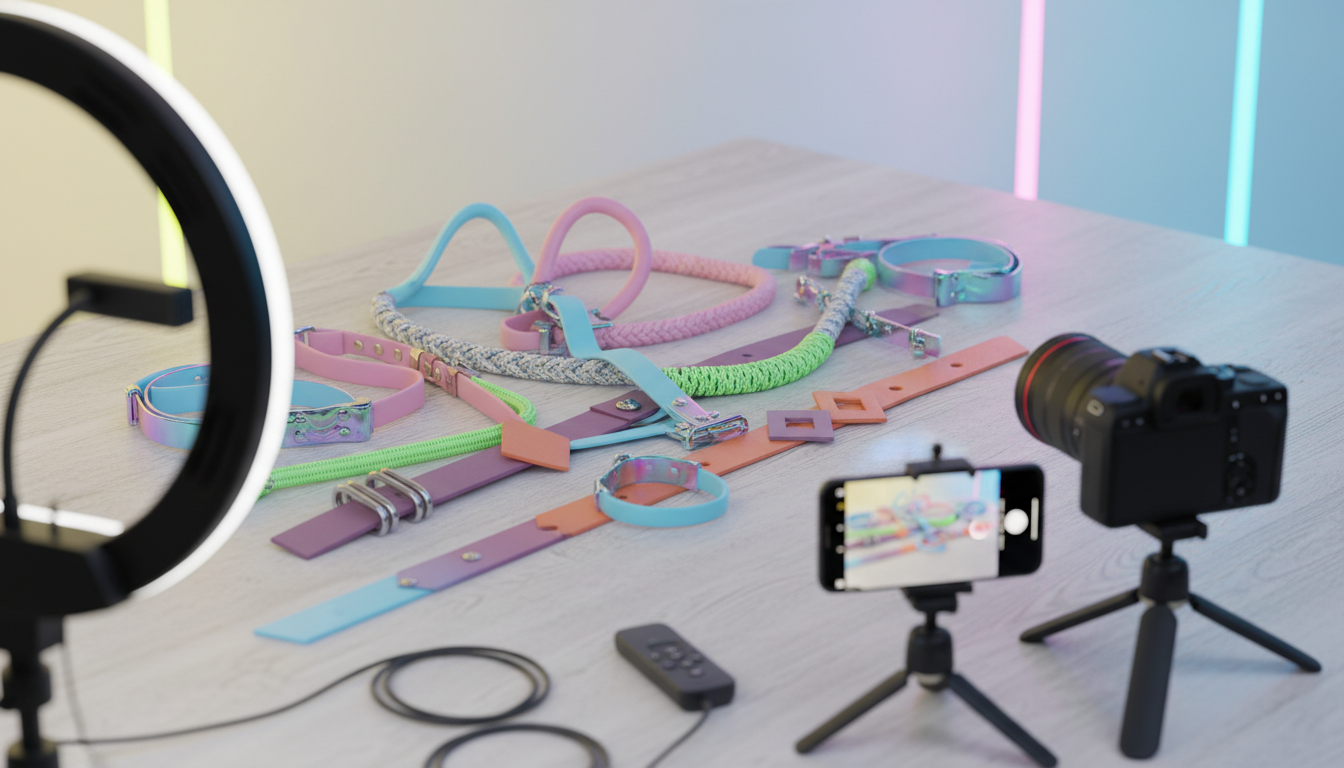
Bondage Topic 1: Exploring Unique Restraints
Exploring Unique Restraints: A Comprehensive Guide to Creative Bondage Techniques
This guide introduces photographers, models, and bondage practitioners to creative and unique restraint options beyond traditional rope and handcuffs. Whether you're a professional bondage model expanding your portfolio, a photographer seeking distinctive visual concepts, or a practitioner exploring artistic expression, understanding diverse restraint methods enhances both safety and creativity. This resource covers uncommon restraint materials, innovative bondage techniques, and safety considerations for incorporating unique bondage ideas into your artistic or professional practice.
Prerequisites for Working with Unique Restraints
Before experimenting with unconventional restraint materials, ensure you have:
- Solid understanding of basic bondage safety principles and consent protocols
- Emergency safety scissors or EMT shears readily accessible
- Knowledge of nerve locations and circulation monitoring techniques
- Established non-verbal safety signals (especially for gag scenarios)
- First aid supplies including cold packs and bandages
- A trusted partner or safety monitor present during all sessions
- Clear communication about physical limitations and medical conditions
Understanding Unique Restraint Categories
Unique restraints fall into several distinct categories, each offering different aesthetic qualities and practical applications for bondage modeling and artistic photography.
Natural and Organic Materials
Natural materials provide visually striking alternatives to synthetic restraints. Leather strips, silk scarves, hemp rope, and bamboo poles offer texture-rich photography opportunities while maintaining functional restraint capabilities. These materials photograph exceptionally well under various lighting conditions and provide authentic, organic aesthetics for artistic bondage portfolios.
Industrial and Hardware-Based Restraints
Chains, carabiners, metal pipes, and industrial hardware create dramatic visual impact with metallic textures and weight. These restraints work particularly well for edgier photography concepts and alternative fashion shoots. The key advantage lies in their adjustability and the distinctive sound design they provide for video content.
Textile and Fashion-Forward Options
Velvet ribbons, elastic bands, pantyhose, neckties, and fashion accessories transform everyday items into creative restraints. These options excel in fashion-forward bondage photography and provide softer, more approachable aesthetics suitable for mainstream modeling portfolios.
Comparison of Unique Restraint Materials
| Material Type | Visual Appeal | Safety Rating | Skill Level Required | Best Use Case | Removal Speed |
|---|---|---|---|---|---|
| Silk Scarves | High (elegant) | High | Beginner | Fashion photography | Very Fast |
| Leather Strips | Very High | Medium | Intermediate | Professional bondage | Fast |
| Chain & Hardware | High (industrial) | Medium | Intermediate | Editorial shoots | Medium |
| Velvet Ribbon | High (luxurious) | High | Beginner | Glamour photography | Very Fast |
| Bamboo Spreaders | Medium | High | Advanced | Traditional bondage | Medium |
| Medical Bandage | Medium | Very High | Beginner | Practice sessions | Very Fast |
| Paracord | Medium | High | Intermediate | Outdoor photography | Fast |
Step-by-Step Process for Implementing Unique Bondage Ideas
- Research and Material Selection: Investigate the specific restraint material's properties, stretch characteristics, and breaking strength before purchase
- Safety Testing: Test all new materials on yourself first to understand pressure points, comfort levels, and potential skin reactions
- Communication Protocol: Discuss the specific restraint choice with your partner or model, explaining sensations they should expect
- Application Technique: Apply restraints gradually, checking circulation every 3-5 minutes by assessing skin color, temperature, and sensation
- Photographic Documentation: Capture various angles and lighting setups to maximize the unique visual properties of unconventional materials
- Monitoring Phase: Continuously observe for signs of discomfort, numbness, tingling, or color changes in extremities
- Careful Removal: Remove restraints slowly and methodically, allowing circulation to return gradually while monitoring for adverse reactions
- Post-Session Care: Apply moisturizer to affected skin areas and document any marks for future reference and safety improvement
Essential Safety Considerations for Unique Restraints
When exploring bondage techniques with unconventional materials, several critical safety factors require attention:
- Material Integrity: Always inspect restraints for weak points, fraying, or defects before each use
- Edge Awareness: Check all materials for sharp edges, rough textures, or burrs that could cause abrasions
- Allergic Reactions: Conduct patch tests for materials like latex, certain metals, or treated fabrics
- Breathing and Circulation: Never compromise respiratory function or major blood vessels with tight restraints
- Time Limits: Implement maximum duration limits (typically 15-30 minutes) for tighter or more restrictive unique restraints
- Documentation: Photograph restraint placement and maintain detailed notes about material performance and comfort levels
Creative Applications in Professional Bondage Modeling
Portfolio Diversification Strategies
Professional bondage models benefit significantly from showcasing diverse restraint types in their portfolios. Unique materials demonstrate versatility, creativity, and willingness to explore artistic concepts beyond conventional approaches. Consider developing themed series around specific materials:
- Vintage-inspired shoots using antique leather belts and period-appropriate restraints
- Nature-themed photography incorporating natural fiber ropes and wooden elements
- Fashion-forward editorial concepts using designer scarves and luxury textiles
- Industrial aesthetic projects featuring chains, metal, and hardware store materials
Key Equipment and Supplies for Unique Restraint Work
- Safety scissors with rounded tips (minimum two pairs in different locations)
- Quick-release mechanisms and panic snaps for rapid removal
- Padding materials (fleece, foam, or soft cloth) to protect pressure points
- Skin-safe lubricants for reducing friction with certain materials
- Timer or stopwatch for tracking restraint duration
- First aid kit with cold compresses and bandages
- Photography lighting equipment optimized for texture capture
- Backup restraint options in case primary materials prove unsuitable
- Communication devices within easy reach
- Reference materials showing proper anatomical safety zones
Common Challenges and Troubleshooting Solutions
Challenge: Material slips or doesn't hold securely Solution: Add textured padding underneath smooth materials, use double-wrapping techniques, or switch to materials with better grip characteristics like hemp rope or textured leather
Challenge: Unexpected skin irritation or allergic reaction Solution: Immediately remove restraints, wash affected area with mild soap, apply hypoallergenic moisturizer, and document the reaction for future avoidance
Challenge: Restraint creates unexpected pressure points Solution: Add cushioning materials at pressure points, redistribute tension across broader surface areas, or adjust positioning to avoid nerve pathways
Challenge: Difficult or time-consuming removal process Solution: Practice removal procedures before applying restraints, position safety scissors strategically, and consider using restraints with built-in quick-release mechanisms
Challenge: Material doesn't photograph as expected Solution: Experiment with lighting angles, use contrasting backgrounds, apply minimal oil or water for enhanced texture, or adjust camera settings for better material capture
Frequently Asked Questions
Q: What unique restraints are safest for beginners exploring bondage modeling?
A: Silk scarves, velvet ribbons, and soft leather strips offer the safest entry points for beginners. These materials provide quick release capabilities, minimal risk of circulation compromise, and forgiving application techniques. Always start with loose application and gradually increase security only after mastering basic safety protocols. Medical-grade coban bandage also works excellently for practice due to its self-adhesive properties and immediate removal capability.
Q: How can I ensure unique restraint materials photograph well during professional shoots?
A: Material photography quality depends on texture, lighting, and contrast. Use directional lighting to emphasize material texture, position restraints against contrasting skin tones or backgrounds, and select materials with interesting visual properties like braiding, weaving, or metallic finishes. Test shoot with various materials before committing to full sessions, and consider how materials interact with different skin tones and body positions.
Q: What duration limits should I observe when using unconventional bondage restraints?
A: Duration limits vary by material and restraint tightness, but general guidelines suggest 15-20 minutes maximum for tighter applications and 30-45 minutes for looser, comfortable restraints. Materials that don't stretch (chains, rigid cuffs) require more frequent circulation checks every 3-5 minutes. Always prioritize comfort over aesthetic goals and remove restraints immediately if any numbness, tingling, color change, or temperature variation occurs.
Q: Can household items safely substitute for professional bondage equipment?
A: Many household items work safely as unique restraints when properly evaluated. Neckties, scarves, soft belts, and fabric strips provide reasonable alternatives for light bondage and photography. However, avoid items with hard edges, non-stretch materials that tighten under tension, or anything containing toxic dyes or chemicals. Professional equipment often includes safety features like quick-release mechanisms that household items lack, so maintain extra vigilance when improvising.
Q: How do I incorporate unique bondage ideas while maintaining professional modeling standards?
A: Professional standards require clear contracts specifying which materials and techniques will be used, explicit consent documentation, and adherence to established safety protocols regardless of restraint creativity. Communicate unique material choices during pre-production discussions, provide material samples for model approval, and ensure all creative concepts align with the model's boundaries and portfolio goals. Professional bondage modeling always prioritizes safety and consent over artistic ambition.
Conclusion and Next Steps
Exploring unique restraints expands creative possibilities in bondage modeling while requiring heightened attention to safety protocols and communication. Start with forgiving materials like silk or velvet, gradually progress to more challenging options as skills develop, and always prioritize model safety and comfort over aesthetic goals.
For continued development, practice restraint application techniques on yourself first, build a diverse collection of unique materials for portfolio variety, and connect with experienced bondage photographers and models who can provide mentorship. Document your work thoroughly, maintain detailed safety logs, and continuously educate yourself on anatomy, circulation, and nerve safety. Consider attending professional bondage workshops or rope-bondage classes to refine your technical skills and expand your understanding of both traditional and innovative bondage techniques.