
Bondage Tape Techniques for Beginners
Bondage Tape Techniques for Beginners
Bondage tape represents one of the most versatile and beginner-friendly restraint options in the world of bondage modeling and intimate exploration. Unlike traditional rope or metal restraints, tape bondage offers a unique combination of safety, ease of use, and creative possibilities that make it ideal for those just starting their journey into consensual restraint play. This comprehensive guide will walk you through everything you need to know about using bondage tape effectively, from understanding its properties to mastering basic techniques that prioritize safety, consent, and comfort.
What Makes Bondage Tape Special
Bondage tape, also known as self-adhesive restraint tape, is specifically designed to stick only to itself rather than to skin or hair. This revolutionary property eliminates many of the challenges associated with traditional restraint materials. The tape creates secure bonds without causing painful removal, hair pulling, or adhesive residue on the body. For beginner bondage tape enthusiasts, this means you can experiment confidently without worrying about uncomfortable cleanup or accidental injury during release.
Key Properties and Benefits
- Non-adhesive to skin and hair: Removes cleanly without pain or residue
- Reusable: Can often be reused several times if handled carefully
- Quiet application: Unlike Velcro or metal restraints that create noise
- Customizable tension: Easy to adjust tightness for comfort
- Colorful variety: Available in multiple colors for aesthetic preferences
- Affordable: Cost-effective compared to leather or metal alternatives
- No special tools required: Can be torn by hand or cut with safety scissors
Prerequisites and Safety Considerations
Before beginning any tape bondage session, establish clear communication and consent with your partner. Discuss boundaries, safe words, and comfort levels. Always keep safety scissors nearby for quick release in emergencies. Never leave a restrained person alone, and regularly check circulation by monitoring skin color and temperature. Beginner bondage tape users should start with short sessions of 15-20 minutes and gradually increase duration as comfort and experience grow.
Comparing Bondage Tape to Other Restraint Options
| Feature | Bondage Tape | Rope | Metal Cuffs | Velcro Restraints |
|---|---|---|---|---|
| Skill Level Required | Beginner | Intermediate-Advanced | Beginner | Beginner |
| Removal Speed | Fast (15-30 seconds) | Moderate (1-3 minutes) | Fast (5-10 seconds) | Fast (5-10 seconds) |
| Hair-Pulling Risk | None | Moderate | Low | Low |
| Noise Level | Silent | Silent | Moderate (jingling) | Loud (ripping sound) |
| Reusability | 2-5 uses | 100+ uses | 100+ uses | 50+ uses |
| Cost per Use | Low-Moderate | Very Low | Low | Low |
| Customization | High | Very High | Low | Moderate |
Essential Techniques for Beginners
Basic Wrist Restraint Technique
Follow these steps to create a secure yet comfortable wrist restraint:
- Prepare your materials: Unroll approximately 6-8 feet of bondage tape and have safety scissors within easy reach
- Position the wrists: Have your partner place their wrists together (side-by-side or crossed) with palms facing each other
- Create the first wrap: Begin wrapping the tape around both wrists, maintaining moderate tension—not too tight, not too loose
- Build layers: Apply 5-7 wraps around the wrists, slightly overlapping each layer for strength
- Check circulation: Insert your finger between the tape and skin to ensure proper blood flow
- Secure the end: Press the final wrap firmly against the previous layer to create a secure bond
- Perform safety check: Ask your partner to wiggle their fingers and report any numbness or tingling
Single-Wrist Attachment Method
This technique allows you to secure one wrist to furniture or another body part:
- Wrap the tape around the wrist 3-4 times to create a comfortable cuff
- Leave a 12-18 inch tail of tape extending from the cuff
- Attach the tail to your chosen anchor point by wrapping it several times
- Ensure the attachment point is secure and won't cause strain or discomfort
- Test the restraint gently before proceeding with your session
Advanced Applications and Creative Uses
Body Wrapping Techniques
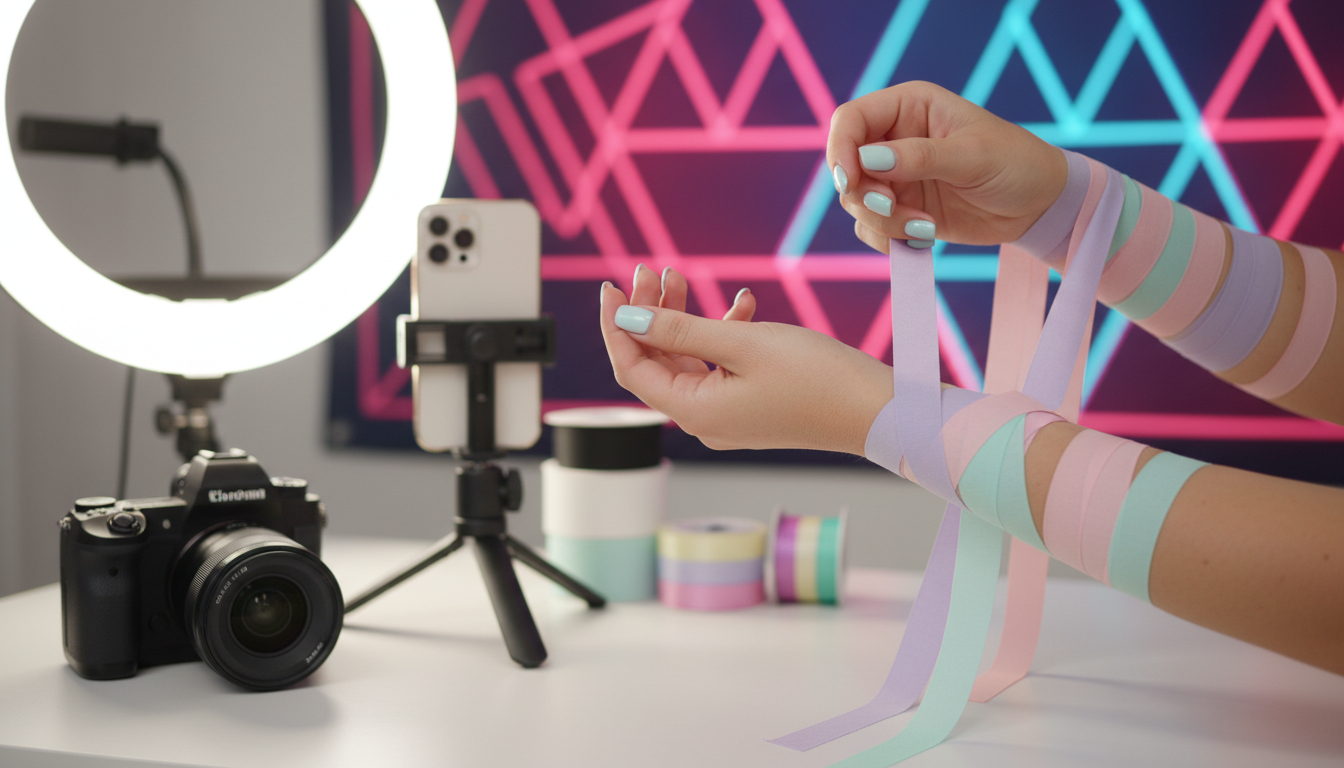
Once comfortable with basic wrist restraints, tape bondage enthusiasts often explore body wrapping. This involves using longer strips of tape to create intricate patterns across the torso, legs, or arms. Start with simple chest harnesses or thigh restraints before attempting full-body applications. The self-adhesive nature of bondage tape makes it perfect for creating decorative patterns that serve both aesthetic and functional purposes in photoshoots or private sessions.
Combination Restraints
Bondage tape excels when combined with other restraint methods. You can use tape to secure rope in place, prevent metal cuffs from making noise, or add colorful accents to leather restraints. This versatility makes it a staple in many bondage modeling shoots where visual appeal matters as much as functionality.
Troubleshooting Common Challenges
Problem: Tape loses adhesion too quickly
- Solution: Ensure skin is clean and dry before application; avoid lotions or oils that reduce stick
- Alternative: Use fresh tape rather than repeatedly reused rolls
Problem: Restraints feel too tight after application
- Solution: Keep safety scissors immediately available and cut the tape carefully along a safe line
- Prevention: Apply tape with one finger inserted between layers to maintain proper spacing
Problem: Tape tears unevenly during application
- Solution: Use sharp scissors for clean cuts rather than tearing by hand
- Tip: Some brands are more tear-resistant; experiment to find your preference
Problem: Partner reports numbness or tingling
- Solution: Remove restraints immediately and allow circulation to normalize
- Prevention: Check circulation every 5-10 minutes during restraint
Care and Storage Best Practices
Proper storage extends the life of your bondage tape significantly. Keep rolls in a cool, dry place away from direct sunlight, which can degrade the adhesive properties. After use, if you plan to reuse the tape, carefully roll it back up rather than wadding it into a ball. Separate different colors to maintain aesthetic options for future sessions. Most beginner bondage tape users find that proper storage allows 2-4 reuses per roll before adhesion quality diminishes noticeably.
Frequently Asked Questions
Q: How tight should I apply bondage tape for safe restraint?
A: The tape should be snug enough to prevent easy escape but loose enough to slide your finger between the tape and skin. You should be able to fit one finger comfortably between layers. Check circulation every 5-10 minutes by examining finger color and asking about sensation. Pale, blue, or numb fingers indicate the tape is too tight and must be removed immediately.
Q: Can bondage tape be used on all body parts safely?
A: Bondage tape is safe for most body parts including wrists, ankles, thighs, and torso. However, never apply tape around the neck, as this creates serious asphyxiation risks. Avoid wrapping tape too tightly around joints, and be cautious near sensitive areas. For tape bondage applications on the chest or torso, ensure breathing remains unrestricted and comfortable throughout the session.
Q: How do I know when bondage tape needs to be replaced?
A: Replace bondage tape when it no longer sticks reliably to itself, tears too easily during application, or has become contaminated with dirt or body oils. Fresh tape should require moderate effort to separate layers and create a firm bond when pressed together. If your tape unravels easily or feels sticky against skin rather than just to itself, it's time for a new roll.
Q: What's the difference between bondage tape and regular tape products?
A: Bondage tape is specifically engineered with a unique adhesive that bonds only to itself, not to skin, hair, or fabric. Regular tape (duct tape, packing tape, etc.) uses aggressive adhesives that stick to everything, causing painful removal, skin irritation, and potential injury. Never substitute regular tape for bondage-specific products, as the removal process can cause serious harm and the experience will be uncomfortable rather than enjoyable.
Q: How long can someone safely remain in tape bondage restraints?
A: Beginners should limit initial sessions to 15-20 minutes maximum while learning proper technique and monitoring responses. Experienced users may extend this to 30-45 minutes with proper circulation checks and comfort monitoring. Never exceed one hour in any restraint, and always perform circulation checks every 5-10 minutes regardless of experience level. Extended restraint increases risks of nerve damage and circulation problems.
Conclusion and Next Steps
Bondage tape techniques offer an accessible, safe, and creative entry point into consensual restraint play. By mastering these fundamental skills—proper wrapping technique, circulation monitoring, and safe removal—you establish a foundation for more advanced exploration. Start with simple wrist restraints, practice communication with your partner, and gradually expand your repertoire as confidence grows. Remember that safety, consent, and comfort always take priority over aesthetics or intensity. Consider exploring rope bondage basics or other restraint equipment once you've developed confidence with tape bondage methods. Most importantly, maintain open communication, respect boundaries, and prioritize the wellbeing of everyone involved in your bondage modeling or personal exploration journey.