
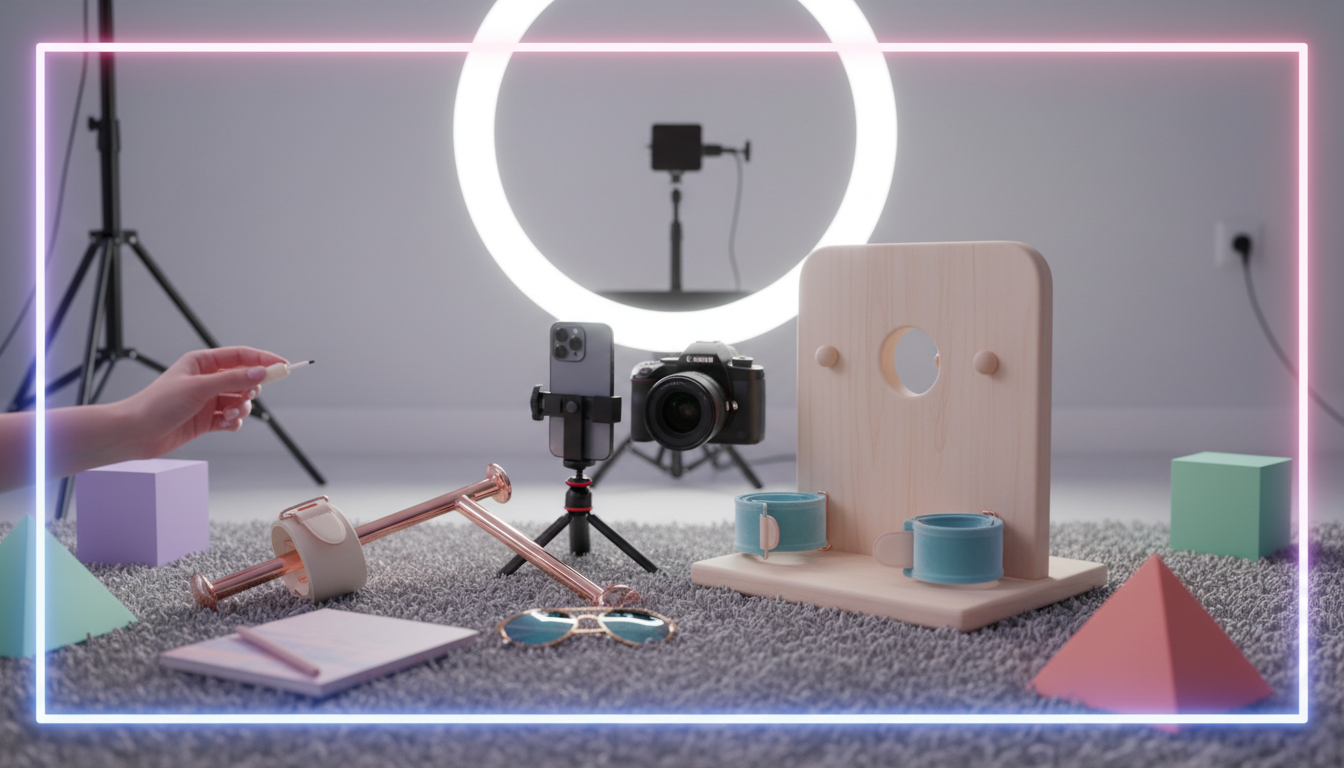
Spreader Bar vs. Stockade: Restraint Choices
Spreader Bar vs. Stockade: Restraint Choices
Choosing between a spreader bar and a stockade can significantly impact your bondage modeling sessions, photoshoots, and performances. Both restraint devices serve distinct purposes in the art of bondage, offering unique aesthetic appeals, physical sensations, and creative possibilities. This comprehensive guide compares these two popular restraint choices to help bondage models, photographers, and practitioners make informed decisions about which device best suits their needs, experience level, and creative vision. Whether you're preparing for professional work or exploring artistic expression, understanding the differences between spreader bar vs stockade options will enhance your practice while prioritizing safety and consent.
Prerequisites for Using Advanced Restraints
Before working with either spreader bars or stockades, ensure you have:
- Clear communication protocols established with all participants
- Written consent from all parties involved in the session
- Emergency release tools readily accessible (safety shears, quick-release mechanisms)
- Basic knowledge of circulation checks and nerve pathway safety
- A safety monitor present during sessions, especially for photography or performance work
- Proper warm-up and flexibility assessment of the model
Understanding Spreader Bars
Spreader bars are horizontal restraint devices designed to keep limbs separated at a fixed distance. These versatile tools consist of a rigid bar with attachment points at each end, typically used on ankles or wrists to maintain an open, vulnerable position.
Key Characteristics of Spreader Bars
- Adjustable lengths ranging from 12 inches to 48 inches or more
- Lightweight and highly portable for location shoots
- Quick attachment and release mechanisms
- Allow for standing, lying, or kneeling positions
- Minimal visual obstruction for photography
- Easy to incorporate into dynamic poses
Common Applications for Spreader Bars
Spreader bars excel in situations requiring mobility, multiple position changes, or minimal visual interference. Professional bondage models frequently use them for:
- Fashion photography where leg or arm positioning matters
- Standing restraint scenes that maintain balance
- Bed-based compositions for editorial work
- Travel and location work due to portability
- Progressive restriction sequences in performance art
Exploring Stockade Restraints
The bondage stockade, inspired by historical punishment devices, features a large wooden or metal frame with openings for the neck and wrists, or sometimes ankles. This stockade restraint creates a distinctly different aesthetic and physical experience compared to spreader bars.
Key Characteristics of Stockades
- Substantial wooden or metal construction
- Creates a bent-over, submissive posture
- Highly visible and dramatic visual element
- Requires dedicated space and setup time
- Offers psychological intensity through immobility
- Limited position variation once secured
Common Applications for Stockades
Stockades are preferred when the restraint itself becomes part of the artistic statement:
- Medieval or historical-themed photoshoots
- Studio-based sessions with controlled environments
- Performance art with theatrical elements
- Dungeon or BDSM club photography
- Extended modeling sessions requiring stable positioning
Comparison Table: Spreader Bar vs. Stockade
| Feature | Spreader Bar | Stockade |
|---|---|---|
| Portability | Highly portable (2-5 lbs) | Heavy and stationary (30-100+ lbs) |
| Setup Time | 30 seconds to 2 minutes | 10-30 minutes |
| Position Versatility | High - multiple positions possible | Low - primarily bent-over position |
| Visual Impact | Subtle, minimalist | Dramatic, imposing |
| Cost Range | $30-$150 | $200-$800+ |
| Skill Level Required | Beginner-friendly | Intermediate to advanced |
| Storage Requirements | Minimal - fits in equipment bag | Significant - requires dedicated space |
| Photography Angles | 360-degree access | Limited angles, front focus |
| Safety Monitoring | Moderate attention needed | High attention required |
| Professional Applications | Fashion, editorial, artistic | Theatrical, historical, dramatic |
Step-by-Step Selection Process
Follow this decision-making framework to choose the right restraint for your needs:
-
Assess your environment - Measure available space, considering both the restraint size and room for photography equipment, lighting, and movement around the subject.
-
Define your creative vision - Determine whether your concept requires mobility and position changes (spreader bar) or dramatic immobility (bondage stockade).
-
Evaluate the model's experience level - Beginners typically respond better to spreader bars due to their adjustability and quick-release features.
-
Consider session duration - Sessions longer than 15-20 minutes in a stockade require additional safety monitoring and comfort checks.
-
Budget appropriately - Factor in not just the restraint cost but also transportation, storage, and any necessary padding or accessories.
-
Plan for safety protocols - Ensure you have appropriate release mechanisms and monitoring procedures for your chosen device.
-
Test before the shoot - Run a practice session with your selected restraint to identify any adjustments needed.
Safety Considerations and Best Practices
For Spreader Bar Use
- Check that attachment cuffs fit properly without cutting off circulation
- Monitor ankle and wrist joints for signs of strain or discomfort
- Use padding at pressure points, especially during extended sessions
- Ensure the bar's length allows for the model's natural flexibility without overstretching
- Keep one hand free whenever possible for emergency signaling
For Stockade Restraint Use
- Verify neck opening size prevents pressure on the throat or spine
- Position models carefully to avoid lower back strain from prolonged bending
- Conduct circulation checks every 5-7 minutes on restrained limbs
- Provide cushioning under knees if the position requires kneeling
- Maintain constant verbal communication to assess comfort levels
- Have bolt cutters or appropriate tools immediately available for emergency release
Common Challenges and Solutions
Challenge: Limited Flexibility
Problem: Model cannot comfortably achieve the position required by either restraint.
Solution: For spreader bars, select a shorter bar length that works within the model's range. For stockades, adjust the height of the frame or add cushioning to reduce the required bend angle. Never force a position.
Challenge: Circulation Issues
Problem: Model reports numbness, tingling, or color changes in extremities.
Solution: Immediately release the restraint. Check cuff tightness and adjust or add padding. For stockades, ensure wrist restraints aren't bearing body weight. Resume only after circulation normalizes and with looser restraints.
Challenge: Photography Limitations
Problem: The restraint device interferes with desired camera angles or lighting.
Solution: Spreader bars can be rotated or repositioned easily. For stockades, plan your lighting setup around the fixed structure, using it as a framing element. Consider the restraint as part of the composition rather than an obstacle.
Challenge: Equipment Storage
Problem: Stockade takes up excessive space between shoots.
Solution: Look for collapsible or modular stockade designs that disassemble for storage. Alternatively, invest in a spreader bar collection for regular use and rent stockades for specific themed shoots.
Choosing Based on Professional Goals
For Fashion and Editorial Models
Spreader bars offer the versatility needed for commercial bondage modeling work. Their minimal visual profile allows clothing and styling to remain the focus while adding an edgy element. The ability to quickly change positions maximizes productivity during time-limited shoots.
For Theatrical and Performance Artists
The bondage stockade provides powerful visual symbolism and dramatic presence essential for stage work and themed performances. Its imposing structure creates instant context and narrative without requiring explanation.
For Fine Art Photography
Both restraints serve fine art purposes, but your choice should align with your conceptual goals. Spreader bars suit minimalist, body-focused compositions, while stockades excel in narrative, historically-informed, or deliberately theatrical work.
Equipment Investment Considerations
Essential Features for Spreader Bars
- High-grade aluminum or stainless steel construction
- Lockable attachment points for security during shoots
- Adjustable length mechanisms for versatility
- Included cuffs or compatible attachment system
- Protective coating to prevent skin irritation
Essential Features for Stockades
- Smooth, splinter-free wood or powder-coated metal
- Padded or lined openings for neck and wrists
- Stable base design that prevents tipping
- Quick-release hinges for emergency situations
- Adjustable height settings for different model sizes
Building Your Restraint Collection
Professional bondage models and photographers typically build their equipment inventory strategically:
- Start with spreader bars in three sizes: small (12-18"), medium (24-30"), and large (36-48")
- Add specialty spreader bars such as wrist-to-ankle configurations for advanced work
- Invest in a quality stockade once you have consistent studio space and themed shoot requests
- Consider rental options for expensive stockades until you determine frequency of use
- Budget for maintenance including wood conditioning, metal cleaning, and padding replacement
FAQ
What is the main difference between a spreader bar and a stockade for bondage modeling?
The primary difference lies in mobility and aesthetic impact. A spreader bar is a portable, adjustable device that keeps limbs separated while allowing multiple positions and easy movement between poses. A bondage stockade is a large, stationary frame that locks the neck and wrists (or sometimes ankles) in a fixed, bent-over position. Spreader bars offer versatility and subtlety, while stockades provide dramatic visual impact and psychological intensity. For professional modeling work, spreader bars suit fashion and editorial contexts, whereas stockade restraint devices excel in theatrical, historical, or dungeon-themed photography.
Which restraint is safer for beginners in bondage modeling?
Spreader bars are significantly safer and more appropriate for beginners. They allow for quick release in emergencies, don't restrict the upper body or neck, and can be adjusted to accommodate limited flexibility. Models can communicate easily while restrained and can be positioned in ways that don't strain the body. Stockades require more experience because they restrict the neck and upper body, create sustained stress on the lower back, and limit the model's ability to signal distress. Beginners should master spreader bar work and develop strong communication protocols before attempting stockade restraint sessions.
Can I use both restraints in the same modeling session?
Yes, experienced models and practitioners can combine both restraints in a single session, though this requires careful planning. A typical progression might start with spreader bars for initial poses, then transition to the stockade for dramatic finale shots. However, never use both simultaneously on the same model, as this creates excessive restriction and safety risks. Always allow adequate rest periods between restraint changes, conduct thorough circulation checks, and ensure the model's energy levels can sustain multiple restraint scenarios. For professional shoots, schedule at least 10-15 minutes between different restraint setups.
How do I choose between spreader bar vs stockade for a professional photoshoot?
Your choice should be guided by several factors: the creative concept, available space, model experience, and time constraints. Choose a spreader bar when you need multiple positions, minimal visual interference, location flexibility, or fashion-focused shots. Select a bondage stockade when your concept requires dramatic historical or theatrical elements, you're working in a dedicated studio space, and you have time for extended setup and single-position shooting. Also consider your client's expectations—editorial clients typically prefer the versatility of spreader bars, while fine art or themed collectors often seek the distinctive aesthetic of stockade imagery.
What are the essential safety supplies needed for using these restraints?
Both restraints require specific safety equipment. Essential supplies include: emergency medical shears or safety scissors for quick cuff removal, communication signals (verbal safewords and non-verbal hand signals), a timer for monitoring session duration, padding or cushioning for pressure points, first aid supplies including cold packs, a reliable assistant or safety monitor who remains present throughout, and a phone for emergency services if needed. For stockades specifically, also have bolt cutters available in case hinge mechanisms fail. Additionally, maintain a checklist to verify all safety equipment is present before beginning any restraint session, and never proceed if any safety item is missing.
Conclusion and Next Steps
Both spreader bars and stockades have valuable places in bondage modeling, each offering distinct advantages depending on your creative goals, working environment, and experience level. Spreader bars provide unmatched versatility, portability, and beginner-friendliness, making them essential for any bondage model's toolkit. Stockade restraints deliver powerful visual impact and theatrical presence for specialized projects requiring dramatic immobility.
For those beginning their journey in bondage modeling, start by mastering spreader bar techniques before progressing to stockade work. Invest in quality equipment, prioritize safety protocols, and always maintain clear consent and communication with all participants. As you develop your skills and portfolio, you'll discover which restraint types align best with your artistic vision and professional opportunities.
To advance your knowledge, consider taking workshops on restraint safety, studying the work of established bondage photographers, and gradually expanding your equipment collection as your experience and client base grow. Remember that the most successful bondage modeling work balances technical skill, artistic vision, and unwavering commitment to safety and ethical practice.