
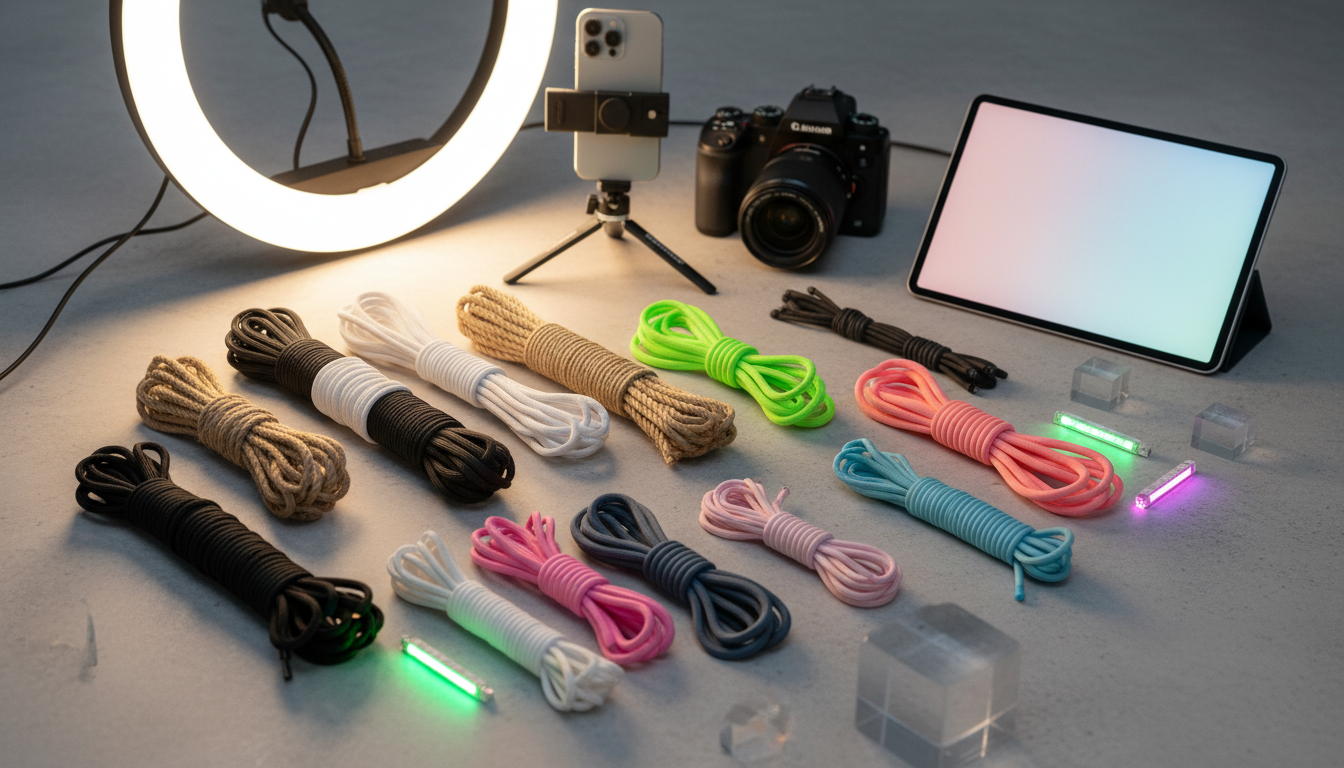
Bondage Rope Types and Materials: Complete Guide
Bondage Rope Types and Materials: Complete Guide
Choosing the right bondage rope types is essential for safe, comfortable, and aesthetically pleasing rope work. Whether you're a professional bondage model, rigger, photographer, or enthusiast exploring Shibari and kinbaku, understanding rope materials will significantly impact your experience. This comprehensive guide examines various rope options, their characteristics, maintenance requirements, and ideal applications to help you make informed decisions about rope selection for your practice.
Prerequisites
Before diving into specific bondage rope types, practitioners should:
- Have basic knowledge of rope bondage terminology and techniques
- Understand fundamental safety principles including consent and communication
- Be prepared to invest time in proper rope care and maintenance
- Have identified their primary use case (photography, performance, personal practice)
- Consider any skin sensitivities or allergies to natural fibers
Natural Fiber Ropes: The Traditional Choice
Jute Rope: The Classic Standard
Jute rope remains the gold standard in traditional Japanese rope bondage. Sourced from the jute plant, this natural fiber offers exceptional grip and friction control, making it ideal for intricate ties and suspension work. The texture of jute provides excellent feedback for both rigger and model, allowing precise tension adjustments.
Key characteristics of jute:
- Breaks in relatively quickly (10-20 uses)
- Provides superior grip without excessive roughness
- Maintains knots securely during scenes
- Offers authentic aesthetic for traditional Shibari
- Requires regular conditioning and maintenance
Hemp Rope: The Durable Alternative
Hemp rope represents another popular choice among serious practitioners. Stronger and more durable than jute, hemp can withstand intensive use and outdoor conditions. The rope quality of hemp improves with age as the fibers soften through conditioning, making it a long-term investment.
Hemp's natural oils create a slightly smoother feel than jute while maintaining adequate friction. Professional riggers often prefer hemp for suspension bondage due to its superior tensile strength and reliability.
Cotton Rope: The Beginner-Friendly Option
Cotton rope offers a gentler introduction to rope bondage. Its soft texture makes it comfortable for extended wear and suitable for models with sensitive skin. However, cotton stretches significantly under load, making it less appropriate for suspension work or precise technical ties.
Synthetic Rope Materials
Nylon and MFP Ropes
Synthetic options like nylon and multi-filament polypropylene (MFP) provide practical advantages for specific applications. These materials resist moisture, clean easily, and maintain consistent properties regardless of environmental conditions.
Nylon's smooth surface allows quick tying and untying—a crucial rope safety feature for emergency situations. However, this same smoothness can cause knots to slip unexpectedly, requiring additional security measures.
Synthetic vs. Natural: Making the Right Choice
When considering rope selection, understand that synthetic ropes excel in:
- Wet environments or outdoor photography
- Situations requiring rapid cleaning between uses
- Budget-conscious beginners exploring rope work
- Color-coordinated fashion and editorial shoots
Natural fibers remain superior for:
- Traditional Japanese bondage aesthetics
- Suspension and technical rope work
- Professional modeling and performance
- Practitioners valuing authentic texture and feel
Comprehensive Rope Comparison Table
| Rope Type | Strength Rating | Comfort Level | Maintenance Needs | Best Use Case | Average Cost (per 30ft) |
|---|---|---|---|---|---|
| Jute | High | Medium | High | Shibari, suspension | $15-$25 |
| Hemp | Very High | Medium-High | Medium-High | All-purpose, suspension | $20-$35 |
| Cotton | Low-Medium | Very High | Low | Floor work, beginners | $8-$15 |
| Nylon | High | Medium | Very Low | Water scenes, quick-release | $10-$18 |
| MFP | Medium-High | Medium-Low | Very Low | Outdoor, rough use | $12-$20 |
| Silk | Low | Excellent | High | Decorative, light bondage | $40-$80 |
Rope Diameter and Length Considerations
Professional bondage modeling requires thoughtful consideration of rope dimensions:
Standard diameter options:
- 4mm: Decorative work, intricate patterns
- 6mm: All-purpose bondage, most versatile
- 8mm: Heavy suspension, plus-size models
- 10mm+: Specialized applications, props
Recommended starting kit lengths:
- Four pieces of 30ft (9m) rope for body harnesses
- Two pieces of 15ft (4.5m) rope for limb ties
- Two pieces of 10ft (3m) rope for finishing details
- One piece of 50ft (15m) rope for advanced suspensions
Step-by-Step Rope Conditioning Process
Proper rope care extends the lifespan of natural fiber ropes and improves their performance. Follow this numbered procedure for optimal results:
-
Initial Inspection: Examine new rope for manufacturing defects, splinters, or weak spots that could compromise rope safety
-
Washing: Soak jute or hemp rope in lukewarm water with mild soap for 30 minutes to remove factory treatments and debris
-
Rinsing: Thoroughly rinse all soap residue, as dried soap makes rope stiff and uncomfortable
-
Drying: Hang rope in a well-ventilated area away from direct heat or sunlight, which can damage fibers
-
Breaking In: Run the rope through your hands repeatedly, bending and flexing to soften fibers and remove remaining debris
-
Flame Treatment: Carefully singe surface fibers with a lighter to remove fuzz (advanced technique requiring caution)
-
Oil Conditioning: Apply a thin layer of jojoba, mineral, or specialized rope oil to preserve fibers and improve handling
-
Storage: Coil or chain-sinnet your rope and store in a cool, dry location away from pests
Selecting Quality Rope: What to Look For
Rope quality varies significantly between manufacturers. When evaluating bondage rope types, examine:
- Consistency: Uniform diameter throughout the entire length
- Twist: Tight, even lay without loose or separated strands
- Core: Three-strand or braided construction without hollow centers
- Finish: Smooth surface without excessive fuzzing or pilling
- Source: Reputable suppliers specializing in bondage rope
Professional models and riggers should invest in treated, conditioned rope from specialized vendors rather than hardware store alternatives. The difference in performance, comfort, and safety justifies the higher cost.
Common Challenges and Solutions
Challenge: Rope feels too stiff or scratchy Solution: Increase conditioning sessions with proper oil treatment. Some rope types require 10-15 breaking-in sessions before reaching optimal suppleness.
Challenge: Knots slip during use Solution: Switch from synthetic to natural fiber rope for better friction, or use additional safety wraps and locking techniques.
Challenge: Rope develops mildew odor Solution: Ensure complete drying after use. Treat affected rope with vinegar solution (1:10 ratio), rinse thoroughly, and dry completely.
Challenge: Skin irritation or allergic reaction Solution: Test rope materials on small skin areas first. Consider hypoallergenic alternatives like treated bamboo or synthetic options.
Challenge: Rope breaks during suspension Solution: Never use compromised rope for suspension. Inspect regularly for worn spots, and retire rope after significant use or any stress event.
Essential Rope Safety Practices
Rope safety extends beyond material selection. Professional bondage modeling requires vigilant attention to:
- Regular inspection for wear, especially in frequently stressed areas
- Understanding working load limits versus breaking strength
- Maintaining dedicated rope sets for suspension versus floor work
- Having safety shears immediately accessible during all sessions
- Never leaving a bound person unattended, regardless of rope type
- Checking circulation and nerve points every 5-10 minutes
- Establishing clear communication signals before beginning any tie
Rope Care and Long-Term Maintenance
Proper rope care preserves your investment and ensures consistent performance:
Weekly maintenance for frequently used rope:
- Remove any debris or particles after each use
- Allow rope to air out completely between sessions
- Check for weak spots or fiber degradation
Monthly deep maintenance:
- Wash rope using gentle techniques
- Reapply conditioning oil as needed
- Rotate rope sets to distribute wear evenly
Annual assessment:
- Evaluate entire collection for retirement decisions
- Replace any rope showing significant wear
- Update inventory based on evolving needs
Frequently Asked Questions
Q: What is the best rope type for beginners learning bondage modeling?
A: Cotton rope offers the most forgiving introduction for beginners. Its soft texture minimizes discomfort during the learning phase, and its lower cost makes mistakes less expensive. However, transition to jute or hemp once basic techniques are mastered, as these natural fibers provide the feedback and control necessary for advanced work. Most professional models work primarily with 6mm jute or hemp rope.
Q: How often should I replace my bondage rope?
A: Replace rope when you notice significant wear indicators: fuzzing beyond normal conditioning, flat spots from repeated stress, stiffness that doesn't improve with conditioning, or any breaks in the fiber structure. Suspension rope requires more frequent replacement—typically after 50-100 uses depending on intensity. Floor-work rope can last 200+ sessions with proper rope care. Always prioritize rope safety over economy.
Q: Can I use the same rope for different partners or models?
A: For hygienic and professional reasons, maintain dedicated rope sets for each regular partner or client. If sharing rope is necessary, use synthetic rope that can be thoroughly cleaned with disinfectant solutions, or cover natural fiber rope with barrier products. Many professional riggers invest in multiple rope sets color-coded by partner to prevent cross-contamination.
Q: What's the difference between treated and untreated hemp or jute rope?
A: Untreated rope requires extensive breaking-in and conditioning before it's comfortable for use—often 20+ hours of work. Treated or "broken-in" rope has been pre-conditioned by the manufacturer through washing, stretching, and oil treatment. While more expensive, treated rope is immediately usable and saves considerable preparation time. Professional models should specify treated rope to ensure consistent quality and immediate usability.
Q: How do I know if rope is strong enough for suspension bondage?
A: Check the manufacturer's specifications for minimum breaking strength (MBS). For suspension, use rope with MBS of at least 500 lbs per line bearing weight, with a safety factor of 10:1 minimum. Quality 6mm jute typically has 1000-1200 lbs MBS, while 6mm hemp ranges 1500-2000 lbs. Never trust hardware store rope specifications for suspension—invest in rope specifically manufactured and tested for bondage applications. Rope quality from specialized vendors includes testing certification and detailed specifications.
Conclusion and Next Steps
Understanding bondage rope types and materials forms the foundation of safe, effective rope work in professional modeling and personal practice. Natural fibers like jute rope and hemp rope offer superior performance for serious practitioners, while synthetic options serve specific situational needs. Proper rope selection, conditioning, and maintenance directly impact comfort, safety, and aesthetic results.
Begin by acquiring a starter kit of treated 6mm jute or hemp rope in the lengths recommended above. Invest time in learning proper rope care techniques to maximize your investment. As your skills develop, expand your collection with specialized rope types for different applications. Always prioritize rope safety through regular inspection, proper technique, and clear communication with partners. Consider taking workshops from experienced riggers to refine your understanding of how different rope materials perform in practical applications.