
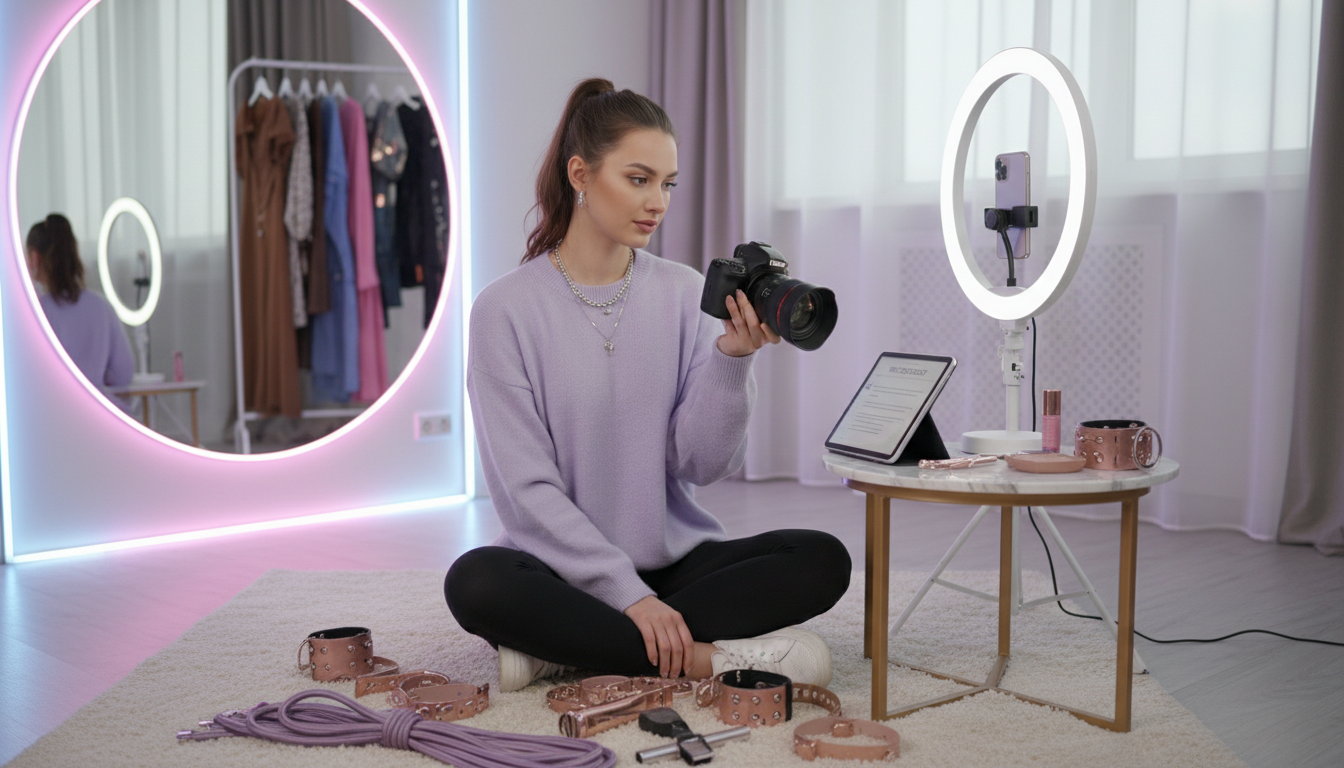
Preparing for a Bondage Photoshoot: Model Checklist
Preparing for a Bondage Photoshoot: Model Checklist
Preparing for a bondage photoshoot requires careful planning, organization, and attention to detail. Whether you're a seasoned bondage model or approaching your first rope photography session, having a comprehensive checklist ensures you arrive confident, prepared, and ready to create stunning imagery. This guide provides bondage photoshoot preparation strategies covering everything from physical readiness to communication protocols, helping you navigate the unique requirements of bondage photo prep with professionalism and safety.
Prerequisites for Bondage Photoshoot Success
Before diving into bondage shoot preparation, ensure you've completed these foundational steps:
- Verified the photographer's portfolio and reputation through references or online reviews
- Signed a model release form and discussed usage rights for all images
- Established clear boundaries regarding rope styles, positions, and exposure levels
- Confirmed shoot location, duration, and whether a chaperone is permitted
- Discussed compensation terms, whether paid work or time-for-prints arrangement
Physical Preparation and Body Care
72 Hours Before the Shoot
Your bondage photoshoot preparation timeline should begin three days prior. Avoid new skincare products that might cause reactions, and refrain from excessive sun exposure that could create tan lines or burns. Stay well-hydrated to maintain skin elasticity, which is particularly important when rope or restraints will be applied.
24 Hours Before
Consider these photoshoot preparation tips for the day before:
- Get adequate sleep (7-9 hours) to ensure you look refreshed and have sustained energy
- Avoid alcohol and excessive salt intake that can cause bloating or puffiness
- Shave or groom according to your preferences and the shoot requirements
- Moisturize your entire body, paying special attention to areas where rope will contact skin
- Trim and clean fingernails and toenails unless specific aesthetic requires otherwise
- Avoid heavy meals that might cause discomfort when bound in various positions
Essential Items: What to Bring Photoshoot
Personal Care and Comfort Items
- Hygiene essentials: Deodorant, wet wipes, breath mints, feminine products
- Skincare: Fragrance-free lotion, arnica gel for potential bruising, sunscreen if shooting outdoors
- Hydration: Water bottle to stay hydrated between sets
- Snacks: Light, non-messy options like nuts, protein bars, or fruit
- Personal medications: Any prescription items you might need during extended shoots
Wardrobe and Styling Considerations
- Multiple lingerie options in various colors (black, white, red are photoshoot staples)
- Comfortable robe or coverup for breaks between shots
- Extra pairs of stockings or hosiery in case of runs
- Jewelry pieces that complement bondage aesthetics
- Shoes appropriate for the concept (heels, boots, or barefoot)
- Hair ties, bobby pins, and styling products for different looks
Safety and Professional Items
- Emergency contact information written down (not just in your phone)
- Photo ID and signed contracts or agreements
- Safety scissors (EMT shears) if the photographer doesn't provide them
- Communication device fully charged with emergency contacts programmed
- Portfolio or reference images showing positions or styles you're comfortable with
Bondage Shoot Preparation Checklist Comparison
| Preparation Category | Beginner Model Priority | Experienced Model Priority | Critical Timing |
|---|---|---|---|
| Contract Review | High - Read thoroughly | Medium - Quick verification | 1 week before |
| Physical Conditioning | Medium - Basic flexibility | High - Advanced positions | Ongoing |
| Wardrobe Selection | High - Multiple options | Medium - Concept-specific | 2-3 days before |
| Mental Preparation | High - Anxiety management | Medium - Scene visualization | 24 hours before |
| Safety Equipment Check | High - Verify availability | High - Bring backups | Day of shoot |
| Skin Preparation | High - Avoid marks/bruises | High - Strategic moisturizing | 48 hours before |
Mental and Emotional Preparation
Bondage modeling requires emotional intelligence and clear communication. Before the shoot:
- Review your hard limits and be prepared to articulate them clearly
- Practice breathing exercises or meditation to stay calm during restrictive positions
- Visualize successful poses and positive outcomes to build confidence
- Prepare questions about specific rope techniques or positions planned
- Understand that you can pause or stop the shoot at any time
Day-of-Shoot Protocol
Arrival and Setup (First 30 Minutes)
- Arrive 15-20 minutes early to acclimate to the environment and reduce stress
- Tour the shooting space noting exits, bathroom location, and changing areas
- Meet all personnel present including photographers, riggers, assistants, and any other models
- Conduct final safety briefing establishing verbal and non-verbal safe signals
- Review the shot list discussing planned positions, ties, and estimated duration for each
- Warm up your body with gentle stretching to prevent muscle strain during poses
Communication During the Shoot
Effective bondage photoshoot preparation includes establishing clear communication protocols:
- Safe words/signals: Agree on yellow (slow down/adjust) and red (stop immediately) signals
- Non-verbal cues: Since gags may be used, establish hand signals or eye contact methods
- Check-in frequency: Request regular circulation and comfort checks, especially in suspension work
- Feedback loop: Communicate sensations honestly - numbness, tingling, or discomfort should be reported immediately
Common Challenges and Solutions
Rope Marks and Bruising
Challenge: Visible rope marks or bruising that affect subsequent bookings.
Solution: Request the photographer use softer rope materials, ensure adequate padding under pressure points, and schedule bondage shoots with several days between other modeling work. Apply arnica gel immediately after the shoot to minimize bruising.
Physical Discomfort in Extended Poses
Challenge: Muscle fatigue, cramping, or circulation issues during long ties.
Solution: Communicate discomfort immediately using agreed-upon signals. Take regular breaks between shots. Practice flexibility exercises in the weeks leading up to the shoot to build endurance.
Anxiety or Panic During Restrictive Positions
Challenge: Feeling claustrophobic or panicked when movement is restricted.
Solution: Start with lighter restraints and work up to more restrictive positions. Use breathing techniques and maintain eye contact with the photographer or rigger. Never hesitate to use your safe word if needed.
Unexpected Wardrobe or Prop Issues
Challenge: Clothing tears, props malfunction, or aesthetic elements don't work as planned.
Solution: Always bring backup wardrobe options and be flexible with creative adjustments. Professional photographers will have contingency plans.
Post-Shoot Care and Follow-Up
After completing your bondage photoshoot:
- Gently massage areas where rope was applied to restore full circulation
- Hydrate thoroughly and eat a balanced meal to replenish energy
- Document any concerns or injuries immediately with photos and notes
- Apply arnica gel or ice to any areas showing bruising or swelling
- Follow up within 24-48 hours to discuss image selection and release timeline
- Provide feedback to help improve future collaborations
Frequently Asked Questions
Q: How long before a bondage photoshoot should I avoid activities that might leave marks on my skin?
A: Avoid activities that could cause bruising, scratches, or marks for at least 48-72 hours before your shoot. This includes intense workouts, contact sports, or other bondage sessions. For important shoots, some models extend this to one week. Remember to communicate with your photographer about any existing marks that might affect the aesthetic.
Q: What should I eat on the day of a bondage photoshoot?
A: Eat light, easily digestible meals 2-3 hours before the shoot. Avoid foods that cause bloating (beans, carbonated drinks, excessive dairy) or drowsiness (heavy carbohydrates). Good options include lean proteins, fruits, vegetables, and whole grains. Bring light snacks like nuts or protein bars for energy between sets, and stay consistently hydrated with water.
Q: Is it appropriate to bring a chaperone or support person to a bondage photoshoot?
A: Yes, bringing a trusted chaperone is completely appropriate and often encouraged, especially for newer models or when working with unfamiliar photographers. Discuss this in advance during your bondage shoot preparation conversations. Professional photographers understand and respect this safety measure. Your chaperone should remain respectful of the creative process while ensuring your wellbeing.
Q: What if I need to use the bathroom during a tied position?
A: Always communicate this need immediately. Professional riggers and photographers understand bodily functions and will release you without hesitation. Never try to "hold it" as this can cause discomfort and distraction. Plan bathroom breaks into the shoot schedule, especially before entering suspension work or complex ties that take time to construct.
Q: How should I prepare if this is my first bondage photoshoot?
A: Start with extensive research by reviewing the photographer's previous work and discussing your comfort levels honestly. Practice basic bondage positions at home (safely) to understand your flexibility limits. Begin with simpler ties rather than advanced suspension work. Bring comprehensive notes about your boundaries and questions. Consider scheduling a shorter session (2-3 hours) for your first experience rather than a full-day shoot.
Conclusion and Next Steps
Thorough bondage photoshoot preparation transforms potentially stressful experiences into professional, creative collaborations. By following this photoshoot checklist, you'll arrive confident, equipped, and ready to create compelling imagery while maintaining your safety and comfort. Remember that preparation extends beyond physical items—mental readiness, clear communication, and established boundaries are equally critical components.
As your next steps, create a personalized checklist based on this guide, schedule a pre-shoot consultation with your photographer to discuss specific requirements, and begin your physical preparation timeline. Consider connecting with experienced bondage models for mentorship and additional photoshoot preparation tips. Most importantly, approach each shoot with professionalism, clear communication, and respect for both the art form and your personal boundaries. With proper preparation, bondage photography becomes an empowering expression of artistic collaboration and trust.