
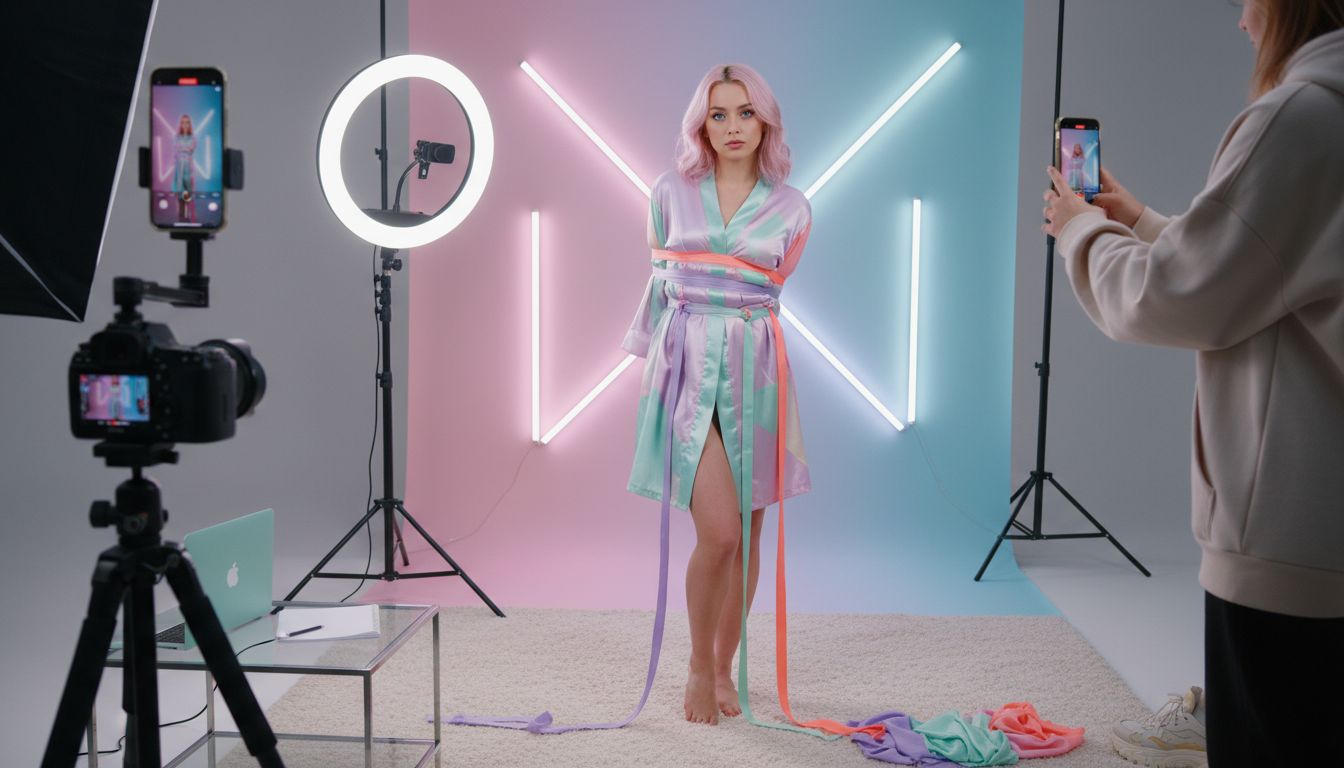
Creative Bondage Photo Shoot Ideas
Creative Bondage Photo Shoot Ideas: A Professional Guide to Artistic Rope Photography
Bondage photography combines artistic expression, technical skill, and collaborative trust to create stunning visual narratives. Whether you're a photographer looking to expand your portfolio, a model exploring rope art, or a couple documenting your practice, developing strong bondage photography concepts requires careful planning and creativity. This comprehensive guide presents practical bondage photo shoot ideas that balance aesthetic beauty with safety considerations, helping you execute professional sessions that showcase the intricate artistry of rope work and human form.
Prerequisites for Bondage Photography Sessions
Before diving into creative concepts, ensure you have the following foundations in place:
- Technical Photography Skills: Understanding of exposure, lighting, and composition
- Rope Safety Knowledge: Familiarity with safe tie points, nerve pathways, and emergency release procedures
- Communication Protocols: Established safe words and check-in systems
- Legal Documentation: Model releases and consent forms signed before shooting
- Emergency Equipment: Safety shears easily accessible throughout the session
- Adequate Time: Plan 2-4 hours minimum for bondage shoots to avoid rushing ties or compromising safety
Essential Equipment and Setup Considerations
Successful bondage shoot themes require thoughtful equipment selection and spatial planning. Your setup directly impacts both the creative possibilities and the comfort of your model.
Photography and Lighting Gear
- Professional camera with manual controls (DSLR or mirrorless)
- Prime lenses (50mm, 85mm) for intimate detail shots
- Wide-angle lens (24mm or 35mm) for environmental portraits
- Multiple light sources (softboxes, LED panels, or natural light modifiers)
- Reflectors and flags for light shaping
- Backdrop options (seamless paper, fabric, or textured walls)
Bondage-Specific Equipment
- Quality rope in various materials (jute, hemp, cotton) and colors
- Suspension hardware if applicable (rigging points, carabiners, safety-rated equipment)
- Comfortable padding for floor work
- Props that complement your chosen theme
- Blankets or robes for model comfort between shots
Creative Bondage Photo Shoot Concepts by Style
1. Classical Shibari Documentation
Capture traditional Japanese rope bondage in its purest form, emphasizing rope patterns, symmetry, and the meditative quality of the tying process. Use natural light from large windows or soft, diffused artificial lighting to highlight rope textures and skin tones. Focus on capturing the geometric beauty of ties like the takate kote (box tie) or the intricate diamond patterns of kikkou (tortoise shell) designs.
Photography Approach:
- Shoot against minimal backgrounds (white, black, or neutral gray)
- Focus on the rope work itself with tight framing
- Document the tying process in sequence for educational portfolios
- Use shallow depth of field to isolate rope patterns
2. Fashion-Forward Editorial Style
Blend bondage aesthetics with high-fashion photography by incorporating rope work into styled editorial shoots. This approach treats rope as an accessory or garment element, creating images suitable for alternative fashion publications.
Key Elements:
- Combine rope with designer clothing, leather, latex, or avant-garde fashion
- Use bold, dramatic lighting with high contrast
- Incorporate makeup artistry and styled hair
- Experiment with color gels and creative lighting effects
- Shoot in urban environments or architectural spaces
3. Natural Environment Integration
Take bondage photography outdoors to create organic, earthy images that contrast rope geometry with natural landscapes. Forest settings, abandoned buildings, or beach locations provide compelling backdrops.
Safety Note: Always scout locations in advance, ensure privacy, maintain awareness of environmental hazards, and have a safety plan for outdoor sessions.
4. Film Noir and Vintage Aesthetics
Create dramatic, story-driven images inspired by classic cinema, vintage pin-up photography, or period-specific styling. This theme works exceptionally well with black-and-white conversion or sepia toning.
Technical Specifications:
- Use hard, directional lighting to create strong shadows
- Incorporate vintage props (furniture, telephones, cameras)
- Choose period-appropriate wardrobe and hairstyling
- Apply grain and vignetting in post-processing for authentic vintage feel
5. Minimalist Art Photography
Focus on form, shadow, and negative space to create museum-quality fine art images. This approach emphasizes the sculptural qualities of the bound human form.
Composition Guidelines:
- Use high-key or low-key lighting exclusively
- Frame tightly on specific body parts and rope interactions
- Eliminate distracting elements from the background
- Consider abstract compositions that prioritize shape over literal representation
Bondage Photography Lighting Techniques Comparison
| Lighting Setup | Best For | Technical Difficulty | Mood Created | Equipment Needed |
|---|---|---|---|---|
| Natural Window Light | Soft, romantic images | Beginner | Intimate, gentle | Reflector, diffusion fabric |
| Single Softbox | Classic beauty lighting | Beginner | Professional, clean | One softbox, fill card |
| Rembrandt Lighting | Dramatic portraits | Intermediate | Mysterious, artistic | Two lights, flags |
| High-Key Setup | Fashion editorial | Intermediate | Energetic, modern | Multiple lights, white backdrop |
| Low-Key Single Source | Film noir aesthetic | Intermediate | Dramatic, intense | One focused light, black backdrop |
| Colored Gel Lighting | Experimental, edgy | Advanced | Surreal, contemporary | Multiple lights, gel filters |
| Natural Outdoor Light | Organic, environmental | Advanced | Natural, candid | Reflectors, time planning |
Step-by-Step Process for Planning a Bondage Photography Session
-
Conceptualization Meeting: Discuss ideas, boundaries, and desired outcomes with all participants at least one week before the shoot
-
Create Mood Boards: Compile reference images that illustrate lighting, poses, rope styles, and overall aesthetic direction
-
Technical Preparation: Test lighting setups, prepare equipment, and practice any new rope ties without the pressure of the actual shoot
-
Location Setup: Arrive early to set up lighting, test exposures, and ensure the environment is comfortable and safe
-
Pre-Shoot Check-In: Review consent, safe words, and physical condition of the model; discuss any last-minute concerns
-
Warm-Up Shots: Begin with simpler ties and clothed or partially clothed shots to help everyone settle into the session
-
Execute Primary Concepts: Work through your planned shots, checking in regularly with the model about comfort and circulation
-
Capture Detail Shots: Focus on close-ups of rope work, hands, specific body parts, and texture interactions
-
Cool-Down and Aftercare: Allow time for gentle untying, provide water and snacks, and ensure the model feels grounded before departing
-
Post-Processing Plan: Discuss image selection, editing style preferences, and usage rights before final delivery
Posing Strategies for Bondage Photography
Effective posing in bondage photography differs from traditional portraiture because the rope work itself constrains movement and creates form. Work with these constraints rather than against them.
Ground-Based Poses
- Seated positions: Emphasize rope chest harnesses and arm bindings
- Kneeling variations: Create vulnerability and elegance
- Floor work: Explore horizontal compositions with dramatic angles
- Partial suspension: Use floor contact points while incorporating elevation elements
Standing and Vertical Compositions
- Against walls: Use architectural elements to support bound models
- Framing within doorways: Create natural vignettes
- Partial weight-bearing: Combine standing poses with subtle rope tension
- Mirror reflections: Add depth and multiple perspectives
Common Challenges and Solutions in Bondage Photography
Challenge: Rope appears washed out or lacks definition in photos
Solution: Increase contrast through lighting adjustments or choose darker rope colors. Apply targeted sharpening and clarity adjustments in post-processing to emphasize rope texture.
Challenge: Model discomfort limits available shooting time
Solution: Plan simpler ties first, schedule regular breaks every 15-20 minutes, and have transitional poses ready that allow partial release while maintaining visual interest.
Challenge: Privacy concerns when shooting in home or studio
Solution: Use window coverings, schedule sessions during low-traffic times, and consider backdrop placement that obscures identifying environmental features.
Challenge: Harsh shadows from rope create unflattering lines on skin
Solution: Use larger, softer light sources positioned further from the subject, or employ multiple fill lights to reduce shadow intensity while maintaining dimension.
Challenge: Difficulty balancing artistic vision with model limitations
Solution: Maintain open communication throughout planning and execution. Be prepared with alternative concepts that accommodate physical restrictions or comfort boundaries.
Color Theory and Rope Selection for Visual Impact
The relationship between rope color, skin tone, and background creates the foundation of your image's visual appeal. Consider these combinations for different bondage shoot themes:
- Natural jute on pale skin with white background: Creates high-key, minimalist aesthetic
- Black rope on any skin tone with dark background: Produces dramatic, high-contrast images
- Red rope on neutral backgrounds: Adds passion and energy to compositions
- Colored rope matching wardrobe elements: Creates cohesive fashion-forward images
- Undyed natural fibers in outdoor settings: Enhances organic, earthy concepts
Building Your Bondage Photography Portfolio
A strong portfolio demonstrates both technical proficiency and creative range. Include diverse examples that showcase different bondage photography concepts:
- Technical demonstrations: Clean, well-lit images showing rope work clearly
- Artistic interpretations: Creative compositions that push boundaries
- Environmental work: Location diversity (studio, outdoor, architectural)
- Lighting variety: Examples of different lighting setups and moods
- Detail work: Close-up shots highlighting texture and craftsmanship
- Series work: Connected images that tell a story or show progression
Frequently Asked Questions
Q: How long should a bondage photography session typically last?
A: Plan for 2-4 hours minimum for a productive bondage photo shoot. This allows adequate time for setup, multiple tie configurations, regular safety checks, and breaks for the model. Complex suspension work may require even more time. Never rush bondage sessions to meet photography deadlines, as this compromises safety.
Q: What's the best way to learn rope tying skills for photography purposes?
A: Take formal workshops from experienced rope instructors who emphasize safety. Many cities have regular rope bondage classes focused on artistic shibari. Online resources like video tutorials can supplement hands-on learning, but initial instruction should be in-person. Practice extensively on willing partners before incorporating rope work into professional photography sessions.
Q: How do I find models interested in bondage photography?
A: Network within the kink and alternative modeling communities through FetLife, Model Mayhem (alternative section), or local rope bondage groups. Attend rope events, workshops, and munches to meet potential collaborators. Always approach professionally, clearly communicate your artistic vision, discuss compensation, and respect boundaries. Building a reputation for safety and professionalism leads to referrals.
Q: What legal considerations should I address before a bondage photography shoot?
A: Obtain signed model releases that specifically address the nature of the images, including language about bondage content. Discuss usage rights, distribution limitations, and privacy expectations. Verify the model is of legal age with government-issued identification. Keep detailed records of all consent documentation. Consider consulting with an attorney experienced in adult content to ensure your contracts are comprehensive.
Q: How can I make my bondage photography stand out from others in the field?
A: Develop a signature style through consistent aesthetic choices (lighting approach, color palette, or composition philosophy). Focus on a specific niche within bondage photography, such as traditional shibari documentation, fashion-editorial hybrids, or fine art interpretations. Invest in technical excellence, maintain ethical practices, and collaborate with skilled rope artists who share your creative vision. Your unique perspective combined with technical mastery creates distinctive work.
Conclusion and Next Steps
Successful bondage photography blends technical skill, creative vision, and ethical practice into compelling visual narratives. Start by mastering fundamental photography techniques and rope safety protocols before attempting complex bondage shoot themes. Begin with simpler concepts and gradually expand your repertoire as your skills develop.
Your next steps should include: attending rope bondage workshops to improve tying skills, studying the work of established bondage photographers for inspiration, building relationships with experienced models who understand the unique demands of rope photography, and consistently practicing both your photography and rope techniques. Document your journey, learn from each session, and always prioritize safety and consent above capturing the perfect image. With dedication and ethical practice, you'll develop a distinctive portfolio that showcases bondage as the sophisticated art form it truly is.