
Caring for Bondage Gear: Cleaning and Storage Tips
Caring for Bondage Gear: Cleaning and Storage Tips
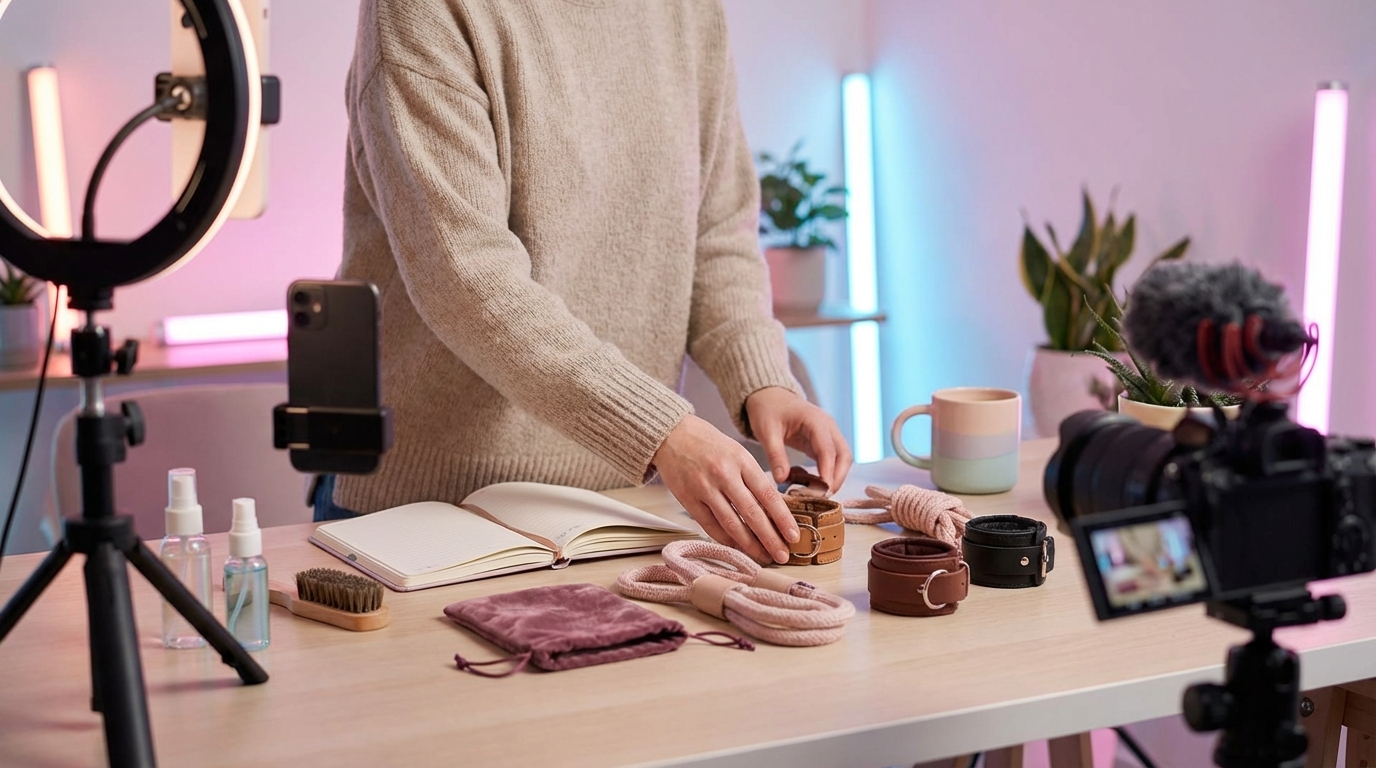
Proper maintenance of bondage equipment is essential for both safety and longevity. Whether you're a professional bondage model, photographer, or enthusiast, learning the correct methods for cleaning bondage gear and storing restraints will protect your investment, prevent material degradation, and ensure hygienic practices during sessions. This comprehensive guide covers everything from basic cleaning protocols to advanced storage solutions, helping you maintain your equipment in pristine condition for years to come.
Prerequisites
Before diving into specific care instructions, gather these essential supplies:
- pH-neutral soap or specialized toy cleaner
- Microfiber cloths (lint-free)
- Leather conditioner (for leather items)
- Silicone-safe lubricant (for maintenance)
- Storage bags or containers
- Isopropyl alcohol (70% concentration)
- Soft-bristled brush
- Distilled water (for sensitive materials)
Material-Specific Cleaning Guidelines
Leather Bondage Gear
Leather requires special attention to maintain its suppleness and durability. After each use, wipe down leather cuffs, collars, and harnesses with a slightly damp cloth to remove body oils and sweat. For deeper cleaning bondage gear made from leather, use a leather-specific cleaner applied with a soft cloth in circular motions. Allow the item to air dry completely away from direct heat sources, then apply a quality leather conditioner to prevent cracking and maintain flexibility.
Rope and Textile Restraints
Natural fiber ropes like jute and hemp need gentle hand washing in cool water with mild soap. Synthetic ropes (nylon, polyester) can typically handle machine washing on a delicate cycle inside a mesh laundry bag. Always check manufacturer specifications before washing. After cleaning, hang ropes to dry naturally, avoiding direct sunlight which can weaken fibers over time.
Metal Restraints and Hardware
Stainless steel chains, handcuffs, and spreader bars are among the easiest items to sanitize. Wash with warm soapy water, then disinfect with isopropyl alcohol. Dry thoroughly to prevent rust on lower-grade metals. Apply a light coating of food-safe mineral oil to moving parts like locks and hinges to ensure smooth operation.
Silicone and Rubber Products
Silicone restraints offer excellent durability and easy cleaning. Wash with antibacterial soap and warm water, or use a 10% bleach solution for thorough disinfection (rinse extensively afterward). Rubber items require similar care but should never be exposed to silicone-based lubricants, which can cause material degradation.
Cleaning Frequency Comparison
| Material Type | After Each Use | Deep Clean Frequency | Special Considerations |
|---|---|---|---|
| Leather | Light wipe-down | Every 5-10 uses | Condition quarterly |
| Natural Rope | Spot clean | Every 3-5 uses | Air out between sessions |
| Synthetic Rope | Quick rinse | Every 10 uses | Machine washable |
| Metal | Full wash | Every use | Check for rust spots |
| Silicone/Rubber | Complete wash | Every use | Boilable (some items) |
| PVC/Vinyl | Wipe with disinfectant | Every 2-3 uses | Avoid harsh chemicals |
Step-by-Step Deep Cleaning Process
Follow this systematic approach when performing thorough maintenance on your bondage gear:
- Inspect the item for damage, wear, or weak points that could compromise safety during use
- Remove surface debris by gently brushing or wiping with a dry cloth
- Apply appropriate cleaning solution based on material type, using lukewarm water
- Clean all surfaces thoroughly, paying special attention to buckles, D-rings, and connection points
- Rinse completely to remove all soap residue, which can irritate skin or degrade materials
- Dry properly using air-drying methods; never use high heat from dryers or radiators
- Condition or treat materials as needed (leather conditioning, rope oiling, metal lubrication)
- Perform final inspection to ensure the item is ready for safe storage or use
Optimal Storage Solutions
Proper storage is just as crucial as cleaning for maintaining your bondage equipment. When storing restraints, consider these best practices:
- Temperature control: Keep gear in a cool, dry environment between 60-75°F (15-24°C)
- Humidity management: Use silica gel packets in storage containers to prevent moisture buildup
- Light protection: Store items away from direct sunlight to prevent fading and material weakening
- Separation: Keep different materials apart to prevent chemical reactions (e.g., latex away from leather)
- Organization: Label storage containers for easy identification and inventory management
Storage Methods by Item Type
Ropes: Coil loosely and hang on pegs, or store in breathable cotton bags. Never compress tightly or store while damp.
Leather Items: Hang when possible to maintain shape. If storing flat, use acid-free tissue paper between layers. Avoid plastic bags which trap moisture.
Metal Restraints: Store in padded cases or wrap in soft cloth to prevent scratching. Keep locks and keys together.
Impact Toys: Hang floggers and whips to prevent handle warping and keep falls properly aligned.
Common Challenges and Solutions
Odor Retention
Problem: Leather or rope develops persistent unpleasant smells despite cleaning.
Solution: For leather, use a specialized leather deodorizer or leave in fresh air for 24-48 hours. For ropes, try a vinegar soak (1 part vinegar to 4 parts water), followed by thorough rinsing and drying.
Material Stiffness
Problem: Leather becomes hard or rope loses flexibility.
Solution: Regular conditioning prevents this issue. For leather that's already stiff, apply conditioner and gently work the material by hand. For rope, apply a small amount of jojoba oil and work through the fibers.
Rust or Corrosion
Problem: Metal components show signs of oxidation.
Solution: Remove light rust with fine steel wool and white vinegar. For prevention, always dry metal thoroughly and apply protective oil before storage. Replace heavily corroded items for safety.
Discoloration
Problem: Materials change color or develop stains.
Solution: Address stains immediately after use. For stubborn stains on silicone, try a paste of baking soda and water. Test any cleaning method on an inconspicuous area first.
Creating a Maintenance Schedule
Establish a regular maintenance routine to keep your collection in optimal condition:
- After every session: Quick clean and inspection
- Weekly (for frequently used items): Detailed cleaning and conditioning check
- Monthly: Inventory review and deep cleaning rotation
- Quarterly: Comprehensive collection assessment, replacing worn items
- Annually: Complete gear audit and storage system evaluation
Professional Tips for Extended Gear Lifespan
- Rotate your equipment regularly to distribute wear evenly across your collection
- Keep a maintenance log noting cleaning dates and any repairs needed
- Invest in quality items initially; they withstand cleaning better and last longer
- Never share gear between partners without thorough sanitization
- Consider having dedicated sets for photography versus actual bondage sessions
- Build relationships with specialized retailers who can advise on material-specific care
Frequently Asked Questions
How often should I replace bondage gear?
The replacement timeline depends on usage frequency and material type. Inspect gear before each use for signs of wear like fraying, cracking, or weakened stitching. Leather items with proper care can last 5-10 years, while ropes typically need replacement every 1-3 years with regular use. Metal restraints can last indefinitely if properly maintained, but replace immediately if you notice structural damage, rust that won't clean off, or compromised locking mechanisms.
Can I use household disinfectants on all bondage equipment?
No, different materials require specific cleaning approaches. While metal and non-porous materials like silicone can handle stronger disinfectants (isopropyl alcohol, diluted bleach), leather and natural fibers can be damaged by harsh chemicals. Always use pH-neutral cleaners for leather and delicate materials. When storing restraints, ensure all cleaning products are completely rinsed off to prevent skin irritation during future use.
What's the best way to store bondage gear discreetly?
Consider lockable storage chests, under-bed storage containers with dividers, or dedicated closet systems with opaque bins. Many manufacturers create storage solutions that look like regular furniture. Use vacuum-sealed bags for soft items like rope (though open periodically for air circulation), and install pegboard systems inside closets for efficient organization. Label containers with generic terms if discretion is important.
Is it safe to share bondage gear between partners?
Sharing gear requires meticulous cleaning bondage gear between uses. Non-porous materials (metal, silicone, sealed wood) can be thoroughly disinfected and safely shared. Porous materials like rope, unsealed leather, or fabric restraints are difficult to completely sanitize and ideally should not be shared, or should be designated for fluid-bonded partners only. When in doubt, use barrier methods like condoms over toys or assign individual equipment to each partner.
How do I know if my bondage gear is truly clean?
Clean gear should have no visible residue, smell neutral (or like the natural material), and feel free of oils or stickiness. For metal items, check that all surfaces shine uniformly without spotting. Leather should feel supple, not sticky or stiff. Ropes should move freely without clumping. If you're uncertain about sanitation, especially for porous materials, consider replacing the item or consulting with experienced practitioners or manufacturers about proper cleaning protocols for that specific product.
Conclusion
Maintaining your bondage equipment through proper cleaning and storage practices ensures safety, hygiene, and longevity. By implementing the material-specific care techniques outlined in this guide, establishing a regular maintenance schedule, and addressing issues promptly, you'll protect your investment while ensuring every session remains safe and enjoyable. Start by organizing your current collection, assessing what needs immediate attention, and creating a sustainable care routine. Remember that quality gear maintenance is an ongoing commitment that directly impacts both the aesthetic appeal and functional safety of your equipment. For your next steps, consider creating an inventory spreadsheet of your collection with purchase dates and maintenance records, investing in proper storage solutions, and setting calendar reminders for regular deep cleaning sessions.