
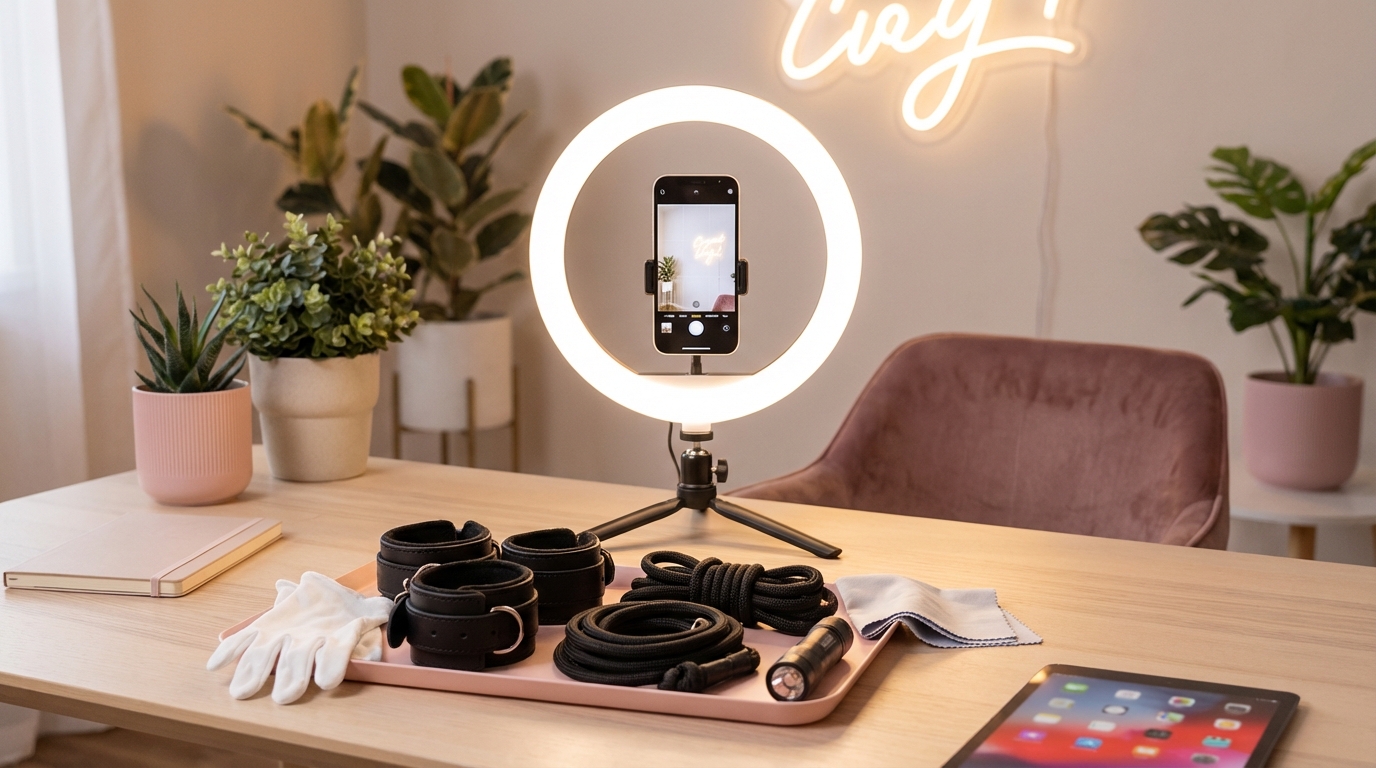
Bondage Equipment Safety: Inspection and Care
Bondage Equipment Safety: Inspection and Care
Proper maintenance and regular inspection of bondage equipment is essential for preventing injuries, extending the life of your gear, and ensuring safe sessions. Whether you're a professional bondage model, photographer, or enthusiast, understanding equipment care protocols protects both practitioners and models. This comprehensive guide covers everything from daily safety checks to long-term storage solutions, helping you maintain professional standards while minimizing risks. By implementing structured maintenance tips and developing consistent inspection routines, you'll create a safer environment for all participants in bondage modeling work.
Prerequisites
Before diving into equipment maintenance protocols, ensure you have:
- A dedicated storage space with controlled temperature and humidity
- Basic cleaning supplies appropriate for different materials (leather cleaner, metal polish, mild soap)
- A logbook or digital system for tracking equipment age and condition
- Adequate lighting for thorough equipment inspection
- Understanding of the materials used in your specific gear collection
Understanding Equipment Lifecycle and Risk Factors
All bondage equipment has a finite lifespan that varies based on material composition, frequency of use, and storage conditions. Rope degrades through fiber breakdown, leather dries and cracks, metal components corrode, and hardware weakens under repeated stress. Professional riggers and studios typically replace equipment on scheduled intervals regardless of visible wear, while individual practitioners must develop keen observation skills to identify when gear care is insufficient and replacement becomes necessary.
Material-Specific Degradation Patterns
Different materials require distinct approaches to equipment storage and maintenance. Natural fiber ropes like jute and hemp are particularly susceptible to moisture damage and mildew, while synthetic ropes resist water but may develop heat damage from friction. Leather equipment needs regular conditioning to prevent cracking, and metal hardware requires inspection for stress fractures that may not be visible to the naked eye. Understanding these patterns allows you to implement appropriate safety checks for each item in your collection.
Daily Pre-Session Equipment Inspection Protocol
Before every bondage modeling session, conduct a systematic equipment inspection following these critical steps:
-
Visual Surface Examination - Inspect all equipment under bright lighting for obvious damage, including fraying, cracks, discoloration, or deformation that indicates structural compromise.
-
Tactile Integrity Assessment - Run your hands along the entire length of ropes, straps, and restraints, feeling for weak spots, rough patches, or inconsistencies in texture that visual inspection might miss.
-
Hardware Function Testing - Open and close all buckles, carabiners, clips, and locks multiple times, checking for smooth operation, proper spring tension, and secure locking mechanisms.
-
Load-Bearing Verification - For suspension equipment, test anchor points and hardware with gradually increasing pressure before applying full body weight, never exceeding rated capacity.
-
Smell Test for Material Degradation - Unusual odors often indicate mold, mildew, or chemical breakdown in materials, particularly important for equipment storage areas with humidity concerns.
-
Measurement Consistency Check - Verify that adjustable equipment maintains proper sizing and that stretching hasn't compromised safety margins.
-
Quick-Release Mechanism Testing - Ensure all safety releases function smoothly under tension, as these are critical safety features during emergencies.
Equipment Maintenance Schedule Comparison
| Equipment Type | After Each Use | Weekly Maintenance | Monthly Deep Care | Replacement Timeline |
|---|---|---|---|---|
| Natural Fiber Rope | Visual check, shake out debris | Conditioning treatment | Wash and re-treat | 6-12 months (heavy use) |
| Synthetic Rope | Inspect for glazing | Check for melting/fraying | Gentle wash if needed | 12-24 months |
| Leather Restraints | Wipe down, check stitching | Apply leather conditioner | Deep clean and condition | 2-3 years |
| Metal Hardware | Check for rust, function test | Clean and lubricate | Stress test and polish | 3-5 years or as needed |
| Suspension Points | Visual and tactile check | Load test at low weight | Professional inspection | Annual certification |
| Fabric Restraints | Check seams and webbing | Machine wash (if rated) | Inspect for wear patterns | 1-2 years |
Essential Maintenance Tips for Extended Equipment Life
Implementing proper gear care practices significantly extends equipment lifespan while maintaining safety standards:
- Temperature Control: Store all equipment in climate-controlled environments between 60-75°F, avoiding attics, basements, or vehicles where temperature extremes accelerate degradation
- Moisture Management: Use silica gel packets or dehumidifiers in storage areas, keeping humidity below 50% to prevent mold and metal corrosion
- UV Protection: Keep equipment away from direct sunlight, which breaks down fibers and fades leather, compromising structural integrity
- Proper Coiling Techniques: Store rope using proper coiling methods that avoid kinks and stress points, preventing permanent deformation
- Separation by Material: Store different material types separately to prevent chemical interactions and cross-contamination
- Weight Distribution: Hang leather items properly or lay flat to avoid permanent creasing that weakens material at fold points
- Documentation System: Maintain records of purchase dates, usage frequency, and any repairs to inform replacement decisions
Deep Cleaning and Conditioning Procedures
Rope Care Protocol
Natural fiber ropes require the most intensive maintenance routine. After thorough equipment inspection, hand-wash jute and hemp ropes in lukewarm water with minimal soap, rinse completely, and hang to dry away from direct heat. Once dry, condition with specialized rope oil or jojoba oil, working it through the fibers. Never machine dry natural fiber rope, as heat causes shrinkage and brittleness. Synthetic ropes tolerate machine washing on gentle cycles but should air dry to prevent heat damage.
Leather Equipment Restoration
Leather bondage gear demands regular conditioning to maintain flexibility and strength. Clean leather restraints with specialized leather cleaner, removing sweat, oils, and debris that break down the material. Apply leather conditioner while slightly damp, working it into the material thoroughly. Pay special attention to stress points around buckles and D-rings where cracking typically begins. Allow treated leather to cure for 24 hours before use, ensuring proper absorption.
Metal Hardware Maintenance
Metal components require different care based on composition. Stainless steel needs minimal maintenance beyond cleaning and occasional lubrication of moving parts. Examine carabiners and clips for gate tension, ensuring they close completely and lock securely. Check welds and stress points for hairline cracks using magnification if available. Apply food-safe lubricant to moving parts, avoiding petroleum-based products that may cause skin irritation. Replace any hardware showing signs of deformation, as metallurgical failure can occur suddenly under load.
Storage Solutions for Professional Standards
Proper equipment storage is fundamental to gear care and safety. Dedicate specific storage solutions to different equipment types:
- Individual bags or containers for each rope bundle, preventing tangling and allowing air circulation
- Padded hangers for leather harnesses and heavy items
- Sealed containers with moisture control for metal hardware
- Labeled organization systems for quick inventory and rotation
- Separate quarantine area for equipment needing repair or retirement
- Climate monitoring devices to track storage conditions
Common Equipment Challenges and Solutions
Problem: Rope Becoming Stiff or Brittle
Solution: This typically indicates insufficient conditioning or exposure to excessive heat. Recondition the rope with appropriate oils, working the material to restore flexibility. If brittleness persists, especially in natural fibers, the rope has likely exceeded its safe lifespan and requires replacement. Prevention involves regular conditioning and proper equipment storage away from heat sources.
Problem: Leather Cracking at Stress Points
Solution: Early-stage cracking can sometimes be addressed through intensive conditioning, but cracks represent permanent structural damage. Apply leather repair compound for cosmetic improvement, but treat cracked equipment as compromised. Increase conditioning frequency for remaining leather items and consider this a warning sign that other pieces of similar age may need replacement. Implement more frequent safety checks on older leather equipment.
Problem: Metal Hardware Showing Surface Rust
Solution: Surface rust on non-critical areas can be removed with fine steel wool and rust remover, followed by protective coating. However, rust on load-bearing components or inside moving mechanisms indicates the hardware should be retired. Improve equipment storage conditions by reducing humidity and ensuring complete drying after cleaning. Consider switching to marine-grade stainless steel for humid environments.
Problem: Inconsistent Equipment Performance
Solution: When equipment behaves unpredictably—buckles that stick intermittently, ropes that feel different day-to-day, or quick-releases that don't respond consistently—the issue often stems from inadequate maintenance tips implementation or environmental factors. Establish a more rigorous inspection routine, tracking environmental conditions in storage areas. Clean and test equipment more frequently, and consider replacing items that don't perform predictably, as reliability is paramount for safety.
Professional Inspection Services
For suspension equipment, professional rigging, and critical safety hardware, annual professional inspection provides an additional safety layer. Certified riggers can perform load testing, identify wear patterns you might miss, and certify equipment for continued use. Professional studios typically require documentation of these inspections for insurance and liability purposes. Even personal practitioners benefit from expert evaluation, particularly for suspension points and permanent installations.
Creating an Equipment Maintenance Schedule
Develop a personalized maintenance calendar based on your usage patterns and collection size. Schedule specific days for deep cleaning different equipment categories, rotate items to ensure even wear, and set reminder dates for replacement timelines. Digital calendar systems with photo documentation create accountability and historical records. Professional bondage models and studios should implement formal equipment management systems with check-in/check-out procedures and mandatory inspection before each use.
Frequently Asked Questions
Q: How often should I replace bondage rope used regularly in modeling sessions?
A: Natural fiber ropes used in frequent bondage modeling sessions should be replaced every 6-12 months, depending on intensity and frequency of use. Professional models working multiple sessions weekly may need quarterly replacement, while occasional users might extend this to 18 months with proper equipment maintenance. Always prioritize equipment inspection over arbitrary timelines—if rope shows significant fraying, loss of texture, or decreased grip, replace it immediately regardless of age. Synthetic ropes last longer, typically 12-24 months, but require the same vigilant safety checks for glazing, melting, or core damage.
Q: Can I use regular household products for equipment storage and cleaning?
A: While some household products work adequately, specialized cleaners designed for bondage equipment provide better results and safety profiles. Mild, unscented soap works for basic rope cleaning, and coconut or jojoba oil can substitute for specialized rope conditioner. However, avoid harsh detergents, fabric softeners, or petroleum-based products that may degrade materials or cause skin irritation. For leather, household conditioners lack proper pH balance and may contain chemicals that accelerate deterioration. Invest in proper maintenance products, especially for expensive or frequently-used equipment, as the cost is minimal compared to replacement expenses or injury risks.
Q: What are the most critical safety checks before a suspension bondage session?
A: Before any suspension work, conduct a comprehensive pre-session equipment inspection focusing on: (1) anchor point integrity, verifying structural soundness and proper installation with rated capacity exceeding planned loads by 10x safety margin; (2) all rope segments, checking for fraying, weak spots, or contamination that affects grip; (3) hardware function, testing carabiners, rings, and quick-releases under increasing pressure; (4) backup safety systems, ensuring redundancy for all load-bearing elements. Additionally, verify that all participants understand emergency procedures and quick-release locations. Never suspend anyone without a safety plan and equipment that has passed rigorous inspection.
Q: How should I dispose of equipment that's no longer safe to use?
A: Destroy retired bondage equipment to prevent accidental reuse or unsafe repurposing. Cut rope into short segments, render leather restraints unusable by removing hardware and cutting straps, and deform metal components if possible. Some practitioners burn natural fiber rope (in appropriate settings), while others dispose of synthetic materials according to local recycling guidelines. Never donate or sell compromised safety equipment, regardless of cosmetic appearance. Document disposal dates in your maintenance logs to track replacement patterns and inform future purchasing decisions. This practice protects others and maintains professional standards.
Q: What environmental factors most affect equipment storage and longevity?
A: Humidity represents the primary enemy of bondage equipment, promoting mold in natural fibers, rust in metals, and accelerating leather degradation. Maintain storage areas below 50% humidity using dehumidifiers or moisture-absorbing products. Temperature fluctuations cause expansion and contraction that stress materials, particularly affecting leather and rope. UV exposure breaks down all materials, fading colors and weakening structures. Store equipment in dark, climate-controlled spaces away from heating vents, windows, and damp areas. Implement monitoring systems to track conditions over time, as consistent environments dramatically extend equipment life and maintain safety standards.
Conclusion and Next Steps
Maintaining bondage equipment through systematic inspection, proper cleaning, and appropriate storage practices is fundamental to safe modeling work. By implementing the protocols outlined in this guide—including daily safety checks, material-specific maintenance tips, and organized equipment storage systems—you create a professional environment that protects all participants while extending your investment in quality gear.
Start by conducting a comprehensive inventory and equipment inspection of your current collection, retiring any questionable items immediately. Establish your maintenance schedule based on the comparison table provided, adapting frequencies to your specific usage patterns. Invest in proper storage solutions and cleaning supplies appropriate for your equipment materials. Most importantly, develop the habit of thorough pre-session inspection, never compromising on safety for convenience.
For further development of your bondage modeling practice, explore guides on rope selection, proper rigging techniques, and emergency procedures to complement your equipment maintenance knowledge. Remember that gear care represents just one component of comprehensive safety—ongoing education, clear communication, and respect for consent create truly safe bondage modeling environments.