
Bondage Cuffs vs. Restraints: What’s the Difference?
Bondage Cuffs vs. Restraints: What's the Difference?
Whether you're new to bondage modeling or an experienced practitioner looking to expand your equipment knowledge, understanding the distinctions between bondage cuffs and other restraint types is essential for safety, comfort, and artistic expression. This comprehensive guide explores the fundamental differences between various restraint options, helping you make informed decisions about which tools best suit your needs in photo shoots, performances, or personal practice. We'll examine construction materials, safety features, application methods, and practical considerations that distinguish bondage cuffs from rope, metal handcuffs, spreader bars, and other restraint equipment.
Understanding Bondage Restraints: Core Categories
Bondage restraints encompass a broad spectrum of equipment designed to restrict movement safely and consensually. The primary categories include soft restraints (cuffs, straps, and sleeves), hard restraints (metal handcuffs and rigid bars), and flexible restraints (rope, chains, and tape). Each category serves different purposes in bondage modeling and photography, with varying levels of intensity, aesthetic appeal, and safety profiles.
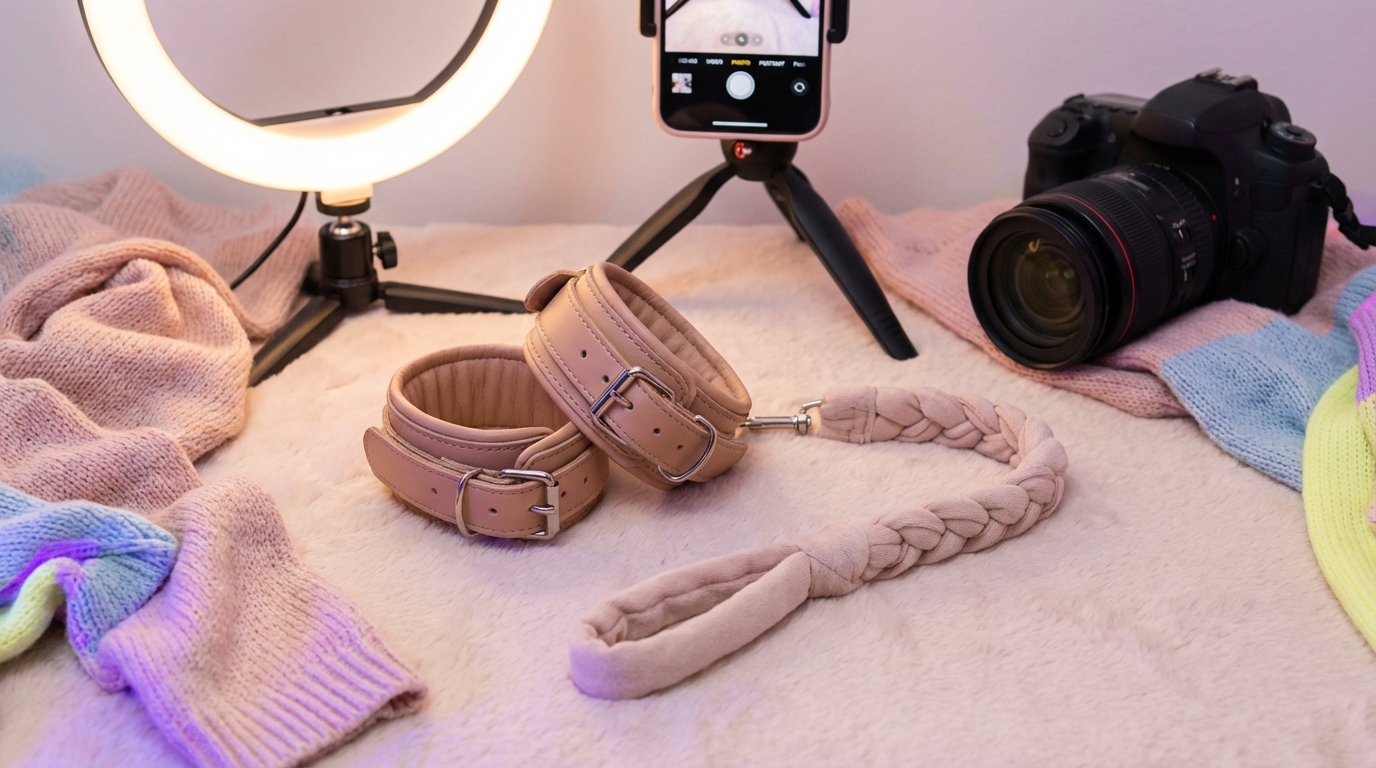
Bondage cuffs specifically refer to padded or cushioned restraints designed to encircle wrists, ankles, thighs, or other body parts while distributing pressure evenly to prevent injury. Unlike their counterparts, cuffs prioritize comfort during extended wear, making them ideal for longer photo sessions, modeling work, and training scenarios.
Bondage Cuffs: Construction and Features
Bondage cuffs represent the most user-friendly entry point into restraint play. These specialized devices feature several key design elements that distinguish them from other options:
Materials and Padding
Quality bondage cuffs typically incorporate multiple layers:
- Outer layer: Leather, faux leather, neoprene, or fabric for durability and aesthetics
- Inner padding: Foam, fleece, or plush lining to protect skin and distribute pressure
- Hardware: D-rings, O-rings, or buckles made from nickel-plated steel or stainless steel
- Fastening systems: Velcro, buckles, lockable buckles, or lacing mechanisms
The restraints comparison between leather cuffs vs rope reveals that cuffs offer consistent pressure distribution, while rope provides infinite adjustability but requires more skill to apply safely.
Width and Pressure Distribution
Cuffs range from 1.5 to 3 inches in width, with wider designs distributing force across larger surface areas. This engineering prevents the concentrated pressure points that can cause nerve compression or circulation issues during bondage modeling sessions.
Alternative Restraint Types: Detailed Analysis
Metal Handcuffs
Traditional metal handcuffs, borrowed from law enforcement contexts, create a specific aesthetic but present significant safety concerns:
- Narrow metal edges can cut into skin or damage nerves within minutes
- Limited adjustability often results in overtightening
- Risk of joint injury from rigid construction
- Require keys for removal, creating emergency release challenges
- Best suited for brief photo opportunities rather than extended sessions
Rope Bondage
Rope represents the most versatile restraint option, offering unlimited creative possibilities:
- Requires extensive training in safe tying techniques (shibari, kinbaku, western rope)
- Demands constant monitoring for circulation and nerve compression
- Material choices include jute, hemp, cotton, and synthetic fibers
- Enables complex artistic patterns and full-body suspension when properly executed
- Higher skill barrier compared to ready-made cuffs
Spreader Bars and Rigid Restraints
These devices maintain fixed distances between restraint points:
- Metal or wooden bars with attachment points at ends
- Prevent closing of legs or arms for specific positions
- Combine with cuffs for complete restraint systems
- Create distinctive visual compositions for bondage photography
Comprehensive Restraints Comparison Table
| Restraint Type | Skill Level Required | Safety Rating | Setup Time | Comfort Duration | Price Range | Best For | |---|---|---|---|---|---| | Padded Bondage Cuffs | Beginner | High | 30 seconds | 2-4 hours | $20-$80 | Extended sessions, beginners, modeling | | Leather Cuffs (Unpadded) | Beginner-Intermediate | Medium-High | 1 minute | 1-2 hours | $30-$150 | Aesthetic shoots, experienced users | | Metal Handcuffs | Intermediate | Low-Medium | 15 seconds | 15-30 minutes | $15-$50 | Brief photos, fantasy scenarios | | Rope Restraints | Advanced | Medium | 5-20 minutes | 30-90 minutes | $10-$40 | Artistic photography, experienced practitioners | | Velcro Cuffs | Beginner | High | 20 seconds | 1-3 hours | $15-$40 | Quick release needs, sensitive skin | | Spreader Bars | Intermediate | High | 2-3 minutes | 1-2 hours | $40-$200 | Position control, photo composition |
Choosing the Right Restraint: Step-by-Step Decision Process
-
Assess your experience level: Beginners should start with padded bondage cuffs that feature quick-release mechanisms, while experienced practitioners might incorporate rope or more complex systems into their work.
-
Define your purpose: Determine whether you need restraints for photography, performance, modeling portfolio development, or personal exploration, as this influences material and aesthetic choices.
-
Consider session duration: Match restraint comfort levels to anticipated wearing time—modeling sessions often last 2-4 hours, requiring high-comfort options.
-
Evaluate quick-release requirements: Safety protocols demand immediate release capability, making buckles, Velcro, or safety shears (for rope) essential considerations.
-
Budget appropriately: Quality restraints represent safety investments—expect to spend $50-$150 for a reliable starter set of cuffs with connecting hardware.
-
Test for fit and comfort: Before any session, verify that restraints fit properly with at least one finger's space between the restraint and skin to ensure adequate circulation.
Essential Features for Safe Bondage Cuffs
When selecting bondage cuffs for modeling or personal use, prioritize these critical safety features:
- Adjustability: Multiple sizing positions to accommodate different body types and positions
- Quick-release mechanisms: Velcro tabs or safety buckles that open instantly
- Swivel attachments: Rotating D-rings or O-rings that prevent twisting and torque injuries
- Medical-grade materials: Hypoallergenic fabrics and nickel-free hardware for sensitive skin
- Reinforced stitching: Double or triple-stitched seams that won't fail under tension
- Clear labeling: Weight limits and safety warnings from reputable manufacturers
Common Challenges and Solutions
Challenge: Numbness or Tingling During Use
Solution: This indicates nerve compression or circulation restriction. Immediately loosen or remove restraints. Bondage cuffs should always allow one finger to slide between the restraint and skin. Consider wider cuffs (2.5-3 inches) for better pressure distribution.
Challenge: Skin Irritation or Chafing
Solution: Select cuffs with soft inner linings (fleece, faux fur, or neoprene). Apply barrier products before longer sessions. The leather cuffs vs rope comparison shows that quality leather becomes more comfortable with proper conditioning and break-in periods.
Challenge: Difficulty with Quick Release
Solution: Practice emergency release procedures before any session. Keep safety shears accessible for rope work. Choose cuffs with intuitive release mechanisms that function under stress and from awkward angles.
Challenge: Aesthetic vs. Safety Conflicts
Solution: Many professional bondage photographers use comfort restraints during setup and positioning, then switch to more photogenic (but less comfortable) options like thin leather straps or rope for brief shooting intervals. Never prioritize aesthetics over safety during extended wear.
Material Considerations for Different Applications
Leather bondage cuffs offer traditional aesthetics and durability, developing a unique patina over time. They require conditioning and proper storage away from moisture. Vegan leather alternatives provide similar appearance without animal products, though longevity may be reduced.
Neoprene cuffs excel in situations involving moisture, perspiration, or cleaning requirements. The material resists bacteria and cleans easily, making it popular for professional modeling environments with multiple users.
Fabric and webbing cuffs provide lightweight options with extensive color and pattern choices. While less durable than leather, they offer comfort and affordability for beginners exploring restraint photography.
Integration into Bondage Modeling Work
Professional bondage models typically maintain diverse restraint collections to accommodate different photographer visions and shoot requirements. A basic professional kit includes:
- 2 pairs padded wrist cuffs (black and one accent color)
- 1 pair padded ankle cuffs
- 1 matching collar (optional but common)
- Connecting chains or straps (various lengths)
- 1 spreader bar for positioning options
Models should communicate comfort limits clearly and inspect all equipment before sessions. Building restraint literacy enhances professional credibility and ensures safer working conditions across different production environments.
Maintenance and Longevity
Proper care extends restraint lifespan and maintains safety standards. Leather cuffs require regular conditioning with appropriate leather treatments. Wipe down after each use and store in cool, dry locations away from direct sunlight.
Neoprene and synthetic materials tolerate gentle soap and water cleaning. Ensure complete drying before storage to prevent mold or material degradation. Inspect hardware regularly for rust, cracks, or weak points that could fail during use.
Rope demands careful attention—natural fibers require conditioning and protection from moisture, while synthetic ropes need inspection for fraying or fiber breakdown. Retire any restraint showing signs of structural compromise.
FAQ: Bondage Cuffs and Restraints
Q: Are bondage cuffs safer than rope for beginners?
A: Yes, bondage cuffs are significantly safer for beginners. They distribute pressure evenly, feature quick-release mechanisms, and don't require specialized knot knowledge. Rope bondage demands extensive training in anatomy, circulation monitoring, and emergency release techniques. Beginners should master cuff-based restraints before progressing to rope work, which carries higher risks of nerve damage and circulation issues when applied incorrectly.
Q: How tight should bondage cuffs be during a modeling session?
A: Bondage cuffs should fit snugly enough to prevent slipping but loose enough to slide one finger between the cuff and skin. This spacing ensures adequate circulation and prevents nerve compression. Check periodically during sessions for changes in skin color, temperature, or sensation. If the model experiences numbness, tingling, or color changes (white, blue, or deep red), remove restraints immediately.
Q: Can I use the same restraints for wrists and ankles?
A: While possible, dedicated ankle and wrist cuffs optimize comfort and safety. Ankles typically have larger circumferences and different anatomical structures than wrists. Ankle cuffs usually feature wider designs (2.5-3 inches) and longer straps to accommodate size differences. Using appropriately sized restraints prevents overtightening and ensures proper fit across different body proportions.
Q: What's the difference between locking and non-locking bondage cuffs?
A: Locking cuffs feature small padlock mechanisms that prevent removal without keys, creating psychological intensity and preventing accidental release. Non-locking cuffs use buckles or Velcro for easier emergency removal. For professional modeling work, non-locking cuffs are strongly recommended for safety. Locking cuffs require careful key management and should only be used by experienced practitioners with established safety protocols.
Q: How do I know when to replace bondage restraints?
A: Replace restraints when you notice: cracked or dried leather, frayed stitching, rust or corrosion on hardware, torn padding, stretched or weakened Velcro, or any structural damage that could cause failure. Quality restraints typically last 2-5 years with regular use and proper maintenance. Never compromise on restraint integrity—damaged equipment poses serious safety risks during bondage modeling sessions.
Conclusion: Making Informed Restraint Choices
Understanding the distinctions between bondage cuffs and alternative restraint types empowers both models and photographers to make safer, more informed equipment decisions. Bondage cuffs offer the optimal balance of safety, comfort, and ease of use for most applications, particularly for beginners and professional modeling contexts requiring extended wear times.
As you develop your bondage modeling practice or equipment collection, start with quality padded cuffs from reputable manufacturers, practice emergency release procedures, and prioritize communication and consent in all applications. Once comfortable with basic restraint principles, you can thoughtfully expand into rope work, specialized positioning equipment, or aesthetic alternatives that align with your artistic vision.
Invest in your safety education alongside your equipment purchases—knowledgeable practitioners create better art while maintaining the ethical standards that define professional bondage modeling as a respected artistic discipline.