
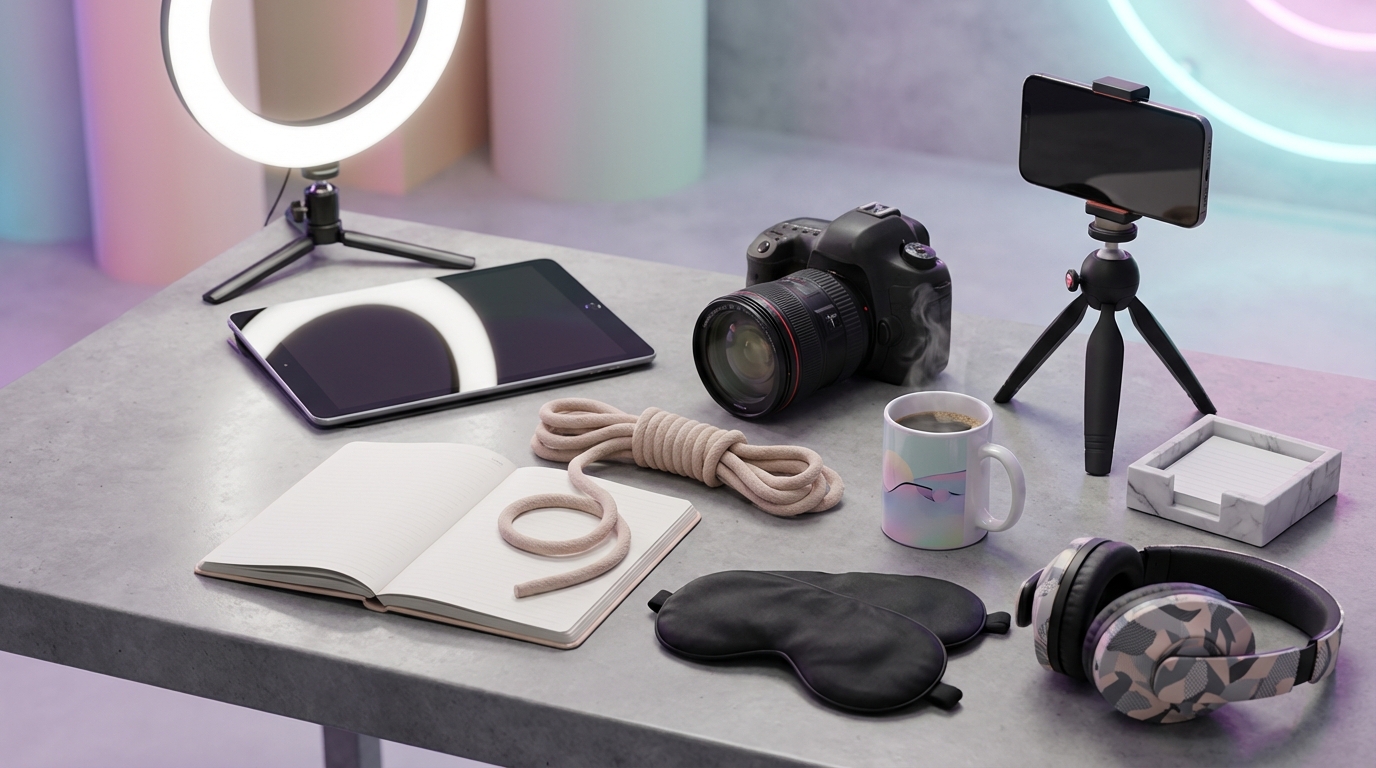
Combining Bondage with Sensory Deprivation
Combining Bondage with Sensory Deprivation: An Advanced Guide
Combining bondage with sensory deprivation represents one of the most psychologically intense and artistically compelling practices in advanced bondage modeling and performance. This comprehensive guide explores the techniques, safety protocols, and creative applications of restricting both movement and sensory input simultaneously. Designed for experienced practitioners, professional bondage models, and those working in fetish photography or film, this guide addresses the technical, psychological, and safety considerations essential for responsible practice.
Prerequisites for Combined Practice
Before attempting combined bondage and sensory deprivation, practitioners should have:
- At least 6-12 months of experience with bondage techniques
- Established communication protocols with partners
- Understanding of basic anatomy and circulation
- Emergency release procedures mastered
- Clear consent negotiations completed
- Safe words or non-verbal signals established
Understanding Sensory Deprivation in Bondage Context
What Makes Sensory Deprivation Unique
When physical restraint meets sensory restriction, the psychological impact intensifies exponentially. Bondage sensory deprivation creates a state where the bound person experiences heightened awareness of remaining sensations while losing others entirely. This combination produces distinctive experiences used in artistic photography, performance art, and professional modeling sessions.
The removal of visual input through blindfold play or complete darkness, combined with restricted movement, creates what practitioners call "sensory focus"—where touch, sound, and internal sensations become dramatically amplified. Professional bondage models often describe this state as meditative or transcendent when properly executed.
Types of Sensory Deprivation
Sensory deprivation in bondage contexts typically involves:
- Visual deprivation: Blindfolds, hoods, or darkness
- Auditory restriction: Earplugs, headphones, or bondage with hoods that muffle sound
- Tactile limitation: Gloves, full-body suits, or wrapping
- Verbal restriction: Gags or silence protocols
- Proprioceptive disruption: Suspension or disorientation techniques
Equipment Comparison for Combined Techniques
| Equipment Type | Sensory Impact | Intensity Level | Best For | Safety Considerations |
|---|---|---|---|---|
| Simple Blindfold | Visual only | Beginner-Moderate | Photography, light scenes | Minimal risk, easily removed |
| Leather Hood (open) | Visual + partial auditory | Moderate | Fashion shoots, performances | Monitor breathing, check regularly |
| Full Sensory Hood | Visual + auditory + tactile | Advanced | Experienced models only | Requires constant monitoring, emergency release |
| Earplugs + Blindfold | Visual + auditory | Moderate | Studio work, artistic photography | Communication challenges, use tactile signals |
| Bondage Tape/Wrap | Tactile + proprioceptive | Moderate-Advanced | Full-body restriction scenes | Circulation monitoring critical |
| Suspension + Hood | All senses affected | Expert only | Professional productions | Multiple safety personnel required |
Step-by-Step Protocol for Safe Combined Sessions
-
Pre-Session Negotiation: Discuss specific sensory deprivations, duration limits, and emotional boundaries. Establish check-in procedures that work without verbal communication.
-
Prepare Emergency Tools: Position safety scissors, keys, or quick-release mechanisms within immediate reach. Ensure monitoring person knows exact location.
-
Apply Bondage First: Secure physical restraints before sensory deprivation. This allows the bound person to observe and approve rope placement or restraint positioning.
-
Gradual Sensory Reduction: Begin with mild restrictions (simple blindfold) before progressing to more complete deprivation. This allows physiological and psychological adjustment.
-
Establish Non-Verbal Communication: Implement hand signals, humming patterns, or object-dropping systems that work with restricted senses. Test before proceeding.
-
Monitor Continuously: Never leave someone in combined bondage and sensory deprivation unattended. Watch for breathing changes, color changes, or distress signals.
-
Scheduled Check-Ins: Perform regular assessments every 3-5 minutes initially, adjusting based on experience level and response.
-
Controlled Removal: Remove sensory deprivation elements before releasing bondage. Allow gradual reorientation to prevent disorientation or emotional overwhelm.
Artistic and Professional Applications
Photography and Film Work
Bondage sensory deprivation creates striking visual compositions in professional work. The contrast between visible restraints and covered senses (particularly through blindfold play or artistic hood work) communicates vulnerability and trust. Professional models working in this specialty often command premium rates due to the technical and psychological demands.
Successful photographers in this genre understand that bondage with hoods requires careful lighting to maintain dramatic impact while ensuring safety visibility. The model's ability to maintain composed positions without visual feedback demonstrates exceptional skill.
Performance and Stage Work
Live bondage performances incorporating sensory deprivation create powerful audience experiences. The visible communication between rigger and model, combined with the model's responses to unseen stimuli, generates compelling dramatic tension.
Essential Safety Equipment and Requirements
Every combined session must include:
- EMT scissors or safety shears: Immediately accessible
- Oxygen saturation monitor: For sessions involving hoods
- Timer or clock: Visible to monitoring person
- First aid kit: Within arm's reach
- Communication device: Phone ready for emergencies
- Hydration supplies: Water available for aftercare
- Comfortable recovery space: Blankets, cushions for post-session care
Common Challenges and Solutions
Challenge: Panic or Claustrophobia
Solution: Start with transparent or partial hoods. Build tolerance gradually over multiple sessions. Always honor immediate release requests without question or judgment.
Challenge: Communication Breakdown
Solution: Implement redundant signal systems. Use both tactile (object dropping) and auditory (humming patterns) methods. Test all systems before beginning deprivation.
Challenge: Physiological Discomfort
Solution: Use moisture-wicking materials under hoods. Ensure breathability. Limit initial sessions to 10-15 minutes, gradually extending with experience.
Challenge: Subspace or Altered States
Solution: Recognize signs of deep subspace (glazed expression, non-responsiveness before deprivation begins). Maintain gentle physical contact. Extend aftercare duration significantly.
Challenge: Equipment Failure
Solution: Inspect all equipment before each session. Have backup safety tools. Practice emergency removal procedures until they become automatic.
Psychological Considerations
The Trust Dynamic
Combined bondage sensory deprivation requires extraordinary trust. Professional models must carefully vet collaborators before attempting these techniques. The person in bondage surrenders not only physical control but also environmental awareness, creating profound vulnerability.
This vulnerability, when handled with respect and expertise, produces some of the most emotionally powerful work in bondage modeling. However, mishandling can cause lasting psychological harm. Always prioritize emotional safety alongside physical safety.
Aftercare Requirements
Sessions combining restraint and sensory restriction demand extended aftercare:
- Gradual reorientation to environment
- Physical comfort (warmth, hydration, gentle touch)
- Emotional processing time
- Delayed reaction monitoring (some responses emerge hours later)
- Follow-up communication within 24-48 hours
Professional Development in This Specialty
Models specializing in combined techniques often pursue additional training:
- Advanced rope bondage certifications
- Psychology of BDSM workshops
- First aid and emergency response training
- Meditation or mindfulness practices for managing altered states
- Professional boundary-setting courses
Frequently Asked Questions
What's the difference between blindfold play and full sensory deprivation in bondage?
Blindfold play removes only visual input while maintaining other senses, making it ideal for beginners and intermediate practitioners. Full sensory deprivation combines multiple restrictions (vision, hearing, sometimes touch or speech), creating a more intense and disorienting experience suitable only for advanced practitioners with established trust and communication systems. Blindfolds allow verbal communication and easy monitoring, while complete deprivation requires sophisticated non-verbal protocols.
How long can someone safely remain in combined bondage and sensory deprivation?
Safety duration depends on experience level, specific techniques used, and individual physiology. Beginners should limit sessions to 10-15 minutes initially. Experienced practitioners might extend to 30-60 minutes with proper monitoring. Sessions using bondage with hoods that restrict breathing require shorter durations and more frequent checks. Never exceed limits established during negotiation, and always prioritize comfort over session goals.
What are the most important safety signals for sensory deprivation scenes?
Implement multiple redundant signals: a held object that can be dropped for immediate release, a specific humming pattern that indicates distress, and pre-arranged hand signals. For complete sensory deprivation, establish regular check-in touches where the bound person responds with specific movements (finger wiggle for "okay," hand shake for "release"). Always test these signals before restricting senses and honor them immediately without question.
Can sensory deprivation enhance the artistic quality of bondage photography?
Absolutely. Covered or restricted senses create powerful visual metaphors for vulnerability, trust, and internal experience. The contrast between visible restraints and obscured senses adds narrative depth to images. However, photographers must balance artistic goals with model safety—never compromise monitoring for a shot. The most compelling images come from genuine trust and comfort, which shows in the model's body language despite sensory restrictions.
What qualifications should I look for in a partner for advanced sensory deprivation bondage?
Seek partners with documented experience (references from other models), formal training in bondage techniques, current first aid certification, and demonstrated understanding of consent culture. They should articulate clear safety protocols, own proper emergency equipment, and show willingness to proceed gradually. Red flags include resistance to negotiation, pressure to exceed your limits, or inability to explain their safety procedures clearly. Professional portfolio work showing similar techniques indicates practical experience.
Conclusion and Next Steps
Combining bondage with sensory deprivation represents an advanced practice requiring technical skill, psychological awareness, and unwavering commitment to safety. For professional bondage models and serious practitioners, this specialty offers unique artistic opportunities and profound personal experiences.
Begin conservatively with simple blindfold play while restrained, gradually building tolerance and trust over multiple sessions. Invest in quality equipment, pursue formal training, and never compromise safety protocols for artistic or commercial goals. Document your experiences, adjust techniques based on responses, and maintain open communication with collaborators.
As your expertise develops, consider mentoring others, contributing to safety education, or specializing in this niche for professional work. The combination of physical restriction and sensory limitation continues to fascinate audiences and offers dedicated practitioners a distinctive artistic voice within bondage modeling culture.